

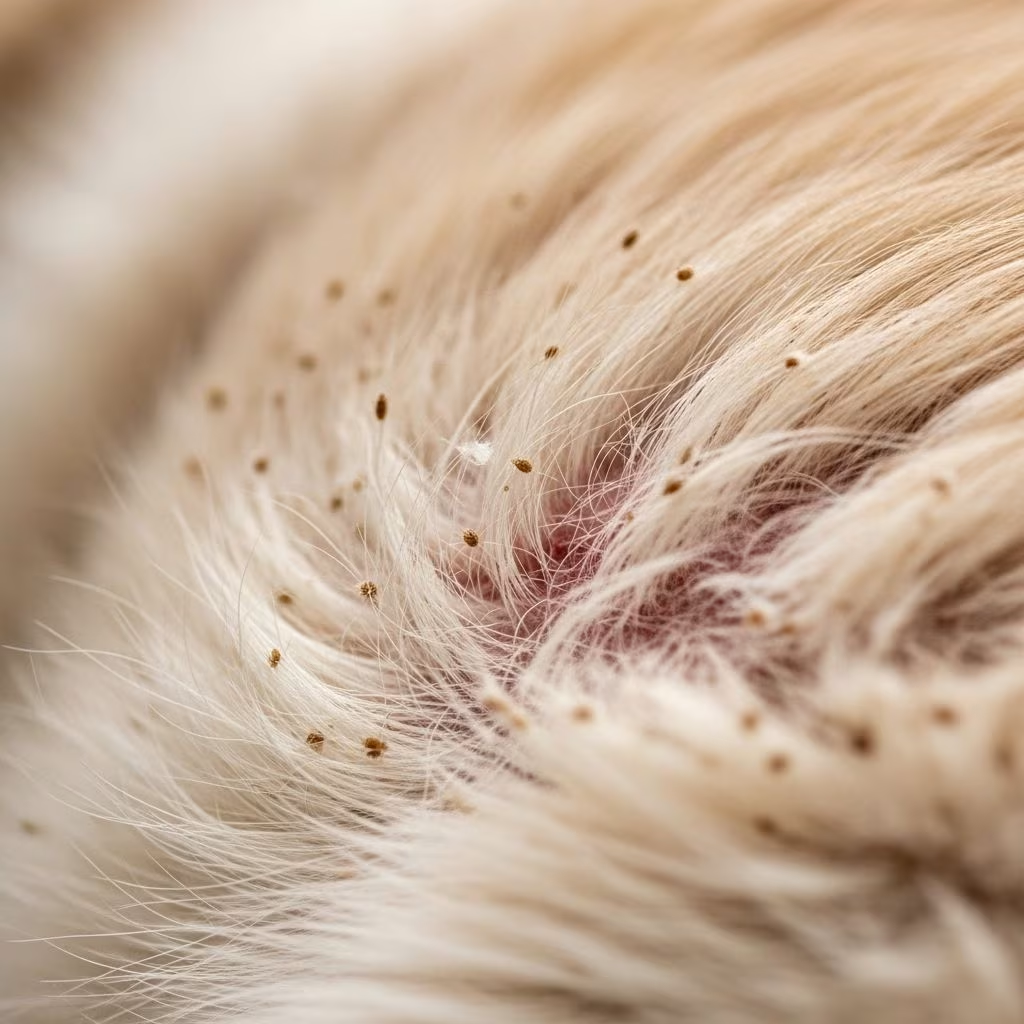
Understanding Cheyletiellosis in Dogs: A Complete Guide to Walking Dandruff
Cheyletiellosis, commonly known as walking dandruff, is a contagious skin condition in dogs caused by microscopic mites. The condition gets its distinctive nickname from the visible movement of mites or associated debris on the dog’s skin and coat, which can resemble dandruff moving across the surface. This parasitic infestation affects dogs of all ages and breeds, though it is particularly common in puppies and young dogs. Understanding this condition is essential for pet owners, as early recognition and treatment can prevent complications and spread to other animals in the household.
What Causes Cheyletiellosis in Dogs
Cheyletiellosis is caused by mites from the genus Cheyletiella, with three main species affecting dogs: Cheyletiella yasguri. These microscopic parasites live on the surface of the skin and in the hair follicles of infected dogs. The mites feed on skin cells and sebaceous secretions, causing irritation and inflammation of the skin. The condition is highly contagious and spreads through direct contact with infected animals or contaminated environments, bedding, or grooming tools.
These mites can survive off the host for extended periods, with female mites documented to survive up to 10 days in the environment. This means that even brief contact with an infected dog or contaminated surfaces can transmit the infestation. The mites do not require a lengthy incubation period to begin causing symptoms, making rapid spread possible in multi-pet households or kennel environments.
Clinical Signs and Symptoms
The presentation of cheyletiellosis varies considerably among individual dogs, depending on the number of mites present and whether the dog develops hypersensitivity to mite bites. Some dogs may be asymptomatic carriers, showing minimal to no clinical signs while still harboring the parasites, making them potential transmission vectors to other animals.
Common Symptoms Include:
Scaling and Dandruff — Excessive dandruff and widespread skin scaling is the most common clinical finding in cheyletiellosis. These scales typically appear most prominently on the back of the dog but can be distributed across the entire body. In some cases, the flakes may be large enough to observe apparent movement, particularly when the dog is warm or during bathing.
Itching and Pruritus — Itching intensity ranges from mild to severe, though some dogs experience minimal itching despite carrying significant mite populations. The scratching can be localized to specific areas or generalized across the body, depending on mite distribution and individual sensitivity.
Secondary Skin Damage — Due to excessive scratching and self-trauma, dogs may develop crusting, hair loss (alopecia), open sores, and hot spots (acute moist dermatitis). These secondary lesions can become infected with bacteria or yeast.
Coat Quality Changes — The affected dog’s coat often becomes excessively dry with a lackluster appearance. The skin may appear flaky and irritated, even in areas without visible mites.
Severe Cases May Present:
In more severe or untreated infections, dogs may experience significant complications including secondary bacterial infections (pyoderma), fungal yeast infections (Malassezia dermatitis), and seborrheic dermatitis affecting the sebaceous glands. The chronic inflammation associated with untreated cheyletiellosis can weaken the immune system, making the dog susceptible to additional opportunistic infections.
How Cheyletiellosis is Diagnosed
Veterinarians employ several diagnostic methods to confirm cheyletiellosis in dogs. The primary approach involves microscopic examination of skin scrapings or tape preparations taken from affected areas, particularly the dorsal (back) region where mites are most commonly found. Debris collected from brushing or combing infected dogs can also reveal mites under microscopic examination.
In cases where clinical signs are strongly suspected but mites or eggs are not readily visible under microscopy, veterinarians may recommend a therapeutic trial using acaricidal products to confirm the diagnosis based on clinical response. This approach is particularly useful in dogs with severe symptoms suggestive of cheyletiellosis but negative initial diagnostic tests.
Interestingly, humans who have close contact with infected dogs may develop hypersensitivity reactions manifesting as wheals or welts at contact sites (arms, waist, and legs). These human lesions are often mistakenly diagnosed as fleabites by healthcare providers. Human lesions typically resolve within three weeks of treating the dog, as the mites cannot complete their life cycle on human hosts.
Treatment Options for Cheyletiellosis
Multiple effective treatment protocols are available for managing cheyletiellosis in dogs. Treatment selection depends on factors including the dog’s age, health status, coat type, and any breed-specific sensitivities.
Topical Treatments
Lime-Sulfur Dips — This is one of the most effective and traditional treatments for cheyletiellosis. Lime-sulfur dips are administered weekly for four weeks, typically by veterinary professionals. These dips are highly effective against mites and generally safe for most dogs, including those sensitive to other treatments. The primary drawbacks include the characteristic rotten egg odor and potential temporary yellow staining of light-colored coats. Dogs receiving lime-sulfur treatment must be allowed to dry naturally on the body for optimal efficacy.
Selenium Sulfide Shampoos — Medicated baths with selenium sulfide shampoo are administered once weekly for three weeks. These are less labor-intensive than dips and can be performed at home or by groomers under veterinary supervision, making them accessible for pet owners who prefer at-home treatment options.
Spot-On Treatments — Revolution (selamectin) and similar topical spot-on products are effective for treating cheyletiellosis, though they are not specifically labeled for this use. These treatments are typically applied every two weeks for three treatments. Spot-on products offer convenience and can be administered at home by pet owners.
Systemic (Oral and Injectable) Treatments
Ivermectin — This macrocyclic lactone is effective for treating most cases of cheyletiellosis and can be administered via injection or oral formulation. However, ivermectin cannot be used in certain breeds including Collies, Shelties, and related herding breeds, as these dogs carry a genetic mutation making them susceptible to severe neurological reactions including coma, personality changes, and death. Dogs must be confirmed heartworm-negative before initiating ivermectin therapy.
Other Systemic Options — Oral medications such as Trifexis, Sentinel, and other isoxazolines show promise for treating cheyletiellosis. These systemic treatments may require repeat administration within 2-4 weeks to ensure complete mite elimination.
Home Therapy and Environmental Management
Successful treatment of cheyletiellosis extends beyond treating the affected dog to include comprehensive environmental management. Since mites can survive off the host for extended periods, environmental treatment is important to prevent reinfestation.
Treatment of All Contact Animals — Every animal in the household that has contacted the infected dog must receive treatment simultaneously, even if they show no clinical signs. This includes cats, rabbits, and other susceptible pets. Failure to treat all animals will result in continuous reinfection cycles.
Environmental Cleaning — All bedding, blankets, toys, and furniture the dog contacts should be thoroughly washed and dried at high temperatures. Premise sprays designed for flea control are typically sufficient for treating the home environment. While not strictly necessary when using long-acting antiparasitic drugs, routine environmental cleaning allied with standard flea control products is often recommended as a precautionary measure.
Medication Compliance — All prescribed medications must be administered exactly as directed. Skipping treatments or reducing treatment frequency allows mites to survive and multiply, prolonging the infection cycle.
Treatment Duration and Recovery
With consistent treatment using approved medications, the Cheyletiella mite infestation should be eliminated within 4 to 5 weeks. However, restoration of normal skin and coat condition may require additional time beyond mite elimination. If secondary bacterial or yeast infections have developed, extended and more complex treatment protocols may be necessary to address these concurrent conditions alongside mite eradication.
The prognosis for recovery from cheyletiellosis is excellent when treatment is initiated promptly and followed completely. However, untreated dogs will continue to harbor the infection indefinitely, serving as persistent sources of transmission to other animals.
Prevention and Management
Prevention of cheyletiellosis primarily involves avoiding contact with infected animals and their contaminated environments. In kennel or breeding situations, maintaining strict hygiene protocols and quarantining newly acquired animals for observation can prevent introduction of the parasite.
Regular monitoring of your dog’s skin and coat condition allows early detection of potential infestations. Any unusual scaling, itching, or movement observed in the coat warrants immediate veterinary evaluation. Maintaining good overall health and supporting immune function through proper nutrition and regular veterinary care helps dogs mount appropriate responses to parasitic challenges.
Frequently Asked Questions About Cheyletiellosis in Dogs
Q: Can humans catch cheyletiellosis from dogs?
A: While Cheyletiella mites can bite humans, they cannot complete their life cycle on human hosts. Humans may develop hypersensitivity wheals at contact sites, typically on arms, waist, and legs, but these lesions resolve within three weeks of treating the infected dog without requiring specific human treatment.
Q: How long does treatment take?
A: Most treatments require 4 to 5 weeks of consistent application to eliminate the mite infestation. The timeline varies depending on the treatment chosen, with lime-sulfur dips requiring weekly applications for four weeks and spot-on treatments typically applied every two weeks for three treatments.
Q: Will walking dandruff go away on its own?
A: While theoretically possible, it is extremely unlikely for cheyletiellosis to resolve without treatment. Untreated infections persist indefinitely and risk progressing to more serious secondary bacterial or yeast infections. Early intervention prevents complications and reduces transmission risk.
Q: Can I treat cheyletiellosis at home?
A: While some treatments like selenium sulfide shampoos can be performed at home, diagnosis must be confirmed by a veterinarian and treatment protocols followed exactly as prescribed. Veterinary supervision ensures appropriate treatment selection and monitoring of recovery progress.
Q: What happens if cheyletiellosis is left untreated?
A: Untreated cheyletiellosis may progress to more severe skin infections and chronic skin disease. Secondary bacterial (pyoderma) and yeast (Malassezia) infections commonly develop when the immune system is overwhelmed by chronic inflammation, resulting in excessive scaling, significant hair loss, severe itching, and considerable discomfort.
Q: Do all dogs in my household need to be treated?
A: Yes, all animals that have contacted the infected dog must be treated simultaneously, even if they show no symptoms. Some dogs may be asymptomatic carriers harboring mites while showing no clinical signs, making them sources of continued transmission.
Conclusion
Cheyletiellosis, or walking dandruff, is a highly manageable parasitic skin condition when recognized and treated promptly. Pet owners should remain vigilant for signs of excessive scaling and itching, particularly on the dog’s back, and seek veterinary evaluation immediately if these symptoms appear. With multiple effective treatment options available and excellent prognosis when properly managed, dogs with cheyletiellosis can make full recoveries and return to comfortable, healthy lives. Comprehensive treatment including environmental management and treatment of all household animals ensures successful eradication and prevents reinfestation or transmission to other pets.
References
- Diagnosing and Treating Cheyletiellosis — Veterinary Practice. 2024. https://www.veterinary-practice.com/article/diagnosing-and-treating-cheyletiellosis
- Cheyletiellosis (Walking Dandruff) in Dogs and Cats — MedVet. 2024. https://www.medvet.com/cheyletiellosis-walking-dandruff-in-dogs-and-cats/
- Walking Dandruff in Dogs: Symptoms, Treatment & Photos — Lavengel. 2024. https://lavengel.com/pages/skin-issues-cheyletiellosis
- Walking Dandruff in Dogs — PetMD. 2024. https://www.petmd.com/dog/conditions/skin/walking-dandruff-dogs
- Cheyletiella Species — University of Saskatchewan, Western College of Veterinary Medicine. 2024. https://wcvm.usask.ca/learnaboutparasites/parasites/cheyletiella-species.php



