

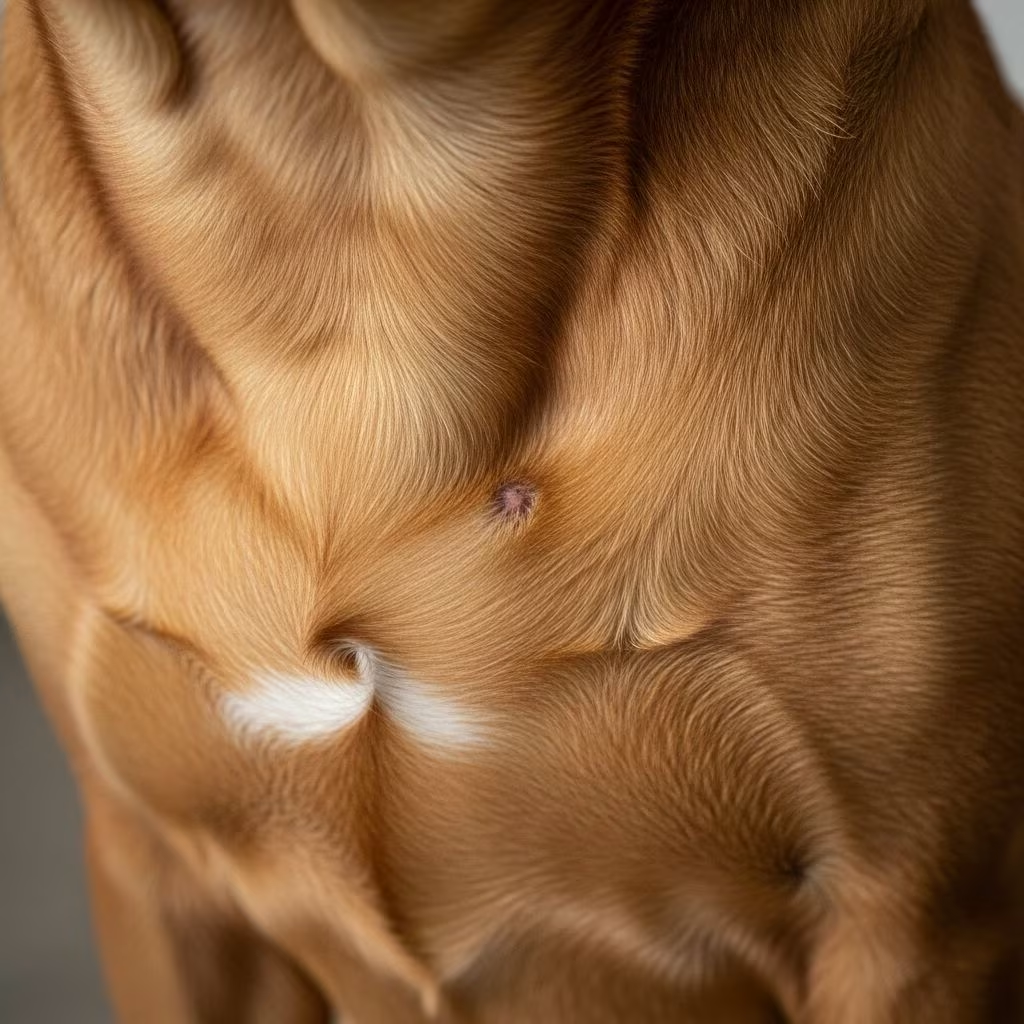
Discovering a lump on your dog’s chest can spark immediate concern, but many such growths turn out to be benign. Understanding the potential reasons behind these lumps, knowing how to evaluate them at home, and recognizing when professional intervention is needed can help you make informed decisions for your pet’s well-being.
Common Reasons for Lumps on a Dog’s Chest
Dogs can develop lumps on their chest for various reasons, ranging from everyday occurrences to more serious health issues. These growths often stem from the skin, underlying tissues, or even deeper structures like the rib cage. Factors such as age, breed, and overall health play significant roles in their development.
Benign causes are frequent, especially in older dogs. For instance, fatty deposits known as lipomas form soft, movable masses under the skin, commonly appearing on the trunk including the chest area. These are particularly prevalent in overweight or senior canines and rarely cause problems unless they grow large enough to hinder movement.
Infections represent another frequent culprit. Abscesses from bacterial entry points, such as bites or scratches, create firm, painful swellings filled with pus. Insect stings or allergic responses can also produce temporary hives or raised areas that resolve quickly but may mimic more persistent lumps.
Benign Growths: Harmless Bumps to Monitor
Most chest lumps in dogs prove non-threatening and require only observation. Lipomas top the list as the most common, feeling doughy and easily shifted under the skin. They develop from fat cells and pose no health risk, though surgical removal might be advised if they interfere with daily activities.
- Lipomas: Soft, round, and mobile; prevalent in middle-aged to older dogs on the chest and abdomen.
- Sebaceous cysts: Small, firm sacs from blocked oil glands that may leak a cheesy substance if ruptured.
- Histiocytomas: Red, button-like nodules in young dogs that often vanish without treatment.
Other harmless types include sebaceous gland tumors, which are pea-sized and may crust over, and meibomian gland issues near the chest if extending from nearby areas, though these are rarer on the trunk. These typically stay stable in size and don’t provoke discomfort.
Malignant Possibilities: When Lumps Signal Cancer
While less common, cancerous lumps demand prompt attention. Mast cell tumors frequently appear on the chest and trunk, presenting as raised, red, or ulcerated masses that fluctuate in size due to histamine release. They vary in aggressiveness, with some spreading rapidly.
Chest wall tumors, such as osteosarcomas or soft tissue sarcomas, originate deeper and may cause firm, fixed lumps with potential breathing difficulties if they invade the thoracic cavity. Melanomas and fibrosarcomas also occur, often pigmented or deeply seated.
| Type | Appearance | Risk Level |
|---|---|---|
| Mast Cell Tumor | Red, raised, changeable size | Moderate to high |
| Lipoma | Soft, movable | Low |
| Fibrosarcoma | Firm, invasive | High |
| Angiosarcoma | Bruise-like, rapid growth | Very high |
Mammary tumors can manifest as chest lumps in females, especially unspayed ones, with signs like nipple discharge or ulceration indicating advancement. Early detection through biopsy improves prognosis significantly.
How to Examine a Chest Lump at Home
Regular grooming sessions provide ideal opportunities to check your dog’s chest. Gently part the fur and palpate any unusual areas. Note the lump’s size, shape, texture, and mobility. Is it hard or soft? Does it adhere to underlying muscle or bone? Measure it weekly to track changes.
Observe your dog’s behavior: Does touching the lump elicit yelps, excessive licking, or avoidance? Check for accompanying signs like lethargy, appetite loss, or fever, which elevate urgency.
- Feel the lump: Movable and painless suggests benign.
- Monitor growth: Rapid changes warrant a vet visit.
- Assess color and skin: Redness, oozing, or ulcers signal issues.
Diagnostic Approaches by Veterinarians
Vets employ several methods to identify lump nature. Fine-needle aspiration extracts cells for microscopic review, often confirming lipomas on the spot. For inconclusive results, biopsies or imaging like ultrasounds reveal deeper involvement.
X-rays or CT scans assess chest wall tumors, checking for rib erosion or lung metastasis. Bloodwork rules out systemic illness. Accurate diagnosis guides tailored treatment plans.
Treatment Options for Chest Lumps
Benign lumps like lipomas may need no intervention beyond monitoring, but excision prevents complications if problematic. Cysts often drain and heal with antibiotics if infected.
Cancerous growths require surgery to remove margins, potentially followed by chemotherapy or radiation. Mast cell tumors might stabilize with antihistamines alongside removal. Prognosis hinges on grade and spread.
For mammary masses, spaying reduces recurrence risk. Advanced chest tumors may involve thoracic surgery, though outcomes vary with type like hemangiosarcoma.
Prevention Strategies for Your Dog
Maintain ideal weight to minimize lipoma risk. Regular vet checkups catch issues early. Spay females before first heat to slash mammary cancer odds by over 90%.
Protect against sun for light-coated breeds prone to skin cancers. Flea prevention curbs infections leading to abscesses. Nutritious diet and exercise bolster immunity.
FAQs on Dog Chest Lumps
Is a soft lump on my dog’s chest dangerous?
Often not; soft, movable lumps are typically lipomas, harmless fatty tumors common in seniors. Still, vet confirmation is essential.
What if the lump grows quickly?
Rapid growth, pain, or color changes indicate possible malignancy like mast cell tumors. Seek immediate care.
Can chest lumps affect breathing?
Yes, deep tumors compressing lungs or causing fluid buildup can. Accompanying cough or labored breath requires emergency evaluation.
How often should I check my dog for lumps?
Weekly during brushing or baths, especially for older dogs. Note any new or changing masses.
Are certain breeds more prone to chest lumps?
Labradors and retrievers see more lipomas; boxers and labs higher mast cell risks. Age trumps breed often.
Long-Term Management After Diagnosis
Post-treatment, schedule follow-ups to monitor recurrence. For benign cases, lifestyle tweaks suffice. Cancer survivors benefit from palliative care focusing on quality life[10].
Holistic supports like omega fatty acids aid skin health. Emotional bonding reduces stress, aiding recovery.
References
- Pet Lumps & Bumps: When to Rush to the Vet vs. When to Watch and Wait — RVS Vet. 2023. https://rvsvet.com/pet-lumps-bumps-when-to-rush-to-the-vet-vs-when-to-watch-and-wait/
- Sudden Lumps Under Your Dog’s Skin: Does It Require Urgent Care? — GSVS. 2024. https://gsvs.org/blog/sudden-lumps-dog-emergency/
- Lumps, Bumps, and Cysts on Dogs — PetMD. 2025-01-15. https://www.petmd.com/dog/symptoms/lumps-bumps-and-cysts-dogs
- Pet Lumps & Bumps: When to Worry and What to Do — FV Pet Emergency. 2023. https://fvpetemergency.com/pet-lumps-bumps-when-to-worry-and-what-to-do/
- Breast cancer in dogs — Blue Cross. 2024. https://www.bluecross.org.uk/advice/dog/health-and-injuries/breast-cancer-in-dogs
- Tumors of the Skin in Dogs – Dog Owners — Merck Veterinary Manual. 2025. https://www.merckvetmanual.com/dog-owners/skin-disorders-of-dogs/tumors-of-the-skin-in-dogs



