

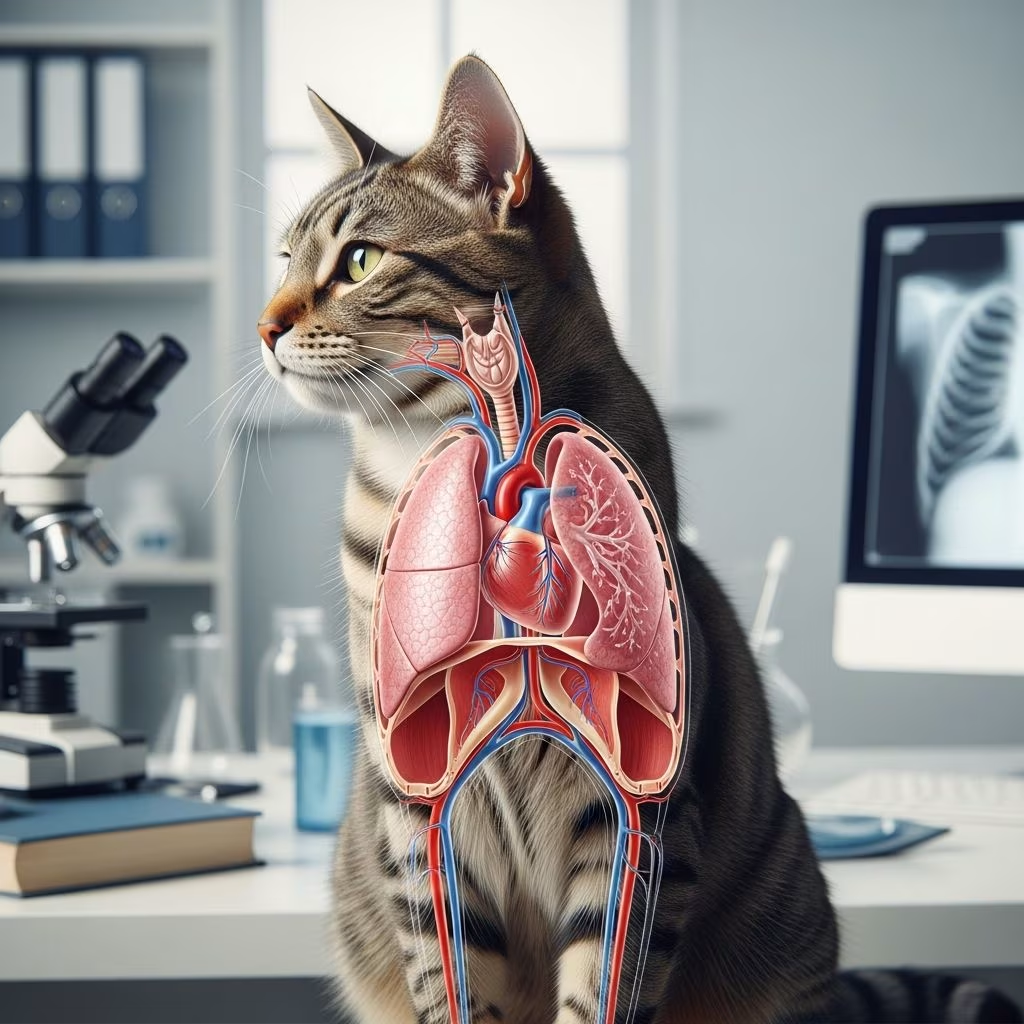
Chest cavity disorders in cats often manifest as sudden breathing difficulties, signaling fluid accumulation, air leaks, or other disruptions in the thoracic space. These conditions demand prompt veterinary intervention to restore normal respiration and address underlying causes.
Recognizing Trouble: Key Symptoms of Thoracic Distress
Cats with chest cavity problems typically show rapid, shallow breathing or open-mouth panting, indicating compromised lung expansion. Owners might notice their pet holding breaths longer between inhales and exhales, or struggling when lying flat, preferring upright positions for comfort.
- **Labored respiration**: Noisy or effortful breathing, sometimes with abdominal pushing.
- **Coughing episodes**: More indicative of specific issues like chylothorax, unlike general effusions.
- **Lethargy and weakness**: Reduced activity, reluctance to jump, or prolonged sleep due to oxygen deprivation.
- **Appetite decline**: Weight loss from eating less, compounded by nausea or fatigue.
- **Visible changes**: Pale or blue-tinged gums, swollen belly from abdominal fluid, or frothy coughs.
These signs, especially if acute, require immediate care, as delays can lead to collapse or irreversible lung damage.
Fluid Accumulation: Pleural Effusion Explained
**Pleural effusion** occurs when excess fluid gathers in the pleural space, the thin gap between lungs and chest wall, preventing proper lung inflation. This common feline issue stems from heart failure, infections, tumors, or trauma.
Left-sided heart failure floods lungs with fluid, causing pulmonary edema, while right-sided builds abdominal or chest collections. Bacterial infections (pyothorax) introduce pus, and cancers like lymphoma contribute in older cats.
| Cause | Characteristics | Prevalence in Cats |
|---|---|---|
| Congestive Heart Failure | Clear or pink-tinged fluid | Most frequent |
| Cancer (e.g., Lymphoma) | Bloody or cellular fluid | Common in seniors |
| Infection (Pyothorax) | Pus-filled, septic | Often post-trauma |
| Trauma or FIP | Variable, inflammatory | Less common |
Diagnosis involves chest X-rays showing hazy lung fields and ultrasound for fluid typing via thoracocentesis, extracting samples for analysis.
Chylothorax: The Milky Menace
Chylothorax involves chyle—a fatty lymph fluid—leaking into the chest from a ruptured thoracic duct, often idiopathic or trauma-related. It irritates lung tissues, fostering scar formation over time.
Cats present with progressive dyspnea and occasional coughs, unique to this condition. Fluid reaccumulates quickly post-drainage, necessitating tubes or surgery.
- Management tactics: Low-fat diets reduce chyle production; rutin supplements aid macrophage clearance; octreotide slows duct flow.
- Surgical option: Thoracic duct ligation for persistent cases, with variable success.
Complications like fibrosing pleuritis—scar tissue constricting lungs—worsen prognosis if untreated.
Pneumothorax: Air Where It Shouldn’t Be
**Pneumothorax** features free air in the pleural space, collapsing lungs via pressure imbalance. Spontaneous versions arise from lung blebs rupturing, while traumatic ones follow injuries like falls or bites.
Tension pneumothorax, a dire variant, shifts chest structures, demanding emergency decompression. Radiographs reveal hyperlucent fields and retracted lungs.[10]
Treatment prioritizes air evacuation via needle aspiration or chest tubes, followed by monitoring for recurrence. Surgery seals leaks in chronic cases.
Pyothorax and Infectious Culprits
Pyothorax, pus in the pleural space from bacterial invasions (often anaerobic), triggers fever, toxicity, and septic shock if unchecked. Aspiration pneumonia or penetrating wounds initiate it.
Long-term antibiotics, guided by culture results, pair with drainage. Indwelling tubes facilitate flushing, improving outcomes significantly.
Unraveling the Cause: Diagnostic Pathways
Veterinarians start with physical exams noting muffled heart sounds and dull chest percussion. Three-view radiographs pinpoint effusions, masses, or air pockets.
- Thoracocentesis: Fluid sampling for cytology, culture, and biochemistry.
- Echocardiography: Assesses heart function in failure suspects.
- CT scans or biopsies: For tumors or elusive leaks.
Bloodwork flags infections, anemia, or organ stress, refining differentials.
Emergency Stabilization Techniques
Acute distress warrants oxygen supplementation in a quiet enclosure, stabilizing for procedures. Thoracocentesis offers instant relief, draining liters sometimes, under sedation.
Chest tubes enable continuous management, connected to suction or gravity systems, with daily flushes preventing clogs.
Tailored Therapies by Condition
Heart Failure Protocols
Diuretics like furosemide eliminate fluid; ACE inhibitors ease cardiac load; beta-blockers regulate rhythms. Low-sodium diets and pimobendan enhance contractility, yielding 6-12 months median survival.
Oncologic Interventions
Chemotherapy targets lymphoma; steroids reduce inflammation. Palliative taps maintain comfort when cure eludes.
Supportive and Surgical Measures
Antibiotics combat pyothorax; ligation or shunts resolve chylothorax. Pain relief via gabapentin and anti-anxiety aids quality of life.
Prognosis Factors and Long-Term Outlook
Outcomes hinge on cause: Heart failure manages well at home; idiopathic chylothorax recurs; cancers shorten life. Early detection boosts survival, with some cats thriving years post-diagnosis.
Owners monitor weight, respiration rates (normal <30/min), and appetite, reporting changes swiftly.
Prevention Strategies for Feline Owners
Minimize trauma risks like high falls; vaccinate against FIP contributors; screen seniors for cardiomyopathy via echoes. Prompt URI treatment curbs secondary infections.
Frequently Asked Questions (FAQs)
What triggers sudden breathing issues in my cat?
Common culprits include pleural effusion from heart disease or fluid overload, demanding vet evaluation.
How often are chest taps needed?
Varies; daily initially for severe cases, tapering as treatments control production.
Can cats recover fully from chylothorax?
Many stabilize with diet and meds, but surgery may be required for cure; scars complicate some.
Is surgery always necessary for pneumothorax?
No, conservative drainage suffices for trauma-induced; spontaneous types often need bleb resection.[10]
How do I support my cat during recovery?
Provide quiet spaces, easy-access litter, soft foods, and adhere to meds; track breathing daily.
References
- Congestive Heart Failure in Cats: Symptoms and Treatments — LePar Vet. 2023. https://leparvet.net/blog/congestive-heart-failure-in-cats/
- Chylothorax in Cats — VCA Animal Hospitals. 2024. https://vcahospitals.com/know-your-pet/chylothorax-in-cats
- Pleural Effusion in Cats (Fluid Around the Lungs) — PetMD. 2024. https://www.petmd.com/cat/conditions/respiratory/pleural-effusion-cats-fluid-around-lungs
- Pleural Effusion in Cats — Paws at Peace. 2023. https://pawsatpeace.com/pleural-effusion-cats/
- Pleural Effusion in the Cat: A Practical Approach — PMC (NCBI). 2024-05-15. https://pmc.ncbi.nlm.nih.gov/articles/PMC11148994/



