

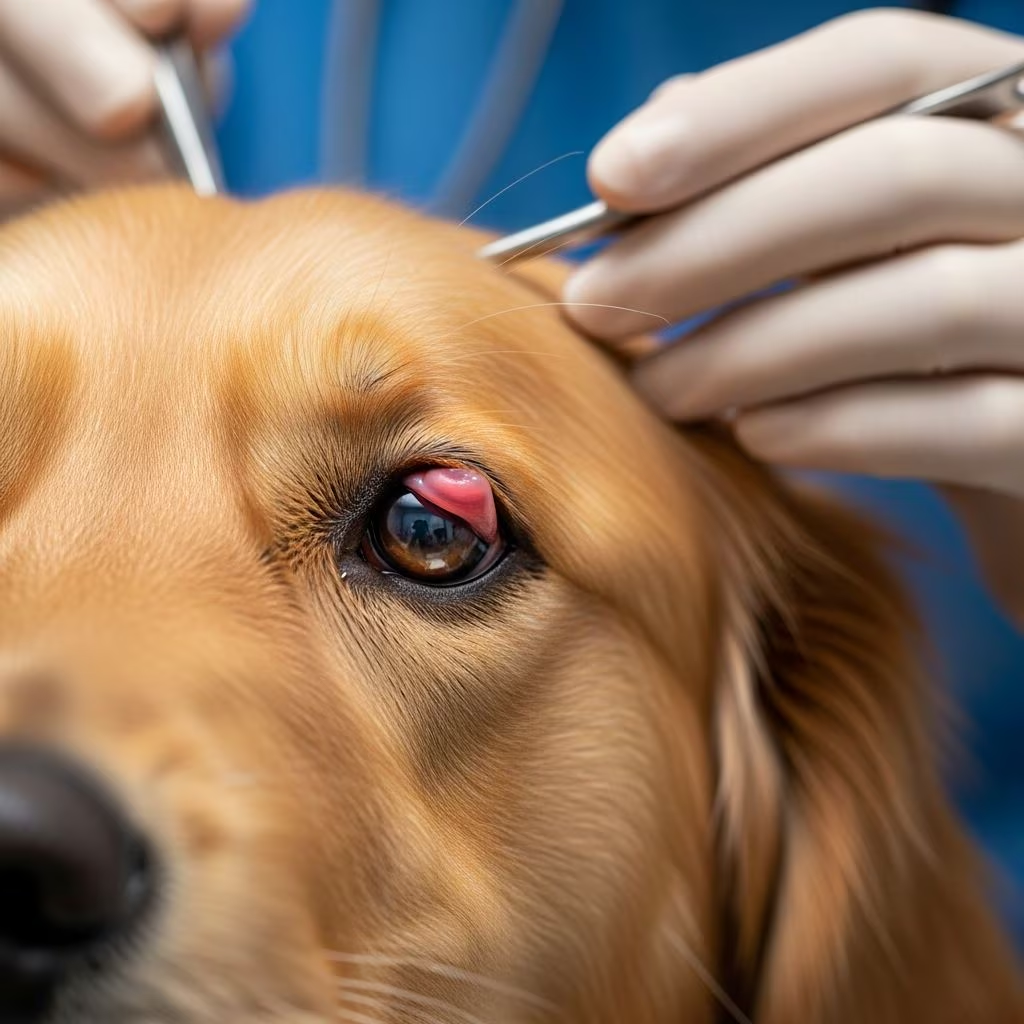
Cherry eye, a common condition in dogs where the third eyelid gland prolapses, requires surgical intervention for effective treatment, with costs typically ranging from $300 to $800 or higher depending on factors like location, surgeon expertise, and procedure complexity.
Understanding Cherry Eye: The Basics
The third eyelid gland, located in the inner corner of a dog’s eye, produces a significant portion of the tear film—up to 50%—essential for eye lubrication and health. When this gland prolapses, it appears as a red, fleshy mass, hence the name “cherry eye.” This condition disrupts normal tear production, leading to dryness, irritation, redness, and discharge if untreated.
Early detection is crucial because prolonged prolapse can damage the gland permanently, increasing the risk of keratoconjunctivitis sicca (KCS), or dry eye, a chronic condition requiring lifelong medication. Non-surgical options like manual repositioning or steroid drops offer only temporary relief and are not recommended long-term.
Breeds Prone to Cherry Eye and Risk Factors
Certain breeds are genetically predisposed due to weak connective tissue anchoring the gland. Common affected breeds include Bulldogs, Mastiffs, Cocker Spaniels, Beagles, Lhasa Apsos, and Shih Tzus. Puppies and young dogs under two years are most at risk, though it can occur at any age.
Both eyes may be affected, often sequentially, so monitoring the opposite eye post-surgery is advised. Brachycephalic (flat-faced) breeds face higher recurrence rates due to anatomical challenges.
- High-risk breeds: English Bulldogs, Neapolitan Mastiffs, American Cocker Spaniels
- Moderate-risk breeds: Beagles, Boston Terriers, Pekingese
- Other factors: Trauma, inflammation, or congenital weaknesses
Surgical Treatments: Options and Techniques
Surgery is the gold standard, involving repositioning the prolapsed gland to restore its function. Removal is strongly discouraged as it leads to dry eye in up to 40% of cases. Techniques vary by veterinarian preference and case specifics.
| Technique | Description | Success Rate | Best For |
|---|---|---|---|
| Pocket Technique | Creates a pocket in conjunctival tissue to secure the gland. | 75-100% | Standard cases, modified for anatomy |
| Tacking Technique | Anchors gland with sutures to the orbit. | High, but recurrence possible | Simple prolapses |
| Rhea Morgan Pocket Modification | Elliptical incision, absorbable sutures, magnification used. | Excellent with experience | Complex or recurrent cases |
General anesthesia is used, with same-day discharge possible. Pre-op bloodwork and eye drops reduce swelling. Specialists handle challenging breeds like Mastiffs.
Factors Influencing Surgery Costs
Average costs range from $300-$800 per eye, but can exceed $1,000-$2,000 with complications or specialists. Key variables include:
- Geographic location: Urban areas or specialists charge more.
- Clinic type: General vet vs. veterinary ophthalmologist (20-50% higher for specialists).
- Procedure complexity: Cartilage trimming or bilateral surgery adds fees.
- Pre/post-op care: Medications, exams ($100-$300 extra).
- Anesthesia and diagnostics: Blood tests, imaging ($200-$500).
Pet insurance or financing like CareCredit can offset expenses. Always request a detailed quote upfront.
Preparation for Cherry Eye Surgery
Timing matters: Operate soon after diagnosis to minimize damage, but delay in very young puppies until growth stabilizes. Pre-surgery steps include:
- Complete physical exam and bloodwork to confirm anesthesia safety.
- Anti-inflammatory drops to shrink the gland.
- Fast your dog 12 hours prior.
- Discuss techniques and risks with your vet.
Referral to a boarded veterinary ophthalmologist is ideal for recurrent or breed-specific cases.
Post-Operative Care and Recovery
Recovery is swift, with most dogs resuming normal activity in 1-2 weeks. Expect mild swelling, redness, or clear discharge initially—contact your vet for pus, squinting, or pain.
- E-collar: Mandatory for 10-14 days to prevent rubbing.
- Medications: Antibiotic/anti-inflammatory ointments (e.g., Tricin) 3x daily for 7-10 days.
- Activity: Short leash walks only; no rough play.
- Follow-ups: Recheck at 7-10 days for suture removal.
Recurrence happens in 5-20% of cases, often requiring reoperation. Monitor for dry eye signs like thick discharge or corneal haze.
Potential Complications and Prognosis
Prognosis is excellent with prompt surgery—over 90% success in restoring gland function. Risks include:
- Re-prolapse (higher in Bulldogs/Mastiffs).
- Dry eye if gland damaged pre-op.
- Infection or suture failure (rare with proper care).
Untreated cherry eye leads to chronic irritation and vision impairment. Long-term, preserved gland function prevents KCS.
Preventive Measures and When to See a Vet
While genetic, early vet visits for at-risk breeds help. Symptoms warrant immediate care:
- Red mass in eye corner.
- Excessive tearing or dryness.
- Pawing at eye.
Regular eye exams in predisposed breeds catch issues early.
Frequently Asked Questions (FAQs)
Is cherry eye painful for dogs?
Initially irritating but not acutely painful; untreated cases cause discomfort from dryness.
Can cherry eye resolve without surgery?
No, temporary fixes fail; surgery is permanent solution.
How much does cherry eye surgery cost on average?
$300-$800 per eye, varying by factors like location and specialist involvement.
Will my dog need surgery on both eyes?
Possibly; 50% of unilateral cases affect the second eye later.
What breeds need specialist referral?
Mastiffs, Bulldogs; general vets handle most others.
Financial Planning for Pet Eye Surgery
Budget for totals: surgery ($500 avg.), meds ($50-100), follow-ups ($100+). Wellness plans or savings accounts help. Compare quotes from multiple vets.
References
- Cherry eye in dogs | Cornell University College of Veterinary Medicine — Cornell University. 2023. https://www.vet.cornell.edu/departments-centers-and-institutes/riney-canine-health-center/canine-health-topics/cherry-eye-dogs
- Cherry Eye in Dogs | VCA Animal Hospitals — VCA Hospitals. 2024. https://vcahospitals.com/know-your-pet/cherry-eye-in-dogs
- Treating Cherry Eye in Dogs – Brekke Veterinary Clinic — Brekke Veterinary Clinic. 2023. https://www.brekkevet.com/blog/treating-cherry-eye-in-dogs.html
- Learn About Entropion & Cherry Eye – Veterinary Vision — Veterinary Vision. 2024. https://www.veterinaryvision.com/learn-about-entropion-and-cherry-eye
- Cherry Eye Surgery – Veterinary Ophthalmology – Animal Eye Care — Animal Eye Care. 2023. https://www.animaleyecare.com.au/advice-sheet/cherry-eye-surgery/
- Cherry Eye Surgery Cost and Procedure Guide – CareCredit — CareCredit. 2025-02-01. https://www.carecredit.com/well-u/pet-care/cherry-eye-surgery-cost-and-cherry-eye-surgery-financing/



