

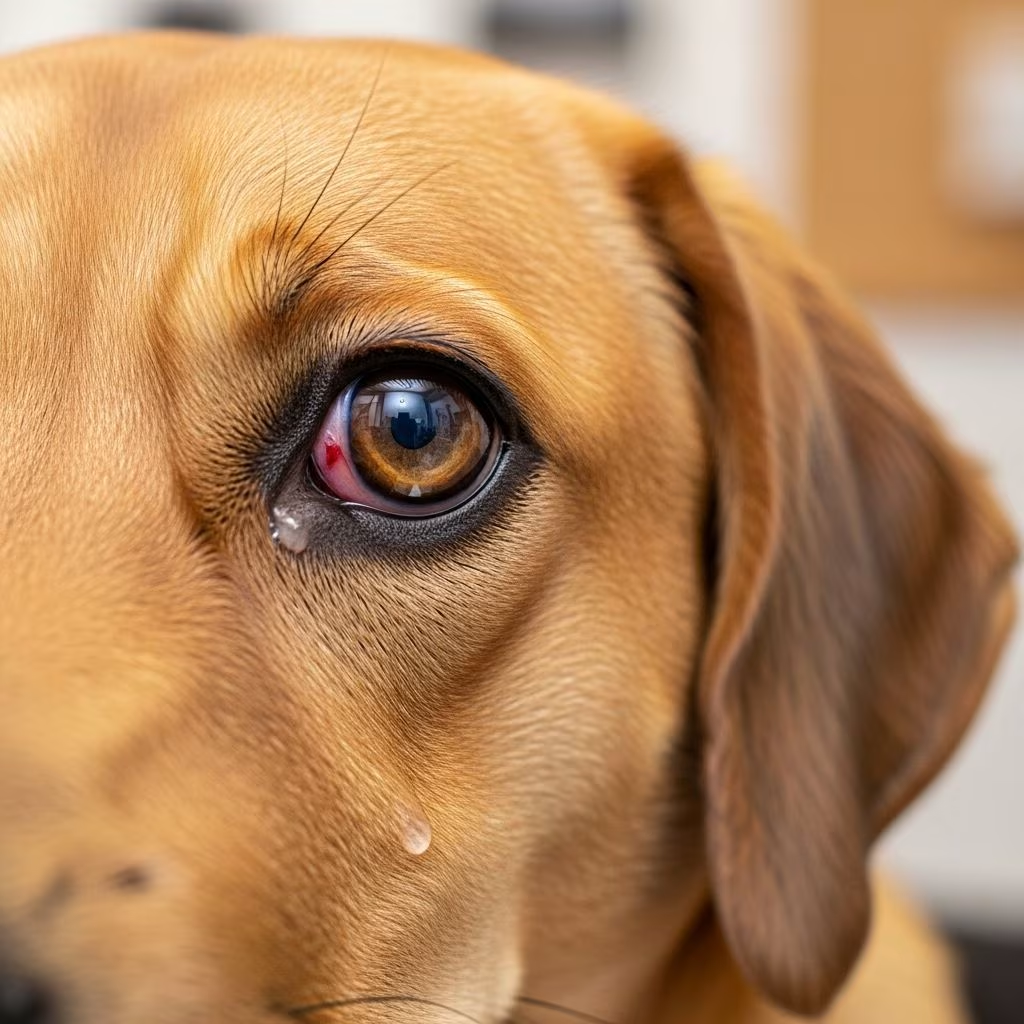
Understanding Cherry Eye in Dogs
Cherry eye is a common eye condition that affects dogs of various breeds, characterized by the prolapse of the third eyelid gland. The condition gets its name from the appearance of a red or pink bulge in the inner corner of a dog’s eye, resembling a cherry. When the tear gland in the third eyelid becomes inflamed and pops out of its normal position, it creates this distinctive appearance that many pet owners find alarming. However, while the visual presentation can be concerning, understanding the condition and its treatment options can help pet owners make informed decisions about their dog’s eye health.
The third eyelid, also known as the nictitating membrane, is a protective structure in dogs’ eyes that serves an important function in maintaining ocular health. This membrane contains a gland responsible for producing a significant portion of the tears that keep the eyes moist and healthy. When this gland prolapses, it not only appears unsightly but can also compromise the eye’s ability to produce adequate tears, leading to serious complications if left untreated.
What is the Third Eyelid Gland?
The third eyelid gland, also called the lacrimal gland of the third eyelid, is normally anchored to the lower inner rim of the eye by a fibrous attachment. This small but critical structure produces approximately 30 to 50 percent of the watery portion of the tear film that keeps a dog’s eyes comfortable and healthy. The gland’s primary function is to secrete tears that protect the eye’s surface, provide lubrication, and help prevent infections.
In healthy dogs, this gland remains invisible because it sits beneath the third eyelid. The third eyelid itself is a protective membrane that sweeps across the eye to remove debris and distribute tears. When functioning properly, pet owners never see the third eyelid or its associated gland because they remain tucked away in the inner corner of the eye. This hidden location allows the gland to work efficiently without interfering with normal vision or causing any discomfort.
What Causes Cherry Eye?
Cherry eye develops when the fibrous attachment that normally holds the third eyelid gland in place becomes weak or stretches excessively. The exact cause of this weakening is not entirely understood, but research has identified several contributing factors. Genetics appear to play a significant role, as certain dog breeds show a much higher predisposition to developing the condition compared to others.
Genetic Predisposition and Breed Susceptibility
Specific dog breeds are significantly more prone to developing cherry eye due to inherited weaknesses in the connective tissue that supports the gland. Breeds most commonly affected include:
– American Cocker Spaniels- English Cocker Spaniels- Beagles- English Bulldogs- French Bulldogs- Boston Terriers- Pugs- Shih Tzus- Lhasa Apsos- Bloodhounds- Other brachycephalic (flat-faced) breeds
The higher incidence in these breeds suggests a hereditary component to the condition. Recent research has confirmed that purebred and brachycephalic dogs have higher odds of developing cherry eye compared to mixed breed dogs, reinforcing the genetic nature of the condition. Interestingly, even Burmese and Persian cats can experience cherry eye, indicating that the genetic predisposition extends beyond canines.
Age as a Contributing Factor
Age is another critical factor in the development of cherry eye. The condition overwhelmingly affects younger dogs, typically those under two years of age. Studies have shown that a significant majority of dogs diagnosed with cherry eye are less than one year old at the time of diagnosis. This early onset pattern suggests that the condition develops as the puppy’s eye structures mature, and the weakness in the connective tissue becomes apparent.
Other Contributing Factors
While genetics and age are the primary factors, other conditions may contribute to cherry eye development. In large-breed dogs such as Great Danes, scrolled cartilage—an abnormality where the cartilage supporting the third eyelid becomes bent or rolled—can lead to prolapse. Additionally, physical trauma or injury to the eye area can sometimes precipitate the condition, although this is less common than genetic predisposition.
Interestingly, younger dogs tend to have more allergies as they adjust to their environments. If the gland becomes swollen from allergic reactions, the swelling may persist, increasing the likelihood of prolapse. Conversely, if allergies are not involved, the gland might occasionally settle back into place on its own.
Symptoms and Signs of Cherry Eye
The most obvious sign of cherry eye is the appearance of a red or pink bulge in the inner corner of the affected eye. Pet owners typically notice this distinctive bump suddenly appearing, which can range from small and subtle to quite prominent and obvious. The red coloration comes from the inflamed gland tissue that is exposed and no longer protected by the third eyelid.
Clinical Manifestations
Beyond the characteristic red mass, dogs with cherry eye may exhibit several other symptoms:
– Eye redness and irritation- Excessive discharge from the affected eye- Thick mucus or mucoid discharge- Squinting or signs of eye discomfort- Increased blinking- Pawing at the eye- Tear-staining on the fur below the eye
The discharge occurs because the prolapsed gland cannot produce adequate tears to keep the eye properly lubricated, or because infection has developed in the compromised area. Some dogs may scratch their eyes excessively due to irritation, which can lead to additional complications such as corneal scratches.
Important Considerations
While cherry eye itself is not typically painful, the associated irritation and dryness can cause discomfort. The condition may appear and disappear intermittently at first, with the gland popping out and occasionally settling back into place. However, this temporary resolution should not be mistaken for a cure. Over time, the prolapse usually becomes permanent as the gland enlarges and becomes increasingly inflamed.
Diagnosing Cherry Eye
Diagnosing cherry eye in dogs is relatively straightforward and typically begins with a visual examination of the affected eye. Most veterinarians can identify the condition immediately based on the characteristic appearance of the red mass in the inner corner of the eye. However, a thorough eye examination is important to rule out other potential eye problems and assess the overall health of the eye.
Diagnostic Tests
To ensure a complete evaluation and assess whether the prolapsed gland has caused any damage to the eye, veterinarians may perform additional diagnostic tests:
– Schirmer’s Test: This non-invasive test measures tear production to determine whether the dog has developed dry eye (keratoconjunctivitis sicca or KCS). The test uses small strips of paper placed at the edge of the eye to measure the amount of tears produced.- Fluorescein Staining: This test involves applying a special dye to the eye surface to detect corneal scratches or ulcers. Dogs that have been scratching their eyes may have damaged the cornea, and this test helps identify such damage.
These diagnostic tests are essential because they help veterinarians determine the extent of any damage caused by the prolapsed gland and guide treatment decisions.
Treatment Options for Cherry Eye
Treatment for cherry eye involves surgical replacement of the prolapsed third eyelid gland back into its proper location. Surgery is the most effective and recommended approach to managing this condition, and veterinarians strongly advise against simply removing the gland, as this can lead to serious long-term complications.
Why Surgery is Necessary
Leaving cherry eye untreated can result in permanent damage to the eye and the prolapsed gland. This is critical because the third eyelid gland produces a substantial portion of a dog’s tear film—approximately 30 to 50 percent. Without adequate tear production, dogs develop dry eye (keratoconjunctivitis sicca or KCS), a potentially serious condition that can impair vision and cause:
– Chronic eye discomfort- Corneal ulcers- Eye infections- Corneal scarring- In severe cases, blindness
Dry eye is a lifelong condition that requires daily medication to keep the eyes comfortable, making prevention through surgical correction of cherry eye far preferable to managing post-prolapse complications.
Surgical Techniques
Several surgical techniques exist for repositioning the prolapsed gland, and the best option depends on your dog’s specific needs and the surgeon’s preference. The two primary approaches are:
– Suture Repositioning: This technique uses strong sutures to anchor the gland back in its proper location, holding it securely in place while healing occurs.- Tissue Pocket Method: This technique involves creating a pocket in the tissue surrounding the gland to support and hold it in its proper position.
Both techniques aim to permanently restore the gland to its normal anatomical position and maintain its function.
Why Gland Removal is Not Recommended
Historically, veterinarians treated cherry eye by surgically removing the prolapsed gland. However, this approach has been shown to result in serious complications, including dry eye and even blindness in affected dogs. Dogs that lose this gland have a significantly increased risk of developing chronic dry eye, which requires lifelong daily medication and management. For this reason, modern veterinary practice strongly emphasizes gland preservation and replacement rather than removal.
Timing of Surgery
It is essential to treat cherry eye as soon as possible after diagnosis. Success rates are highest when surgery is performed shortly after the initial prolapse, before the gland has had time to become severely inflamed and enlarged. Early intervention not only improves surgical success rates but also reduces the risk of permanent damage to the gland and eye structures.
Complementary Treatments
In addition to surgery, veterinarians may prescribe eye drops or ointments to help reduce inflammation and support tear production during the healing process. These medications can provide comfort and aid in the recovery period following surgical correction.
Post-Surgical Considerations
After surgical correction, most glands remain in place and function normally. However, surgical success is not guaranteed in all cases. In some instances, a second revision surgery may be needed if the gland prolapses again. Dogs that have had prolapsed third eyelid glands should be monitored for the rest of their lives for signs of dry eye, which can develop many years after successful surgical treatment.
Regular veterinary check-ups and monitoring allow for early detection and management of any post-surgical complications, ensuring your dog’s continued eye health and comfort.
Prevention and Prognosis
Since cherry eye is not an infectious disease, there is no vaccine available to prevent it. The condition is primarily determined by genetics and breed predisposition, factors beyond an owner’s control. Additionally, because the exact mechanism causing the weakening of the connective tissue is not fully understood, there are no proven preventive measures available.
However, the prognosis for dogs with cherry eye is generally good when the condition is caught early and treated appropriately with surgery. Most dogs recover well from the surgical procedure and maintain normal eye function and tear production. Early intervention significantly improves long-term outcomes and reduces the risk of serious complications.
Frequently Asked Questions
Q: Will cherry eye go away on its own?
A: Cherry eye will not go away without surgical intervention. While the gland may occasionally pop in and out at first, the condition typically becomes permanent over time. The swelling and inflammation tend to increase progressively, and delaying treatment increases the risk of complications such as dry eye.
Q: Is cherry eye painful for dogs?
A: While cherry eye itself is not typically painful, the associated irritation, dryness, and discharge can cause discomfort. Dogs may experience eye irritation and itching, which can lead to excessive scratching that causes additional problems.
Q: Can cherry eye affect both eyes?
A: Yes, cherry eye can affect one or both eyes. Dogs may develop the condition in only one eye, or both eyes may be affected simultaneously or at different times.
Q: What is the success rate for cherry eye surgery?
A: Most glands remain in place after surgical replacement, and success rates are highest when surgery is performed soon after diagnosis. However, not all surgeries result in permanent correction, and some dogs may require revision surgery.
Q: How much does cherry eye surgery cost?
A: The cost of cherry eye surgery varies depending on your location, the veterinarian or specialist performing the procedure, and the specific surgical technique used. Pet owners should discuss costs with their veterinarian or veterinary ophthalmologist.
Q: Can I massage my dog’s eye to fix cherry eye?
A: While it is sometimes suggested that careful massage might reposition the prolapsed gland, this approach is unreliable and not recommended. Surgery remains the only reliable treatment method to ensure the gland stays in proper position and maintains its function.
References
- Cherry eye in dogs — Cornell University College of Veterinary Medicine. Accessed 2025-11-28. https://www.vet.cornell.edu/departments-centers-and-institutes/riney-canine-health-center/canine-health-topics/cherry-eye-dogs
- Cherry Eye in Dogs — VCA Animal Hospitals. Accessed 2025-11-28. https://vcahospitals.com/know-your-pet/cherry-eye-in-dogs
- Cherry Eye in Dogs: Signs, Symptoms, Treatments — American Kennel Club. Accessed 2025-11-28. https://www.akc.org/expert-advice/health/cherry-eye-in-dogs/
- Cherry Eye in Dogs: What Does It Look Like, and Why Does It Happen? — PetMD. Accessed 2025-11-28. https://www.petmd.com/dog/conditions/eyes/cherry-eye-in-dogs
- Cherry Eye in Dogs — Blue Cross. Accessed 2025-11-28. https://www.bluecross.org.uk/advice/dog/health-and-injuries/cherry-eye-in-dogs
- Cherry Eye in Dogs: Causes, Symptoms & Treatment — Small Door Veterinary. Accessed 2025-11-28. https://www.smalldoorvet.com/learning-center/medical/cherry-eye-in-dogs



