Cherry Eye in Dogs: Causes and Care
Discover the reasons behind cherry eye in dogs, recognize symptoms early, and learn proven treatments to protect your pet's vision.
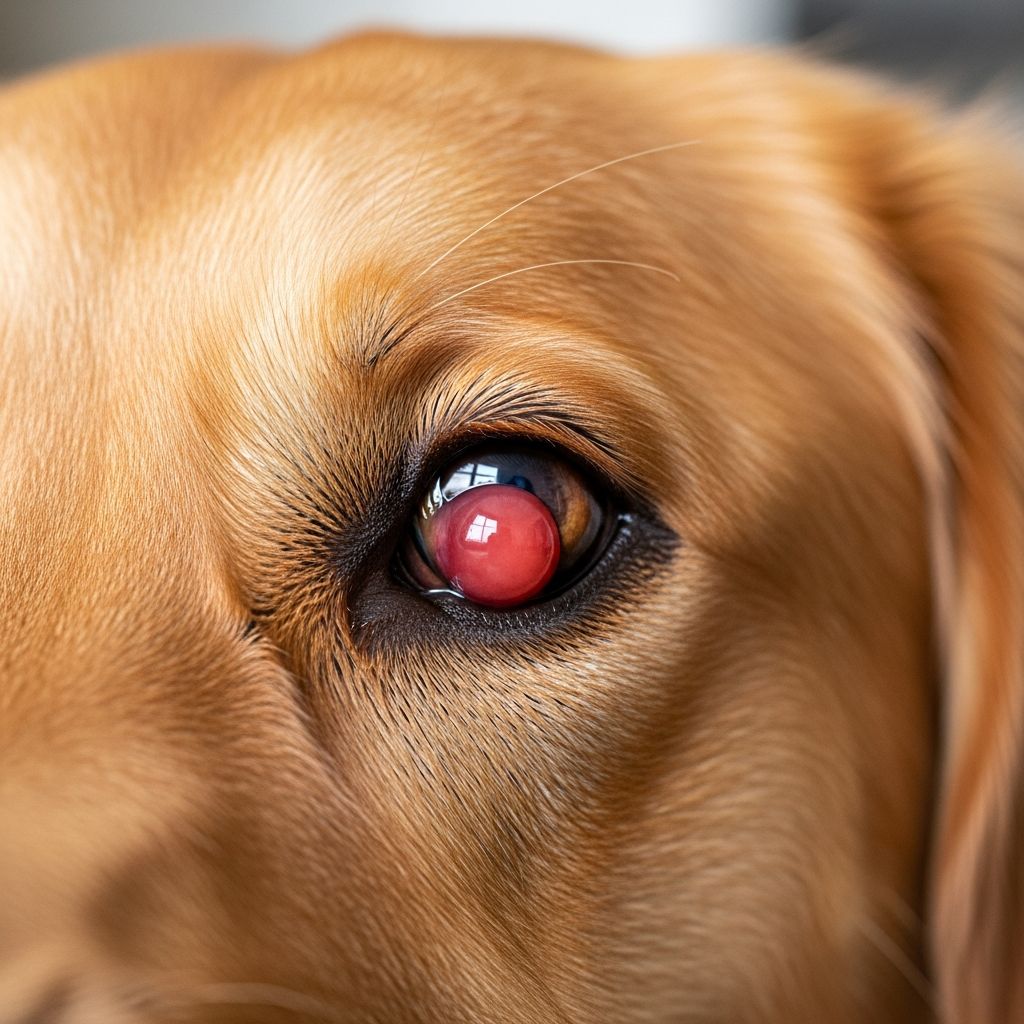
Cherry eye refers to the prolapse of the third eyelid gland in dogs, appearing as a red, fleshy mass in the inner corner of the eye. This condition requires timely veterinary intervention to prevent complications like dry eye and vision impairment.
Understanding the Anatomy Behind Cherry Eye
Dogs possess a third eyelid, also known as the nictitating membrane, located in the lower inner corner of each eye. This structure includes a tear-producing gland responsible for about 30-50% of the eye’s tear film, essential for lubrication and protection against dryness.
The gland is typically held in place by fibrous connective tissue. When this attachment weakens or tears, the gland slips forward, becoming visible and inflamed. This prolapse disrupts normal function, leading to exposure and potential damage.
Primary Factors Leading to Gland Prolapse
The precise trigger for cherry eye remains unclear, but several contributors heighten susceptibility. Genetic predisposition tops the list, with certain breeds showing weaker connective tissues around the gland.
- Young age: Most cases emerge in puppies under one year, as tissues are still developing.
- Trauma or injury: Physical impact to the eye area can stretch or break the supporting ligament.
- Inflammation: Pre-existing eye irritation may swell the gland, forcing it out of position.
Breed genetics play a dominant role, making some dogs far more vulnerable than others.
Breeds Most Susceptible to This Condition
Certain dog breeds face elevated risks due to inherited traits like loose facial structures or brachycephalic features. English Bulldogs, French Bulldogs, and American Bulldogs top the list, followed by Cocker Spaniels, Beagles, Shih Tzus, Lhasa Apsos, Boston Terriers, Pugs, and Bloodhounds.
Brachycephalic breeds with flat faces often experience anatomical challenges that predispose them to glandular issues. While rare, cats like Burmese and Persians can also develop similar prolapses.
| Breed Group | Examples | Risk Level |
|---|---|---|
| Brachycephalic | English Bulldog, French Bulldog, Pug, Boston Terrier | High |
| Spaniels & Hounds | Cocker Spaniel, Beagle, Bloodhound | Moderate to High |
| Companion Breeds | Shih Tzu, Lhasa Apso | Moderate |
Owners of these breeds should monitor eyes closely, especially during puppyhood.
Recognizing the Signs of Cherry Eye
The hallmark symptom is a pinkish-red, swollen protrusion at the medial canthus (inner eye corner), resembling a cherry—hence the name. It may fluctuate in size or intermittently retract.
- Eye redness and irritation
- Excessive tearing or discharge
- Pawing or rubbing at the eye
- Blinking or squinting
Though not immediately painful, persistent rubbing worsens inflammation, potentially causing corneal ulcers or secondary infections.
Health Risks if Left Untreated
Untreated cherry eye compromises the gland’s tear production capacity. Over time, reduced lubrication leads to keratoconjunctivitis sicca (KCS), or dry eye, affecting up to 50% of tear volume.
Dry eye symptoms include thick mucus discharge, persistent redness, and corneal damage. Chronic cases risk ulcers, infections, scarring, and vision loss. The prolapsed gland itself suffers from poor circulation, becoming fibrotic and non-functional.
Early detection averts these irreversible outcomes, emphasizing prompt care.
Diagnostic Process in Veterinary Clinics
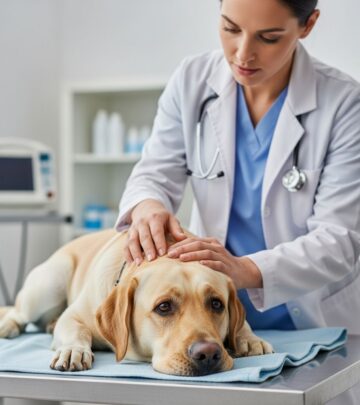
Vets diagnose cherry eye through visual inspection and eye exams. Fluorescein staining checks for ulcers, while tear production tests (Schirmer tear test) assess gland function.
They rule out infections, allergies, or tumors mimicking the condition. Referral to a veterinary ophthalmologist occurs for complex cases.
Non-Surgical Management Options
Temporary relief involves manual repositioning, anti-inflammatory drops (e.g., dexamethasone), and lubricants like artificial tears.
These reduce swelling but rarely provide lasting fixes, as the gland often re-prolapses. Gland removal, once common, is now avoided due to high dry eye risk.
Surgical Solutions for Lasting Relief
Surgery offers the definitive cure, repositioning the gland into its socket via imbrication (suturing into a pocket) or pocket techniques.
Performed under anesthesia, the procedure tucks the gland securely, using absorbable sutures. Success rates exceed 90% in young dogs, though older, chronic cases may recur, needing revisions.
Post-op care includes e-collars, antibiotics (e.g., Terramycin), anti-inflammatories, and lubricants to prevent self-trauma.
Recovery Timeline and Home Care Tips
Most dogs recover within 2-4 weeks, with suture removal at 10-14 days. Monitor for swelling, discharge, or re-prolapse.
- Prevent rubbing with cones or crates
- Administer meds as prescribed
- Avoid dusty environments
- Attend follow-ups for tear tests
Lifelong dry eye monitoring is advised, even post-surgery.
Preventive Measures for At-Risk Dogs
While genetics can’t be altered, early spaying/neutering may reduce hormonal influences on tissues. Regular eye exams during puppy visits catch issues early.
Maintain hygiene, avoid trauma, and watch breeds closely. No vaccines exist, but breeding against predisposition helps future generations.
Cost Considerations and Insurance Insights
Surgery costs $500-$2,000 per eye, varying by location and specialist involvement. Pet insurance often covers 70-90% if pre-existing conditions are absent.
Frequently Asked Questions (FAQs)
Is cherry eye painful for dogs?
Initially uncomfortable but not acutely painful; complications like ulcers add distress.
Can cherry eye resolve without surgery?
Rarely; medications offer temporary aid, but surgery is standard.
How quickly should I see a vet?
Within days; delays risk dry eye.
Will my dog go blind from cherry eye?
Not directly, but untreated complications can impair vision.
Is cherry eye hereditary?
Yes, strongly linked to breed genetics.
Long-Term Outlook After Treatment
With surgery, most dogs enjoy normal eye health. Annual checks ensure tear production stability. Owners report high satisfaction post-correction.
References
- Cherry Eye in Dogs: Causes and Treatment — Chewy. 2023. https://www.chewy.com/education/dog/health-and-wellness/cherry-eye-in-dogs
- Cherry Eye in Dogs: What It Is, Causes & Treatment — Hill’s Pet. 2024. https://www.hillspet.com/dog-care/healthcare/cherry-eye-in-dogs
- Cherry Eye in Dogs — VCA Animal Hospitals. 2024. https://vcahospitals.com/know-your-pet/cherry-eye-in-dogs
- Understanding Cherry Eye In Pets: Causes, Symptoms, And Treatment — Village Oaks Veterinary Clinic. 2023. https://www.vovcbham.com/blog/understanding-cherry-eye-in-pets-causes-symptoms-and-treatment/
- Cherry Eye in Dogs: What Does It Look Like, and Why Does It Happen? — PetMD. 2024. https://www.petmd.com/dog/conditions/eyes/cherry-eye-in-dogs
Similar Articles



Read full bio of Sneha Tete