

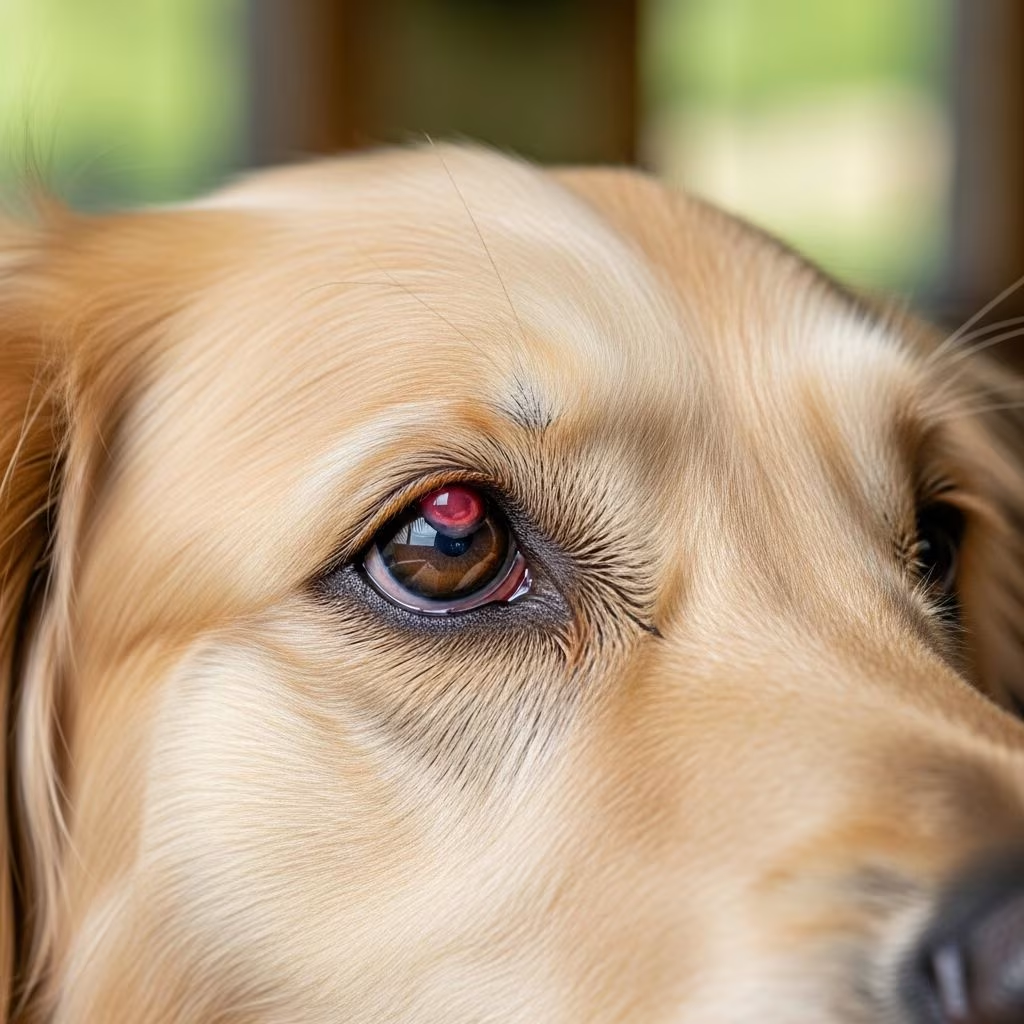
Cherry Eye in Dogs: Understanding This Common Eye Condition
Cherry eye is a condition that affects many dog owners and their beloved pets. If you’ve noticed a red, swollen mass at the corner of your dog’s eye, you may be looking at a case of cherry eye. This condition, while treatable, requires prompt attention from a veterinary professional to prevent serious complications. Understanding what cherry eye is, what causes it, and how to treat it is essential for every responsible dog owner.
Cherry eye occurs when the gland of the dog’s third eyelid becomes displaced and protrudes from its normal position. The third eyelid, also known as the nictitating membrane, contains a tear-producing gland that is crucial for maintaining eye health. When this gland prolapses, it creates the characteristic appearance that gives the condition its name—a bright red or pink mass resembling a small cherry at the corner of the eye.
What Is Cherry Eye?
The third eyelid in dogs serves an important protective function. Unlike humans who have two eyelids, dogs have a third eyelid located in the inner corner of the eye. This membrane contains a gland that produces a significant portion of the tear film necessary for eye lubrication and protection. When the tissue supporting this gland weakens, the gland can slip out of place, resulting in what veterinarians call a prolapsed gland or nictitating membrane gland prolapse.
The condition earned its popular name because the prolapsed gland appears as a red or pink, swollen mass that resembles a cherry. This appearance can be quite alarming to pet owners who encounter it for the first time. The gland may appear suddenly or may come and go intermittently before becoming permanently displaced.
While cherry eye might look uncomfortable or painful, the condition itself is not typically painful in its early stages. However, if left untreated, it can lead to significant complications including eye irritation, discharge, and more serious conditions like dry eye syndrome.
Causes of Cherry Eye in Dogs
Understanding the causes of cherry eye is important for dog owners, particularly those with breeds at higher risk for the condition. The etiology of cherry eye is multifactorial, involving genetic predisposition, age, and environmental factors.
Genetic Predisposition
Genetics play a substantial role in cherry eye development. Certain dog breeds are predisposed to this condition due to inherited weaknesses in the connective tissues that support the third eyelid gland. Brachycephalic breeds, characterized by shortened muzzles and flat faces, appear particularly susceptible due to their unique facial structures.
Breeds commonly affected include:
- English and American Cocker Spaniels
- English and French Bulldogs
- Pugs
- Beagles
- Boston Terriers
- Shar Peis
- Lhasa Apsos
- Rottweilers
A comprehensive 2022 study examining over 900,000 dogs found that purebred and brachycephalic dogs had significantly higher odds of developing cherry eye compared to mixed breed dogs, confirming the strong hereditary component of the condition.
Age as a Contributing Factor
Age is another critical factor in cherry eye development. The condition most commonly affects puppies and young dogs under two years of age. This prevalence in younger dogs is attributed to incomplete development of connective tissues during their growth phase. As puppies mature, their ligaments and supporting tissues are still strengthening, making them more vulnerable to gland displacement.
While cherry eye primarily affects young dogs, it can still occur in older dogs, particularly if the tear gland experiences strain or injury. The 2022 study noted that dogs predisposed to cherry eye were typically diagnosed before one year of age, highlighting the juvenile onset of this condition.
Trauma and Eye Injury
Trauma or excessive strain on the eye can weaken the ligaments holding the nictitating membrane in place. Activities including rough play, accidents, fights with other animals, and excessive scratching can contribute to cherry eye development. The mechanical stress placed on the eye during these activities can compromise the integrity of the supporting tissues.
Inflammation and Eye Infections
Conditions causing inflammation in or around the eye can put stress on the gland and its supporting tissues. Conjunctivitis, corneal ulcers, and other ocular infections can cause swelling and inflammation, increasing the risk of gland prolapse. When the eye is inflamed, the surrounding tissues become engorged and weakened, making displacement more likely.
Allergies
Allergic reactions from food and environmental allergens can lead to excessive eye rubbing or scratching. Younger dogs frequently experience allergies as they adapt to new environments. Over time, repeated rubbing and scratching can strain the connective tissues holding the third eyelid gland in place, ultimately leading to prolapse.
Symptoms and Signs of Cherry Eye
Recognizing the symptoms of cherry eye is crucial for early intervention and treatment. The condition presents with several characteristic signs that pet owners should be aware of.
The Visible Red Mass
The most obvious sign of cherry eye is the appearance of a red, swollen mass at the inner corner of the affected eye. This mass is the prolapsed gland of the third eyelid. The appearance can vary from a small bump to a more prominent protrusion, depending on the severity of the prolapse. The color may range from bright red to pink, and the gland may appear wet or glossy.
Excessive Tearing and Discharge
Dogs with cherry eye often experience excessive tearing and ocular discharge. This occurs because the third eyelid gland doesn’t function properly when displaced. The production of tears may be compromised, or conversely, there may be excessive tear production as the eye attempts to compensate for irritation. In some cases, a mucoid or mucopurulent discharge may be present, especially if secondary infection develops.
Eye Swelling and Inflammation
The affected eye may appear noticeably swollen, with the surrounding tissue appearing red or inflamed. In severe cases, additional swelling can make the eye appear more prominent than normal. This inflammation can extend to the surrounding eyelids and orbital tissues.
Behavioral Changes
Due to persistent discomfort and sensitivity, dogs with cherry eye may exhibit behavioral changes. These can include increased seclusion, avoidance of bright light, vocalization, and visible signs of distress. Some dogs may paw at the affected eye or rub it against furniture, further exacerbating the condition.
Photophobia
Many dogs with cherry eye develop photophobia, or sensitivity to light. This can cause them to avoid bright areas or keep the affected eye partially closed when exposed to sunlight.
Diagnosis of Cherry Eye
Diagnosing cherry eye is typically straightforward based on clinical presentation. A veterinarian will perform a thorough eye examination, evaluating the prolapsed gland and assessing the overall health of the eye. Diagnostic tests may include tear production testing to evaluate lacrimal function and ensure the gland is producing adequate tears. Ophthalmic examination helps determine whether secondary complications such as conjunctivitis or corneal involvement have developed.
Why Treatment Is Essential
The third eyelid gland produces approximately 30 to 50 percent of the watery portion of the tear film, making it critically important for ocular health. An untreated prolapsed gland can become permanently damaged over time, leading to severe complications. The most significant complication is the development of dry eye syndrome, also known as keratoconjunctivitis sicca or KCS.
Dry eye is a chronic condition requiring lifelong management with daily medications and frequent veterinary monitoring. Without adequate tear production, dogs develop corneal ulcers, scarring, and potentially permanent vision impairment. This is why prompt and appropriate treatment of cherry eye is essential.
How Is Cherry Eye Treated?
The primary goal of treatment is to restore the tear gland to its proper position while preserving its function and tear-producing ability.
Surgical Treatment
Surgery is the definitive and most reliable treatment for cherry eye. The procedure involves repositioning the prolapsed gland rather than removing it. The surgical technique typically involves creating a small pocket within the eyelid to accommodate the gland. The displaced gland is gently repositioned into this pocket, and sutures are carefully placed to hold it securely in its normal position.
This approach is vital because it preserves the gland’s function and prevents the development of dry eye. Your veterinarian may perform the procedure, or they may refer you to a veterinary ophthalmologist, depending on case complexity and their experience level.
Historically, treatment involved surgical removal of the third eyelid gland entirely. However, this approach is no longer recommended because dogs that lose this gland are at extremely high risk of developing chronic dry eye, a serious condition that can lead to blindness.
Non-Surgical Management
While medication alone cannot fully correct cherry eye, it can provide temporary relief and comfort. Topical medications may include anti-inflammatory eye drops to reduce swelling and provide comfort. These medications can be used before surgery to manage symptoms and after surgery to support healing and prevent infection.
Post-Surgical Care
Proper post-operative care is essential for successful recovery and preventing recurrence. After surgery, veterinarians typically prescribe anti-inflammatory or antibiotic eye drops to reduce swelling and prevent secondary infection. An Elizabethan collar is often recommended to prevent the dog from touching or rubbing the surgical site, which could cause damage and compromise healing.
Dogs require adequate rest during the recovery period, typically 10 to 14 days. A calm, quiet environment away from other pets and excessive activity promotes proper healing. Pain management medication may be prescribed if necessary. Follow-up veterinary examinations ensure proper healing and allow early identification of any complications.
Cherry Eye Won’t Resolve Without Treatment
It’s important to understand that cherry eye does not go away on its own. While the gland may pop out and go back in intermittently in the early stages, the condition typically becomes permanent over time. Delaying treatment puts your dog at increasing risk for complications, particularly the development of dry eye syndrome.
The longer the gland remains prolapsed, the greater the risk of atrophy and permanent functional damage. This underscores the importance of seeking veterinary attention promptly when cherry eye is suspected.
Prevention Strategies
While genetic predisposition cannot be prevented, certain measures may help reduce the risk of cherry eye development or recurrence:
- Monitor dogs prone to allergies closely and treat allergic reactions promptly to prevent excessive eye rubbing
- Supervise play activities to prevent eye trauma
- Maintain regular veterinary check-ups, particularly in young puppies of predisposed breeds
- Keep the eye area clean and watch for any signs of infection or inflammation
- Ensure proper environmental conditions to minimize allergen exposure
Prognosis and Long-Term Outcomes
Cherry eye is highly treatable when managed appropriately. With surgical intervention, the prognosis is generally excellent. Most dogs recover well from surgery with proper post-operative care. The gland typically returns to normal function, and tear production is maintained at healthy levels.
In some cases, the condition may recur in the same eye or develop in the other eye. If recurrence occurs, repeat surgery may be necessary. However, each surgical intervention carries a similar high success rate.
Frequently Asked Questions About Cherry Eye in Dogs
Q: Is cherry eye in dogs painful?
A: Cherry eye is not typically painful in its early stages, but it causes discomfort and irritation. If left untreated, complications like conjunctivitis or secondary infections can develop, causing pain and requiring more extensive treatment.
Q: Can cherry eye be treated without surgery?
A: No, surgery is the definitive treatment for cherry eye. While medications can provide temporary relief, they cannot correct the underlying prolapse. The gland must be surgically repositioned to restore proper eye function and prevent complications.
Q: How long does recovery take after cherry eye surgery?
A: Recovery typically takes 10 to 14 days. During this period, dogs require restricted activity, use of an Elizabethan collar, and prescribed eye medications. Most dogs can resume normal activities after the sutures are removed and the incision has fully healed.
Q: What is the cost of cherry eye surgery?
A: The cost varies depending on your geographic location, the veterinarian performing the procedure, and whether a veterinary ophthalmologist is needed. Generally, surgery ranges from $500 to $1,500 per eye, though costs may vary significantly.
Q: Can cherry eye affect both eyes?
A: Yes, cherry eye can affect one or both eyes. If both eyes are affected, they may be surgically treated during the same procedure or at separate appointments, depending on your veterinarian’s recommendation.
Q: Will my dog develop dry eye after cherry eye surgery?
A: When the gland is properly repositioned and preserved through surgery, the risk of dry eye is minimal. Dry eye is primarily a concern if the gland is removed, which is why modern treatment focuses on gland preservation rather than removal.
Q: What breeds are most susceptible to cherry eye?
A: Brachycephalic breeds and certain purebred dogs are most susceptible, including English Bulldogs, French Bulldogs, Pugs, Beagles, Shar Peis, and Boston Terriers. However, any breed can develop this condition.
Q: At what age does cherry eye typically develop?
A: Cherry eye most commonly develops in dogs under two years of age, with many cases presenting before one year of age. While less common in older dogs, it can still occur with age-related tissue weakening or eye trauma.
Conclusion
Cherry eye is a treatable condition that requires prompt veterinary attention. Understanding the causes, recognizing the symptoms, and seeking appropriate surgical treatment ensures the best outcome for your dog’s ocular health and vision. Early intervention prevents serious complications and preserves the important tear-producing function of the third eyelid gland. If you notice any signs of cherry eye in your dog, contact your veterinarian immediately to discuss treatment options and schedule an examination. With proper care and surgical intervention, most dogs with cherry eye return to normal eye health and comfortable vision.
References
- Cherry Eye in Dogs: Causes, Symptoms, and Treatment — Noble Vet Clinic. 2025. https://noblevetclinic.com/blog/cherry-eye-in-dogs-causes-symptoms-and-treatment
- Cherry Eye in Dogs — Cornell University College of Veterinary Medicine, Riney Canine Health Center. 2025. https://www.vet.cornell.edu/departments-centers-and-institutes/riney-canine-health-center/canine-health-topics/cherry-eye-dogs
- Cherry Eye in Dogs — VCA Animal Hospitals. 2025. https://vcahospitals.com/know-your-pet/cherry-eye-in-dogs
- Cherry Eye in Dogs: What Does It Look Like, and Why Does It Happen? — PetMD. 2025. https://www.petmd.com/dog/conditions/eyes/cherry-eye-in-dogs
- Cherry Eye in Dogs: Signs, Symptoms, and Treatments — American Kennel Club. 2022. https://www.akc.org/expert-advice/health/cherry-eye-in-dogs/
- Cherry Eye in Dogs — Small Door Veterinary. 2025. https://www.smalldoorvet.com/learning-center/medical/cherry-eye-in-dogs
- Cherry Eye in Dogs: What It Is, Causes & Treatment — Hill’s Pet Nutrition. 2025. https://www.hillspet.com/dog-care/healthcare/cherry-eye-in-dogs



