

Cherry Eye in Dogs: A Complete Guide to Causes, Symptoms, and Treatment
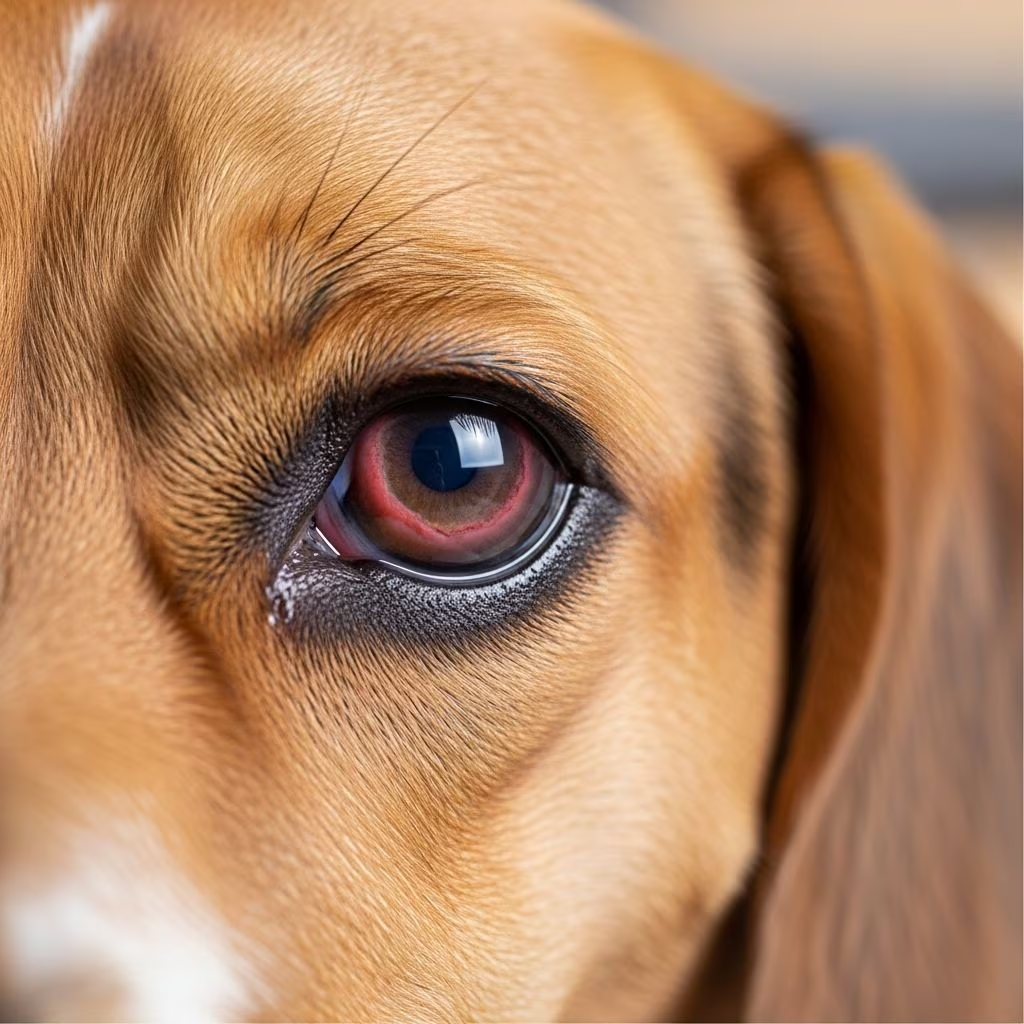
Cherry eye is a common eye condition that affects dogs, particularly certain breeds. If you’ve noticed a red, swollen mass appearing at the corner of your dog’s eye, you may be looking at cherry eye. This condition occurs when the tear gland associated with the third eyelid becomes displaced or prolapses from its normal position. While the appearance can be alarming to pet owners, understanding what cherry eye is and how to address it can help you make informed decisions about your dog’s eye health.
The good news is that cherry eye is a highly treatable condition when caught early. However, leaving it untreated can lead to serious complications, including dry eye and potentially vision impairment. This comprehensive guide will help you understand everything you need to know about cherry eye in dogs, from its causes to treatment options and prevention strategies.
What Is Cherry Eye in Dogs?
Cherry eye refers to the prolapse of the third eyelid gland, a condition where the tear gland that normally remains hidden behind the lower eyelid becomes displaced and protrudes from its normal location. The third eyelid, also known as the nictitating membrane or nictitans, is a protective membrane that all dogs possess at the inner corner of their eye. It functions like a windshield wiper, helping keep the cornea moist and free of debris.
When you observe cherry eye in a dog, you’ll see a red, swollen mass appearing near the inner corner of the lower eyelid, close to the nose or muzzle. The appearance resembles a cherry, which is how the condition got its descriptive name. This mass may be large and can cover a significant portion of the eye’s surface. The prolapsed gland typically appears as a bright red or pink lump that is clearly visible and distinguishable from the surrounding eye tissues.
It’s important to understand that the third eyelid gland plays a crucial role in tear production. This gland is responsible for producing approximately 30 to 50 percent of a dog’s tears, making it vital for maintaining proper eye moisture and health. When the gland prolapses, it can become inflamed and swollen, making it difficult for the gland to function properly.
Causes of Cherry Eye in Dogs
The exact cause of cherry eye is not completely understood, but veterinary research indicates that the condition results from a combination of genetic, anatomical, and environmental factors. The primary mechanism involves weak connective tissue or fibrous attachments that normally anchor the third eyelid gland to the lower inner rim of the eye.
Genetic and Breed Predisposition
Genetics play a significant role in cherry eye development, with certain dog breeds showing a much higher predisposition to the condition. A 2022 study examining more than 900,000 dogs found that purebred and brachycephalic (flat-faced) dogs had significantly higher odds of developing cherry eye compared to mixed breed dogs and those with medium-sized skulls.
The breeds most commonly affected include:
- Cocker Spaniels
- English Bulldogs
- French Bulldogs
- Boston Terriers
- Beagles
- Bloodhounds
- Lhasa Apsos
- Shih Tzus
- Pugs
- Great Danes
Brachycephalic breeds, characterized by their flat faces and shortened muzzles, appear particularly susceptible to this condition. Additionally, Burmese and Persian cats can also develop cherry eye, though it’s far more common in dogs.
Age as a Contributing Factor
Age is another important factor in cherry eye development. The condition most commonly appears in dogs under 2 years of age, with the highest incidence occurring in puppies and young dogs under 1 year old. A 2022 study found that dogs predisposed to cherry eye were typically young at diagnosis, frequently diagnosed before reaching one year of age.
In some cases, allergies may contribute to gland swelling. Younger dogs tend to experience more allergies as they adjust to their new environments, and if the gland is swollen from allergic reactions, it’s more likely to remain swollen and prolapse.
Anatomical Factors
In large-breed dogs such as Great Danes, cherry eye can result from scrolled cartilage, an anatomical abnormality that causes the cartilage supporting the third eyelid to become bent or curved rather than remaining straight. This structural abnormality makes the tissue more susceptible to prolapse.
The weakness in connective tissue that anchors the gland can be present from birth or develop over time due to the dog’s particular anatomy and genetic makeup. This is why the condition is often considered hereditary.
Symptoms of Cherry Eye in Dogs
The most obvious symptom of cherry eye is a visible red or pink swollen mass at the inner corner of the dog’s eye. However, several other signs may accompany this primary symptom:
- Red, swollen protrusion: A clearly visible lump near the inner corner of the lower eyelid
- Mucus discharge: Thick mucus discharge from the affected eye, indicating potential tear production insufficiency or infection
- Eye irritation: Signs of discomfort, though cherry eye itself is typically not painful
- Scratching or pawing: Your dog may scratch at the affected eye or rub their face, potentially causing corneal scratches
- Swelling that comes and goes: The gland may pop out and recede intermittently at first, though the condition usually becomes permanent over time
Dogs with cherry eye may produce thick mucus discharge if the tear gland cannot produce sufficient tears to keep the eye adequately moist or if an infection develops secondary to the condition. If you notice any of these symptoms, it’s essential to contact your veterinarian promptly, as other conditions such as foreign bodies, eye infections, or trauma can cause similar symptoms.
Diagnosis of Cherry Eye in Dogs
Veterinarians typically diagnose cherry eye through visual examination of the affected eye. The distinctive appearance of the prolapsed gland usually makes diagnosis straightforward. However, your veterinarian may perform additional diagnostic tests to assess the extent of the condition and rule out complications.
Common diagnostic procedures include:
- Schirmer’s test: A simple, non-invasive test that measures tear production to ensure your pet doesn’t have dry eye or other tear production deficiencies
- Fluorescein staining: A test to check the surface of your dog’s eye for corneal scratches that may have resulted from the dog scratching their itchy eyes
- Visual examination: Direct observation of the prolapsed gland and surrounding eye structures
Early diagnosis is particularly important because the longer the gland remains prolapsed, the more inflamed and enlarged it can become, which can affect surgical outcomes.
Treatment Options for Cherry Eye
Surgical Treatment
Surgery to replace the prolapsed tear gland is the best and most effective treatment for cherry eye in dogs. Treatment should be initiated as soon as possible to minimize permanent damage to the eye or third eyelid gland and to achieve the best surgical outcomes.
Your primary veterinarian or a veterinary ophthalmologist can perform the surgery, which uses either strong sutures or a tissue pocket to hold the gland securely in place. Modern surgical techniques focus on repositioning the gland rather than removing it entirely. This is important because historically, some veterinarians removed the prolapsed gland, which was later shown to significantly increase the risk of developing dry eye and potentially causing blindness.
The surgical approach typically involves:
- Careful replacement of the gland to its normal position
- Securing the gland with sutures or creating a tissue pocket to prevent future prolapse
- Minimizing trauma to the gland tissue to preserve its function
Success rates for cherry eye surgery are highest when the procedure is performed shortly after the initial prolapse, as the gland has not yet had the opportunity to become severely inflamed and enlarged. Most glands remain in place after surgical replacement, though surgery doesn’t guarantee 100 percent success. In some cases, a second revision surgery may be needed if the gland prolapses again.
Non-Surgical Management
In some cases, your veterinarian may initially attempt non-surgical management. This approach may include:
- Careful massage of the affected eye to reposition the prolapsed gland
- A course of anti-inflammatory medications and steroids to reduce swelling
- Eye drops or ointments to reduce inflammation and support tear production
Occasionally, the gland may correct itself on its own or after a course of medication and steroids, particularly if the prolapse is caused by temporary swelling from allergies. However, in most cases, surgery will be necessary to permanently resolve the condition.
Why Immediate Treatment Is Critical
Understanding the importance of prompt treatment cannot be overstated. An untreated prolapsed gland can become damaged over time, leading to a serious condition called dry eye, or keratoconjunctivitis sicca (KCS). Since the third eyelid gland produces a significant portion of a dog’s tear film, its prolonged dysfunction can severely compromise tear production.
Dry eye can lead to serious complications, including:
- Corneal ulcers
- Eye infections
- Corneal scarring
- Vision impairment or blindness
- Chronic discomfort and pain
This is why early surgical intervention is so important—it preserves the gland’s function and protects your dog’s long-term vision and eye health.
Recovery and Long-Term Management
Following surgical treatment for cherry eye, your dog will require a short recovery period. During this time, it’s important to follow your veterinarian’s post-operative instructions carefully, including:
- Limiting your dog’s activity to allow proper healing
- Administering prescribed medications as directed
- Preventing your dog from scratching or rubbing the surgical site
- Attending follow-up appointments to monitor healing progress
Even after successful surgical treatment, dogs that have had prolapsed third eyelid glands should be monitored for the rest of their lives for dry eye, which can develop many years after treatment. Your veterinarian may recommend periodic Schirmer’s tests and eye examinations to ensure continued healthy tear production and eye function.
Can Cherry Eye Be Prevented?
Since cherry eye is not an infectious disease, there is no vaccine available to prevent it. The condition cannot be prevented in genetically predisposed dogs. However, if your dog is a breed with a higher risk for cherry eye, being aware of the condition and monitoring your dog’s eyes for any signs of prolapse can help ensure early detection and prompt treatment.
If you own a predisposed breed, regular eye examinations during veterinary visits can help catch the condition early if it does develop.
Will Cherry Eye Go Away on Its Own?
Cherry eye will not go away without surgical intervention in the vast majority of cases. While the gland may pop out and recede intermittently at first, the condition usually becomes permanent over time. The swelling may come and go, but can be dangerous if left untreated. Delaying treatment puts your dog at risk for serious complications such as dry eye and potentially permanent vision loss.
Frequently Asked Questions About Cherry Eye in Dogs
Q: Is cherry eye painful for dogs?
A: While not typically considered acutely painful, cherry eye can cause discomfort and irritation. Your dog may experience itching or mild discomfort that prompts them to scratch or rub at the eye, which can potentially cause additional injury.
Q: What is the success rate of cherry eye surgery?
A: Most glands remain in place after surgical replacement. Success rates are highest when surgery is performed soon after the initial prolapse. However, in some cases, a second revision surgery may be needed. Early surgical intervention provides the best prognosis.
Q: Can cherry eye affect both eyes?
A: While cherry eye typically affects one eye initially, dogs predisposed to the condition can develop it in the other eye as well. If your dog develops cherry eye in one eye, monitor the other eye carefully for any signs of prolapse.
Q: How much does cherry eye surgery cost?
A: The cost of cherry eye surgery varies depending on your location, your veterinarian’s experience, and whether you see a general veterinarian or a specialist. Discuss costs with your veterinarian to understand your options.
Q: What happens if I don’t treat cherry eye?
A: Untreated cherry eye can lead to serious complications including dry eye, corneal ulcers, infections, vision impairment, and potentially blindness. Early treatment is essential to prevent these complications.
Conclusion
Cherry eye is a common but treatable condition that primarily affects certain dog breeds, particularly young dogs and brachycephalic breeds. While the appearance can be concerning to pet owners, understanding what cherry eye is and recognizing the importance of prompt surgical treatment can help ensure the best outcome for your dog’s eye health and long-term vision. If you notice a red, swollen mass at the inner corner of your dog’s eye, contact your veterinarian immediately to discuss treatment options and protect your dog’s sight.
References
- Cherry Eye in Dogs — VCA Animal Hospitals. https://vcahospitals.com/know-your-pet/cherry-eye-in-dogs
- Cherry Eye in Dogs: What Does It Look Like, and Why Does It Happen — PetMD. https://www.petmd.com/dog/conditions/eyes/cherry-eye-in-dogs
- Cherry Eye in Dogs: Causes, Symptoms & Treatment — Pawlicy Advisor. https://www.pawlicy.com/blog/cherry-eye-in-dogs/
- Understanding Cherry Eye In Pets: Causes, Symptoms, And Treatment — Virginia Veterinary Medical Association. https://vovcbham.com/blog/understanding-cherry-eye-in-pets-causes-symptoms-and-treatment/
- Cherry Eye in Dogs: Signs, Symptoms, Treatments — American Kennel Club. https://www.akc.org/expert-advice/health/cherry-eye-in-dogs/
- Cherry Eye in Dogs — Blue Cross. https://www.bluecross.org.uk/advice/dog/health-and-injuries/cherry-eye-in-dogs
- Cherry Eye in Dogs: What It Is, Causes & Treatment — Hill’s Pet. https://www.hillspet.com/dog-care/healthcare/cherry-eye-in-dogs
- Cherry Eye in Dogs — Small Door Veterinary. https://www.smalldoorvet.com/learning-center/medical/cherry-eye-in-dogs



