

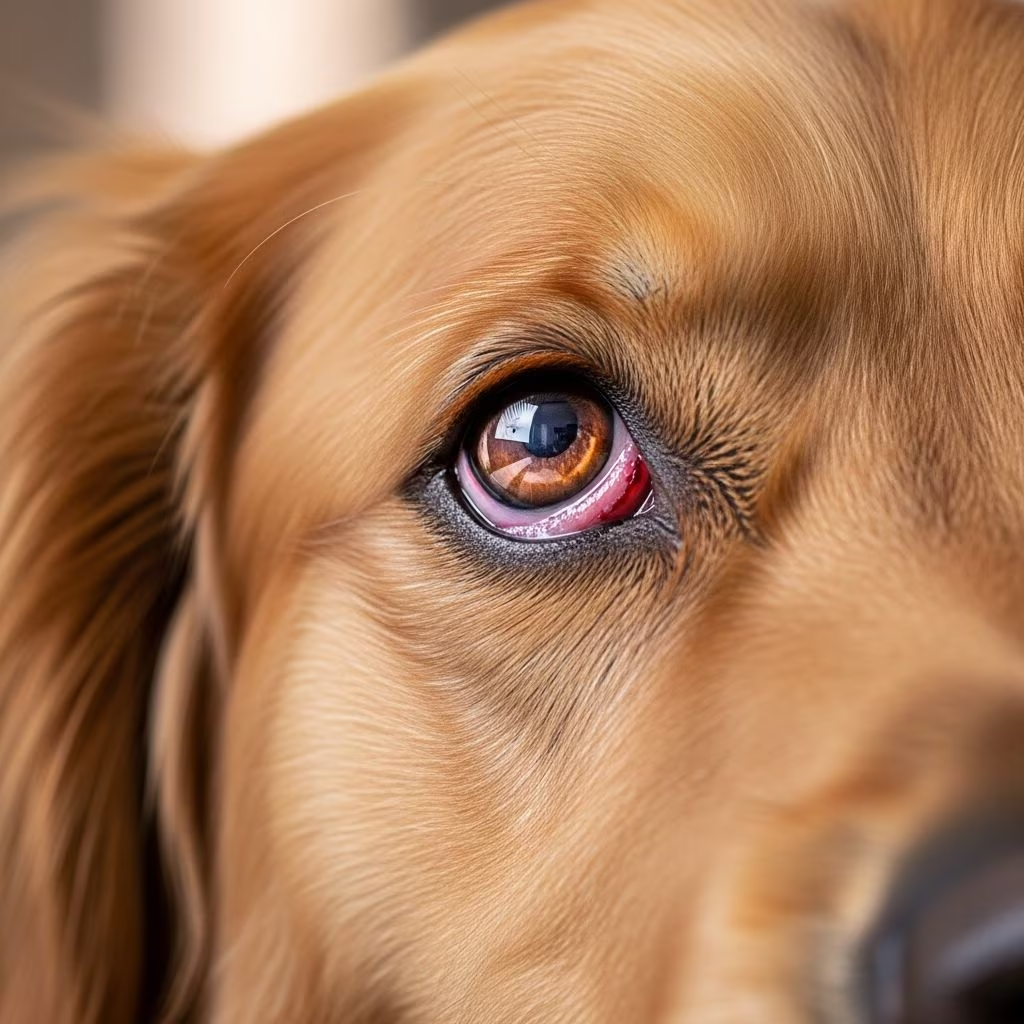
Cherry eye in dogs is a noticeable condition where the tear-producing gland from the dog’s third eyelid prolapses, creating a pink or red mass in the corner of the eye. While not immediately painful or vision-threatening, untreated cherry eye can lead to serious complications like dry eye syndrome (keratoconjunctivitis sicca or KCS), which impairs tear production and risks corneal damage or blindness. This article explores what cherry eye is, its symptoms, causes, at-risk breeds, diagnosis, treatment options, recovery process, and prevention strategies to help dog owners respond effectively.
What Is Cherry Eye in Dogs?
Dogs possess a third eyelid, also called the nictitating membrane, located in the inner corner of the eye. This structure includes a vital tear gland that produces up to 50% of the eye’s aqueous tear film, essential for lubrication, protection from debris, and maintaining ocular health. Cherry eye occurs when the fibrous connective tissue anchoring this gland weakens or fails, allowing the gland to slip out of position and protrude as a fleshy, reddish-pink lump—resembling a cherry, hence the name.
The prolapsed gland becomes exposed, swollen, and irritated, disrupting normal tear distribution. Unlike human eyes, a dog’s third eyelid sweeps across the cornea to spread tears evenly. When prolapsed, the gland cannot function properly, leading to inadequate lubrication. Though common in young dogs under two years old, cherry eye can affect any age, and prompt intervention preserves the gland’s function.
Symptoms of Cherry Eye in Dogs
Recognizing cherry eye early enables timely treatment. Key symptoms include:
- Visible red or pink mass: A prominent, fleshy protrusion in the medial canthus (inner eye corner), often smooth and shiny.
- Pawing or rubbing: Dogs frequently paw at the eye or rub it against surfaces due to discomfort.
- Squinting or excessive blinking: Irritation prompts frequent squinting (blepharospasm) or blinking.
- Redness and inflammation: Surrounding sclera (eye white) appears bloodshot; the mass may swell.
- Mucus discharge: Thick, sticky discharge if tear production falters or secondary infection develops.
- Dry eye signs: Chronic cases show corneal dullness, ulceration, or persistent dryness.
These signs can mimic allergies, infections, or foreign bodies, so veterinary confirmation is crucial. A 2022 study of over 900,000 dogs noted most diagnoses occur before age one, emphasizing early detection.
Breeds Prone to Cherry Eye
Genetics significantly influence cherry eye susceptibility. Breeds with weak orbital connective tissue face higher risks. Commonly affected breeds include:
| Breed | Risk Factors |
|---|---|
| Cocker Spaniel | Genetic predisposition; common in both varieties |
| English Bulldog | Brachycephalic (flat-faced); anatomical weaknesses |
| French Bulldog | Brachycephalic structure increases prolapse likelihood |
| Boston Terrier | Short muzzle; hereditary connective tissue issues |
| Shih Tzu | Prominent eyes and weak ligaments |
| Beagle | Hound breed with genetic vulnerability |
| Lhasa Apso | Long-haired breeds with orbital laxity |
| Pug | Brachycephalic; high incidence |
| Bloodhound | Loose facial skin and tissues |
| Great Dane | Large breeds; scrolled cartilage in some cases |
Mixed breeds and non-brachycephalic dogs can develop it, but purebred brachycephalic dogs have elevated odds. Age under two years heightens risk during growth phases.
Causes of Cherry Eye in Dogs
Cherry eye stems from multifactorial causes, primarily:
- Genetic weakness: Underdeveloped or elastic connective tissue fails to secure the gland, especially during excitement or strain.
- Anatomical factors: Brachycephalic skulls or scrolled third eyelid cartilage (e.g., Great Danes) predispose prolapse.
- Inflammation/irritation: Allergies, infections, or irritants weaken attachments via chronic rubbing.
- Trauma: Eye injury can dislodge the gland.
- Developmental issues: Puppies during rapid growth phases.
Though not fully understood, hereditary components dominate, with environmental triggers exacerbating.
Diagnosis of Cherry Eye
Veterinarians diagnose cherry eye via physical exam, noting the characteristic mass. Key steps include:
- Fluorescein staining to rule out ulcers.
- Tear production tests (Schirmer tear test) assessing gland function.
- Inspection for concurrent issues like entropion or allergies.
Early diagnosis prevents gland fibrosis, ensuring better surgical outcomes.
Treatment Options for Cherry Eye in Dogs
Surgical correction is the gold standard, with over 90% success rates when performed promptly. Options include:
- Manual repositioning: Temporary for mild cases; gland pushed back, but recurs often.
- Surgical pocket technique (imbrication): Preferred; creates a tissue pocket to secure gland, preserving function.
- Suturing: Stitches anchor gland; high recurrence if tissue weak.
- Anti-inflammatories: Drops/ointments reduce swelling pre/post-op.
- Artificial tears: Lubricate during recovery.
- Gland removal: Last resort; risks dry eye requiring lifelong meds.
Treat ASAP—the gland produces 30-50% tears; damage leads to KCS.
Recovery After Cherry Eye Surgery
Post-op recovery spans 2-4 weeks:
- E-collar: Prevents rubbing; essential 10-14 days.
- Medications: Antibiotic/steroid drops 1-2 weeks; pain relief as needed.
- Activity restriction: No rough play; short leash walks.
- Follow-ups: Check sutures at 10-14 days; monitor tears.
- Complications: Rare recurrence (5-10%), infection, or dry eye.
Most dogs resume normalcy within a month; maintain eye hygiene lifelong.
Can Cherry Eye Resolve Without Surgery?
Rarely; massage or meds may temporarily reposition in mild puppy cases, but surgery is typically needed to prevent permanence. Delaying risks complications.
Prevention and Home Care
Prevent via:
- Early socialization in at-risk breeds.
- Allergy management to curb inflammation.
- Regular vet eye exams.
- Avoid eye trauma.
No guaranteed prevention due to genetics, but vigilance aids early detection.
Frequently Asked Questions (FAQs)
Is cherry eye in dogs painful?
Moderately uncomfortable but not acutely painful; causes irritation prompting pawing.
Will cherry eye go away on its own?
No, it typically becomes permanent without surgery.
How much does cherry eye surgery cost?
Varies $500-$2,500 USD depending on location, vet expertise; consult locally.
Can cherry eye affect both eyes?
Yes, 5-20% cases bilateral; treat independently.
Is cherry eye hereditary?
Yes, breed predispositions indicate genetic basis; breeders screen.
References
- What is Cherry Eye in Dogs? 6 Symptoms You Should Watch Out For — AZ Vet Direct. 2023. https://azvet.direct/low-cost-pet-surgery-in-mesa-and-the-entire-southeast-valley-of-phoenix/what-is-cherry-eye-in-dogs-6-symptoms-you-should-watch-out-for/
- Cherry Eye in Dogs — VCA Animal Hospitals. 2024-01-15. https://vcahospitals.com/know-your-pet/cherry-eye-in-dogs
- Understanding Cherry Eye In Pets: Causes, Symptoms, And Treatment — Village Oaks Veterinary Center. 2023-05-12. https://vovcbham.com/blog/understanding-cherry-eye-in-pets-causes-symptoms-and-treatment/
- Cherry Eye in Dogs: What Does It Look Like, and Why Does It Happen? — PetMD. 2024-06-20. https://www.petmd.com/dog/conditions/eyes/cherry-eye-in-dogs
- Cherry Eye in Dogs — Blue Cross. 2023. https://www.bluecross.org.uk/advice/dog/health-and-injuries/cherry-eye-in-dogs



