

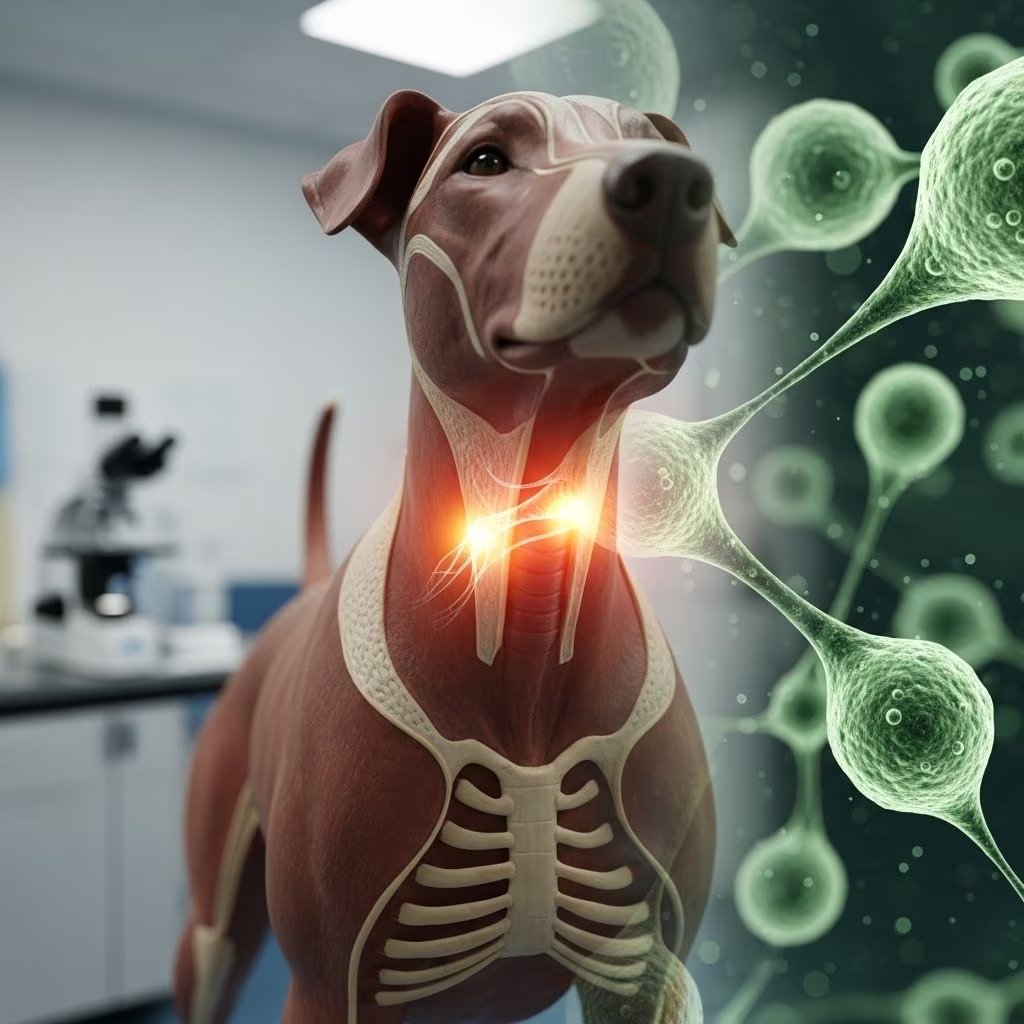
Understanding Chemodectomas: A Guide for Pet Owners
Chemodectomas are rare neuroendocrine tumors that develop in specific locations within your pet’s body, most commonly along the carotid arteries or the aorta. These tumors may be discovered during a routine wellness examination or when your pet begins showing clinical signs associated with their presence. Understanding this condition is crucial for pet owners, as early detection and appropriate treatment can significantly impact your pet’s quality of life and survival rates.
What Is a Chemodectoma?
A chemodectoma is a tumor that arises from chemoreceptor cells, specialized sensory cells that monitor oxygen, carbon dioxide, and pH levels in the bloodstream. These tumors are most frequently found along one of the carotid arteries—the two major blood vessels located on each side of the trachea in the neck—or along the aorta, which is the large blood vessel responsible for carrying oxygenated blood from the heart to the body.
The tumors develop from the tunica adventitia, the outer layer of these blood vessels, and are classified as non-chromaffin neuroendocrine tumors. While chemodectomas are relatively uncommon in companion animals, they represent one of the most frequent cardiac tumors when they do occur, particularly in dogs.
Breed and Species Predisposition
Certain dog breeds show a marked predisposition to developing chemodectomas. Brachycephalic breeds—those with flat faces, shortened muzzles, and compromised airways—are particularly susceptible. This includes Boston Terriers, English Bulldogs, and Boxers. The theory behind this breed predisposition relates to the chronic hypoxia these breeds experience due to their facial and airway structure. Because their bodies constantly work to maintain adequate oxygen levels, the chemoreceptors become overworked, potentially leading to neoplastic transformation and tumor development.
Male dogs tend to be more predisposed to aortic body tumors specifically. Interestingly, neutered females have been shown to have more than four times the risk of developing chemodectomas compared to intact females, suggesting a potential hormonal component to tumor development. The mean age of diagnosis is approximately 10.3 years, indicating that this is primarily a disease of middle-aged to older dogs.
Clinical Signs and Symptoms
Many pets with chemodectomas may not display any symptoms initially, which is why these tumors are often discovered incidentally during wellness examinations. However, as the tumor grows and potentially affects surrounding tissues or cardiac function, various clinical signs may emerge:
– Increased breathing rate and effort (dyspnea or labored breathing)
– Swelling or visible mass in the neck region
– Ascites (fluid accumulation in the abdomen)
– Weight loss
– Inappetence or decreased appetite
– Lethargy and decreased activity levels
– Collapse or episodes of weakness
– Arrhythmias (irregular heartbeat)
– Signs of congestive heart failure
The presence and severity of these signs depend on the tumor’s size, location, and whether it has affected surrounding structures or the pericardium—the sac surrounding the heart.
Diagnostic Procedures
Your veterinarian plays a crucial role in identifying chemodectomas through a combination of clinical observation and diagnostic imaging. During a wellness examination, your veterinarian may notice signs such as increased respiratory rate and effort or swelling in the neck region, which may prompt further investigation.
Imaging Studies
Initial diagnostic imaging often includes radiographs (X-rays) or ultrasound of the chest, which may reveal evidence of a tumor in front of or around the heart or show pericardial effusion—an abnormal accumulation of fluid around the heart. However, ultrasound or CT (computed tomography) scans of the chest and neck typically provide superior visualization of chemodectomas, allowing for better characterization of tumor size, location, and relationship to surrounding structures.
Tissue Sampling
Once a mass on the carotid artery or aorta has been identified through imaging, your veterinarian may recommend an ultrasound-guided fine needle aspiration (FNA) or other specialized techniques to obtain tissue samples. These procedures use an ultrasound probe to guide a small needle directly into the tumor to retrieve cells for microscopic examination by a veterinary pathologist. This allows for definitive identification of the tumor type and helps distinguish chemodectomas from other potential masses.
However, it’s important to note that these diagnostic techniques carry significant risks when the mass is located close to the heart, including potentially serious bleeding complications. Due to these risks, once a mass has been diagnosed, surgical removal of the tumor may be recommended even before tissue confirmation is obtained.
Pathological Confirmation
A veterinary pathologist will examine tissue samples under a microscope to confirm the tumor type. Immunohistochemical staining—a specialized technique that uses antibodies to identify specific cell markers—helps confirm the neuroendocrine origin of the tumor. In dogs, positive staining for synaptophysin, chromogranin A, and neuron-specific enolase (NSE) typically supports a diagnosis of chemodectoma. These markers help differentiate chemodectomas from other tumor types that may have similar appearance under standard microscopy.
Tumor Progression and Metastasis
Carotid and aortic body tumors are characteristically locally aggressive, meaning they tend to penetrate directly into the tissues immediately surrounding the area where they form. This local invasiveness can lead to involvement of nearby blood vessels, nerves, and the pericardium.
While metastasis—the spread of cancer to distant organs—is relatively uncommon in dogs with chemodectomas compared to other cancer types, it can occur. Documented sites of metastasis include the lungs, regional lymph nodes, and bone. Some cases have demonstrated intracardiac metastasis, where tumor cells spread to the heart chambers themselves. This stands in contrast to cats, where chemodectomas with hepatic (liver) metastasis have been documented, suggesting different metastatic potential between species.
Treatment Options
The primary treatment approach for chemodectomas is surgical removal of the tumor, regardless of its location. However, the decision to pursue surgery and the surgical technique selected depend on several factors, including the tumor’s size, location, proximity to vital structures, and your pet’s overall health status.
Surgical Management
Surgical removal offers the best chance for long-term control of the disease. In cases where the tumor is located near the heart, your veterinarian may discuss performing a pericardectomy—a procedure that involves removing the tumor along with a portion of the pericardium (the sac surrounding the heart). Studies have shown that pets treated with pericardectomy demonstrate improved recovery outcomes and significantly longer survival times compared to those undergoing simpler tumor removal alone. This improved prognosis likely results from addressing both the tumor and any associated pericardial involvement or effusion.
Ancillary Treatment Modalities
In addition to or instead of surgery, your veterinarian may recommend:
– Chemotherapy: Systemic chemotherapy may be considered in cases where surgery is not feasible, is incomplete, or has failed to control the disease. However, limited information exists about specific chemotherapy protocols for this tumor type in veterinary medicine.
– Radiation therapy: Radiation therapy may be pursued as a palliative or adjunctive treatment to help slow tumor growth and manage associated complications.
– Palliative care: In cases where curative treatment is not possible, palliative measures focus on maintaining quality of life and managing symptoms such as pericardial effusion through procedures like therapeutic thoracentesis or pericardiocentesis.
Prognosis and Survival
The prognosis for chemodectomas is generally guarded to poor, with survival times varying considerably based on treatment approach and individual factors. Survival time for heart base chemodectomas in dogs has been reported to range from euthanasia immediately after diagnosis to 19 months or longer, with pericardectomy showing superior outcomes. Early detection and aggressive surgical management offer the best chance for extended survival and improved quality of life.
Prevention and Regular Monitoring
As with most tumors, prevention of chemodectomas proves difficult since the exact etiology remains incompletely understood. However, certain preventive measures can support overall health:
– Schedule regular wellness examinations, particularly for middle-aged and older pets and those of predisposed breeds
– Maintain a healthy weight through appropriate nutrition and exercise
– Monitor your pet for any unusual symptoms, including changes in breathing patterns or unexplained weight loss
– Be aware of breed-specific predispositions, particularly if you own a brachycephalic breed
Regular veterinary examinations are essential because they may identify potential issues earlier, often leading to a better prognosis. Chemodectoma is not contagious and poses no risk to other pets or people in your household.
Frequently Asked Questions (FAQs)
Q: Is chemodectoma common in dogs?
A: No, chemodectoma is a very rare condition in dogs. While it is one of the more common cardiac tumors when it does occur, the absolute incidence remains low. This rarity means many veterinarians may see few cases throughout their career.
Q: Can chemodectomas be prevented?
A: Prevention is difficult because the exact cause remains unknown. However, maintaining regular veterinary wellness examinations, particularly for older pets and predisposed breeds, can lead to earlier detection and potentially better outcomes.
Q: What is the difference between a chemodectoma and other cardiac tumors?
A: Chemodectomas arise specifically from chemoreceptor cells in blood vessels, whereas other cardiac tumors may originate from heart muscle, heart valves, or pericardial tissue. The location and origin of the tumor influence diagnosis, treatment options, and prognosis.
Q: Is surgery always recommended for chemodectoma?
A: Surgery is the most commonly recommended treatment when feasible. However, the decision depends on factors including tumor size, location, proximity to vital structures, your pet’s age and overall health, and surgical risk. Your veterinarian will discuss all treatment options and their potential benefits and risks.
Q: Can chemodectomas spread to other parts of the body?
A: While metastasis is uncommon in dogs, it can occur. Documented sites include the lungs, lymph nodes, and bone. This is why imaging studies to evaluate the entire body may be recommended after diagnosis.
Q: What is pericardectomy, and why is it beneficial?
A: Pericardectomy involves surgical removal of the tumor along with a portion of the pericardium (the sac surrounding the heart). This procedure has been shown to improve recovery outcomes and significantly extend survival time compared to simple tumor removal alone.
Q: How is a definitive diagnosis made?
A: A definitive diagnosis is made through histopathological examination and immunohistochemical staining of tissue samples, which identify specific markers characteristic of neuroendocrine tumors. Imaging studies help locate the tumor, but tissue analysis confirms the diagnosis.
Q: What should I do if my pet is diagnosed with a chemodectoma?
A: Consult with your veterinarian or seek a veterinary oncologist’s opinion. They can discuss staging, treatment options, prognosis, and help you make informed decisions based on your pet’s individual situation. Early treatment typically offers the best outcomes.
References
- Chemodectomas (Aortic and Carotid Artery Neuroendocrine Tumors) — VCA Animal Hospitals. 2024. https://vcahospitals.com/know-your-pet/neuroendocrine-tumors-chemodectomas
- Case report: Malignant chemodectoma with hepatic metastasis in a cat — Frontiers in Veterinary Science. 2023. https://www.frontiersin.org/journals/veterinary-science/articles/10.3389/fvets.2023.1216439/full
- Aortic body tumor with intracardiac metastasis in a dog — National Center for Biotechnology Information (NCBI). 2024. https://pmc.ncbi.nlm.nih.gov/articles/PMC11707751/
- Neuroendocrine carcinoma of the heart base in a dog: A case report — Veterinary Medicine – Agriculture Journals. 2022. https://vetmed.agriculturejournals.cz/
- Chemodectoma — Veterinary Surgical Society of Ontario (VSSO). 2024. https://vsso.org/chemodectoma
- Chemodectoma in Dogs – Causes, Treatment and Prognosis — Vetster. 2024. https://vetster.com/en/conditions/dog/chemodectoma



