
Chemical Poisoning Effects on Animal Nerve Systems
Understanding how toxic exposure damages peripheral nerves and neuromuscular function in animals
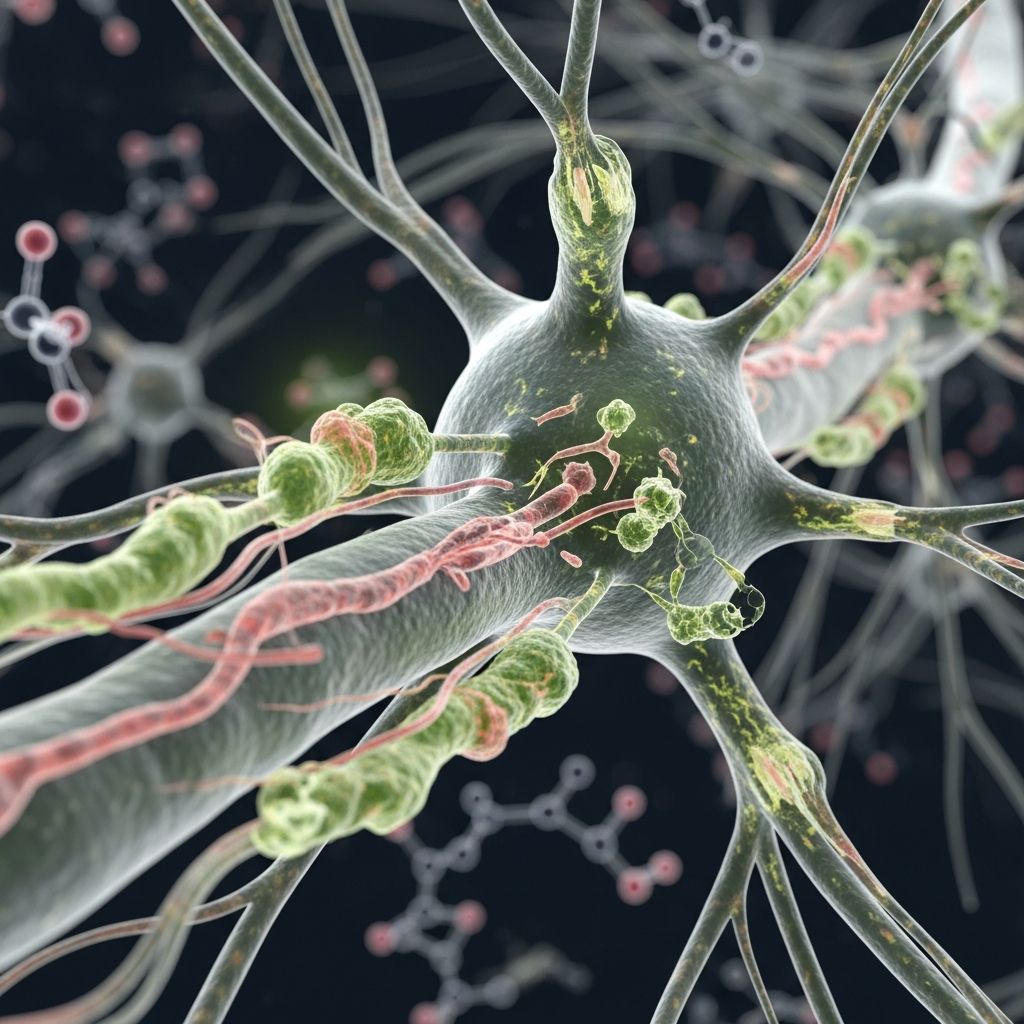
The peripheral nervous system in animals comprises an intricate network of nerves extending throughout the body, responsible for transmitting signals between the brain, spinal cord, and all other tissues. This system enables movement, sensation, and autonomic functions essential for survival. When animals are exposed to certain toxic substances, these vital nerve pathways become compromised, leading to a spectrum of neurological disorders that range from mild functional impairment to severe paralysis and death. Understanding how different toxins damage nerve tissue provides crucial insights for veterinary professionals and pet owners seeking to recognize and respond to poisoning emergencies.
Mechanisms of Toxin-Induced Nerve Damage
Toxic substances affect the peripheral nervous system through several distinct pathological mechanisms. The most common pattern involves axonopathy, where the long projections of nerve cells gradually degenerate, starting from their most distant points and progressing backward toward the nerve body. This distal-to-proximal pattern of damage characteristically produces weakness in the hind limbs before affecting the front limbs or trunk muscles. Another major mechanism is myelinopathy, in which toxins directly damage myelin, the protective insulating sheath surrounding nerve fibers. This demyelination disrupts the electrical conduction necessary for rapid nerve impulse transmission. A third category involves direct neurotoxicity that kills nerve cells outright, resulting in permanent loss of neural function. Some toxins primarily target the neuromuscular junction—the critical connection point where nerve endings release chemical messengers to trigger muscle contraction—disrupting communication between the nervous and muscular systems.
The severity and type of nerve damage depend on multiple factors including the specific toxin involved, duration and dose of exposure, the animal’s age and overall health status, and individual susceptibility variations. Young animals often show greater sensitivity to neurotoxic substances due to their developing nervous systems, while older animals may have accumulated chronic exposure effects.
Organophosphate Poisoning: Multiple Stages of Toxicity
Organophosphate compounds represent one of the most significant causes of acquired neuromuscular dysfunction in animals. These chemicals, widely used in pesticides, herbicides, fertilizers, and industrial applications, disrupt the normal breakdown of acetylcholinesterase, a critical enzyme responsible for terminating nerve signal transmission at the neuromuscular junction. When this enzyme cannot function properly, acetylcholine accumulates excessively, causing uncontrolled overstimulation of muscle activity.
Organophosphate toxicity manifests in three clinically distinct forms:
Acute Toxicity Presentation
The acute form develops rapidly following exposure and represents the most immediately life-threatening presentation. Affected animals experience sudden-onset excessive salivation, vomiting, and diarrhea as gastrointestinal muscles become hyperactive. Progressive signs include severe muscle tremors and involuntary twitching as skeletal muscles contract uncontrollably. Respiratory muscles become affected, leading to shortness of breath and potentially respiratory failure. In severe cases, animals may experience uncontrolled seizures or loss of consciousness. The dramatic nature of acute organophosphate poisoning allows for rapid recognition, though immediate veterinary intervention is essential for survival. Treatment focuses on administration of atropine, which blocks the excessive effects of acetylcholine, combined with medications to reduce tremors and muscle weakness. Recovery typically requires weeks of supportive care and monitoring.
Intermediate Toxicity Manifestation
The intermediate form presents more insidiously than acute poisoning. Animals may appear relatively normal initially, but several days after exposure develop progressive generalized weakness affecting all limbs. Particularly noticeable is partial paralysis affecting the rear legs and weakness of the neck muscles. The pupils may become abnormally dilated. This delayed presentation makes intermediate organophosphate poisoning challenging to diagnose initially, as the connection between earlier exposure and subsequent neurological signs may not be immediately apparent. The same pharmacological approaches used for acute poisoning apply, though prolonged treatment periods extending several weeks are typically necessary.
Delayed Toxicity Pattern
A distinctly different form of organophosphate toxicity emerges weeks after initial exposure, caused by a separate mechanism unrelated to acetylcholinesterase inhibition. In this delayed form, peripheral nerves undergo gradual degeneration and deterioration. The most characteristic sign is progressive weakness and loss of motor control specifically affecting the hind limbs, though this may eventually extend to other body regions. Unlike the other forms of organophosphate poisoning, this delayed variant has no specific antidote treatment, making prevention through avoiding exposure paramount.
Industrial Chemical Exposures and Nerve Damage
Beyond organophosphates, numerous other industrial and household chemicals cause peripheral nerve dysfunction in animals through different mechanisms. Carbon tetrachloride, historically used in insecticides, produces axonal degeneration particularly affecting distal nerve portions. Lindane, employed as a pesticide and anti-parasitic agent, causes similar patterns of nerve damage. Thallium, a rodenticide active ingredient, triggers peripheral neuropathy through yet another mechanism. Each of these toxins produces characteristic patterns of nerve degeneration that veterinary pathologists can sometimes identify through tissue examination.
The peripheral nervous system’s vulnerability to these chemicals relates to several anatomical and physiological factors. The long distances that nerve signals must travel predispose distal portions to accumulation of toxins. The high metabolic demands of nerve cells make them particularly sensitive to disruption of energy production. The specialized lipid-rich composition of myelin and neuronal membranes makes these structures susceptible to chemical damage. Understanding these vulnerabilities helps explain why certain toxins preferentially affect particular nerve populations.
Botulinum Toxin: Neuromuscular Junction Specific Effects
Botulinum toxin represents a unique category of animal poisoning, typically acquired through consumption of contaminated meat or carrion. The toxin functions by blocking the pre-synaptic release of acetylcholine at the neuromuscular junction, preventing muscle activation despite normal nerve impulse arrival. This produces generalized motor dysfunction and dysfunction of parasympathetic nerves controlling involuntary body functions. The toxin is remarkably heat-stable, surviving most cooking temperatures below 100 degrees Celsius for 10 minutes, but is destroyed by adequate heating. Animals affected by botulinum toxin show progressive weakness that may advance to complete paralysis, with respiratory failure being the primary life-threatening consequence.
Clinical Recognition of Toxic Nerve Damage
Identifying toxic nerve injury requires understanding the clinical signs that develop when peripheral nerves malfunction. Animals with peripheral neuropathy from toxin exposure typically exhibit:
- Progressive weakness or paralysis beginning in hind limbs and potentially advancing to all limbs
- Loss of normal reflexes, particularly in affected limbs
- Muscle tremors, ranging from fine trembling to coarse visible shaking
- Abnormal gait or inability to stand and walk normally
- Loss of muscle mass and tone in severely affected areas
- Sensory changes including altered pain perception
- Respiratory compromise when muscles controlling breathing become affected
- Difficulty swallowing and facial weakness in severe cases
It is noteworthy that sensory perception and consciousness typically remain intact in peripheral nerve toxicity, distinguishing these conditions from central nervous system poisoning affecting the brain or spinal cord. Affected animals remain mentally alert even when physically unable to move.
Diagnostic Approaches and Veterinary Assessment
Diagnosis of toxic peripheral nerve disease combines clinical observation with specialized testing. Electrodiagnostic studies including electromyography and nerve conduction velocity measurements can objectively document abnormal nerve and muscle electrical activity. These tests help determine whether the primary problem involves the nerve itself or the muscle, and whether demyelination or axonal degeneration predominates. Spinal fluid analysis may reveal elevated protein concentrations in some conditions. Nerve biopsy, though invasive, can demonstrate specific patterns of pathological change diagnostic of particular toxins. A careful history regarding potential toxin exposures proves invaluable, as knowing what chemicals the animal encountered guides both diagnosis and treatment decisions.
Treatment Strategies and Supportive Care
Management of toxic peripheral nerve disease requires a multi-faceted approach tailored to the specific toxin involved. For organophosphate poisoning, specific antidotes including atropine and oximes directly counteract the toxin’s mechanism. For other toxins, treatment focuses on supportive care including anticonvulsants to manage seizures if they occur, fluid therapy to maintain hydration and organ function, and nutritional support to provide resources for nerve regeneration.
Animals with severe peripheral nerve damage may require intensive nursing care including assisted feeding if swallowing is impaired, manual bladder expression if nerve damage prevents normal urination, and frequent repositioning to prevent pressure injuries in paralyzed limbs. Pain management becomes important as nerve regeneration causes discomfort. Physical therapy and passive range-of-motion exercises help maintain muscle and joint function during the recovery period.
Recovery Prospects and Long-Term Outcomes
Recovery from toxic peripheral nerve damage depends critically on whether the primary injury involves myelin or axons. Demyelination injuries can show relatively rapid recovery as myelin regenerates and rewraps nerve fibers, sometimes occurring within days to weeks. Axonal injuries require the nerve cell body to regenerate the entire axonal length, a process taking weeks to months and often incomplete. Severe axonal loss may result in permanent deficits. Early recognition and prompt treatment improve outcomes, as limiting the duration of toxin exposure and its effects preserves remaining nerve function.
Prevention and Risk Reduction
The most effective approach to toxic peripheral nerve disease involves preventing exposure. Pet owners should secure pesticides, fertilizers, rodenticides, and other chemical products in locked cabinets away from animal access. Using only veterinarian-approved pest control and parasite treatments reduces unintended exposure. Preventing access to carrion and contaminated food sources protects against botulinum toxin. For animals working or living in industrial environments, minimizing chemical exposure and using appropriate protective equipment where possible reduces risk. Maintaining proper nutrition ensures the nervous system has resources to resist toxic injury and facilitate repair.
Frequently Asked Questions
How quickly do signs of organophosphate poisoning appear?
Acute organophosphate toxicity can develop within minutes to hours of exposure, while intermediate forms may not manifest for several days. The delayed form characteristically appears weeks after initial exposure. This variable timeline emphasizes the importance of considering exposure history even when signs emerge much later than the exposure event.
Can animals recover from permanent axonal damage?
Recovery depends on whether the nerve cells themselves survive. If the neuron body remains intact, regeneration of new axons can occur, though this process takes considerable time. However, if the neuron dies completely, no recovery occurs for that particular nerve. Mixed injuries may show partial recovery with some permanent deficits.
Are certain animal species more susceptible to neurotoxins?
Cats and small animal species often show greater sensitivity than large animals to certain toxins due to differences in metabolism and detoxification enzyme systems. Individual variation within species also exists, making some animals more vulnerable than others to the same exposure.
What long-term care do animals with peripheral nerve damage require?
Depending on severity, animals may need ongoing pain management, physical therapy, assistive devices for mobility, and accommodation for sensory deficits. Some recover complete function, while others require permanent lifestyle modifications and adapted housing to maintain quality of life.
References
- Disorders of the Peripheral Nerves and Neuromuscular Junction in Dogs — Merck Veterinary Manual. 2025. https://www.merckvetmanual.com/dog-owners/brain-spinal-cord-and-nerve-disorders-of-dogs/disorders-of-the-peripheral-nerves-and-neuromuscular-junction-in-dogs
- Mechanisms of toxic injury in the peripheral nervous system — National Center for Biotechnology Information (NCBI/PubMed). 2000. https://pubmed.ncbi.nlm.nih.gov/10668991/
- Toxic models of disorders of the peripheral nervous system — Centers for Disease Control and Prevention (CDC). https://stacks.cdc.gov/view/cdc/246029
- Neurotoxic Disorders — Braund’s Clinical Neurology of Small Animals. International Veterinary Information Service (IVIS). https://www.ivis.org/library/braunds-clinical-neurology-small-animals-localization-diagnosis-and-treatment/neurotoxic
- Nerve Disorder Affecting Multiple Nerves in Dogs — PetMD. 2025. https://www.petmd.com/dog/conditions/neurological/c_multi_peripheral_neuropathies
- Neuromuscular Disorders Fact Sheet — Davies Veterinary Specialists. 2025. https://www.vetspecialists.co.uk/fact-sheets-post/neuromuscular-disorders-fact-sheet/
Similar Articles








Read full bio of medha deb


