

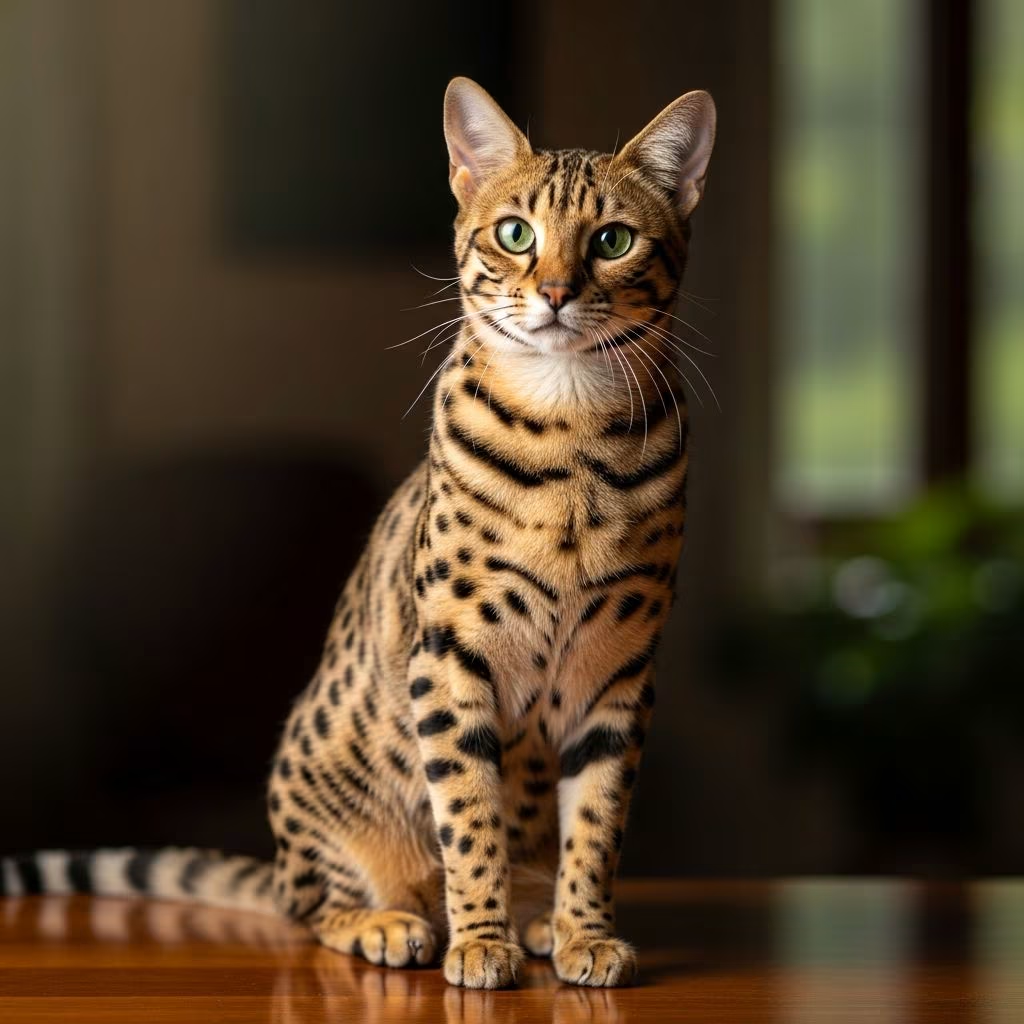
The **Cheetoh cat** is a striking hybrid breed that combines the wild aesthetics of a cheetah with the affectionate personality of a domestic companion. Developed in the early 2000s by crossing Bengals and Ocicats, this relatively new breed captivates with its spotted coat, muscular build, and dog-like loyalty, making it an ideal pet for active families who crave interaction and adventure.
Cheetoh Cat Facts
- Origin: United States, developed in 2001-2003 by breeder Carol Drymon.
- Breed Recognition: Experimental breed with The International Cat Association (TICA); not yet recognized by CFA or other major registries.
- Size: Medium to large; males 12-25 lbs, females slightly smaller; height 12-18 inches at shoulder.
- Lifespan: 10-15 years with proper care.
- Coat: Short, dense, spotted or marbled patterns in brown, silver, blue, or snow varieties.
- Temperament: Affectionate, intelligent, playful, social; good with kids and pets.
- Hypoallergenic: Low-shedding but not fully hypoallergenic.
Cheetoh Cat Breed Overview
The Cheetoh cat stands out for its athletic, cheetah-like physique and friendly demeanor. Bred to look wild while behaving like a devoted house pet, Cheetohs inherit the best from their Bengal and Ocicat parents: dramatic spots, agility, and a love for human company. Despite their exotic appearance—reminiscent of small wildcats—these cats are eight generations removed from any wild ancestry, ensuring a stable, domesticated temperament.
Physically, Cheetohs boast long legs, a deep chest, and sturdy paws that support their nimble, powerful movements. Their coats feature bold spots, rosettes, or marbled patterns that shimmer in sunlight, available in colors like tawny brown, silver, blue, and snow lynx points. This unique look, paired with their curious eyes and expressive faces, makes them conversation starters in any home.
Popularity is growing in the US, Canada, and UK, where owners appreciate their blend of beauty and companionship. However, as an experimental breed, finding reputable breeders requires diligence.
History of the Cheetoh Cat
The Cheetoh breed traces its roots to 2001 when Carol Drymon of Wind Haven Exotics in the United States crossed a Bengal queen with an Ocicat stud. Her vision was clear: create a cat with the wildcat allure of spots and athleticism but amplified gentleness and sociability from the Ocicat influence. The name ‘Cheetoh’—a playful nod to ‘cheetah’—perfectly captures its speedy, spotted essence while emphasizing its domestic charm.
Early litters confirmed the breed’s potential, with kittens displaying pronounced spots, friendly personalities, and robust health. By 2003, Drymon registered the breed as experimental with TICA, focusing on selective breeding to refine traits like coat pattern clarity and temperament stability. Today, Cheetohs are about eight generations from the original Bengal’s Asian leopard cat ancestor, minimizing any feral behaviors.
Though not yet fully recognized, the breed’s dedicated fanciers continue refining it. Its history reflects innovative breeding aimed at balancing aesthetics with pet-friendly qualities, earning it a niche following among exotic cat enthusiasts.
Cheetoh Cat Size
Cheetoh cats are medium-to-large, with males typically weighing 15-25 pounds and females 12-18 pounds. They measure 12-18 inches tall at the shoulder and can stretch 3-4 feet long including the tail, showcasing their sleek, muscular frames.
| Attribute | Males | Females |
|---|---|---|
| Weight | 15-25 lbs | 12-18 lbs |
| Height | 14-18 inches | 12-16 inches |
| Length (body + tail) | 36-48 inches | 32-42 inches |
This size demands ample space for play, but their graceful build prevents clumsiness. Growth continues until 2-3 years, reflecting their hybrid vigor.
Cheetoh Cat Personality & Temperament
**Cheetoh cats** are affectionate extroverts with dog-like traits: they follow owners room-to-room, learn tricks, walk on leashes, and greet strangers warmly. Highly intelligent, they master puzzles, fetch toys, and even chirp or trill to communicate.
Playful and energetic, Cheetohs love climbing cat trees, chasing laser pointers, and exploring outdoors (supervised). Their gentle nature shines with children and pets—they’re tolerant, non-aggressive, and thrive in busy households. However, they dislike solitude; separation anxiety can emerge if left alone too long.
- Sociable and people-oriented
- Trainable like dogs
- Energetic but cuddly lap cats
- Good with kids, dogs, other cats
- Vocal and interactive
Owners describe them as ‘perpetual kittens’—curious, sneaky, and always engaging.
Cheetoh Cat Characteristics
Cheetoh Cat Coat
The hallmark of the Cheetoh is its short, velvety coat adorned with distinctive spots or marbled tabby patterns. Spots range from small dots to large rosettes, tightly clustered on a sleek body, with minimal stripes on legs and tail. Colors include brown classic, silver spotted, blue marbled, and snow.
Low-maintenance grooming involves weekly brushing to enhance sheen and reduce minimal shedding. Their coat feels plush, contributing to their hypoallergenic reputation, though allergies vary.
Cheetoh Cat Eyes
Expressive almond-shaped eyes in green, gold, or blue (in snow variants) convey intelligence and curiosity. Clean daily to prevent issues.
Cheetoh Cat Ears
Large, wide-based ears with horizontal furnishings enhance hearing and add to their alert, wild look.
Cheetoh Cat Legs & Paws
Long, muscular legs end in round paws suited for climbing and sprinting. Tufted toes aid grip.
Cheetoh Cat Tail
Thick-based, tapering to a spotted tip; expressive during play.
Cheetoh Cat Health
Hybrid vigor grants Cheetohs robust health, but inherited risks from Bengals/Ocicats include hypertrophic cardiomyopathy (HCM), progressive retinal atrophy (PRA), and pyruvate kinase deficiency (PKD). Sensitivity to anesthesia and occasional cataracts warrant vet screening. Annual checkups, genetic testing for breeders, and a balanced diet mitigate issues. Lifespan averages 12-15 years.
- Common Concerns: Heart disease, eye conditions
- Preventive Care: HCM/PRA DNA tests, dental health
Cheetoh Cat Care & Grooming
Cheetohs need 30-60 minutes daily exercise: interactive toys, tall perches, leash walks. Feed high-protein diets (Bengal-formulated kibble/wet food) portioned to prevent obesity in their large frames—about 300-500 calories/day adjusted for activity.
Grooming is simple: brush weekly, bathe monthly if needed, trim nails biweekly, clean ears weekly. Dental care prevents periodontal disease common in breeds.
Cheetoh Kitten Care
Kittens grow rapidly; provide kitten food until 12 months, socialize early for optimal temperament.
Cheetoh Cat Diet & Nutrition
High-quality, grain-free food with 40%+ protein supports muscle maintenance. Divide into 3-4 meals; fresh water always. Avoid obesity by monitoring weight.
Cheetoh Cat Pros & Cons
| Pros | Cons |
|---|---|
| Stunning wild appearance | High energy requires stimulation |
| Affectionate, family-friendly | Not for sedentary lifestyles |
| Intelligent & trainable | Rare/expensive ($1,000-$5,000) |
| Low grooming needs | May vocalize when bored |
| Good with pets/kids | Not fully recognized breed |
Cheetoh Cat Cost & Breeders
Expect $1,500-$5,000 from ethical breeders who health-test parents. Adoption rarer due to novelty. Research TICA-registered catteries; avoid pet stores.
Cheetoh Cat Videos & Pictures
(Description: Videos show Cheetohs leaping acrobatically, playing fetch, and cuddling; pictures highlight spotted coats in motion, golden eyes sparkling with mischief.)
Cheetoh Cat FAQs
Are Cheetoh cats hypoallergenic?
Low-shedding short coats reduce allergens, but not truly hypoallergenic. Test exposure first.
Do Cheetoh cats make good pets for families?
Yes, their gentle, playful nature suits kids and homes with other pets when socialized.
Can Cheetoh cats go outside?
Leash-trained ones enjoy supervised adventures; enclosures prevent escapes.
How much exercise do Cheetoh cats need?
Daily vigorous play; cat trees and toys essential to channel energy.
Are Cheetoh cats recognized?
Experimental with TICA; advancing toward full status.
References
- Cheetoh: traits, characteristics, health – KingPet — KingPet. 2023. https://www.kingpet.com/breeds/cat/2064-Cheetoh
- Cheetoh Cat Breed: Size, Appearance & Personality — Cats.com. 2024-01-15. https://cats.com/cat-breeds/cheetoh
- Cheetoh: Breed Overview And Proper Care — Bored Panda. 2023-06-10. https://www.boredpanda.com/cheetoh-cat-breed/
- Meet the Cheetoh Cat — Arch Creek Animal Clinic. 2023. https://archcreekanimalclinic.com/meet-the-cheetoh-cat/
- Meet the Cheetoh Cat — All About Animals Veterinary Hospital. 2021-04-15. https://vetcarrollton.com/2021/04/15/meet-the-cheetoh-cat/



