

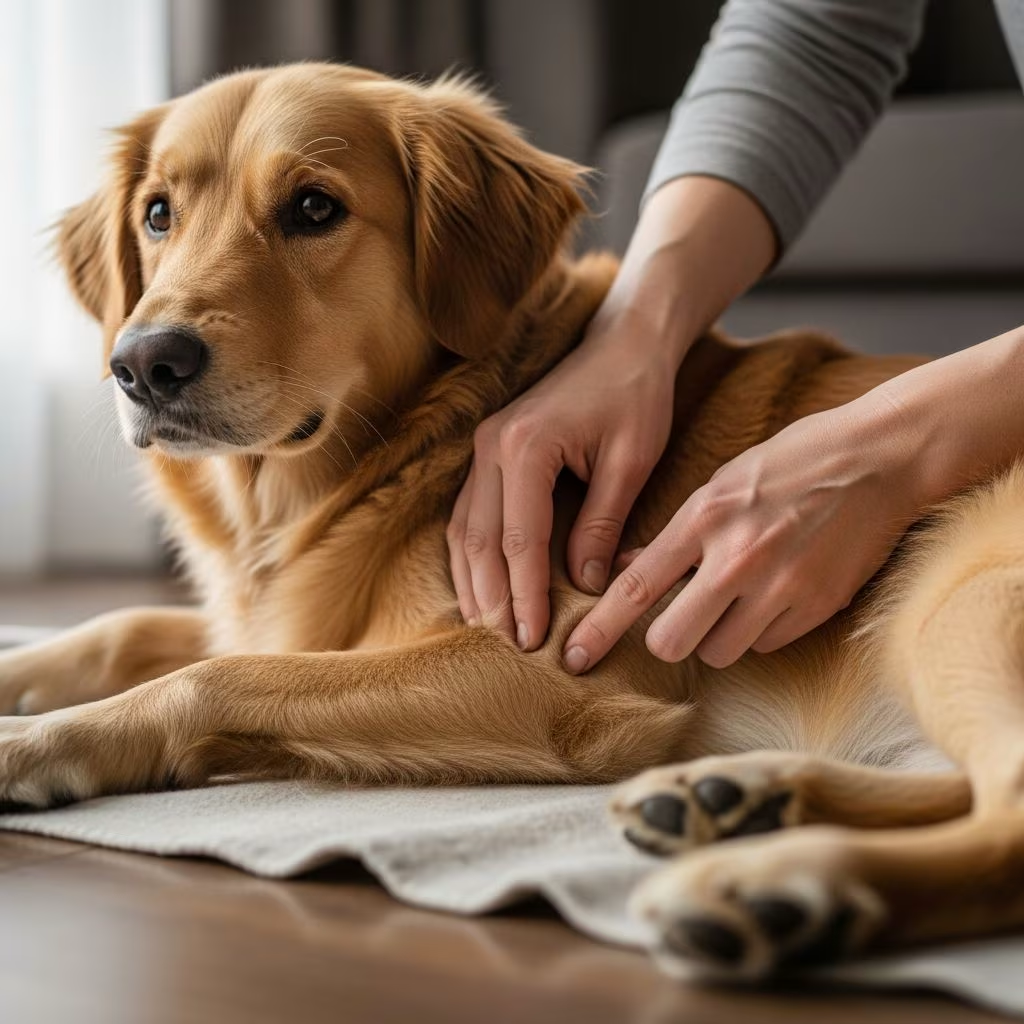
Monitoring your dog’s pulse is a fundamental aspect of pet ownership that empowers you to track their cardiovascular health proactively. This non-invasive check provides insights into heart function, circulation, and overall well-being, allowing early detection of issues like dehydration, pain, or cardiac conditions. Whether you’re a new puppy parent or a seasoned dog owner, mastering this skill can be lifesaving during emergencies or routine checkups.
Why Pulse Monitoring Matters for Dogs
A dog’s pulse reflects the heart’s pumping efficiency, directly linking to blood pressure and oxygen delivery throughout the body. Irregularities can indicate stress, illness, or injury. For instance, veterinarians often assess pulse alongside other vitals like respiration and temperature for a complete picture. Regular home checks help establish baselines tailored to your dog’s breed, size, and age, making deviations easier to spot.
In clinical settings, pulse evaluation combines with advanced tools for precision, but owners can replicate basic assessments effectively. This practice fosters a stronger bond with your pet while promoting preventive care.
Understanding Normal Pulse Rates in Dogs
Dogs’ heart rates vary significantly based on factors like size, age, activity level, and health status. Smaller breeds generally have faster pulses due to higher metabolic rates, while giants beat slower.
| Dog Size | Normal Resting Pulse (beats per minute) | Examples |
|---|---|---|
| Toy/Small | 100-140 | Chihuahua, Yorkshire Terrier |
| Medium | 80-120 | Beagle, Cocker Spaniel |
| Large/Giant | 60-100 | Labrador, Great Dane |
Puppies often exceed 160 bpm, while seniors might dip below breed norms due to age-related changes. Always measure when your dog is calm and resting—excitement or exercise can elevate rates temporarily by 20-50%.
Prime Locations to Find Your Dog’s Pulse
Selecting the right spot ensures accurate readings without causing discomfort. The femoral artery remains the most reliable for palpable pulses in most dogs.
- Femoral Artery: Inside the upper thigh, in the groin area where the leg meets the body. Ideal for all sizes due to strong pulsations.
- Chest (Aortic): Left side behind the elbow, feeling the heart’s direct beat. Best for small dogs or when femoral is hard to access.
- Dorsal Pedal Artery: Top of the hind paw, between toes. Useful alternative for larger breeds.
Avoid using your thumb, as it has its own pulse that can interfere—opt for index and middle fingers instead.
Step-by-Step Guide to Measuring Pulse Manually
Follow these precise steps for reliable results every time. Practice on a calm dog to build confidence.
- Prepare Your Dog: Ensure they’re relaxed, lying down or standing quietly. Wait 5-10 minutes post-activity.
- Locate the Site: Gently part fur if needed. For femoral, slide fingers into the inner thigh groove.
- Feel the Pulse: Press lightly until you detect rhythmic throbs. It may take 10-20 seconds initially.
- Count Methodically: Use a watch with a second hand. Count beats for 15 seconds, then multiply by 4, or for 30 seconds and multiply by 2. Full 60-second counts offer highest accuracy for irregularities.
- Record and Repeat: Note the rate, strength, and rhythm. Take 2-3 readings, averaging if consistent.
For example, feeling 25 beats in 15 seconds equals 100 bpm. Video tutorials emphasize gentle pressure to avoid masking weak pulses.
Assessing Pulse Quality Beyond Just Rate
Rate alone doesn’t tell the full story—evaluate strength, rhythm, and regularity for deeper insights.
- Strong and Bounding: Indicates robust circulation, common in healthy, active dogs.
- Weak or Thready: Suggests shock, dehydration, or heart issues; pulse feels faint even with firm pressure.
- Irregular: Skipped beats or alternations may signal arrhythmias—consult a vet immediately.
In veterinary practice, pulse character guides triage; owners can mimic this by comparing to baselines.
Advanced At-Home Tools for Precision Monitoring
While manual checks suffice for basics, devices enhance accuracy, especially for frequent monitoring.
- Doppler Ultrasound: Detects blood flow audibly. Apply gel to artery, inflate cuff proximally, note first sound on deflation as systolic pressure approximation. Great for hypotensive dogs.
- Oscillometric Monitors: Automated cuffs yield systolic, diastolic, mean pressures, and pulse. Cuff on limb or tail; matches manual rates for validation.
- Pulse Oximeters: Clip-on probes measure oxygen saturation (SpO2) via light absorption, verifying pulse quality indirectly. Place on tongue, ear, or paw; ensure waveform matches heart rate.
These tools bridge home and clinic care but require cuff sizing (40% of limb circumference) and calm patients.
When to Worry: Abnormal Pulse Signs
Deviations warrant attention. Tachycardia (>20% above normal) signals pain, fever, or anemia; bradycardia may indicate toxicity or blockages.
| Abnormality | Possible Causes | Action |
|---|---|---|
| Too Fast (>160 bpm small dogs) | Stress, heatstroke, infection | Cool down, vet if persistent |
| Too Slow (<60 bpm large dogs) | Heart block, hypothermia | Warm, seek emergency care |
| Weak/Irregular | Shock, arrhythmia, fluid loss | Immediate vet visit |
Combine with symptoms like lethargy, coughing, or collapse for context.
Integrating Pulse Checks into Daily Routines
Make monitoring habitual: weekly for healthy dogs, daily for seniors or those with conditions like heart disease. Pair with respiration (10-30 breaths/min) and gum color checks (pink, moist). Apps track trends, alerting to changes.
Train family members for consistency. During walks or play, quick femoral feels gauge exertion recovery—should normalize in 2-5 minutes.
Common Mistakes and How to Avoid Them
- Using thumb: Switch to fingers.
- Counting during excitement: Wait for rest.
- Poor location: Practice on awake, then sedated if needed.
- Ignoring quality: Note feel, not just number.
Initial inaccuracies improve with repetition.
FAQs on Dog Pulse Monitoring
How often should I check my dog’s pulse?
Weekly for routine health; more frequently if illness or post-surgery.
Can I check pulse on a wiggling puppy?
Yes, but lure to stillness with treats; chest works best for tiny, active ones.
What’s the difference between pulse and heart rate?
They’re synonymous in practice—pulse is peripheral heart contractions.
Does breed affect pulse location?
Slightly; brachycephalics may need chest over femoral.
Should I buy a home monitor?
Useful for chronic cases; start manual first.
Consulting Vets for Pulse-Related Concerns
Share home logs with your veterinarian—they correlate with ECGs or echoes. Persistent anomalies prompt diagnostics like bloodwork or imaging. Early intervention boosts outcomes for conditions like dilated cardiomyopathy.
Empower yourself: routine pulse checks turn observations into action, safeguarding your dog’s vitality.
References
- Blood Pressure Monitoring From a Veterinary Nursing Perspective — Today’s Veterinary Practice. 2023. https://todaysveterinarypractice.com/cardiology/todays-technician-blood-pressure-monitoring-from-a-nursing-perspective-part-2-blood-pressure-monitoring-techniques/
- Using Pulse Oximetry in Veterinary Medicine — VetGirl on the Run. 2023. https://vetgirlontherun.com/veterinary-continuing-education-pulse-oximetry-veterinary-medicine-vetgirl-blog/
- How to Check Your Dog’s Pulse, Respiration, and Temperature — GoPetFriendly. 2024. https://www.gopetfriendly.com/blog/how-to-check-your-dogs-pulse-respiration-and-temperature/
- How to Take Your Dog’s Pulse | First Aid for Pets — YouTube/ProTrainings. 2023. https://www.youtube.com/watch?v=EpY4xM9ZGRU
- Cat and Dog Pulse Rate Training — ProTrainings. 2024. https://www.protrainings.com/training_video/cat-and-dog-pulse-rate



