
Check Your Dog’s Vital Signs: 3 Easy At-Home Checks
Learn how to monitor your dog's temperature, heart rate, and respiration at home.
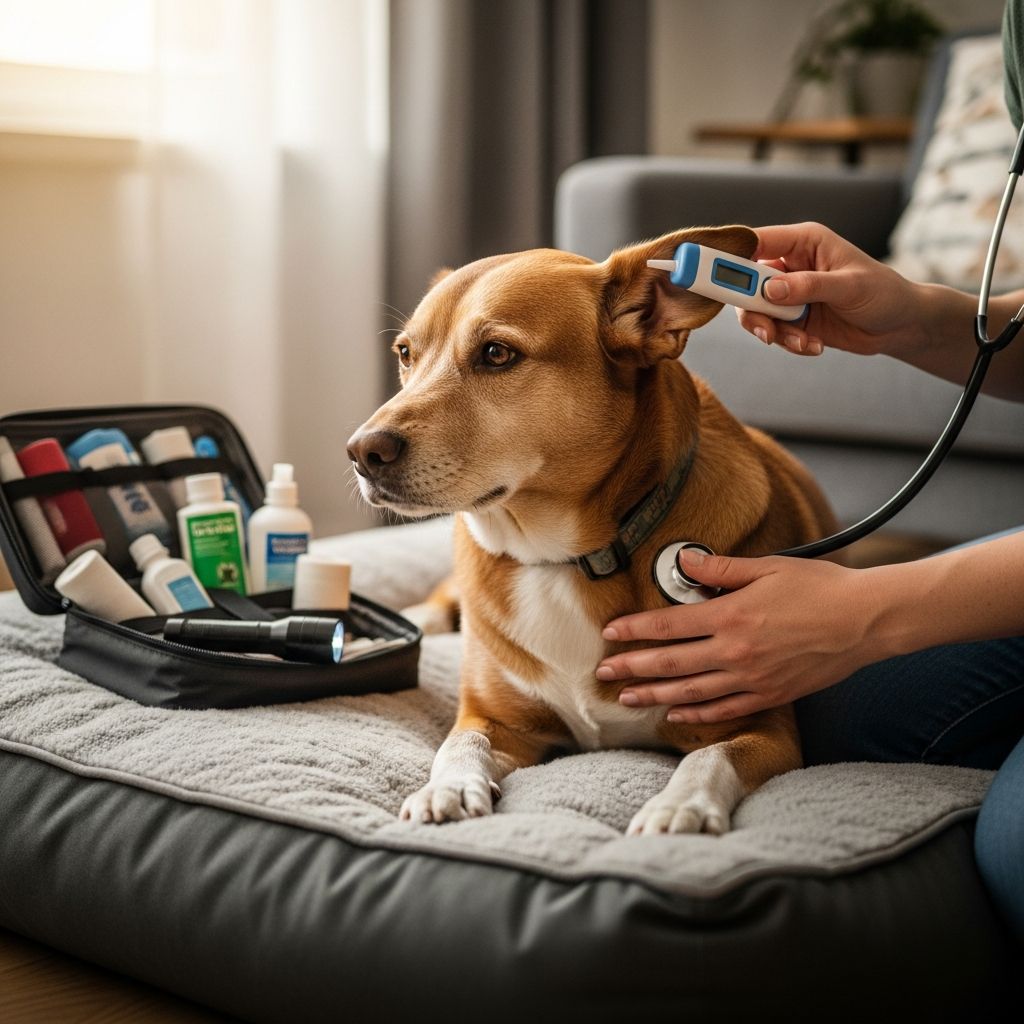
Check Your Dog’s Vital Signs at Home
Being a responsible pet parent means more than just providing food, shelter, and love. It means staying informed about your dog’s health and being prepared to recognize when something might be wrong. While regular wellness checks with your veterinarian are essential, understanding how to monitor your dog’s vital signs at home empowers you to take an active role in your pet’s healthcare journey. This comprehensive guide will teach you everything you need to know about checking your dog’s temperature, heart rate, and respiratory rate from the comfort of your home.
Your dog depends on you to be their first line of defense against illness and disease. By learning these simple yet invaluable skills, you become equipped to notice subtle changes in your pet’s health and communicate effectively with your veterinarian. The ability to monitor vital signs gives you confidence and helps you make informed decisions about when professional veterinary care is needed.
Understanding Your Dog’s Normal Vital Signs
Before you can recognize abnormal vital signs, you must first understand what constitutes normal for your dog. Every dog is unique, with variations based on age, size, breed, and overall physical condition. Taking time to establish baseline measurements during healthy periods will help you quickly identify potential problems when they arise.
A healthy dog’s vital signs fall within specific ranges, though individual variation is common. Large breed dogs, for example, typically have slower heart rates than small breeds. Puppies and young dogs often have faster heart rates and respiratory rates than their adult counterparts. Athletic dogs in excellent physical condition may have lower resting heart rates than sedentary dogs. Understanding these variations is crucial for accurate health assessment.
Taking Your Dog’s Temperature
A dog’s body temperature is one of the most important indicators of health. Unlike humans, dogs cannot tell us when they feel feverish or chilled, so knowing how to take an accurate temperature reading is vital. Fortunately, you have several options depending on your comfort level and budget.
Temperature-Taking Methods
The most convenient option is an ear thermometer designed specifically for pets, which provides a quick reading by simply inserting the probe into your dog’s ear. However, digital rectal thermometers offer excellent accuracy and are relatively inexpensive. These modern thermometers beep when ready to remove, making them user-friendly even for first-time users. Traditional glass thermometers also work well, though they require a longer reading time and more careful handling.
For rectal temperature reading, begin by lubricating your thermometer with water-based medical lubricant. Having a helper hold your dog’s muzzle gently while offering praise for good behavior makes the process significantly easier. Gently and slowly insert the thermometer about one to two inches into your dog’s rectum—never force it. Hold the thermometer in place for approximately two minutes, or until your digital thermometer beeps, then carefully remove it and record the temperature.
Normal Temperature Range
In a normal, healthy dog, body temperature should read between 100 and 102.5 degrees Fahrenheit, with an average of 101.3 degrees. This is slightly higher than normal human body temperature. It’s important to record what’s normal specifically for your individual dog, as there can be slight variations between individual animals.
When to Contact Your Veterinarian
Contact your veterinarian immediately if your dog’s temperature falls below 99 degrees or rises above 103 degrees. Additionally, pay attention to what appears on the thermometer itself—blood, diarrhea, or black, tarry stool are warning signs that warrant professional evaluation. A temperature consistently above 103 degrees is considered abnormal and could indicate infection, inflammation, allergic reactions, toxins, or other serious conditions. If your dog displays signs of hypothermia, such as shivering or attempting to curl up in warm spots, this too requires veterinary attention.
Checking Your Dog’s Heart Rate
Your dog’s heart rate provides crucial information about cardiovascular health and overall wellness. Unlike temperature, which has a fairly narrow normal range, heart rates vary significantly based on several factors. This is precisely why establishing your individual dog’s baseline is so important.
Factors Affecting Heart Rate
Multiple factors influence a dog’s heart rate. Young puppies have the most rapid heartbeats, ranging from 160 to 200 beats per minute at birth and reaching up to 220 beats per minute by two weeks of age. An adult dog’s heart typically beats 60 to 140 times per minute. Size plays a significant role: larger dogs generally have slower heart rates, while toy breeds and small dogs can have heart rates as high as 180 beats per minute. A fit, athletic dog might have a resting heart rate as low as 50 beats per minute, while an out-of-shape or anxious dog may have elevated rates.
How to Take Your Dog’s Heart Rate
To check your dog’s heart rate, you’ll need a watch with a second hand, a stopwatch, or your smartphone. Feel for your dog’s heartbeat by placing one hand over his left side, just behind his front leg. Count the number of beats you feel during a 15-second period and multiply by four to get the heart rate in beats per minute. Alternatively, you can locate the femoral artery on the inside of your dog’s rear leg at mid-thigh and count the pulse there. Your dog is usually standing for this method, making it easier to locate the artery. Both methods yield the same result, so choose whichever works best for you and your dog.
Normal Heart Rate Ranges
In resting dogs, normal heart rate ranges from 60 to 140 beats per minute overall. More specifically, large dogs typically have resting heart rates between 60 and 100 beats per minute, while small dogs and puppies usually fall between 100 and 140 beats per minute. Because normal ranges vary so considerably between individual dogs, it’s important to take your dog’s heart rate multiple times while relaxed and record the results to establish a personal baseline.
Abnormal Heart Rates and When to Worry
An unusually fast or slow pulse can indicate health concerns requiring veterinary attention. A heart rate consistently higher than normal could signal anxiety, but it may also indicate blood loss, dehydration, fever, heatstroke, or other serious conditions. A persistently slow heart rate may suggest shock or heart disease. Similarly, a heart rate that is consistently too low could indicate an underlying health problem requiring professional evaluation. If you’re concerned about your dog’s heart rate readings, discuss your results with your veterinarian to rule out any underlying issues.
Monitoring Your Dog’s Respiratory Rate
Your dog’s breathing is another vital sign that can reveal much about their health status. A healthy respiratory rate indicates proper oxygen intake and cardiovascular function. Learning to count and interpret your dog’s breathing is simpler than you might think.
Normal Respiration Rates
A normal, rested, non-panting dog should breathe between 10 and 35 times per minute, with an average of 24 breaths per minute. To check your dog’s respiration rate, count the chest movements for one full minute to get an accurate reading. Alternatively, count the chest movements for 15 seconds and multiply by four to calculate the total breaths per minute.
Factors Affecting Respiration
Breathing changes based on multiple factors including activity level, ambient temperature, the presence of irritants or toxins in the air, and emotions such as fear or anxiety. A dog that has just finished playing or running will naturally breathe faster. A dog in a warm environment will breathe more heavily than one in cool surroundings. These temporary changes are normal and expected. However, persistent elevation in respiratory rate that cannot be attributed to these environmental factors may signal health problems such as anemia, congestive heart failure, or various respiratory disorders.
Warning Signs of Respiratory Problems
Be alert to several warning signs that warrant immediate veterinary attention. If your dog is panting frantically and appears glassy-eyed, this is a critical emergency—skip vital sign monitoring and get to a veterinarian immediately, as this indicates heatstroke. Other concerning signs include shallow or slow breathing, which may indicate shock; noisy breathing; difficulty breathing in or out; deep, forceful breathing; or any cough, especially a dry cough or one that produces mucus or blood. A marked decrease in respiratory rate may indicate your dog is in shock and in danger of respiratory failure. Any significant change in your dog’s breathing warrants a prompt call to your veterinarian.
Special Considerations: Heatstroke and Temperature Emergencies
Dogs experiencing heatstroke—a life-threatening rise in body temperature—exhibit distinct symptoms that constitute a veterinary emergency. Signs include heavy panting, difficulty breathing, bright red tongue and gums, thick drool, and vomiting. If you suspect heatstroke, move your dog out of the heat immediately, bathe the paws with lukewarm water, and rush to the veterinarian. Time is critical in these situations.
Similarly, hypothermia requires urgent attention. A dog with abnormally low body temperature may display chills, shivering, or attempts to stay warm by curling up or lying in warm spots. These situations demand immediate professional veterinary care.
Practical Tips for Monitoring Vital Signs
The best time to learn how to take your dog’s vital signs is before you face an emergency. Practice at home when both you and your dog are relaxed and comfortable. Familiarize yourself with the techniques so that you’ll know exactly what to do if you ever have concerns about your pet’s health. Keep a record of your dog’s baseline vital signs—write down normal values for temperature, heart rate, and respiratory rate. This creates a personal reference guide that helps you quickly recognize when something is abnormal.
If you have difficulty learning these techniques on your own, ask your veterinarian to demonstrate them during your dog’s next wellness exam. Many veterinarians are happy to show pet parents how to properly assess vital signs. Some veterinary clinics offer brief training sessions specifically for this purpose. Don’t hesitate to ask for guidance—it’s an investment in your pet’s health and safety.
The Role of Vital Sign Monitoring in Preventive Care
Regular monitoring of your dog’s vital signs is a cornerstone of preventive health care. By paying close attention to your dog’s breathing, heart rate, and temperature during routine daily observations, you learn to recognize patterns in their behavior. You notice how much they eat and drink, how much they sleep and when, and how they breathe both at rest and after exertion. All of these observations provide clues to your animal’s health status. The best way to recognize when something is abnormal is to be thoroughly familiar with what’s normal for your individual dog.
Frequently Asked Questions
Q: How often should I check my dog’s vital signs?
A: Check vital signs regularly when your dog is healthy to establish baseline values. During wellness exams, practice with your veterinarian. If your dog is ill or showing concerning signs, check more frequently and report findings to your vet.
Q: What’s the difference between normal and abnormal vital signs?
A: Normal ranges vary by dog size, age, and fitness level. Large dogs typically have lower heart rates than small dogs. Temperatures should be 100-102.5°F, heart rates 60-140 bpm, and respiratory rates 10-35 breaths per minute at rest. Any significant deviation from your dog’s personal baseline warrants veterinary consultation.
Q: Can I use a human thermometer on my dog?
A: Yes, you can use a digital human thermometer for rectal temperature taking, though pet-specific thermometers are often easier to use. Never use a glass thermometer due to breakage risk. Ear thermometers designed for pets are most convenient.
Q: What should I do if my dog’s vital signs seem abnormal?
A: Contact your veterinarian, especially if temperature is below 99°F or above 103°F, heart rate is consistently elevated or depressed, or respiratory rate shows significant changes. Describe all symptoms and vital sign readings to help your vet assess the situation.
Q: How can I help my dog stay calm during vital sign checks?
A: Practice during relaxed times, offer treats and praise for good behavior, and consider having a helper hold or distract your dog. Making the process positive helps your dog cooperate more readily in future checks.
Conclusion
Learning to check your dog’s vital signs at home is one of the most valuable skills you can develop as a pet parent. This knowledge transforms you into an informed advocate for your dog’s health, enabling you to recognize potential problems early and communicate more effectively with your veterinarian. By establishing baseline measurements during healthy periods and monitoring regularly, you create a personal health profile for your dog. When combined with regular professional veterinary care, home vital sign monitoring provides comprehensive health oversight that keeps your dog happy, healthy, and thriving for years to come.
References
- Check Your Dog’s Vital Signs at Home — Vetstreet, Dr. Marty Becker. Updated October 8, 2024. https://www.vetstreet.com/dr-marty-becker/check-your-dogs-vital-signs-at-home
- What Is Normal Dog Temperature, Heart Rate and Respiration? — Vetstreet, Dr. Marty Becker. Updated September 24, 2024. https://www.vetstreet.com/dr-marty-becker/what-is-normal-dog-temperature-heart-rate-and-respiration
- What Is a Normal Heart Rate for Dogs? — K&H Pet Products. https://khpet.com/blogs/dogs/what-is-a-normal-heart-rate-for-dogs
- Does Your Pet Have a Fever? Here’s How to Know — Happy Tails Magazine. https://www.happytailsmagazine.co.za/articles/health-matters/vet-related/does-your-pet-have-a-fever-heres-how-to-know-and-what-to-do-about-it-if-he-does/
Similar Articles








Read full bio of medha deb




