

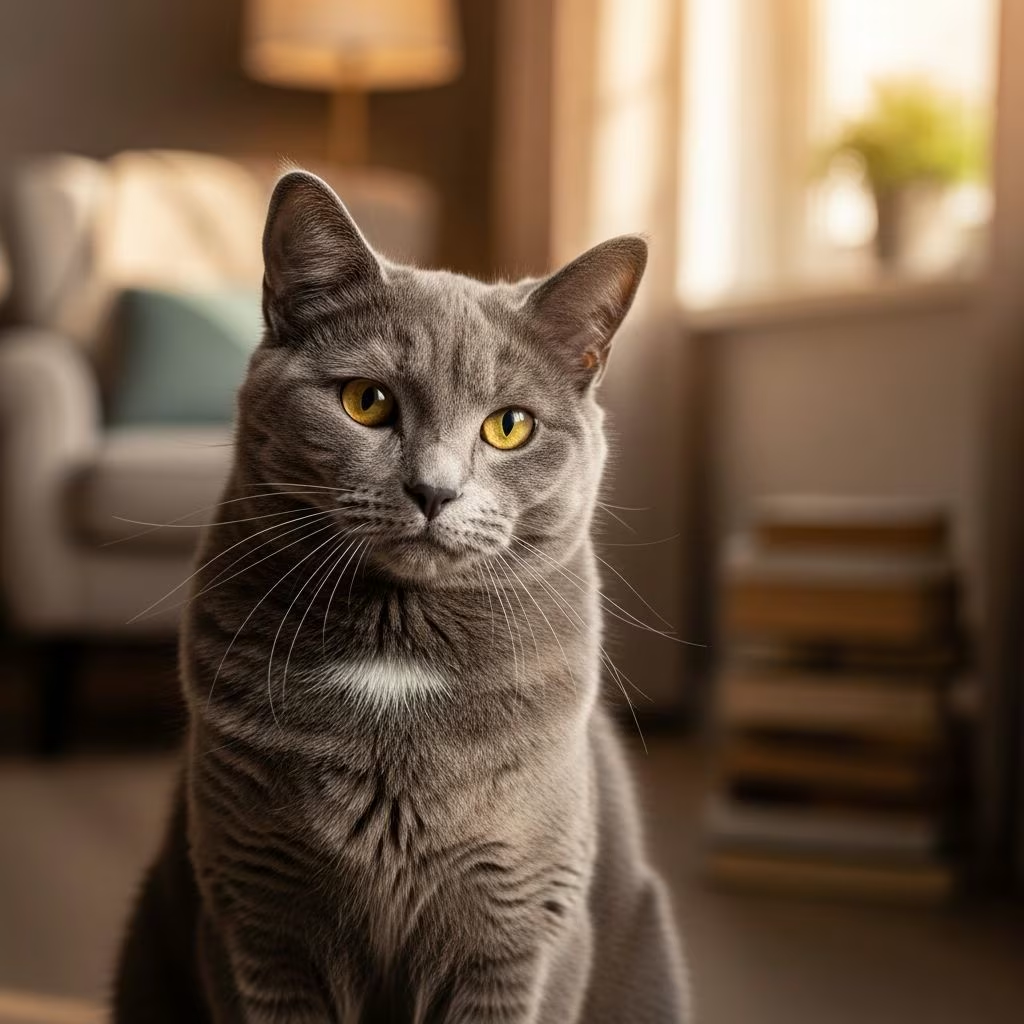
The Chartreux cat stands out as a timeless breed originating from France, prized for its striking blue-gray coat, vivid golden eyes, and surprisingly robust physique beneath a plush exterior. Known historically as exceptional hunters, these felines combine agility with a placid demeanor, making them versatile companions for diverse households.
Origins and Historical Significance
Chartreux cats trace their roots to the rugged landscapes of France, where they emerged as natural predators of rodents in monasteries and rural barns. References to these sturdy blue-coated cats date back centuries, with legends suggesting Carthusian monks selectively bred them for their resilience and hunting skills. Their survival through wars and hardships underscores a primitive robustness, distinct from more refined modern breeds.
By the 20th century, dedicated breeders revived the nearly extinct line, standardizing traits like the woolly coat and smiling expression. Today, organizations such as the Cat Fanciers’ Association recognize the Chartreux for its enduring qualities, blending ancient utility with contemporary appeal.
Physical Characteristics and Breed Standards
Chartreux cats possess a deceptively solid build: males typically weigh 10-17 pounds, females 7-12 pounds, with dense muscle creating a heavier feel than their size suggests. Their semi-cobby body features broad shoulders, a deep chest, short muscular neck, and fine-boned legs that support explosive agility—often likened to a “potato on toothpicks.”
The head forms a trapezoid shape, wide at the base with full cheeks and prominent jowls in mature males. Ears sit high and erect, while the straight, wide nose leads to a muzzle with whisker pads that craft a perpetual sweet smile. Most captivating are the large, rounded eyes in shades from amber-gold to deep copper, exuding alertness and warmth.
The hallmark coat is medium-short, dense, and woolly, with a resilient undercoat and protective topcoat in uniform ash-blue tones. Nose leather is slate-gray, lips blue, and paw pads rose-taupe. Seasonal thickening enhances water repellency, a nod to their wild heritage.
| Feature | Males | Females |
|---|---|---|
| Weight | 10-17 lbs | 7-12 lbs |
| Body Type | Large, muscular | Medium, dainty |
| Coat Density | Heaviest in maturity | Silky, thinner |
| Eye Color | Copper preferred | Amber-gold to copper |
This table highlights sexual dimorphism, with males maturing slower and developing thicker coats.
Temperament and Behavioral Traits
Chartreux cats embody tranquility wrapped in playfulness. Calm and observant, they navigate homes with curiosity minus aggression, excelling alongside children, dogs, and fellow pets. Their intelligence shines in problem-solving and routine adaptation, often bonding deeply with one human while extending affection broadly.
- Affectionate yet independent: They follow owners room-to-room but entertain themselves quietly.
- Low vocalization: Prefer chirps or silence over incessant meowing.
- Playful hunters: Retrieve toys, pounce with precision, and relish high perches.
- Adaptable travelers: Handle car rides, moves, or leashed walks with ease.
Unlike demanding breeds, Chartreux thrive on routine games in short bursts, then nap contentedly. Their dog-like traits—name response, fetching—delight owners seeking interactive yet undemanding companions.
Health and Wellness Considerations
Robust by nature, Chartreux enjoy longevity of 12-15 years, though vigilance against obesity is key due to their muscular frames. Monitor portion-controlled diets rich in protein to sustain lean mass without excess fat.
Common concerns include:
- Patellar luxation from fine legs under heavy bodies.
- Dental issues; weekly brushing prevents plaque.
- Hypertrophic cardiomyopathy screening via vets.
Annual checkups, vaccinations, and parasite prevention ensure vitality. Their dense coat repels minor elements, but age, sex, and climate influence woolliness.
Grooming and Daily Maintenance
Low-maintenance grooming suits the Chartreux: brush weekly to distribute oils and curb shedding, more in winter. Bathing is rare; their water-repellent fur self-cleans. Trim nails biweekly, clean ears monthly, and provide dental chews.
Exercise via interactive toys mimics hunting heritage, preventing boredom-induced weight gain. Vertical spaces like cat trees satisfy their love of heights.
Training and Enrichment Strategies
Leverage their sharp minds for training: teach fetch, leash manners, or tricks using positive reinforcement. Puzzle feeders engage intellect, while routines foster security. They learn from observing humans and peers, adapting swiftly to indoor life.
Socialize kittens early for optimal family integration. Avoid overfeeding treats during sessions.
Ideal Living Environments
Versatile Chartreux flourish in apartments or homes, indoors preferred for safety. They tolerate solitude yet appreciate company, suiting singles, families, or seniors. Ample play space and perches enhance well-being.
Nutrition Essentials for Optimal Health
Fuel their athleticism with high-quality, calorie-moderated food. Wet formulas aid hydration; divide dry kibble into meals. Seniors benefit from joint-supportive formulas. Consult vets for personalized plans, weighing quarterly.
Bringing a Chartreux Home: Adoption Tips
Seek reputable breeders or rescues adhering to health testing. Kittens mature slowly; expect playful persistence into adulthood. Prepare with scratching posts, toys, and quiet bonding time.
Frequently Asked Questions
Are Chartreux cats good with kids?
Yes, their gentle, patient nature makes them excellent family pets, tolerant of children’s energy.
How often should I groom a Chartreux?
Weekly brushing suffices; their coat requires minimal upkeep.
Do Chartreux cats meow a lot?
No, they are notably quiet, using chirps or silence.
Can Chartreux cats go outside?
Supervised outdoor access is fine, but indoor living protects their health.
What is the average lifespan of a Chartreux?
Typically 12-15 years with proper care.
Why Choose a Chartreux?
This breed offers a perfect balance: hunter’s prowess in a serene package. Their loyalty, adaptability, and minimal demands create joyful bonds. For those desiring a thoughtful feline friend, the Chartreux delivers enduring companionship.
References
- Chartreux Characteristics — Chartreux Cat Club UK. Accessed 2026. https://chartreuxcatclubuk.org.uk/about-the-breed/chartreux-characteristics-2
- Chartreux Cat Breed – Temperament, Personality and Characteristics — Hill’s Pet. Accessed 2026. https://www.hillspet.com/cat-care/cat-breeds/chartreux
- Chartreux Cats: Personality, Care, and Names — ASPCA Pet Insurance. Accessed 2026. https://www.aspcapetinsurance.com/resources/chartreux/
- Chartreux — Cat Fanciers’ Association. Accessed 2026. https://cfa.org/breed/chartreux/
- Chartreux Cat Breed Information — Purina UK. Accessed 2026. https://www.purina.co.uk/find-a-pet/cat-breeds/chartreux



