

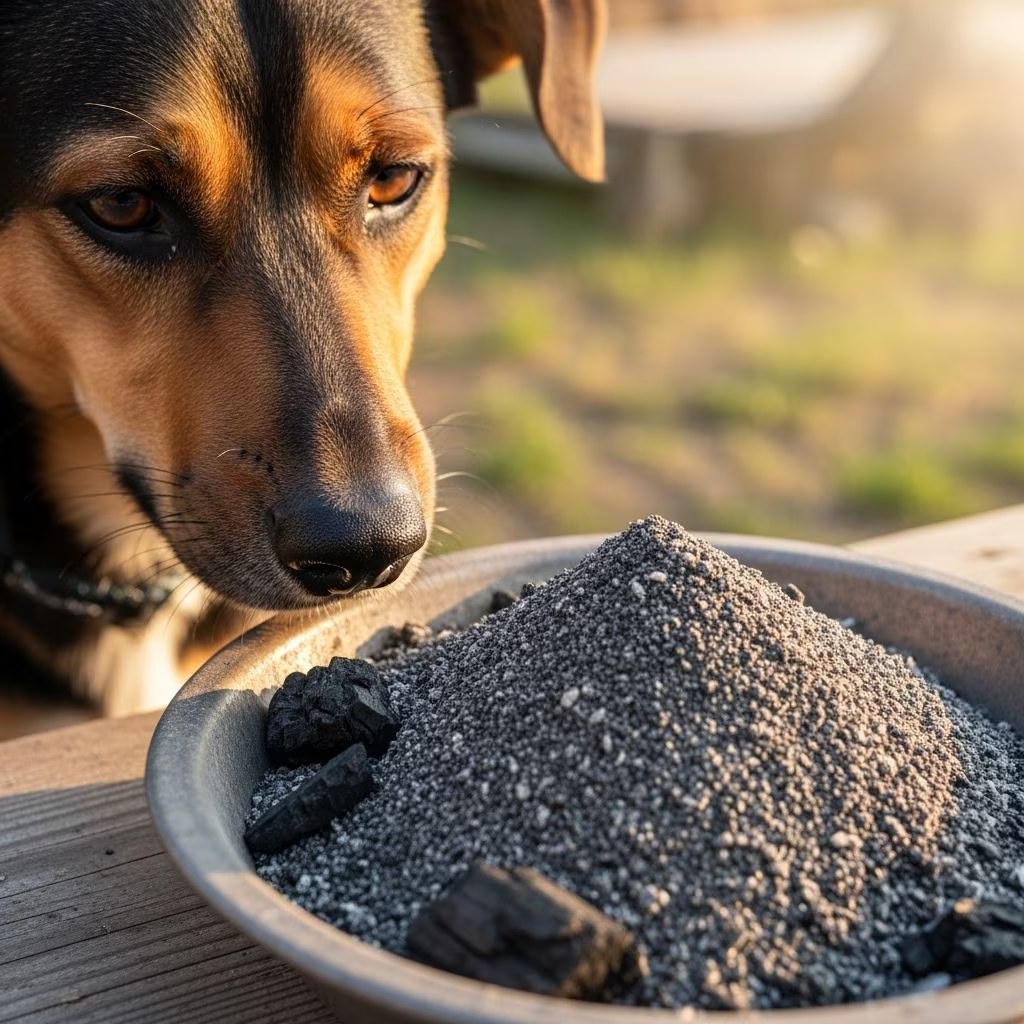
Barbecue season brings joy with sizzling meats and outdoor gatherings, but for dog owners, it also introduces unexpected hazards like charcoal ashes. These remnants from grills or fire pits may seem harmless, yet they pose significant health threats to curious canines who sniff them out. While plain charcoal briquettes aren’t inherently poisonous, the additives, residues, and physical properties can lead to serious issues ranging from digestive upset to life-threatening blockages.
Understanding the Composition of Charcoal Ashes
Charcoal ashes result from burned wood, briquettes, or lumps used in grilling. Standard briquettes often contain binders like starch and chemicals for uniform burning, while lump charcoal is purer but still absorbs environmental contaminants. The real concern arises from ignition sources: lighter fluid, commonly petroleum-based, leaves toxic residues even after burning. Ashes may also harbor partially combusted materials, salt from marinades, or fat drippings that irritate a dog’s sensitive gut.
Dogs lack the discernment to avoid these, driven by scent or boredom. Small breeds face amplified risks due to their size, where even a handful equals a large dose relative to body weight. Hot ashes exacerbate dangers, causing thermal burns to mouths and throats before ingestion.
Immediate Health Risks from Ingestion
When a dog consumes charcoal ashes, multiple threats emerge. Lighter fluid residues act as irritants and toxins, triggering gastrointestinal inflammation. Symptoms mimic poisoning: excessive drooling, vomiting, and diarrhea signal mucosal damage. Larger chunks risk foreign body obstruction in the esophagus, stomach, or intestines, potentially requiring surgical intervention.
- Chemical irritation: Burns from heat or fluid cause pain, hypersalivation, and reluctance to eat.
- Digestive disruption: Ashes alter gut pH, leading to loose stools or constipation as charcoal binds water.
- Systemic effects: Inhaled fine particles irritate lungs; absorbed toxins strain liver and kidneys.
- Blockage potential: Undigested briquettes swell in the stomach, halting normal function.
Activated charcoal, paradoxically, aids veterinary toxin treatment by adsorption, but raw grill ashes lack this refinement and carry impurities.
Recognizing Warning Signs in Your Dog
Act swiftly by monitoring for these indicators post-exposure. Early detection prevents escalation.
| Symptom | Description | Severity Level |
|---|---|---|
| Vomiting | Repeated expulsion of food or bile, possibly black-tinged from charcoal | Moderate to High |
| Diarrhea | Watery or bloody stools, often with ash residue | Moderate |
| Lethargy | Unusual tiredness, weakness, or hiding | High |
| Abdominal Pain | Hunched posture, whining, or guarding belly | High |
| Panting/Drooling | Excessive salivation or rapid breathing from mouth pain | Moderate |
| Loss of Appetite | Refusal of meals, pawing at mouth | Low to Moderate |
If multiple signs appear within hours, prioritize veterinary care. Small amounts in large dogs might pass unnoticed in stool, appearing as dark flecks.
Step-by-Step Response Protocol
Don’t panic, but methodically address the incident to minimize harm.
- Isolate and Secure: Remove the dog from the area, containing ashes to prevent re-exposure. Note the charcoal type (briquette vs. lump) and any lighter fluid used.
- Mouth Rinse: Offer cool water to drink and gently rinse the mouth with a damp cloth or hose spray. Avoid forcing if resistant, to prevent aspiration.
- Observe Closely: Track behavior for 24-48 hours. Withhold food briefly (4-6 hours) but ensure hydration.
- Contact Professionals: Call your vet or poison hotline (e.g., ASPCA Animal Poison Control) immediately. Provide details: amount ingested, time elapsed, dog size/breed, and symptoms.
- Vet Visit if Needed: Expect diagnostics like X-rays for blockages or bloodwork for toxicity. Treatments may include fluids, anti-emetics, or enemas.
Never induce vomiting without vet guidance, as charcoal can complicate aspiration.
Prevention Strategies for Safe Grilling
Proactive measures ensure barbecues remain fun without veterinary emergencies.
- Supervise outdoor time during and post-grilling; use baby gates or leashes.
- Cover grills securely and store fuels/ashes in sealed, elevated bins.
- Cool ashes fully before disposal in pet-inaccessible trash.
- Opt for natural starters like chimney igniters over fluids.
- Train ‘leave it’ commands and provide engaging toys to curb scavenging.
Cleanup promptly: sweep pits daily and hose residues away.
Special Considerations for Different Scenarios
Hot vs. Cold Ashes
Smoldering piles inflict burns rapidly; dogs may yelp or paw faces. Cold ashes seem safer but concentrate toxins.
Briquettes vs. Lump Charcoal
Briquettes’ additives heighten chemical risks; lumps are cleaner but fragment into sharp pieces.
Fire Pit vs. Grill Ashes
Wood ashes from pits may include treated logs or debris, adding heavy metals; always verify contents.
Veterinary Insights and Treatments
Vets often recommend monitoring for minor cases, but diagnostics confirm safety. X-rays detect obstructions; endoscopy removes lodged pieces. Supportive care—IV fluids, gastroprotectants—resolves most irritations within 72 hours. Activated charcoal administration (ironic therapy) binds residual toxins. Prognosis excels with prompt intervention; delays risk dehydration or perforation.
FAQs
Is a small amount of charcoal ash safe for my dog?
Typically, tiny quantities pass harmlessly in robust dogs, but always consult a vet due to variables like additives.
How long do symptoms take to appear?
Irritation shows in 1-4 hours; blockages in 12-48 hours.
Can ashes cause long-term damage?
Rarely from single incidents, but repeats strain organs; blockages demand surgery.
What if my dog ate lighter fluid directly?
This is highly toxic—seek emergency care for aspiration pneumonia risk.
Are there safe alternatives to traditional charcoal?
Yes, electric grills or propane eliminate ashes entirely.
Broader Implications for Pet Ownership
This issue underscores vigilance in human-pet shared spaces. Dogs’ exploratory nature clashes with household hazards; education empowers owners. Seasonal awareness peaks in summer, but year-round fire pits pose threats. Integrating safety into routines fosters harmony.
By grasping risks and responses, you safeguard your furry companion’s well-being amid everyday joys like backyard cookouts.
References
- My Dog Ate Charcoal! What Do I Do? Vet-Approved Advice — Dogster. 2023. https://www.dogster.com/dog-health-care/dog-ate-charcoal
- My Dog Ate Charcoal – Our Vet Explains What to Do — Hepper. 2024. https://articles.hepper.com/my-dog-ate-charcoal-vet-answer/
- My dog just ate ashes from the fire pit, should I be worried? — Dial A Vet. 2023. https://www.dialavet.com/vet-answers/dog-ate-ashes-concerns-4334



