

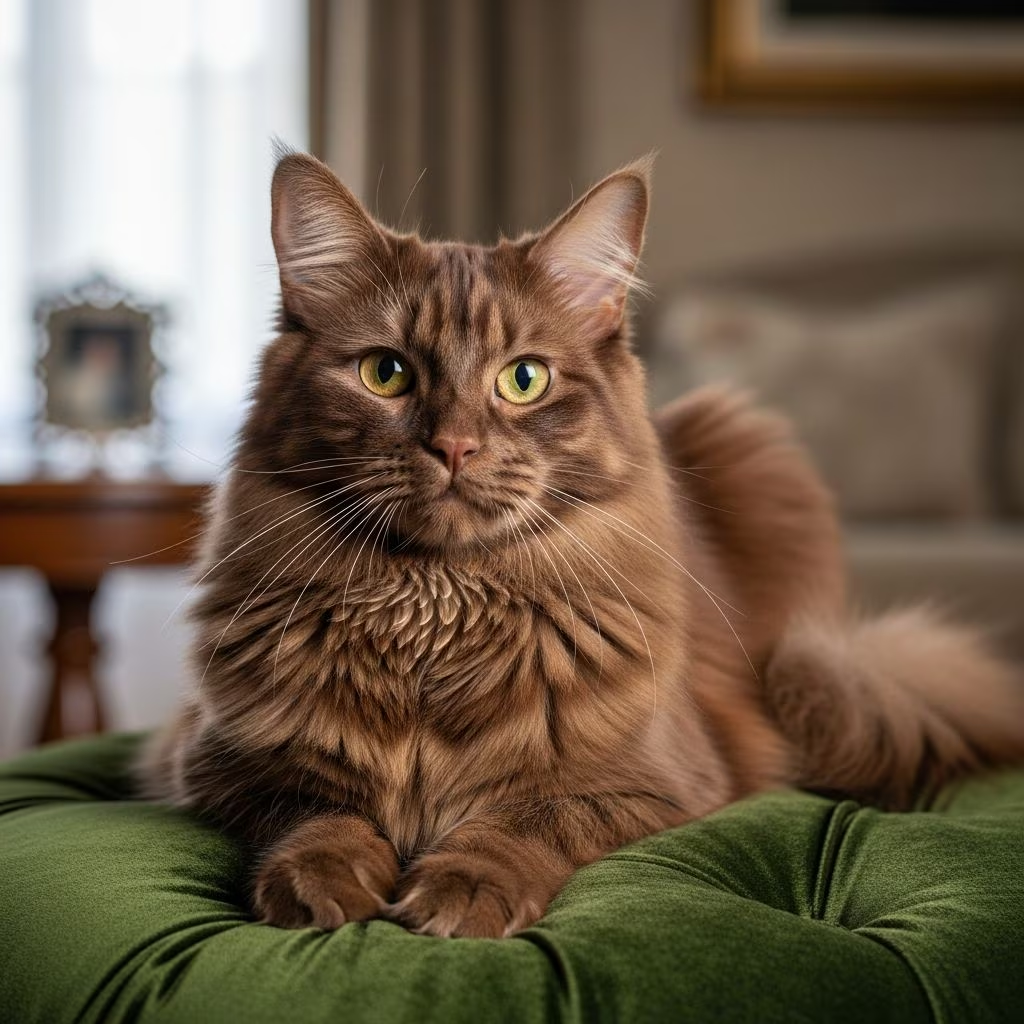
The Chantilly-Tiffany cat stands out as a captivating breed known for its elegant appearance and deeply affectionate nature. Originating in the United States during the late 1960s, this medium-sized feline combines a silky semi-long coat with a personality that often draws comparisons to dogs due to its loyalty and sociability.
Origins and Development of the Breed
The story of the Chantilly-Tiffany begins with a litter of foundation cats born in 1967 to a pair of seal point cats in White Plains, New York. These kittens surprised breeders by emerging with non-pointed coats in shades of chocolate and blue, marking the start of a new lineage. By 1969, the breed was formally recognized, initially under the name Tiffany, honoring a breeder named Jennifer East who played a pivotal role in its establishment.
Early development involved selective breeding to refine traits like the plush coat and balanced body structure. The breed faced near extinction in the 1990s due to limited gene pools but was revived through outcrossing efforts. Today, it thrives as a rare gem among longhaired cats, prized for its unique evolution from accidental mutations to a standardized companion breed.
Physical Characteristics and Appearance
Chantilly-Tiffany cats possess a semi-foreign body type, featuring a medium to large frame that typically weighs between 6 and 12 pounds for adults. Their length spans 16 to 20 inches from nose to tail base, creating a graceful, athletic silhouette without extremes in build.
The hallmark of the breed is its silky, semi-long coat, which lacks a dense undercoat, resulting in minimal shedding and a plush feel. The fur develops fully by age two, forming a ruff around the neck, furnishings in the ears, a petticoat on the hind legs, and a plumed tail. Coat colors vary widely, including chocolate, blue, cinnamon, fawn, lilac, platinum, silver, and black, with chocolate being the most iconic.
Distinctive golden eyes are another standout feature; they start bright in kittens and deepen to amber with maturity, adding expressiveness to the broad, modified wedge-shaped head with high cheekbones.
| Trait | Description |
|---|---|
| Body Size | Medium (6-12 lbs, 16-20 inches long) |
| Coat Length | Semi-long, silky, minimal undercoat |
| Eye Color | Golden to amber (deepens with age) |
| Common Colors | Chocolate, blue, fawn, lilac, platinum |
Temperament and Behavioral Traits
Renowned for their devoted and gentle disposition, Chantilly-Tiffany cats form strong bonds with family members, often following owners room to room like loyal shadows. They crave human interaction without being demanding, making them ideal for singles, seniors, or families.
These cats exhibit a dog-like quality through their trainability, playfulness, and responsiveness to voices. Vocalization comes in soft chirps rather than loud meows, facilitating charming “conversations.” Moderately active, they balance lounging with bursts of energy, enjoying toys and interactive play.
- Affectionate: Bonds deeply, prefers company over solitude.
- Playful: Loves toys, moderate exercise needs.
- Intelligent: Responds well to training and mental stimulation.
- Calm: Laid-back demeanor suits relaxed homes.
Compatibility with Families and Other Pets
Chantilly-Tiffanys shine in family environments due to their patience with children and tolerance for handling. Their sturdy build withstands playful tugs, and their docile nature prevents aggression.
With other pets, early socialization is key. They are generally non-territorial but may swat at rivals for attention, integrating well with dogs and cats if introduced properly.
Care and Grooming Essentials
Despite the luxurious coat, grooming is straightforward. Weekly brushing prevents matting and distributes natural oils, while the single coat minimizes shedding. Bathing is rare, as they self-groom effectively.
Nutrition control is vital to avoid obesity, as their semi-long fur can hide weight gain. High-quality, portioned diets support their 14-16 year lifespan.
- Nail trims: Every 2-3 weeks.
- Dental care: Weekly brushing, annual vet checks.
- Ear cleaning: Monthly, to prevent buildup.
Exercise and Enrichment Needs
Moderate activity suits their energy levels—interactive toys, scratching posts, and daily play sessions suffice. Vertical spaces like cat trees encourage natural behaviors without excessive exertion.
Health Considerations and Lifespan
Generally robust, Chantilly-Tiffanys live 7-16 years, with many reaching the upper range through proper care. Potential issues include genetic conditions like hypertrophic cardiomyopathy, common in some purebreds, underscoring the need for reputable breeders who screen for health.
Regular vet visits, vaccinations, and monitoring for potbellies or coat changes promote longevity. Their slow maturation means full growth by 2-3 years.
Training and Socialization Tips
Leveraging their intelligence, these cats excel in litter training, leash walking, and tricks. Positive reinforcement with treats and praise yields quick results. Early exposure to diverse people, sounds, and pets fosters confidence.
Acquiring a Chantilly-Tiffany Kitten
Rare status means seeking ethical breeders via cat associations. Expect waitlists; prices reflect quality pedigrees. Shelters occasionally have mixes. Prioritize health testing and kitten rearing standards.
Pros and Cons of Owning a Chantilly-Tiffany
| Pros | Cons |
|---|---|
| Highly affectionate and loyal | Rare breed, harder to find |
| Low-maintenance grooming | May vocalize frequently |
| Good with kids and pets | |
| Trainable and intelligent | Prone to jealousy |
Frequently Asked Questions (FAQs)
Are Chantilly-Tiffany cats hypoallergenic?
No, but their minimal shedding makes them suitable for allergy sufferers compared to double-coated breeds.
How much do they shed?
Low shedding due to single coat; weekly brushing manages loose fur effectively.
Do they like to be picked up?
Yes, they tolerate and enjoy handling, especially from familiar people.
What’s the best food for this breed?
High-protein, controlled-calorie kibble or wet food to maintain ideal weight.
Can they live in apartments?
Absolutely—their moderate energy fits small spaces with play opportunities.
References
- Chantilly-Tiffany Cat Breed Information & Characteristics — CatTime. 2023. https://cattime.com/cat-breeds/chantilly-tiffany
- Chantilly-Tiffany Cat Breed: Info, Pictures & Traits — Catster. 2023. https://www.catster.com/cat-breeds/chantilly-tiffany-cat/
- Chantilly Cat Breed – Temperament, Personality and Characteristics — Hill’s Pet. 2023. https://www.hillspet.com/cat-care/cat-breeds/chantilly
- Chantilly (or Tiffany) — PetMD. 2023. https://www.petmd.com/cat/breeds/c_ct_tiffany
- Chantilly-Tiffany — Wikipedia. 2023. https://en.wikipedia.org/wiki/Chantilly-Tiffany



