

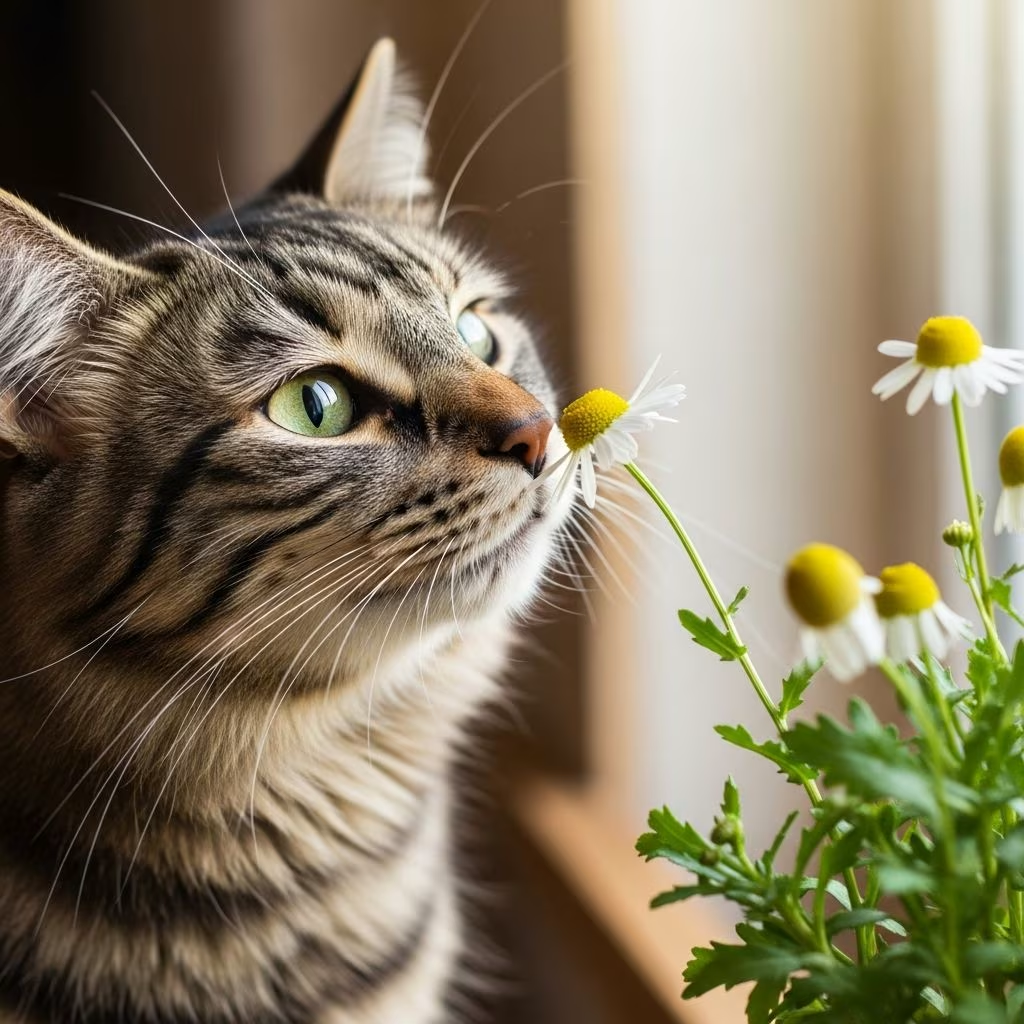
Chamomile, a popular herb known for its calming properties in humans, poses unique challenges for cat owners. While small, controlled amounts in specific products may offer minor benefits, the plant itself and certain forms can be toxic to cats, potentially causing gastrointestinal distress or worse. Veterinary experts emphasize caution, as cats’ sensitivity to its compounds heightens risks compared to other animals.
Understanding Chamomile’s Composition and Appeal
Chamomile belongs to the daisy family and contains active compounds like volatile oils, bisabolol, chamazulene, anthemic acid, and tannic acid, which contribute to its soothing reputation. These elements can influence digestion, inflammation, and relaxation in humans, leading many pet owners to wonder if similar effects apply to cats. However, felines metabolize herbs differently due to their unique liver enzymes, making what is benign for people potentially harmful for cats.
Two main varieties exist: German chamomile (Matricaria recutita) and Roman chamomile (Chamaemelum nobile). Both share similar chemical profiles, but toxicity reports primarily stem from Anthemis nobilis, listed as toxic by the ASPCA. Cat owners often encounter chamomile in teas, supplements, topical creams, or garden plants, sparking curiosity about home remedies for stress or tummy troubles.
Potential Upsides of Chamomile for Felines
In limited scenarios, chamomile might provide subtle relief. Its mild sedative qualities, linked to flavones like apigenin, could ease minor anxiety or aid sleep in stressed cats. Some commercial treats or supplements marketed for felines claim to promote relaxation, drawing from chamomile’s anti-inflammatory and antispasmodic traits that might soothe upset stomachs or skin irritations.
- Mild Anxiety Support: Short-term use may calm cats during travel or fireworks, though evidence is anecdotal and unproven in rigorous studies.
- Digestive Aid: Low doses could relax intestinal muscles, potentially helping with gas or mild colic.
- Skin Soothing: Diluted teas applied topically might reduce itchiness from allergies, but only under vet supervision.
Despite these possibilities, benefits remain largely unverified for cats. Limited research means claims on pet products lack backing from quality-controlled trials, and long-term effects are unknown. Vets like Dr. Jo Myers note that inconsistent chamomile concentrations in treats undermine reliability.
The Hidden Dangers: Why Chamomile Can Harm Cats
Cats are particularly vulnerable to chamomile toxicity due to their heightened sensitivity—up to 10 times more than dogs or humans. The ASPCA classifies the plant as toxic, with plant parts concentrating harmful chemicals that trigger adverse reactions. Ingesting stems, leaves, flowers, roots, or pollen can lead to poisoning, especially if consumed in gardens or discarded teas.
Key toxic principles include:
| Compound | Effect on Cats |
|---|---|
| Volatile oil, bisabolol, chamazulene | Contact dermatitis, skin rashes |
| Anthemic acid, tannic acid | Vomiting, diarrhea, anorexia |
| Hydroxycoumarins | Bleeding tendencies, epistaxis |
Even small exposures can provoke drooling or rashes, while larger amounts escalate to severe gastrointestinal issues. The ASPCA Poison Control reports cases of cats showing depression, lethargy, and nosebleeds after ingestion.
Recognizing Signs of Chamomile Overdose
Early detection is crucial for recovery. Symptoms vary by dose and exposure type but often appear within hours:
- Mild Reactions: Excessive drooling, skin redness, hyperactivity or lethargy.
- Moderate Symptoms: Vomiting, diarrhea, reduced appetite, soft stools.
- Severe Indicators: Bleeding (internal/external), hematomas, neurological signs like ataxia, seizures in extreme cases.
If ingestion exceeds safe thresholds—such as 13 mg/kg minimum toxic dose—liver damage or hypoglycemia may occur. Cats on medications face amplified risks from interactions, and repeated exposure can sensitize them over time.
Immediate Action Steps:
- Remove access to chamomile sources.
- Monitor for 24-48 hours; note all symptoms.
- Contact a vet or ASPCA Poison Control (888-426-4435) promptly.
- Avoid home remedies like milk or oils, which worsen outcomes.
Navigating Safe Usage: Dosage and Product Guidelines
No universal dosage exists due to variables like cat weight, health status, product strength, and concurrent treatments. Therapeutic ranges suggested in vet literature are 1-5 mg/kg, max 25 mg/day, but only vet-approved formulations qualify. Always prioritize professional input.
| Factor | Considerations |
|---|---|
| Body Weight | Smaller cats (under 5kg) need micro-doses |
| Product Type | Teas: Dilute 1:10; Avoid raw plant |
| Frequency | Short-term only; 1-3 days max |
| Monitoring | Stop if appetite drops or stools loosen |
Consult labels meticulously and disclose your cat’s full medical history. Dr. Carol Osborne stresses tailoring to age, weight, and conditions. Steer clear of essential oils or concentrated extracts, as they amplify risks.
Veterinary Perspectives on Herbal Alternatives
Experts universally advise against self-treating with chamomile. VCA Hospitals highlight cats’ drug sensitivities, which can emerge after initial tolerance. Safer options for anxiety include pheromone diffusers, prescription meds like gabapentin, or CBD vetted for pets. For digestion, probiotics or bland diets outperform herbs.
Proactive prevention trumps cure: Remove chamomile plants from yards, secure supplements, and educate household members. Regular vet check-ups catch sensitivities early.
Frequently Asked Questions (FAQs)
Can cats drink chamomile tea?
Diluted, weak tea in tiny amounts might be tolerated short-term, but risks outweigh benefits. Consult a vet first; plain water is safer.
Is topical chamomile safe for cat skin issues?
Weak infusions could soothe minor irritations, but test a small area and watch for rashes. Avoid if open wounds exist.
What if my cat ate a chamomile plant?
Seek emergency care immediately—toxicity can progress rapidly. Provide details on amount and time elapsed.
Are there chamomile-free calming treats for cats?
Yes, look for L-theanine, valerian root (vet-approved), or tryptophan-based options from reputable brands.
How long do chamomile side effects last in cats?
Mild cases resolve in 24 hours; severe toxicity may require days of supportive care.
In summary, while chamomile tempts as a natural aid, its toxicity profile demands restraint. Prioritize veterinary guidance to safeguard your cat’s well-being.
References
- Chamomile for Cats: Is It Safe? — Great Pet Care. 2023. https://www.greatpetcare.com/wellness/chamomile-for-cats/
- Selected herbal toxicities (Proceedings) — DVM360. 2022. https://www.dvm360.com/view/selected-herbal-toxicities-proceedings
- Toxic and Non-toxic Plants: Chamomile — ASPCA. 2024. https://www.aspca.org/pet-care/aspca-poison-control/toxic-and-non-toxic-plants/chamomile
- Chamomile — VCA Animal Hospitals. 2023. https://vcahospitals.com/know-your-pet/chamomile
- Top 8 Feline and Canine Toxic Plants — 1st Pet Veterinary Centers. 2024. https://1stpetvet.com/pet-health-information/top-8-feline-and-canine-toxic-plants-what-you-need-to-know/



