

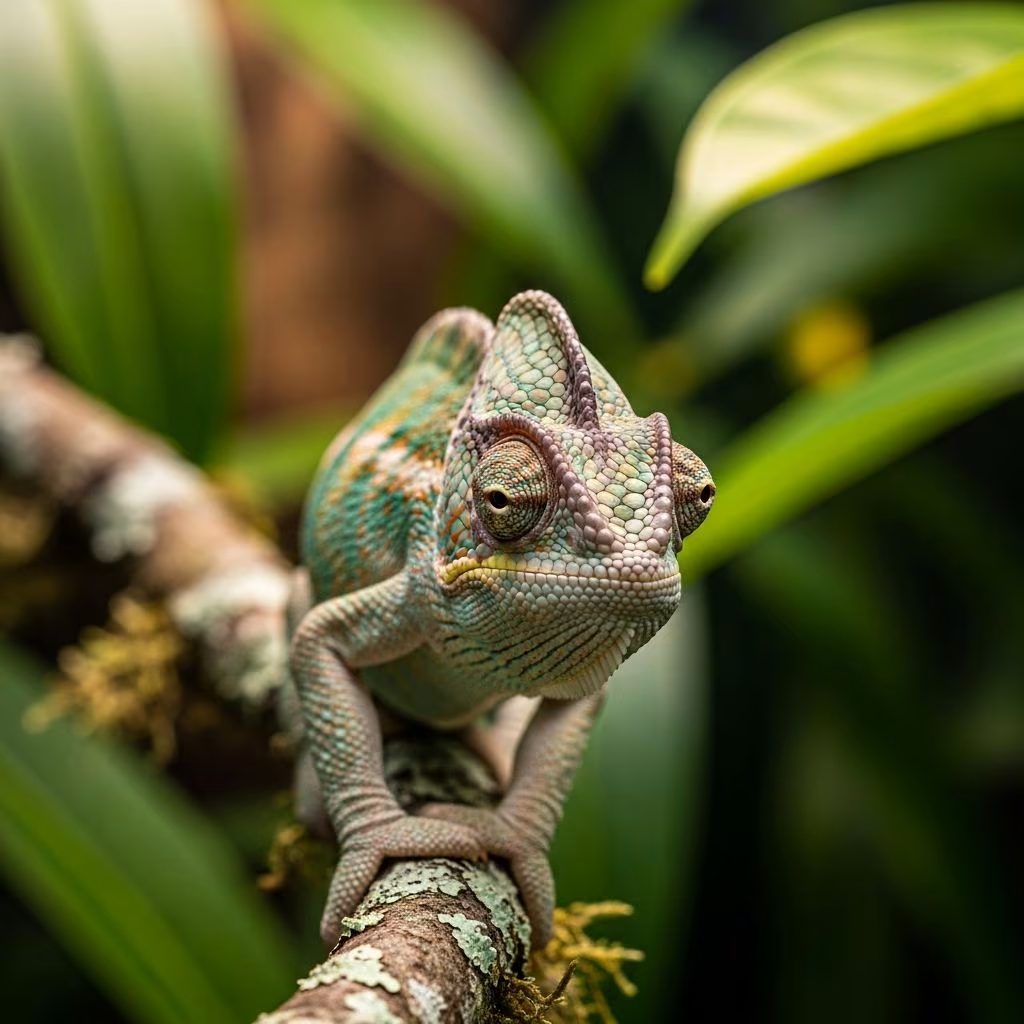
Vitamin A deficiency, known as hypovitaminosis A, poses a significant threat to pet chameleons, impairing vision, skin integrity, and immune function. This fat-soluble nutrient supports epithelial tissues, vision, and reproduction, but chameleons cannot efficiently convert plant-based beta-carotene into usable retinol, making direct supplementation essential.
The Critical Role of Vitamin A in Chameleon Physiology
Chameleons rely on vitamin A for maintaining healthy mucous membranes lining their eyes, mouth, and respiratory tract. It promotes normal cell differentiation, preventing overgrowth that blocks glands and ducts. Deficiencies disrupt growth, weaken immunity, and contribute to secondary infections. Unlike humans, who synthesize vitamin A from carotenoids, chameleons require preformed retinol from animal sources or supplements, as recent studies confirm their limited conversion ability.
Without adequate levels, chameleons face cascading health issues. Healthy skin sheds properly, eyes remain clear, and muscle function supports precise tongue projection for hunting. Deficient individuals exhibit stunted development and heightened disease susceptibility, underscoring the need for vigilant husbandry.
Common Indicators of Vitamin A Shortages
Early detection hinges on recognizing subtle changes progressing to severe signs. Owners often notice initial eye issues, such as closed lids or squinting, as vitamin A maintains corneal health and tear production.
- Eye-related problems: Swollen eyelids (blepharitis), mucus buildup, keratitis, or inability to open eyes fully, potentially leading to blindness if untreated.
- Skin and shedding issues: Dull coloration, retained shed (dysecdysis), swollen lips (cheilitis), or ear abscesses from blocked glands.
- Mouth and respiratory signs: Sore mouth tissues, nasal discharge, or recurrent infections due to compromised barriers.
- Neuromuscular symptoms: Poor tongue aim, weak grip, coordination loss, or spinal deformities mimicking metabolic bone disease (MBD).
- Systemic effects: Edema (fluid swelling), appetite loss, stunted growth, necrotic tail tips, or weight decline.
These manifestations vary by species; panther chameleons appear more prone, with tongue inaccuracies noted frequently. Forum experiences highlight appetite persistence despite other deficits, emphasizing comprehensive exams.
Root Causes Behind Nutritional Imbalances
Husbandry errors drive most cases. Inadequate multivitamins containing beta-carotene instead of retinol fail to deliver bioavailable vitamin A. Feeder insects, primary diet staples, must be gut-loaded with nutrient-rich foods; poorly nourished crickets or roaches pass on deficiencies.
Overreliance on limited feeders exacerbates risks. Chameleons thrive on variety—hornworms, silkworms, roaches—ensuring broad nutrient intake. Infrequent dusting or incorrect supplements compound issues, especially in veiled or Jackson’s chameleons under suboptimal UVB lighting, indirectly affecting nutrient metabolism.
| Cause | Impact on Chameleons | Prevalence |
|---|---|---|
| Beta-carotene multis | No usable vitamin A | High |
| Underfed insects | Nutrient-poor diet | Common |
| Monotonous feeders | Limited variety | Frequent |
| Infrequent supps | Chronic shortfall | Moderate |
Diagnosing Deficiencies Accurately
Veterinary assessment is crucial; symptoms overlap with MBD, parasites, or infections. Certified reptile vets perform physical exams, checking turret swelling (orbital abscesses from blocked ducts), eye flushes, or cultures. Bloodwork or biopsies confirm hypovitaminosis A, ruling out differentials like bacterial overgrowth secondary to mucosal damage.
Owners should track husbandry: supplement brands, feeding logs, enclosure parameters. Early intervention prevents permanence, as deformities like spinal curves may not fully resolve.
Veterinary Interventions and Home Care
Treatment demands professional oversight. Vets administer injectable or oral retinol, tailored to severity, alongside antibiotics for infections or fluids for dehydration. Hospitalization aids severe cases with force-feeding nutritional formulas.
Post-treatment, supportive measures include:
- Eye care: Saline flushes, lubricants, or anti-inflammatories.
- Skin management: Professional retained shed removal to avoid injury.
- Rehab exercises: Hand-feeding to strengthen tongue projection.
- Nutritional boosts: High-quality gut-loads and retinol multis.
Recovery timelines vary—weeks for eyes, months for growth. Panther chameleon owners report tongue improvements via persistence.
Proactive Prevention Strategies
Forestall deficiencies through evidence-based protocols. Select multivitamins listing retinol (e.g., Repashy SuperVite), dusting every 1-2 weeks. Gut-load insects 24-48 hours pre-feeding with carotenoid-rich veggies, though prioritizing preformed sources.
Enclosure optimization matters: Proper UVB (10-12 hour cycles), temperatures (basking 85-95°F, cool side 70-80°F), and hydration via misting support absorption. Diversify diet: Alternate crickets, roaches, worms for balance.
- Gut-load with premium blends.
- Dust with calcium sans D3 daily, multivitamin biweekly.
- Monitor weights, sheds, eyes monthly.
- Annual vet checkups.
Sun exposure aids some recoveries, mimicking natural UVB.
Species-Specific Considerations
Jackson’s chameleons show necrotic tails and MBD overlaps. Panthers face tongue woes. Veileds risk mouth abscesses. Tailor to needs: Smaller species need finer dosing.
Frequently Asked Questions
Can vitamin A deficiency cause blindness in chameleons?
Yes, untreated eye swelling and keratitis can lead to permanent vision loss; prompt vet care reverses most cases.
How often should I supplement vitamin A?
Biweekly with retinol-based multis, avoiding daily to prevent toxicity.
Is beta-carotene safe for chameleons?
No, most cannot convert it effectively; choose preformed retinol.
What if my chameleon won’t eat during treatment?
Syringe-feed formulas under vet guidance; address dehydration first.
Can outdoor time help vitamin A issues?
Limited UVB exposure may aid, but controlled supplements are primary.
Long-Term Management for Thriving Chameleons
Sustained health demands holistic care. Track progress via photos, weights. Community insights stress rehab patience. With diligence, chameleons rebound vibrantly, showcasing vivid colors and agility.
References
- Chameleon Vitamin A Deficiency: Symptoms & Treatment — ReptiFiles. 2023. https://reptifiles.com/jacksons-chameleon-care/sick-chameleon-health/vitamin-a-deficiency/
- Vitamin A deficiency symptoms — Chameleon Forums. 2010-01-15. https://www.chameleonforums.com/threads/vitamin-a-deficiency-symptoms.59664/
- Chameleon Diseases — VCA Animal Hospitals. 2024. https://vcahospitals.com/know-your-pet/chameleon–diseases
- Hypovitaminosis A in Leopard Geckos and Chameleons — Arizona Exotic Animal Hospital. 2023. https://azeah.com/lizards/hypovitaminosis-leopard-geckos-and-chameleons
- Vitamin A Deficiency in Chameleons — Chameleon Academy (YouTube). 2022-06-08. https://www.youtube.com/watch?v=tHTZ2hR8UcU
- Hypovitaminosis A — Reptile Rounds, Dr. Eric Los Kamp. 2023. https://wpvet.com/reptile-rounds/hypovitaminosis-a/
- Vitamin A Deficiency in Pet Reptiles — Veterinary Vision Center. 2024. https://veterinaryvisioncenter.com/vitamin-a-deficiency-in-pet-reptiles/



