

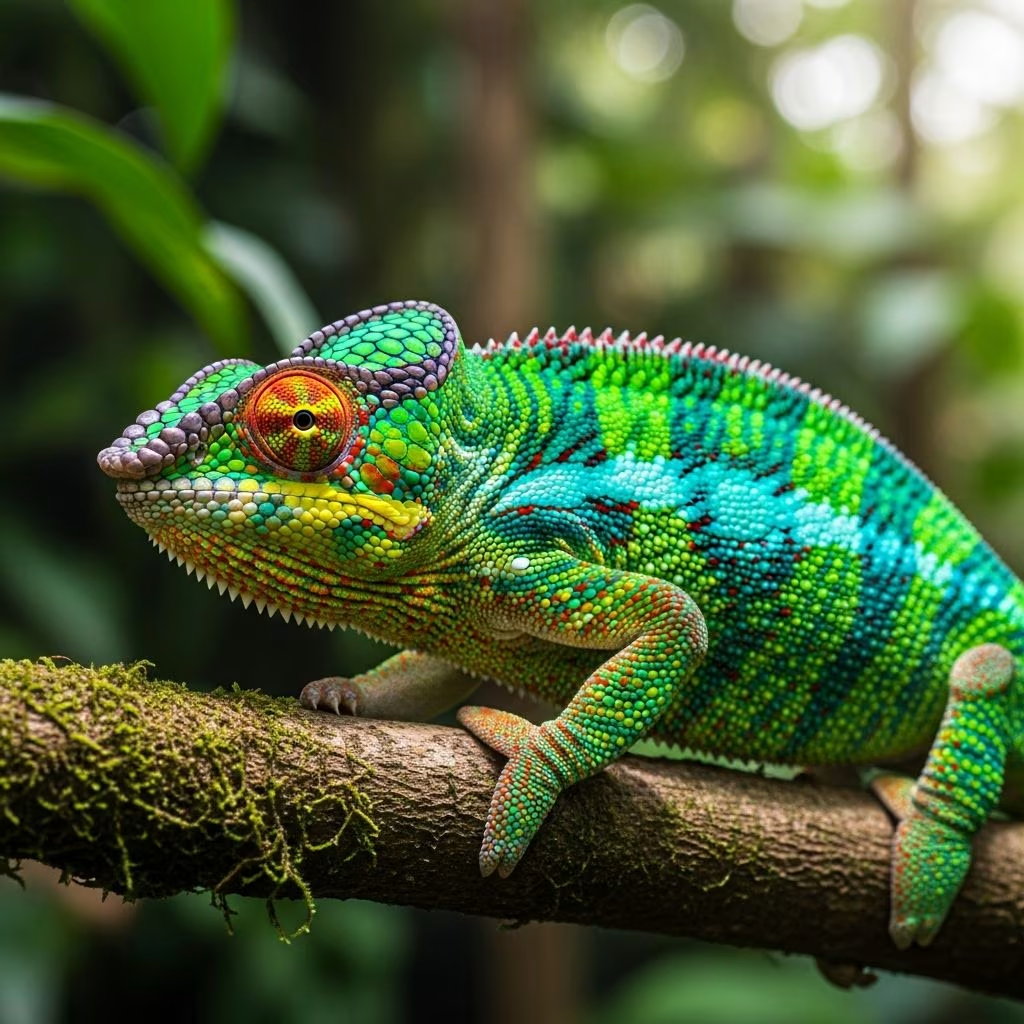
Chameleons are captivating pets known for their color-changing abilities and unique behaviors, but they are masters at concealing illness. By the time symptoms become obvious, the condition may be advanced. Recognizing subtle changes in appearance, movement, and habits can make the difference between a quick recovery and serious complications. This guide explores common health red flags, underlying causes, and proactive care strategies to keep your chameleon thriving.
Understanding Chameleon Physiology and Common Vulnerabilities
Chameleons rely on precise environmental conditions like temperature gradients, humidity levels, UVB lighting, and a varied diet to maintain health. Issues often stem from improper husbandry, such as inadequate lighting leading to metabolic bone disease (MBD) or low humidity causing dehydration. These reptiles hide weakness to avoid predators, so owners must monitor daily for deviations from normal patterns.
Healthy chameleons exhibit alert postures, vibrant colors during active periods, smooth breathing, and enthusiastic feeding. Any shift warrants close observation. Factors like age, species (e.g., veiled, panther), and recent changes in setup can influence symptom presentation.
Behavioral Indicators of Illness
Behavior offers the first clues to health problems. Active exploration and responsiveness define wellness; lethargy signals distress.
- Lethargy and Reduced Activity: A chameleon sleeping with eyes closed during daylight or spending excessive time in one spot indicates fatigue or pain. Normal rest occurs at night with eyes shut.
- Weak Grip and Balance Issues: Difficulty holding branches, frequent falls, or inability to climb points to muscle weakness, often from MBD or dehydration. Legs may tremble or fail to support weight.
- Grabbing Own Limbs: Pulling at legs or tail suggests nerve pain or bone deformities associated with calcium deficiency.
- Unusual Postures: Head tilting upward or gaping mouth while idle can signal respiratory distress or discomfort.
Track these over 24-48 hours; isolated incidents may be stress-related, but persistence demands action.
Visible Physical Symptoms
External changes are stark warnings. Regular handling (gently) allows baseline comparisons.
- Eye Abnormalities: Sunken eyes suggest dehydration or emaciation; swollen or crusted eyes indicate infection. Eyes should be bright and turret-like, moving independently.
- Skin and Color Changes: Dull, dark, or patchy coloration beyond normal mood shifts; bumps, lumps, or lesions signal infections or parasites.
- Mouth and Oral Issues: Blackened teeth, discolored gums, or excess saliva point to mouth rot (stomatitis), a bacterial infection thriving in poor hygiene.
- Tail and Body Condition: Blackened, swollen, or thin tails; visible cheekbones or ribs denote malnutrition or organ failure.
| Symptom | Possible Cause | Urgency |
|---|---|---|
| Sunken Eyes | Dehydration/Malnutrition | High |
| Swollen Eyes | Infection | Immediate |
| Weak Grip | MBD/Dehydration | High |
| Discolored Tail | Circulation Issues | Immediate |
Respiratory and Digestive Distress Signals
Breathing and elimination reveal internal health.
- Respiratory Problems: Wheezing, popping sounds, open-mouth breathing, or nasal discharge scream upper respiratory infection (URI), often from cool temperatures or stress.
- Digestive Alarms: Blood in feces, vomiting, prolapse (tissue extrusion), or orange urates (dehydration marker in waste) require urgent vet intervention.
- Appetite and Weight Loss: Refusal to eat for days, coupled with visible bones, indicates parasites, organ issues, or pain.
Normal feces are brown with white urates; deviations like bright orange signal kidney strain.
Skeletal and Neurological Red Flags
MBD is a husbandry crisis from UVB/calcium imbalance, causing deformed bones.
- Bone Deformities: Curved limbs, fractures, or soft jaws; tongue flicking fails or shortens.
- Neurological Signs: Tremors, head bobbing unnaturally, or uncoordinated movements.
Early MBD reverses with UVB upgrades and supplements; advanced cases are fatal.
Prevention Through Optimal Husbandry
Most illnesses trace to care errors. Maintain:
- Enclosure: Tall, screened with 60-80% humidity, 70-90°F gradients, dripper for hydration.
- Lighting: 10-12 hours UVB (e.g., T5 HO), full-spectrum for vitamin D3 synthesis.
- Diet: Gut-loaded insects dusted with calcium/D3; variety prevents deficiencies.
- Monitoring: Weekly weigh-ins, fecal checks for parasites, quarantine new pets.
Annual vet exams with fecal analysis catch issues early. Species-specific needs vary; research veiled vs. panther chameleons.
When to Seek Professional Help
Don’t wait for multiple symptoms. Rush to a reptile vet if:
- Any respiratory distress, prolapse, or fractures.
- Eyes unresponsive or protruding.
- Three+ symptoms persist 48 hours.
Transport in a warm, dark carrier. Vets may prescribe antibiotics, fluids, or husbandry audits.
FAQs: Chameleon Health Essentials
What if my chameleon has sunken eyes?
Increase misting and drippers; if no improvement in 24 hours, suspect deeper issues like dehydration or illness—vet check needed.
Is color change always a sickness sign?
No, but persistent darkening or spots beyond stress/mood indicates problems.
How do I prevent MBD?
Provide proper UVB, calcium-dusted feeders, no over-supplementation.
Normal poop vs. problematic?
Brown stool, white urates good; blood, orange urates, or diarrhea bad.
Can chameleons recover from URIs?
Yes, with prompt antibiotics and warmth correction.
Daily Health Checklist
| Check | Healthy Sign | Action if Absent |
|---|---|---|
| Activity | Alert, climbing | Check temp/humidity |
| Eyes | Bright, mobile | Boost hydration |
| Breathing | Silent, even | Vet for URI |
| Appetite | Eats readily | Fecal test |
| Waste | Normal color | Adjust diet |
References
- 25 Signs of a Sick Chameleon — Neptune the Chameleon. Accessed 2026. https://www.neptunethechameleon.com/signs-of-a-sick-chameleon
- Pet Chameleon Health Issues & Symptoms — Bird Exotic Vet. 2018-07-17. https://www.birdexoticsvet.com/post/2018/07/17/chameleon-critical-health-issues-symptoms
- 25 Signs your Chameleon is SICK — YouTube (Chameleon Channel). Accessed 2026. https://www.youtube.com/watch?v=Rqpy9yOCyc8
- 10 Indicators of a Happy and Healthy Chameleon — Chameleons101. Accessed 2026. https://chameleons101.com/10-indicators-of-a-happy-and-healthy-chameleon-the-ultimate-guide-to-chameleon-care/
- Body & Behavior – Chameleon Forums — Chameleon Forums. Accessed 2026. https://www.chameleonforums.com/care/health/body-behavior/



