

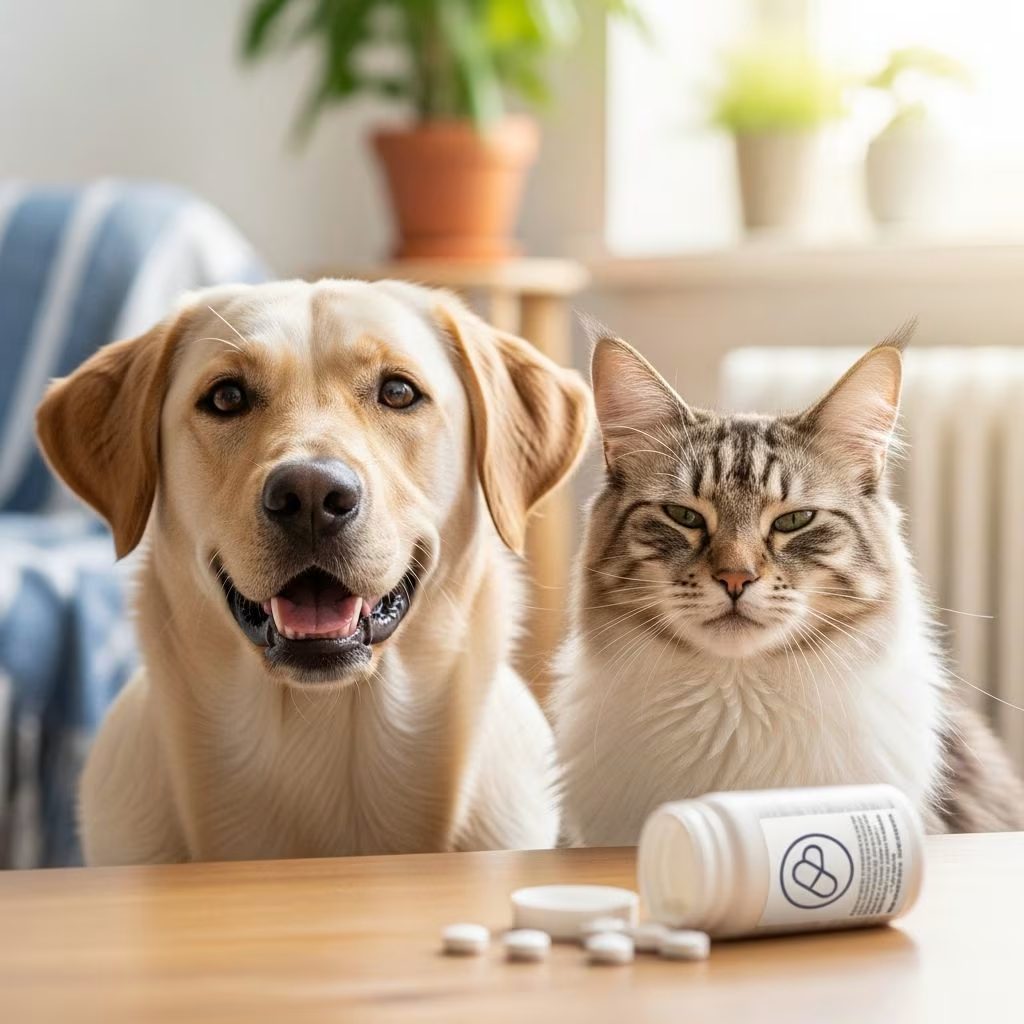
What is Cetirizine?
Cetirizine, commonly known by brand names Zyrtec and Reactine, is a second-generation antihistamine medication used to treat and prevent pruritus (itching) associated with various allergic conditions in both dogs and cats. This nonsedating antihistamine works by blocking histamine receptors, thereby preventing the release of histamine throughout the body in response to allergens. Cetirizine is particularly effective for managing symptoms of atopic dermatitis, urticaria (hives), and insect bite reactions in companion animals.
In response to the presence of certain allergens—foreign proteins that trigger immune responses—the immune system releases histamine, a chemical messenger responsible for triggering allergy symptoms. By blocking histamine receptors, cetirizine effectively interrupts this cascade, providing relief from itching and other allergic manifestations. The medication may also be used to manage respiratory allergy symptoms in pets, making it a versatile treatment option for various allergic presentations.
It is important to note that the use of cetirizine in cats and dogs is considered “off-label,” meaning it is not specifically approved by regulatory agencies for veterinary use. However, off-label use of medications is common and widely accepted in veterinary medicine when deemed appropriate by licensed veterinarians.
How Cetirizine is Administered
Cetirizine is administered orally to pets in the form of tablets or syrup. The medication can be given with or without food, providing flexibility in administration. Pet owners should follow their veterinarian’s specific dosing instructions carefully to ensure optimal therapeutic benefit and minimize the risk of adverse effects.
It is crucial never to administer double doses or extra doses if a dose is missed, as this could increase the risk of side effects or toxicity. If you are uncertain about proper administration or have concerns about dosing, contact your veterinarian for clarification before administering the medication.
Potential Side Effects
While cetirizine is generally well-tolerated in most pets, certain side effects may occur. Pet owners should be aware of these potential reactions and monitor their animals throughout the course of treatment.
Common side effects may include:
– Vomiting and increased salivation (rare occurrences)- Sleepiness in small dogs and cats, particularly at higher doses- General sedation or drowsiness
Drug sensitivities can develop over time with repeated exposure to cetirizine. It is possible that a pet may show no adverse reaction after the first few doses but may develop sensitivity later in the course of treatment. This makes it essential to monitor your pet continuously for signs of allergic reactions throughout the entire treatment period.
Any side effects that are severe or worsen should be reported to your veterinarian immediately. If you notice anything unusual in your pet’s behavior or physical condition during treatment, contact your veterinary clinic right away. This short-acting medication should stop working within 24 hours in most cases, although effects may be prolonged in pets with liver or kidney disease.
Cautions and Contraindications
Cetirizine should be used with caution in pets with certain medical conditions. Your veterinarian should be informed of your pet’s complete medical history before starting this medication.
Use cetirizine with caution in pets that have:
– Seizure disorders- Difficulties urinating or constipation- Thyroid problems or prostatic enlargement- Heart, kidney, or liver disease- Glaucoma- Senior age- Working dogs (as sleepiness may impair performance)- Pregnancy or nursing status
Additionally, cetirizine should not be used in pets with hypersensitivity to the medication or to hydroxyzine (Atarax, Vistaril). Pet owners must inform their veterinarians if their animals have any of these conditions or sensitivities before beginning treatment.
Drug Interactions
Several medications should be used cautiously when given concurrently with cetirizine. The most significant interaction involves central nervous system (CNS) depressants, which can enhance sedative effects when combined with cetirizine.
Medications that may interact with cetirizine include:
– Diazepam (Valium)- Alprazolam (Xanax, Niravam)- Other central nervous system depressants
Cetirizine may also interact with intradermal allergy testing and should be discontinued at least two weeks before such testing is performed. Be sure to provide your veterinarian with a complete list of all medications, vitamins, supplements, and herbal therapies your pet is currently taking before starting cetirizine treatment. This comprehensive medication history helps your veterinarian identify potential drug interactions and adjust treatment protocols accordingly.
Important Safety Considerations
Pseudoephedrine-Containing Products: It is critical to avoid combination products containing pseudoephedrine in dogs and cats. While cetirizine alone is generally safe, products that combine cetirizine with pseudoephedrine can be serious in pets and may cause overdose complications.
Overdose Risk: While the risk of overdose from cetirizine alone is relatively low, overdoses involving products containing pseudoephedrine can be serious. If you suspect an overdose or an adverse reaction, contact your veterinary office immediately. If they are not available, follow their directions for contacting an emergency facility. Have the following information ready:
– The specific product name and formulation- Your pet’s weight- Current symptoms being observed- Time the medication was administered
Monitoring and Veterinary Reassessment
No specific monitoring is necessary for cetirizine use in most pets. However, your veterinarian will determine when and how they want to reassess your pet to ensure the medication is working effectively and not causing adverse side effects.
At home, monitor your pet for any of the side effects noted above. If any adverse effects occur, discontinue the medication and contact your veterinarian. Regular communication with your veterinary team ensures that treatment remains optimized for your pet’s individual needs and health status.
Your veterinarian may recommend periodic check-ups to evaluate the medication’s efficacy, especially if the initial response is not satisfactory or if your pet’s condition changes. These reassessments help ensure that cetirizine remains the appropriate treatment choice and that dosing is optimized for your pet’s current health status.
Special Populations
Senior Pets: Cetirizine should be used with caution in elderly animals, as elimination of the medication may be slower in senior pets. Additionally, older animals are more likely to have underlying conditions that could interact with cetirizine therapy.
Pets with Liver or Kidney Disease: Animals with compromised liver or kidney function may experience prolonged medication effects, as these organs are responsible for metabolizing and eliminating cetirizine from the body. Effects of the medication may last longer than the typical 24-hour window in these patients.
Pregnant and Nursing Animals: Cetirizine should generally be avoided in pregnant or nursing pets unless specifically recommended by a veterinarian, as safety in these populations has not been thoroughly established.
Frequently Asked Questions
Q: Can I give my dog cetirizine meant for humans?
A: While cetirizine formulations are the same in human and veterinary products, you should always consult your veterinarian for proper dosing and to ensure your dog does not have contraindications. Never use combination products containing pseudoephedrine. Your veterinarian can provide appropriate guidance on product selection and dosing for your specific pet.
Q: How long does it take for cetirizine to start working?
A: Cetirizine typically begins working relatively quickly, though the exact timeline varies among individual pets. Some pets may show improvement in itching within a few hours, while others may require several days of consistent treatment to demonstrate noticeable improvement. Your veterinarian can provide guidance on what to expect with your pet’s specific situation.
Q: Is cetirizine safe for cats?
A: Yes, cetirizine can be used safely in cats when prescribed and dosed appropriately by a veterinarian. Cats may be more prone to drowsiness than dogs, particularly at higher doses, so careful monitoring is important.
Q: What should I do if I miss a dose?
A: If you miss a dose, administer the next dose at the regularly scheduled time. Never double up on doses or give extra doses to make up for a missed dose, as this could increase the risk of side effects or toxicity.
Q: Can cetirizine be used long-term in pets?
A: Cetirizine can be used for extended periods under veterinary supervision. However, drug sensitivities may develop over time with repeated exposure, and your veterinarian may recommend periodic reassessments to ensure continued effectiveness and safety.
Q: Are there alternative allergy medications if cetirizine doesn’t work?
A: Yes, several other antihistamines are available for pets, including diphenhydramine (Benadryl) and loratadine (Claritin). Your veterinarian can discuss alternative treatment options if cetirizine is not providing adequate relief or if your pet experiences intolerable side effects.
Q: Will cetirizine make my working dog too sleepy to perform?
A: Sleepiness can occur, particularly with higher doses, which may impair working dogs’ ability to perform their duties. If your pet is a working dog, discuss alternative treatment options with your veterinarian that may be less likely to cause sedation.
References
- Cetirizine for Veterinary Use — VCA Animal Hospitals. 2024. https://vcahospitals.com/know-your-pet/cetirizine
- How Cetirizine Works: Antihistamine Mechanism — PetMD. 2024. https://www.petmd.com/pet-medication/cetirizine-dogs
- Over-the-Counter Medications Safe for Dogs — VCA Animal Hospitals. 2024. https://vcahospitals.com/know-your-pet/are-over-the-counter-medications-safe-for-my-dog
- Treatment Instructions for Allergies in Dogs — VCA Animal Hospitals. 2024. https://vcahospitals.com/know-your-pet/treatment-instructions-for-allergies-in-dogs
- Management of Allergic Skin Diseases in Dogs and Cats Guidelines — American Animal Hospital Association (AAHA). 2023. https://www.aaha.org/guidelines
- Cetirizine-Induced Hepatotoxicity: Case Series and Review — National Center for Biotechnology Information (NIH/NCBI). 2018. https://pmc.ncbi.nlm.nih.gov/articles/PMC6101603/



