

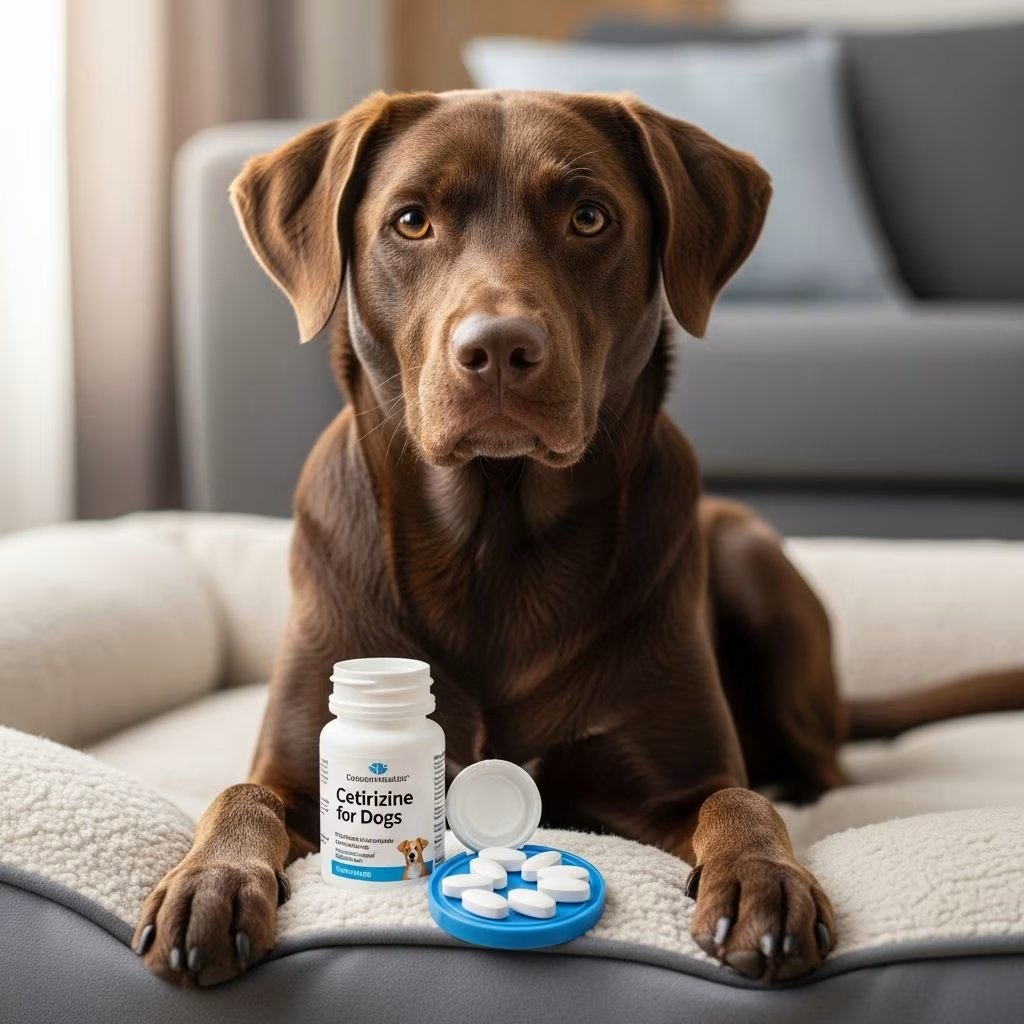
Cetirizine hydrochloride, commonly known as the generic form of Zyrtec, serves as a second-generation antihistamine that blocks histamine effects to alleviate allergic reactions in dogs. Veterinarians often prescribe it off-label for conditions like atopic dermatitis and environmental allergies, providing relief from itching and inflammation without FDA approval specifically for veterinary use.
Understanding How Cetirizine Works in Canine Bodies
Histamine release triggers many allergy symptoms in dogs, such as intense itching, redness, and swelling. Cetirizine targets H1 receptors, preventing histamine from binding and causing these issues. Unlike first-generation antihistamines, it minimally crosses the blood-brain barrier, reducing drowsiness risks.
In canine pharmacokinetics, cetirizine at 1 mg/kg orally inhibits immediate hypersensitivity to allergens like histamine or antigens, offering targeted relief. Studies show it reduces pruritus in about 18% of dogs with atopic dermatitis when dosed daily.
Primary Conditions Treated with Cetirizine in Dogs
- Atopic Dermatitis: This genetic skin disorder causes chronic itching and infections; cetirizine helps manage flare-ups alongside other therapies.
- Seasonal and Environmental Allergies: Pollen, dust, or mold trigger symptoms like paw licking and ear issues; cetirizine eases these during peak seasons.
- Insect Bites and Hives: Acute reactions from stings or urticaria respond well to its anti-inflammatory action.
- Vaccination or Transfusion Reactions: Mild allergic responses post-procedure can be controlled effectively.
While effective as an adjunct, cetirizine alone may not suffice for severe cases, often combining with steroids or apoquel for better outcomes.
Recommended Dosage Guidelines for Dogs
Veterinary guidance is essential, as dosages depend on weight, age, and health status. The standard range is 0.5 to 1 mg per pound of body weight (1 mg/kg), given orally every 12-24 hours.
| Dog Weight (lbs) | Low Dose (0.5 mg/lb) | Standard Dose (1 mg/lb) | Frequency |
|---|---|---|---|
| 10-20 | 5-10 mg | 10-20 mg | Every 12-24 hrs |
| 21-50 | 10.5-25 mg | 21-50 mg | Every 12-24 hrs |
| 51-100 | 25.5-50 mg | 51-100 mg | Every 12-24 hrs |
Administer plain cetirizine tablets or liquid; avoid formulations with pseudoephedrine (e.g., Zyrtec-D), which is toxic to dogs. No tapering needed upon discontinuation.
Administering Cetirizine: Practical Tips for Pet Owners
Offer tablets whole or crushed into food for picky eaters. Liquid forms suit smaller dogs, ensuring accurate measurement with a syringe. Monitor initial doses for tolerance, starting low if the dog is sensitive.
- Give with or without food to minimize stomach upset.
- Store at room temperature, away from moisture.
- Track symptoms in a journal to assess efficacy over 1-2 weeks.
Compounded flavors like chicken oil suspension improve compliance in finicky dogs.
Potential Side Effects and Monitoring
Cetirizine is generally well-tolerated, with mild effects in most dogs. Common ones include:
- Vomiting (rare, resolves quickly)
- Excessive salivation
- Mild drowsiness, especially in small breeds
Serious reactions are uncommon; a clinical trial reported side effects in only 9% of atopic dogs, mostly transient vomiting. Watch for lethargy or gastrointestinal distress, and contact a vet if persistent. Overdose risks are low but can cause hyperactivity or tremors—seek emergency care immediately.
Precautions and Contraindications
Avoid in dogs with known hypersensitivity to cetirizine or hydroxyzine. Use caution in those with glaucoma, seizures, or prostate issues. Not recommended for pregnant/lactating dogs without vet approval. Drug interactions with sedatives or anticholinergics may amplify effects.
Regular bloodwork ensures kidney/liver function supports long-term use, though cetirizine has a favorable safety profile.
Effectiveness: What Studies and Vets Say
A randomized trial with 23 atopic dogs found cetirizine reduced pruritus satisfactorily in 18%, outperforming some antihistamines in tolerability. Vets value its once-daily dosing and low sedation, ideal for adjunct therapy.
Response varies; about 20-30% of dogs show significant improvement, best in early-stage allergies.
Alternatives and Complementary Treatments
| Treatment | Best For | Pros | Cons |
|---|---|---|---|
| Apoquel | Severe pruritus | Fast-acting | Prescription only, costly |
| Cytopoint | Chronic atopy | Monthly injection | Expensive |
| Benadryl | Acute reactions | OTC, cheap | Sedating |
| Omega-3 Supplements | Mild allergies | Natural anti-inflammatory | Slow results |
Combine with hypoallergenic diets, medicated shampoos, or flea preventives for holistic management.
Frequently Asked Questions (FAQs)
Can I give my dog human Zyrtec?
Yes, plain cetirizine (Zyrtec) is safe under vet direction, but confirm no added ingredients like pseudoephedrine.
How long does it take for cetirizine to work in dogs?
Relief often starts within 1-2 hours, peaking at 24 hours; full benefits may take days.
Is cetirizine safe for puppies or senior dogs?
Dose-adjusted use is possible, but consult a vet for age-related adjustments.
What if my dog vomits after taking cetirizine?
Try with food or switch forms; persistent issues warrant vet review.
Can cetirizine treat food allergies in dogs?
It’s less effective for food allergies; elimination diets are primary.
Long-Term Management Strategies for Allergic Dogs
Integrate cetirizine into a multimodal plan: regular grooming reduces allergen load, air purifiers minimize indoor triggers, and annual allergy testing identifies culprits. Track seasons for pollen peaks and adjust dosing proactively.
Consult dermatology specialists for refractory cases, exploring immunotherapy for lasting remission.
References
- Fast Relief Allergy Meds for Dogs: Cetirizine Hydrochloride 10mg — HardyPaw. 2023. https://hardypaw.com/products/cetirizine-hydrochloride-tablets-10mg-tablets
- Cetirizine for dogs: Dosage and safety of generic Zyrtec — SingleCare. 2024-02-15. https://www.singlecare.com/blog/cetirizine-for-dogs/
- Cetirizine (Zyrtec) for Dogs and Cats: Uses & Dosage Guide — PetPlace. 2023. https://www.petplace.com/article/drug-library/drug-library/library/cetirizine-zyrtec-for-dogs-and-cats
- Treatment of canine atopic dermatitis with cetirizine, a second generation antihistamine: a single-blinded, placebo-controlled study — PMC (PubMed Central). 2000-05-01. https://pmc.ncbi.nlm.nih.gov/articles/PMC548625/
- Cetirizine for Dogs — PetMD. 2024. https://www.petmd.com/pet-medication/cetirizine-dogs
- CETIRIZINE HYDROCHLORIDE — Mar Vista Animal Medical Center. 2023. https://www.marvistavet.com/cetirizine-hydrochloride.pml



