

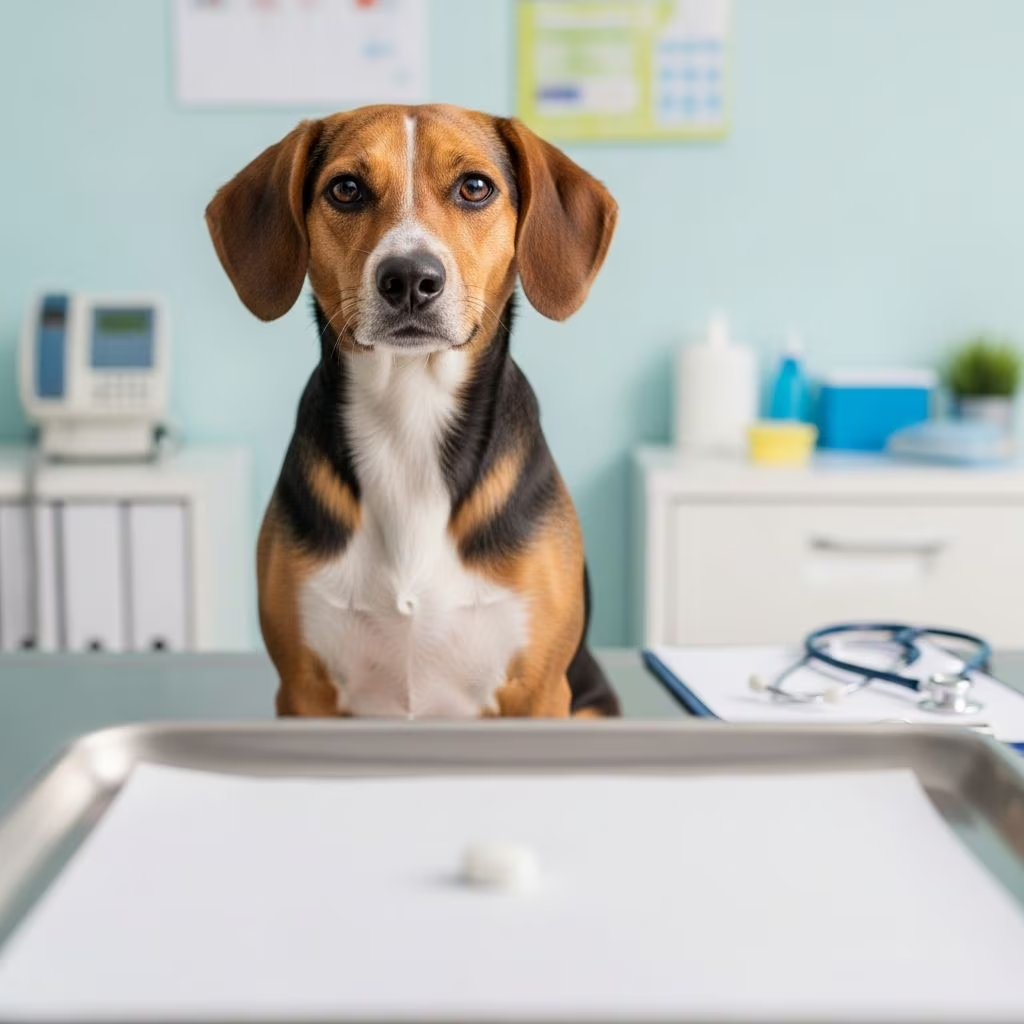
Cerenia, known scientifically as maropitant citrate, stands as a leading prescription medication for controlling vomiting and nausea in dogs. This FDA-approved antiemetic targets the brain’s vomiting center, offering relief from various triggers including car rides and post-surgical recovery.
Understanding the Role of Cerenia in Canine Care
Vomiting in dogs disrupts daily life and can signal underlying health problems. Traditional treatments like metoclopramide or ondansetron exist, but veterinarians increasingly turn to Cerenia for its targeted action and reliability. By inhibiting substance P—a neurotransmitter linked to the vomiting reflex—Cerenia prevents nausea signals from reaching the emetic center in the brain, regardless of the cause.
This mechanism proves especially valuable for motion sickness, where up to 24.5% of dogs experience hypersalivation and 18% vomit during car travel. Administered ahead of trips, it ensures calmer journeys.
Primary Applications for Cerenia in Dogs
Cerenia addresses multiple vomiting scenarios:
- Motion Sickness Prevention: Ideal for car, boat, or plane travel. Give tablets two hours prior to departure for peak effectiveness.
- Acute Vomiting Control: Manages sudden episodes from dietary indiscretion, gastroenteritis, or infections.
- Post-Operative Nausea: Reduces vomiting after anesthesia, aiding recovery.
- Chemotherapy Support: Alleviates treatment-induced nausea, though stronger options may supplement in severe cases.
- Chronic Conditions: Off-label use for issues like acid reflux, kidney disease, or collapsing trachea coughing.
Its versatility stems from central nervous system action, blocking vomiting at the source rather than just the gut.
Forms of Cerenia and Administration Methods
Cerenia comes in two main forms for flexibility:
| Form | Onset Time | Duration | Best For |
|---|---|---|---|
| Injectable (IV, SQ) | Minutes (IV) to 1-2 hours | Up to 24 hours | Hospital use, surgery |
| Tablets | 1-2 hours | 24 hours | Home use, travel |
Injectables suit clinic settings, with professionals handling to avoid site reactions. Tablets allow home dosing, flavored for palatability.
Dosing Guidelines by Age and Purpose
Dosage varies by weight, age, and indication. Always consult a vet for precise calculations.
- Acute Vomiting (Dogs 2+ months): 0.9 mg/lb orally or injectable, once daily up to 5 days.
- Motion Sickness (Dogs 4+ months): 3.6 mg/lb orally, given daily for up to 2 days, starting 2 hours before travel.
Puppies under 2 months require alternatives due to safety data limits. Overdosing risks amplify side effects, so measure carefully.
Who Can Safely Receive Cerenia?
Approved for dogs from 2 months (acute vomiting) or 4 months (motion sickness). Puppies often face more car sickness, making it timely. Use caution in pregnant, breeding, or lactating dogs—safety unestablished. Avoid in pups with liver issues, as metabolism occurs there.
Potential Side Effects and Monitoring
While well-tolerated, watch for:
- Lethargy or drowsiness
- Excessive salivation
- Diarrhea or appetite loss
- Paradoxical vomiting
- Injection site pain/swelling
Rare severe reactions include allergic responses. Discontinue and seek vet care if symptoms persist. Effects typically resolve post-treatment.
Drug Interactions and Precautions
Cerenia pairs safely with many meds but may enhance sedatives. Avoid in dogs on strong CYP3A4 inhibitors. Inform vets of all treatments.
Alternatives When Cerenia Isn’t Ideal
Not always first-line; consider:
- Ondansetron (Zofran) for severe chemo nausea
- Metoclopramide for gut motility
- Natural aids like ginger for mild cases (vet-approved)
Underlying causes need diagnosis—don’t mask symptoms long-term.
Real-World Benefits from Veterinary Insights
Experts like AKC’s Dr. Jerry Klein praise Cerenia as the top choice for 24-hour coverage. Vets note its mild analgesic effects, useful pre-anesthesia. Owners report stress-free vet visits and road trips.
Frequently Asked Questions (FAQs)
Can Cerenia be given with food?
Yes, tablets absorb well with or without meals, reducing stomach upset.
Is Cerenia safe for daily long-term use?
Limited to short courses (up to 5 days acute); vet monitors for chronic needs.
What if my dog vomits after dosing?
Re-dose if within 1 hour, but consult vet—may indicate inefficacy or side effect.
Does Cerenia help cats too?
Injectable approved for cats; tablets dog-only.
How quickly does injectable Cerenia work?
IV: minutes; subcutaneous: 1 hour.
Practical Tips for Pet Owners
To maximize success:
- Store tablets at room temp, away from light.
- Practice short car rides with dosing to desensitize.
- Track vomiting patterns for vet discussions.
- Combine with fasting pre-travel.
Early intervention prevents dehydration and misery.
Consulting Your Veterinarian
Never self-medicate—Cerenia requires prescription. Vets tailor plans based on health history, ensuring safe, effective use.
References
- Cerenia (Maropitant) for Dogs: Uses, Side Effects, and Alternatives — American Kennel Club (AKC). 2023. https://www.akc.org/expert-advice/health/cerenia-for-dogs/
- Cerenia® for Dogs: What It’s Used For, How It Works and Side Effects — Chewy.com. 2023. https://www.chewy.com/education/dog/health-and-wellness/cerenia-for-dogs
- Understanding Cerenia: How It Works for Your Pet — VetStopetsVA. 2024. https://vetstopetsva.com/understanding-cerenia-how-it-works-for-your-pet/
- Maropitant (Cerenia) for Dogs — PetMD. 2024. https://www.petmd.com/pet-medication/cerenia-maropitant-for-dogs
- Cerenia For Pets 101: Understanding Side Effects — Innovet Pet. 2023. https://www.innovetpet.com/blogs/medications/cerenia-for-dogs
- Maropitant Citrate — VCA Animal Hospitals. 2024. https://vcahospitals.com/know-your-pet/maropitant-citrate
- Cerenia Perioperative Prevention Benefits Sheet — Zoetis. 2023. https://www.zoetisus.com/content/pages/products/petcare/Cerenia-Resources/documents/Perioperative-Prevention-Benefits-Sheet.pdf



