

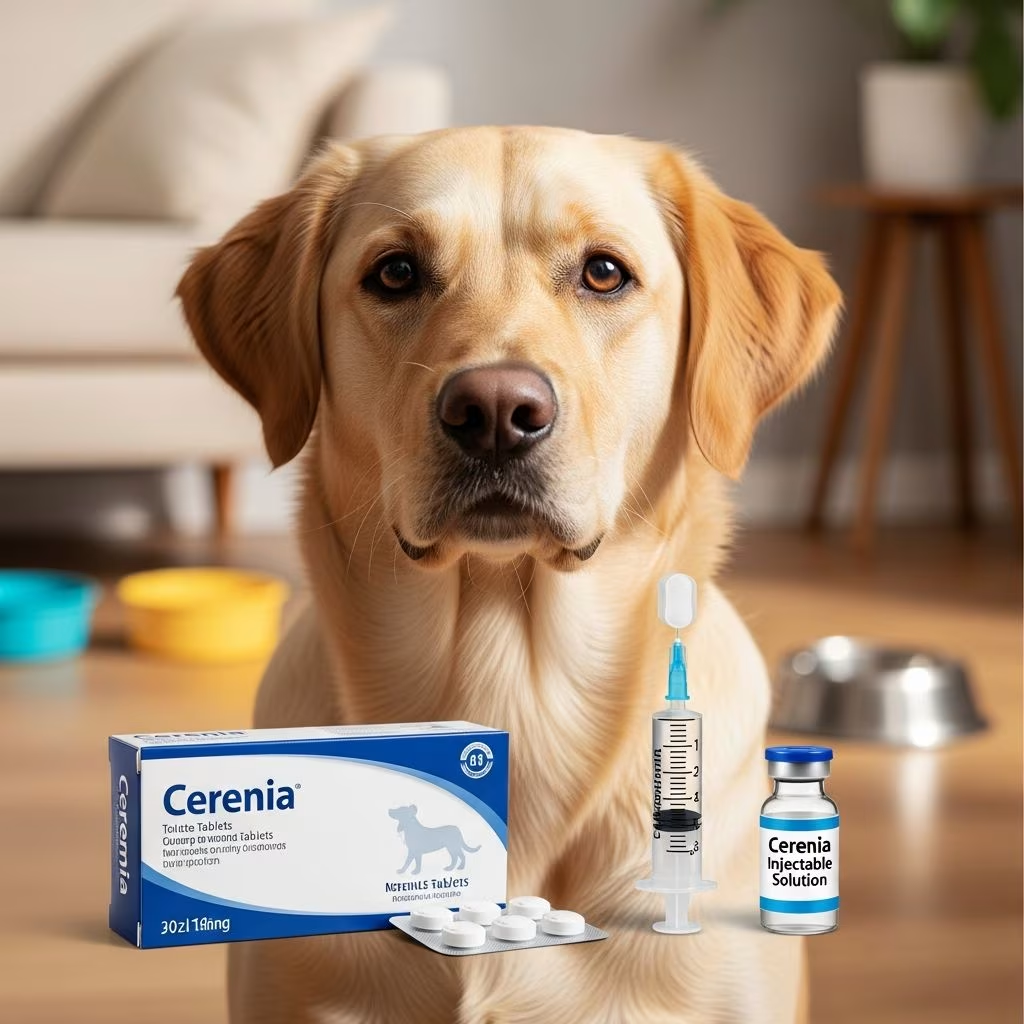
Cerenia, known scientifically as maropitant citrate, stands out as a leading prescription medication for controlling nausea and vomiting in dogs. This FDA-approved drug targets the central nervous system to block the signals that trigger these uncomfortable symptoms, providing relief that lasts up to 24 hours with a single dose.
Understanding the Mechanism Behind Cerenia
At its core, Cerenia works by inhibiting substance P, a neurotransmitter that binds to neurokinin-1 (NK1) receptors in the brain’s emetic center. This center coordinates the vomiting reflex in response to various triggers. By preventing this binding, Cerenia interrupts the pathway regardless of the underlying cause, whether it’s motion, illness, or recovery from procedures.
Unlike older antiemetics that primarily act on the gut or other peripheral sites, Cerenia’s central action makes it uniquely effective for a broad spectrum of nausea sources. Laboratory studies confirm its high efficacy in halting acute vomiting episodes and preventing motion-related issues, though it’s not infallible in every case.
Primary Applications in Canine Care
Veterinarians frequently prescribe Cerenia for acute vomiting from dietary indiscretions, infections, or inflammatory conditions like gastroenteritis and pancreatitis. It’s also invaluable for managing nausea linked to chronic issues such as kidney disease, inflammatory bowel disease, or chemotherapy.
- Motion Sickness Prevention: Ideal for car rides, given two hours prior at higher doses.
- Postoperative Nausea: Reduces vomiting after anesthesia or surgery.
- Off-Label Uses: Some vets use it as a cough suppressant for conditions like collapsing trachea.
Its versatility extends to supporting dogs during vestibular disease or adverse reactions to other medications, ensuring they maintain hydration and appetite during recovery.
Available Forms and Dosing Guidelines
Cerenia is available as chewable tablets or injectable solutions, offering flexibility for clinic or home administration. Tablets come in various strengths tailored to dog size, while injections provide rapid onset—within minutes if given intravenously or an hour otherwise.
| Form | Dose for Acute Vomiting | Dose for Motion Sickness | Frequency |
|---|---|---|---|
| Tablets | 0.9 mg/lb | 3.6 mg/lb (dogs >4 months) | Once daily, up to 5 days for puppies 2-7 months |
| Injection | 1 mg/kg | N/A (tablets preferred) | Once daily |
For motion sickness, limit tablet use to two consecutive days. Puppies as young as 2 months can receive it for acute vomiting, but motion prevention starts at 4 months. Always consult a vet for precise dosing based on weight and condition.
Potential Side Effects and Safety Considerations
While generally well-tolerated, Cerenia can cause mild effects like lethargy, decreased appetite, drooling, diarrhea, or hypersalivation. These are typically transient. Serious reactions are rare but warrant immediate veterinary attention.
- Contraindications: Avoid in dogs with known hypersensitivity or severe liver impairment.
- Pregnancy/Lactation: Safety not fully established; use only if benefits outweigh risks.
- Drug Interactions: Minimal, but inform your vet of concurrent medications.
Monitor for any unusual behavior post-administration, especially in puppies or small breeds. Its non-drowsy profile makes it preferable over sedating alternatives for active dogs.
Comparing Cerenia to Traditional Antiemetics
Traditional options like metoclopramide, ondansetron, or chlorpromazine target different pathways and may cause more sedation. Cerenia surpasses them in motion sickness control and duration of action, often serving as the first-line choice. For severe cases, such as chemotherapy-induced nausea, stronger drugs like Zofran may follow if needed.
| Medication | Primary Action | Onset | Duration | Best For |
|---|---|---|---|---|
| Cerenia | Central NK1 blocker | 1-2 hours (tablets) | 24 hours | Motion sickness, acute vomiting |
| Ondansetron (Zofran) | 5-HT3 antagonist | 30 minutes | 4-8 hours | Chemo nausea |
| Metoclopramide | Dopamine antagonist | 30-60 minutes | 1-2 hours | Gut motility issues |
Practical Tips for Administering at Home
Give tablets on an empty stomach for best absorption, ideally two hours before travel. If your dog resists, hide in food or use pill pockets. For injections, vets handle these, but follow-up home care involves watching for efficacy.
Combine with behavioral strategies: gradual desensitization to car rides, feeding small meals beforehand, or using calming aids. Track symptoms in a journal to share with your vet for adjustments.
When to Seek Veterinary Advice
While effective, Cerenia treats symptoms, not root causes. Persistent vomiting beyond 24-48 hours signals deeper issues like obstructions or organ failure—rush to the vet. Pre-existing conditions require tailored plans.
Real-World Efficacy from Studies and Vets
Clinical trials show Cerenia prevents motion sickness in most dogs, with one study noting reduced hypersalivation and vomiting during car trips. Vets like Dr. Jerry Klein highlight its 24-hour coverage and mild analgesic properties, enhancing its perioperative value.
Frequently Asked Questions (FAQs)
Can Cerenia be used for cats?
Yes, though primarily labeled for dogs, it’s used off-label in cats for similar antiemetic purposes under vet supervision.
Is Cerenia safe for long-term use?
Not recommended beyond short courses; consult your vet for chronic nausea management.
How quickly does Cerenia work?
Tablets take 1-2 hours; injections faster, especially IV.
What if my dog vomits after taking Cerenia?
Re-dose if within 1 hour, but contact your vet.
Does Cerenia cause drowsiness?
Rarely; it’s generally non-sedating.
Cost and Accessibility
Expect $20-30 for four tablets, varying by size. Prescription-only, available via vets or approved pharmacies. Generic maropitant may offer savings.
References
- Cerenia (Maropitant) for Dogs: Uses, Side Effects, and Alternatives — American Kennel Club (AKC). 2023. https://www.akc.org/expert-advice/health/cerenia-for-dogs/
- Cerenia (Maropitant Citrate) for Dogs: Uses, Side Effects, and More — GoodRx. 2024. https://www.goodrx.com/pet-health/dog/cerenia-for-dogs
- Cerenia® for Dogs: What It’s Used For, How It Works and Side Effects — Chewy. 2024. https://www.chewy.com/education/dog/health-and-wellness/cerenia-for-dogs
- Maropitant Citrate — VCA Animal Hospitals. 2023. https://vcahospitals.com/know-your-pet/maropitant-citrate
- Cerenia for Pet Owners — Zoetis Petcare. 2025. https://www.zoetispetcare.com/products/cerenia



