

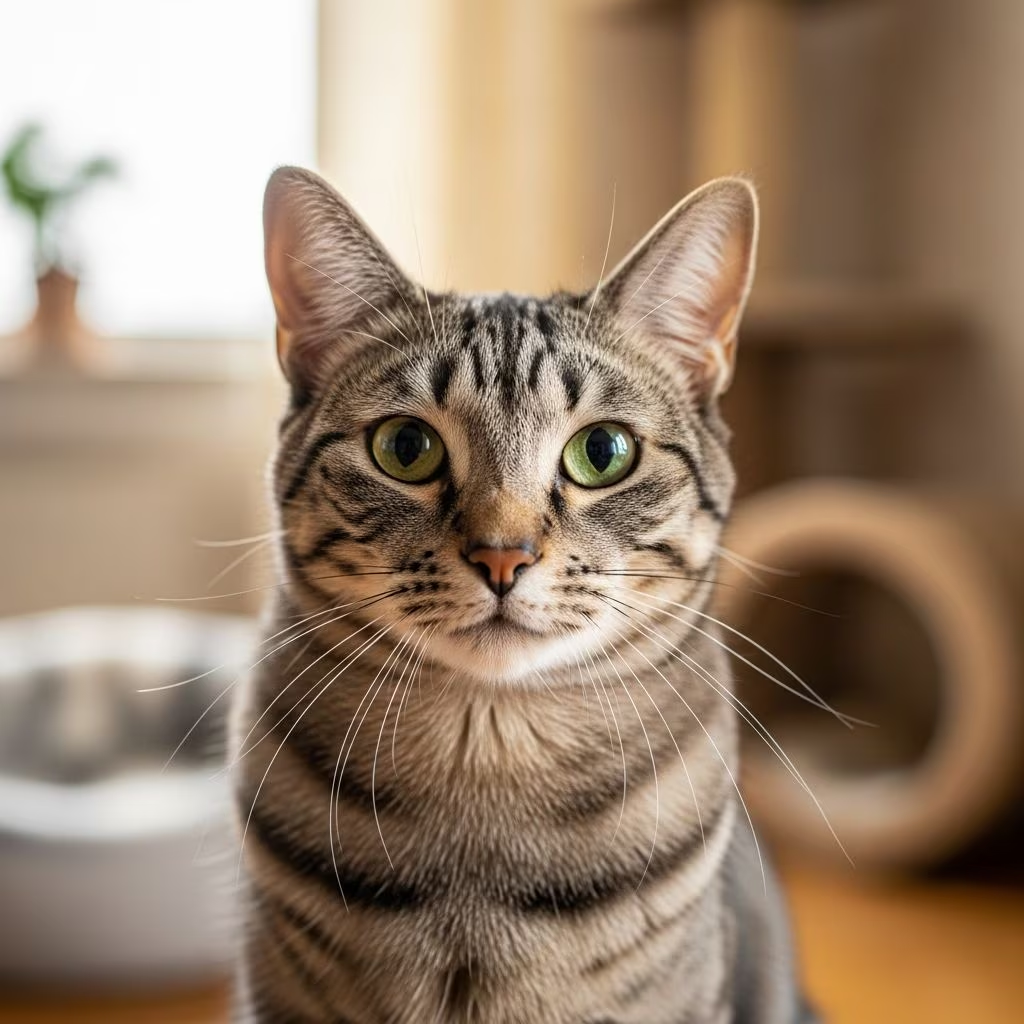
Cerenia, known scientifically as maropitant citrate, serves as a vital prescription medication for controlling nausea and vomiting in cats. It targets the brain’s vomiting center to provide rapid relief without addressing underlying digestive issues.
Understanding the Mechanism of Cerenia in Feline Medicine
The core function of Cerenia revolves around its action as a neurokinin-1 (NK1) receptor antagonist. It specifically blocks substance P, a neurotransmitter that triggers the vomiting reflex via the chemoreceptor trigger zone (CRTZ) in the brain. This intervention occurs centrally in the nervous system, preventing signals from reaching the medulla’s vomiting center, thus halting nausea before it leads to expulsion.
Unlike treatments that soothe the stomach lining, Cerenia does not interact directly with the gastrointestinal tract. A single dose, whether injectable or oral, delivers 24-hour protection, making it ideal for short-term interventions.
Primary Applications in Cat Healthcare
Veterinarians prescribe Cerenia for a range of acute conditions where vomiting disrupts a cat’s well-being. Key uses include:
- Acute vomiting episodes: Effective against sudden onset from gastroenteritis, pancreatitis, or eating indigestible items.
- Motion sickness prevention: Administered before car rides or travel to curb nausea from vehicle movement.
- Renal failure management: Helps control chronic vomiting linked to kidney disease.
- Pre-surgical administration: Reduces anesthesia-induced nausea and offers visceral pain relief, potentially lowering anesthetic requirements.
- Itch relief in dermatitis: Provides symptomatic control for non-flea, non-food hypersensitivity skin issues.
These applications highlight Cerenia’s versatility, though it remains symptomatic rather than curative.
Dosage Guidelines and Administration Methods
Cerenia is available in two main forms: subcutaneous injections (10 mg/mL solution) and oral tablets (16, 24, 60, 160 mg strengths). For cats 16 weeks or older and weighing at least 4 lbs (2 kg), the standard dose is 1 mg/kg body weight once daily.
| Form | Dosage | Frequency | Notes |
|---|---|---|---|
| Injectable | 1 mg/kg SC | Once daily, up to 5 days | Vet-administered; lasts 24 hours |
| Tablet | 1 mg/kg PO | Once daily | Give on empty stomach if possible |
Injections are preferred for immediate effect, especially in clinic settings or for motion sickness prophylaxis. Tablets suit home use but require precise weight-based calculation. Treatment duration is capped at 5 consecutive days to align with licensing; intermittent use is common for ongoing needs like renal issues.
Always consult a veterinarian for tailored dosing, as factors like age, weight, and health status influence safety.
Evaluating Safety and Tolerability
Cerenia demonstrates a strong safety profile in cats. Studies show no adverse clinical or lab effects even at five times the recommended dose for 15 days. The most frequent issue is brief pain at the injection site.
It is FDA-approved for cats via injection for acute vomiting prevention and treatment. Off-label uses, such as itch control or pain adjunct, are supported by veterinary practice but require professional oversight.
Recognizing and Managing Potential Side Effects
While well-tolerated, some cats may experience:
- Common: Injection site pain, drooling, lethargy.
- Rare: Fever, dehydration, hematuria, appetite loss, breathing difficulties, ataxia, tremors, seizures.
If vomiting persists or worsens, discontinue and seek vet advice, as it may indicate inefficacy or an underlying issue. Monitor dehydrated or debilitated cats closely.
Special Considerations for Vulnerable Cats
Kittens under 16 weeks, pregnant, or lactating cats lack sufficient safety data; use only if benefits outweigh risks. Cats with liver impairment may need dose adjustments due to metabolism via hepatic pathways.
Drug interactions are minimal, but inform vets of concurrent medications like NSAIDs or other antiemetics.
Practical Tips for Cat Owners
To optimize Cerenia use:
- Weigh your cat accurately before dosing tablets.
- Administer injections as directed, typically under the skin.
- Observe for 24 hours post-dose; note any behavioral changes.
- Combine with supportive care like hydration and bland diets for vomiting episodes.
- Store tablets at room temperature, away from moisture.
For travel, dose 1-2 hours prior to departure.
When to Seek Veterinary Intervention
Cerenia excels for acute relief but signals like repeated vomiting, blood in vomit/stool, or lethargy warrant immediate vet evaluation. It buys time for diagnostics like bloodwork or imaging to uncover causes such as IBD, infections, or cancer.
Alternatives and Complementary Therapies
If Cerenia is unsuitable, vets may suggest ondansetron for chemotherapy nausea or metoclopramide for broader antiemetic effects. Natural aids like ginger supplements lack robust evidence but can complement under guidance.
Frequently Asked Questions (FAQs)
Can kittens take Cerenia?
Approved for cats 16 weeks and older; consult vet for younger ones.
How quickly does Cerenia work in cats?
Injections act within 1 hour; tablets slightly slower but effective within 2 hours.
Is Cerenia a painkiller for cats?
It offers mild visceral analgesia, useful perioperatively, but not a primary analgesic.
Can Cerenia be used long-term?
Licensed up to 5 days; vets may recommend intermittent dosing for chronic cases.
What if my cat vomits after Cerenia?
Contact vet; may need dose adjustment or alternative.
Real-World Veterinary Perspectives
Vets value Cerenia for its reliability in clinic and home settings. Dr. Emily Singler notes its role in pre-anesthesia protocols and chronic conditions like cystitis. Studies affirm its efficacy in visceral pain and antiemetic roles.
In summary, Cerenia empowers cat owners to manage distressing symptoms effectively under veterinary guidance, improving quality of life during illness or travel.
References
- Cerenia for Cats: How It Works, Side Effects, and More — cats.com. 2023. https://cats.com/cerenia-for-cats
- Cerenia for Cats: Uses, Side Effects, Dosage — GoodRx. 2024. https://www.goodrx.com/pet-health/cat/cerenia-for-cats
- Cerenia for Cats — Side Effects & Dosage — Fetch Pet. 2023. https://www.fetchpet.com/the-dig/cerenia-for-cats
- Maropitant Use in Cats — Today’s Veterinary Practice. 2022. https://todaysveterinarypractice.com/pharmacology/maropitant-use-in-cats/
- What is Cerenia used for in pets? — FirstVet. 2024. https://firstvet.com/us/articles/pet-medication-101-cerenia
- CVCA Drug: Maropitant or Cerenia® — CVCA Vets. 2023. https://www.cvcavets.com/_files/pdfs/drug-handouts/cvca-drug-maropitant.pdf



