

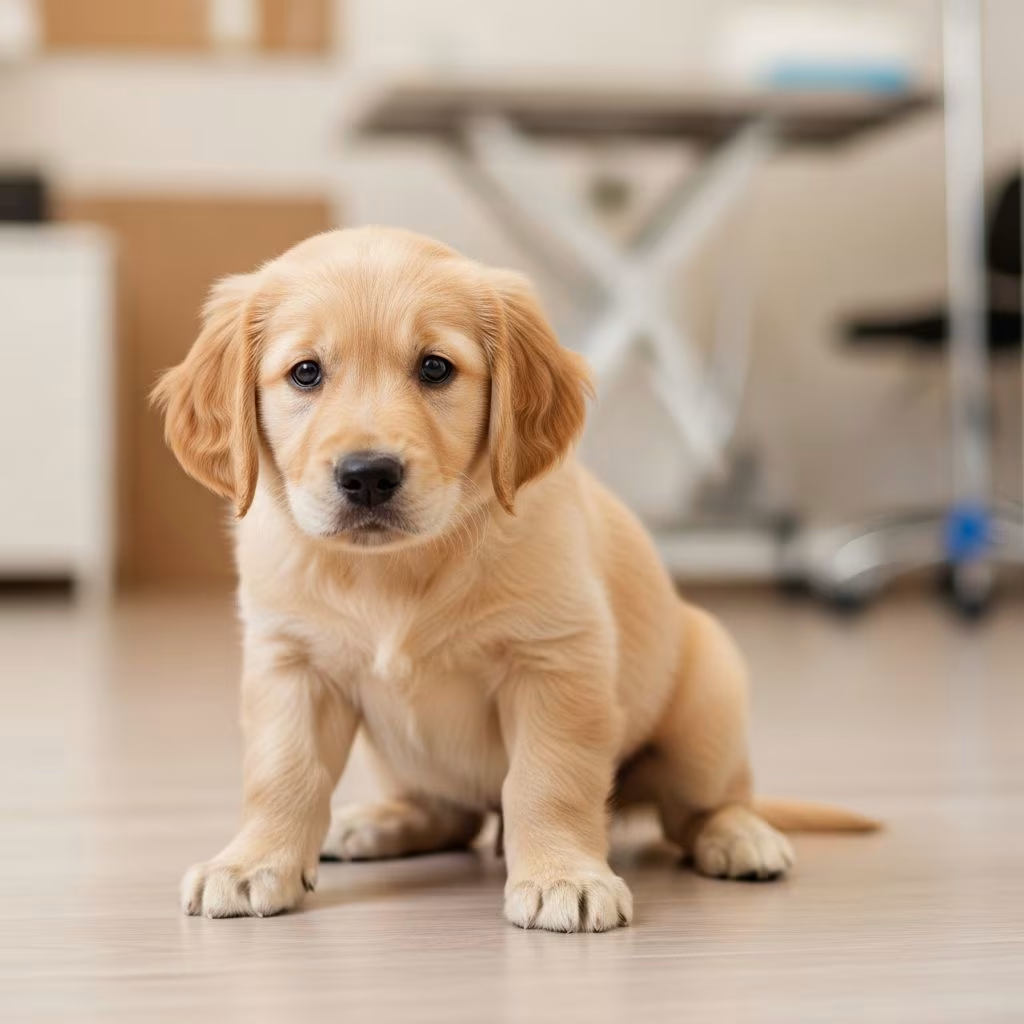
Cerebellar hypoplasia (CH) is a congenital neurological condition in dogs where the cerebellum—the brain region governing balance, coordination, and precise movements—fails to develop fully during gestation. This results in lifelong motor challenges but remains non-progressive, allowing affected dogs to adapt and enjoy fulfilling lives with appropriate adaptations.
The Role of the Cerebellum in Canine Movement
The cerebellum acts as the body’s fine-tuning center, processing sensory input to orchestrate smooth muscle actions. It coordinates posture, gait, and voluntary movements while preventing tremors during targeted actions. In dogs with CH, underdevelopment disrupts these functions, leading to characteristic unsteadiness from birth.
Healthy cerebellar function enables dogs to navigate obstacles, maintain balance on uneven terrain, and execute precise jumps or turns. When impaired, dogs exhibit exaggerated limb movements, wide-based stances, and involuntary shakes, mimicking a perpetual state of imbalance.
Primary Causes of Cerebellar Hypoplasia
CH arises from disruptions during critical fetal brain development, typically between days 30-50 of gestation. Key triggers include:
- In Utero Infections: Canine parvovirus, distemper, or herpesvirus crossing the placental barrier destroys rapidly dividing cerebellar cells.
- Genetic Mutations: Rare autosomal recessive mutations, such as in the VLDLR gene in Eurasier dogs, prevent proper cerebellar formation.
- Maternal Factors: Nutritional deficiencies, toxin exposure, or trauma to the pregnant dam can indirectly impair fetal brain growth.
- Postnatal Insults: Though less common in dogs, early infections shortly after birth may contribute.
Unlike progressive cerebellar degeneration (abiotrophy), CH symptoms stabilize after puppyhood, distinguishing it from acquired ataxias due to toxins or tumors.
Recognizing Symptoms in Puppies and Adults
Symptoms manifest as puppies attempt to stand and walk, around 2-6 weeks old. Severity varies from subtle clumsiness to profound disability:
- Ataxia (Uncoordinated Gait): Stilted, high-stepping “toy soldier” walk with overreaching limbs.
- Intention Tremors: Head or limb oscillations intensifying as they near a target, like food.
- Truncal Sway: Rocking torso at rest due to poor postural control.
- Nystagmus: Rapid, involuntary eye flicking.
- Balance Issues: Wide-legged stance, frequent falling, head bobbing, and poor spatial awareness.
Mild cases may only show during excitement or on slippery floors, while severe ones prevent unassisted standing. Affected dogs remain mentally sharp, retaining normal intelligence and affectionate personalities.
| Symptom Severity | Characteristics | Impact on Daily Life |
|---|---|---|
| Mild | Slight wobbling, occasional stumbles | Minimal; active lifestyle possible |
| Moderate | Obvious ataxia, intention tremors | Requires supervision outdoors |
| Severe | Constant falling, inability to stand alone | Needs ramps, supportive harnesses |
Diagnostic Process for Suspected CH
Veterinarians begin with a thorough history, noting symptoms from birth and littermate status. A full neurological exam assesses gait, reflexes, and proprioception (limb awareness).
Key differentials include vestibular disease (ear-related), spinal issues, infections, toxins, or neoplasia. Bloodwork and urinalysis rule out metabolic or infectious causes. Advanced imaging like MRI confirms cerebellar underdevelopment, showing a smaller, malformed cerebellum, though not always necessary if history is classic.
Genetic testing applies for breeds like Eurasiers with known mutations.
Management and Supportive Care Strategies
No cure exists, but management focuses on safety, mobility aids, and environmental modifications to maximize quality of life:
- Home Adaptations: Non-slip flooring, ramps for furniture, elevated bowls to ease eating.
- Mobility Aids: Support harnesses or carts for severe cases to encourage exercise.
- Nutrition and Weight Control: Maintain ideal body weight to reduce joint strain; high-quality diets support overall health.
- Exercise Regimens: Controlled, low-impact activities like swimming build confidence without injury risk.
- Preventive Care: Strict vaccinations for dams prevent in utero infections; spay/neuter to avoid breeding affected lines.
Physical therapy, including balance exercises, can improve adaptation. Most dogs thrive into senior years, with lifespans comparable to peers.
Breeds Prone to Cerebellar Hypoplasia
While any breed can be affected via infections, genetic predispositions occur in:
- Eurasier (VLDLR mutation)
- Airedale Terrier, Boston Terrier, Bull Terrier, Chow Chow
- Occasional reports in Spaniels and mixed breeds.
Breeders screen via pedigrees and avoid mating carriers in at-risk lines.
Distinguishing CH from Similar Conditions
| Condition | Key Differences from CH | Progression |
|---|---|---|
| Cerebellar Abiotrophy | Degenerative; worsens over time | Progressive |
| Vestibular Ataxia | Head tilt, nausea; often unilateral | Acute, treatable |
| Sensory Ataxia | Spinal cord involvement; conscious proprioceptive deficits | Varies |
Living Joyfully: Realities for CH Dogs
Owners report CH dogs as resilient, playful companions who compensate remarkably. Many compete in agility (adapted classes), hike with slings, or simply lounge happily. Mental engagement via toys and training prevents boredom, as cognition remains intact.
Adoption from rescues yields loving, low-maintenance pets. With patience during puppyhood, they integrate seamlessly into families.
Frequently Asked Questions (FAQs)
Is cerebellar hypoplasia painful for dogs?
No, CH causes no pain; symptoms stem from motor control loss, not discomfort.
Can CH dogs live normal lifespans?
Yes, with proper care, they often match breed averages, succumbing to age-related issues.
Should I vaccinate pregnant dogs to prevent CH?
Timing matters; avoid modified-live vaccines late in gestation to prevent fetal exposure.
Is CH hereditary in all cases?
No, most arise from environmental insults; genetic forms are breed-specific.
Can therapy cure or improve CH?
No cure, but physiotherapy enhances adaptation and strength.
Prevention Tips for Breeders and Owners
Prospective parents receive core vaccines pre-pregnancy. Nutritional support during gestation bolsters fetal development. Genetic counseling for high-risk breeds identifies carriers.
References
- Cerebellar Hypoplasia in Dogs: Signs, Symptoms, Treatment — American Kennel Club. 2023. https://www.akc.org/expert-advice/health/cerebellar-hypoplasia-in-dogs/
- What is Cerebellar Hypoplasia in Dogs? — Embark Vet. 2024. https://embarkvet.com/products/dog-health/health-conditions/cerebellar-hypoplasia/
- Cerebellar Hypoplasia in Dogs — Golden Retriever Rescue of Mid-Florida. 2023. https://www.grrmf.org/cerebellar-hypoplasia-in-dogs/
- Cerebellar Degeneration in Dogs — Diamond Bar Veterinary Clinic. 2024-04-15. https://www.diamondbarvetclinic.com/site/blog/2024/04/15/cerebellar-degeneration-dogs
- Cerebellar hypoplasia (non-human) — Wikipedia (citing veterinary sources). 2024. https://en.wikipedia.org/wiki/Cerebellar_hypoplasia_(non-human)
- Cerebellar Hypoplasia & Cerebellar Degeneration in Dogs — Carolina Veterinary Specialists. 2020-11-11. https://www.rock-hill.carolinavet.com/site/blog/2020/11/11/cerebellar-degeneration-in-dogs



