Cerebellar Hypoplasia in Cats: Causes, Symptoms & Care
Understanding cerebellar hypoplasia in cats: comprehensive guide to symptoms, diagnosis, and management strategies.
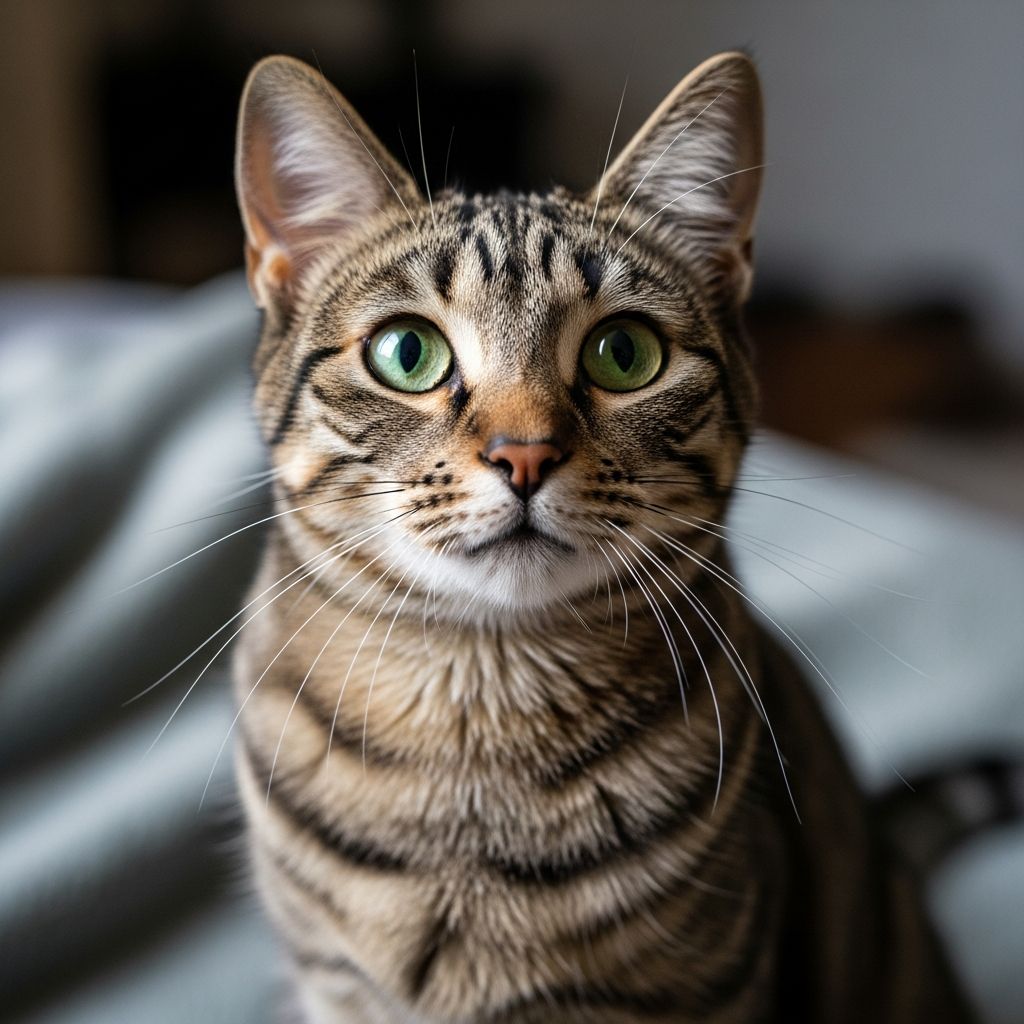
Cerebellar Hypoplasia in Cats
Cerebellar hypoplasia (CH) is a non-progressive neurological condition that affects the cerebellum, the part of the brain responsible for coordinating movement and maintaining balance. This congenital condition causes affected kittens to experience varying degrees of coordination difficulties, ranging from mild wobbliness to severe mobility impairment. Unlike progressive neurological diseases, cerebellar hypoplasia does not worsen over time, and cats with this condition can live full, healthy lives with appropriate environmental modifications and supportive care.
What Causes Cerebellar Hypoplasia?
Cerebellar hypoplasia develops when a kitten’s mother contracts the feline panleukopenia virus (also known as feline distemper) during pregnancy, particularly during the first trimester when the cerebellum is actively developing. When the virus crosses the placental barrier, it damages the developing cerebellar tissue in the fetus, resulting in incomplete development of this critical brain region. The severity of the condition depends on when during gestation the viral infection occurred and the intensity of the infection.
Kittens born to vaccinated mothers are protected from this condition, as maternal antibodies prevent panleukopenia infection during pregnancy. This underscores the critical importance of proper vaccination protocols for breeding females and all cats in the general population. Understanding this causation has made cerebellar hypoplasia largely preventable through widespread vaccination programs.
Recognizing the Symptoms
Cerebellar hypoplasia manifests through a distinctive set of neurological symptoms that become apparent when kittens begin to move and explore their environment. These symptoms vary considerably depending on the severity of cerebellar underdevelopment.
Primary Symptoms of Cerebellar Hypoplasia
The most characteristic symptom is a jerky or uncoordinated walking pattern that gives affected cats their commonly used description as “wobbly cats.” Kittens with CH typically display:
- Exaggerated, high-stepping movements of the legs, a gait pattern called hypermetria
- A broad-based stance where the rear legs are splayed outward for added stability
- Swaying or leaning from side to side when attempting to walk
- Mild head tremors that may be visible at rest
- Intention tremors that become more pronounced when the kitten focuses on performing specific tasks
Intention tremors deserve special attention as they represent one of the most distinctive features of cerebellar hypoplasia. These tremors are barely noticeable during casual walking but become much more pronounced when the kitten tries to perform coordinated activities such as playing with toys, drinking from a bowl, or eating food. The tremors essentially worsen as the kitten concentrates on intentional movements, which is why they are termed “intention tremors.”
Variability in Symptom Severity
Symptoms can range from barely perceptible in mildly affected kittens to severely debilitating in more severely affected individuals. Some kittens appear nearly normal when they are at rest, with symptoms only becoming obvious when they begin to move. This variability makes early detection sometimes challenging, as caregivers may not notice anything unusual until the kitten becomes mobile and active. Severely affected kittens may experience nearly constant head tremors and have significant difficulty maintaining balance or walking more than a few steps without falling.
How Is Cerebellar Hypoplasia Diagnosed?
Diagnosis of cerebellar hypoplasia is primarily based on clinical signs observed during physical examination and neurological assessment. Veterinarians look for the characteristic gait abnormalities, tremors, and coordination difficulties that are hallmarks of the condition. A detailed history from the owner, including the age of onset and progression of symptoms, helps support the diagnosis.
Advanced Diagnostic Imaging
While clinical signs are typically sufficient for diagnosis, advanced imaging may be recommended in some cases. Magnetic resonance imaging (MRI) can reveal a smaller than normal cerebellum, providing confirmatory evidence of the condition. However, MRI is not always necessary since the clinical presentation is usually quite distinctive. In some instances, veterinarians may recommend MRI to rule out other neurological conditions that could present with similar symptoms, particularly if the clinical picture is atypical or if additional neurological signs are present.
Prognosis and Life Expectancy
The prognosis for cats with cerebellar hypoplasia depends primarily on the severity of their symptoms at diagnosis. Because the condition is non-progressive, meaning it does not worsen over time, the prognosis established at diagnosis remains relatively stable throughout the cat’s life.
Severity-Based Outcomes
Mildly to moderately affected cats often adapt remarkably well to their condition and can lead nearly normal lives with minimal restrictions. Many of these cats show slight improvement over time as they learn compensatory strategies and develop mental maps of their environment. They can navigate their homes effectively, use litter boxes without difficulty, eat and drink normally, and engage in typical feline behaviors. These cats typically have normal life expectancies and can enjoy quality of life comparable to unaffected cats.
Severely affected cats require substantially more specialized care and environmental modifications. These individuals may have difficulty standing or walking, may be unable to use traditional litter boxes, and might require assistance with eating and drinking. However, even severely affected cats can experience good quality of life with dedicated care, appropriate environmental adaptations, and owner commitment.
Treatment and Management Options
Since cerebellar hypoplasia results from incomplete brain development that cannot be reversed or repaired, there is no cure for this condition. However, this does not mean affected cats cannot thrive. Instead, management focuses on optimizing quality of life through environmental modifications, supportive care, and symptom management.
Environmental Modifications
Creating a safe, accessible environment is fundamental to caring for cats with cerebellar hypoplasia. Key modifications include:
- Installing non-slip mats and rugs throughout the home to provide traction and prevent slipping
- Providing litter boxes with low, easily accessible entrances or considering litter box alternatives
- Keeping food and water bowls easily accessible and stable
- Minimizing obstacles and ensuring pathways are clear and safe
- Using baby gates to restrict access to dangerous areas or stairs
- Placing frequently used items at easily reachable heights
- Maintaining a consistent environment, as CH cats develop mental maps of their territory and benefit from stable layouts
Indoor Housing Requirements
Cats with cerebellar hypoplasia must be kept indoors for their safety. Their coordination difficulties make them vulnerable to injuries from traffic, predators, and environmental hazards that outdoor cats might navigate successfully. Indoor housing protects them from these dangers while allowing them to live full, stimulating lives within a controlled environment.
Supportive Therapies
While medications cannot treat cerebellar hypoplasia itself, certain therapeutic approaches can help manage secondary symptoms or complications that may arise. Physical therapy exercises, when appropriate for individual cats, can help maintain muscle strength and mobility. Some veterinarians recommend hydrotherapy for more severely affected cats, as water therapy can help build muscle strength while reducing stress on joints and providing a supportive environment for movement practice.
Gentle massage, warm compresses, and assisted movement exercises may provide comfort and help maintain flexibility. These therapies work best as part of a comprehensive care plan tailored to each individual cat’s needs and severity of condition.
Special Considerations for Affected Cats
Reproduction and Spaying/Neutering
Cats diagnosed with cerebellar hypoplasia should be spayed or neutered to prevent transmission of the feline panleukopenia virus through breeding. Since the condition stems from maternal viral infection during pregnancy, preventing affected individuals from reproducing helps eliminate the risk of passing the causative virus to future generations. Beyond preventing disease transmission, spaying and neutering provide the standard health and behavioral benefits associated with these procedures.
Nutritional Needs and General Health Care
Cats with cerebellar hypoplasia require the same basic nutritional and veterinary care as unaffected cats. They should receive appropriate vaccinations according to veterinary guidelines, regular health examinations, dental care, and a balanced diet suited to their age and health status. The condition does not affect their nutritional requirements or general health maintenance needs, though some individuals may benefit from specially positioned feeding stations that accommodate their coordination difficulties.
Pain Considerations
Cerebellar hypoplasia itself does not cause pain; however, the awkward movements and altered gait associated with the condition could potentially lead to secondary musculoskeletal strain in some cases. Monitoring for signs of discomfort, such as reluctance to move, decreased appetite, or changes in grooming behavior, is important. If pain develops, appropriate pain management options can be discussed with a veterinarian to ensure comfort and quality of life.
Living with a Cat with Cerebellar Hypoplasia
Many individuals and families have found that living with a cerebellar hypoplasia cat provides rewarding companionship and unique joys. These cats, despite their coordination challenges, develop personalities, form bonds with their caregivers, and engage in typical feline behaviors within their capabilities. Their “wobbly” movements often endear them to their human families, and their resilience and adaptation inspire those around them.
Success in caring for a CH cat depends on owner commitment, realistic expectations based on symptom severity, and willingness to make appropriate environmental accommodations. Mild to moderately affected cats often require minimal special care beyond environmental modifications, while severely affected cats require more intensive management but can still experience meaningful quality of life.
Prevention Through Vaccination
The most effective strategy for preventing cerebellar hypoplasia is ensuring all cats, particularly breeding females, receive appropriate vaccination against feline panleukopenia. Vaccination protects cats from infection and, in breeding animals, provides maternal antibodies that protect developing fetuses from infection during pregnancy. Widespread vaccination has made cerebellar hypoplasia increasingly rare, though cases continue to occur in populations with inadequate vaccine coverage.
Frequently Asked Questions About Cerebellar Hypoplasia
Q: Is cerebellar hypoplasia progressive and will my cat’s condition worsen over time?
A: No, cerebellar hypoplasia is non-progressive by definition. The condition does not worsen over time. While symptoms remain stable, many kittens show slight improvement as they learn to compensate and develop strategies to navigate their environment more effectively.
Q: Can cerebellar hypoplasia be cured or treated?
A: There is no cure for cerebellar hypoplasia because it results from incomplete brain development that cannot be reversed. However, the condition can be effectively managed through environmental modifications, supportive care, and addressing any secondary symptoms that may arise.
Q: Will my cat with cerebellar hypoplasia have a normal life expectancy?
A: Yes, cerebellar hypoplasia does not affect life expectancy. Cats with this condition can live normal lifespans. Their quality of life depends on the severity of their symptoms and the quality of care and environmental adaptations provided by their caregivers.
Q: Can cats with cerebellar hypoplasia be spayed or neutered?
A: Yes, cats with cerebellar hypoplasia can and should be spayed or neutered. This is particularly important to prevent the transmission of feline panleukopenia virus through breeding while providing the standard health benefits of these procedures.
Q: Is cerebellar hypoplasia painful for cats?
A: Cerebellar hypoplasia itself does not cause pain. The condition affects coordination and balance but does not produce discomfort. However, caregivers should monitor for any signs of secondary musculoskeletal strain or other conditions that could cause pain.
Q: Can indoor cats with cerebellar hypoplasia go outside?
A: No, cats with cerebellar hypoplasia should remain strictly indoors. Their coordination difficulties make them vulnerable to injuries, traffic accidents, and predators. Indoor housing keeps them safe while allowing them to enjoy enriching experiences within a controlled environment.
Q: How can I prevent cerebellar hypoplasia in my breeding cats?
A: The most effective prevention is ensuring all cats, especially breeding females, receive proper vaccination against feline panleukopenia. Vaccination protects pregnant cats from infection and prevents transmission of the virus to developing kittens.
References
- Cerebellar Hypoplasia in Cats — VCA Animal Hospitals. https://vcahospitals.com/know-your-pet/cerebellar-hypoplasia-in-cats
- Cerebellar Hypoplasia in Cats: Causes, Treatment and Symptoms — Vetster. https://vetster.com/en/conditions/cat/cerebellar-hypoplasia
- Signs and Symptoms of Cerebellar Hypoplasia in Cats — GoodRx Pet Health. https://www.goodrx.com/pet-health/cat/cerebellar-hypoplasia
- What Is Feline Cerebellar Hypoplasia? — WebMD Pets. https://www.webmd.com/pets/cats/what-is-feline-cerebellar-hypoplasia
- Caring For a Cerebellar Hypoplasia Cat: 10 Tips — Whisker. https://www.whisker.com/blog/caring-for-a-cerebellar-hypoplasia-cat
- Cerebellar Hypoplasia: Wobbly Cats — Fairmont Animal Hospital. https://www.fairmontvet.com/resources/blog/november-2019/cerebellar-hypoplasia-wobbly-cats
Similar Articles








Read full bio of Sneha Tete