

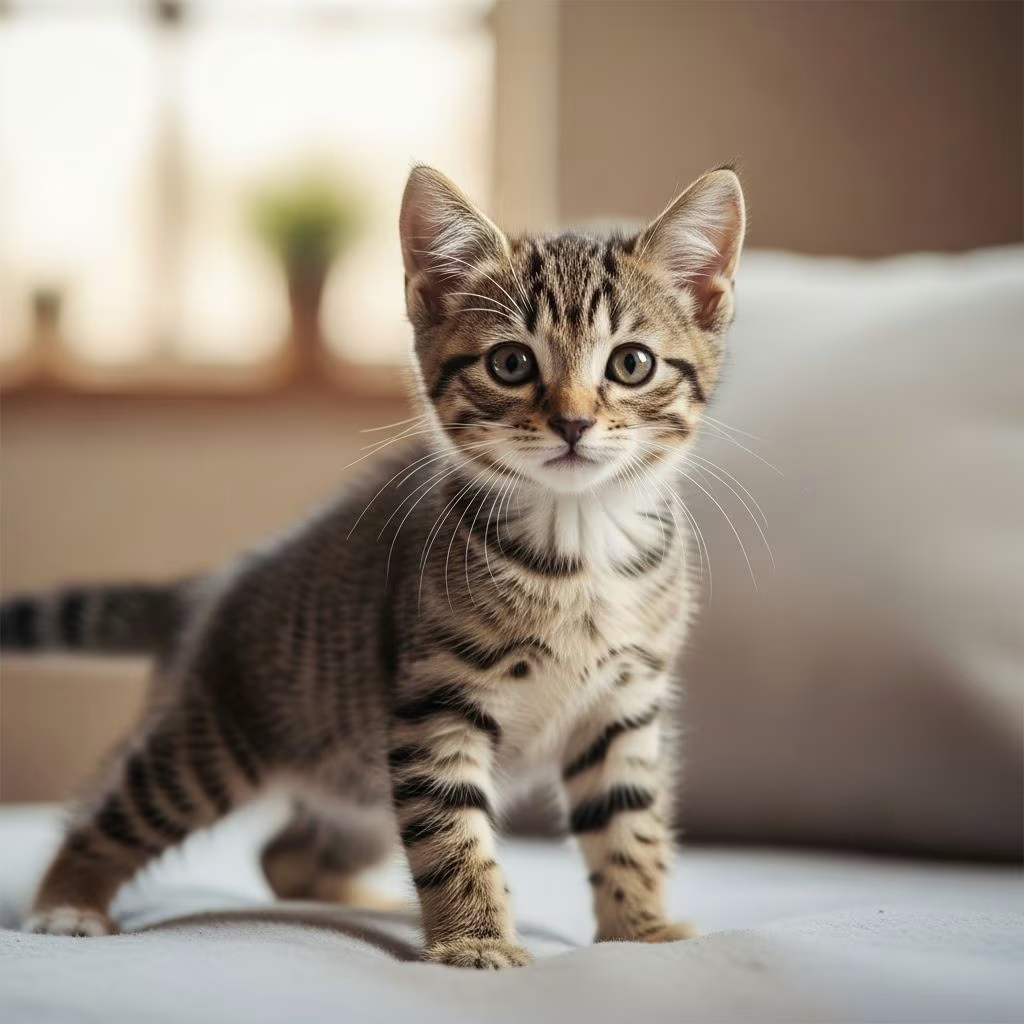
Cerebellar Hypoplasia in Cats: Causes, Symptoms & Care
Cerebellar hypoplasia (CH) is a non-progressive neurological condition that affects the cerebellum, the part of the brain responsible for coordinating movement and balance. This congenital disorder results in the underdevelopment of the cerebellum, leading to incoordination, wobbliness, and unsteadiness in affected cats. While cerebellar hypoplasia cannot be cured, understanding the condition can help owners provide appropriate care and support for their feline companions to live full, happy lives despite their mobility challenges.
What Is Cerebellar Hypoplasia?
Cerebellar hypoplasia is a developmental disorder of the cerebellum that causes ataxia—a condition characterized by lack of muscle coordination. The cerebellum is essential for fine motor control, balance, and coordinating voluntary movements. When the cerebellum fails to develop properly, cats experience difficulty controlling their movements, resulting in the characteristic “wobbly” gait that gives this condition its colloquial name. Unlike degenerative neurological conditions, cerebellar hypoplasia is permanent but non-progressive, meaning symptoms do not worsen over time.
The severity of cerebellar hypoplasia varies significantly among affected cats. Some cats experience only mild coordination issues and can function nearly normally, while others may be severely disabled and require extensive assistance with basic activities. The prognosis and quality of life depend largely on the degree of cerebellar underdevelopment and the individual cat’s ability to compensate for their neurological differences.
Causes of Cerebellar Hypoplasia
The primary cause of cerebellar hypoplasia in cats is maternal infection with the feline panleukopenia virus (FPV), also known as feline distemper, during pregnancy. When a pregnant cat contracts this viral infection, particularly during the first trimester when the kitten’s cerebellum is actively developing, the virus can attack and damage the developing brain tissue. This disruption in fetal brain development results in an underdeveloped cerebellum at birth.
The severity of the resulting cerebellar hypoplasia depends on the timing of the maternal infection. Infections during critical developmental stages typically result in more severe symptoms. Additionally, the viral load and the individual kitten’s immune response may influence the degree of cerebellar underdevelopment. Prevention through proper vaccination of female cats before pregnancy is the most effective way to prevent this condition in future litters.
Clinical Signs and Symptoms
Cats with cerebellar hypoplasia display characteristic neurological symptoms that may become apparent as the kitten begins to move and explore. These symptoms include:
- Jerky or uncoordinated walking—movements appear disjointed and lack smooth control
- Swaying from side to side—the cat’s body oscillates during locomotion
- Hypermetria—an exaggerated, high-stepping “goose-stepping” gait where the cat lifts its legs higher than normal
- Mild head tremors—subtle shaking of the head at rest
- Intention tremors—more pronounced head shaking that occurs when the cat attempts purposeful movements
- Broad-based stance—the cat positions its legs wide apart for stability
- Leaning against walls or furniture—the cat seeks external support for balance
- Difficulty with precise movements—challenges when eating, drinking, or playing
Importantly, symptoms may not be noticeable when the kitten is at rest. Many cats with cerebellar hypoplasia appear perfectly healthy and normal when sitting quietly. Symptoms become apparent only when the kitten attempts to move, walk, or engage in activities requiring coordination. Intention tremors typically become more pronounced during complex movements such as playing with toys, bending over to eat or drink from a bowl, or climbing.
Diagnosis of Cerebellar Hypoplasia
Veterinarians typically diagnose cerebellar hypoplasia based on clinical symptoms and neurological examination findings. The characteristic gait abnormalities, tremors, and lack of coordination provide strong clinical evidence of the condition. In most cases, a definitive diagnosis can be made through observation of these clinical signs without additional testing.
However, advanced imaging studies may be recommended in some cases. Magnetic resonance imaging (MRI) can visualize the brain and demonstrate a cerebellum that is smaller than normal, confirming the diagnosis. MRI is particularly useful when the diagnosis is unclear or when other neurological conditions need to be ruled out. The cost and anesthesia requirements associated with MRI mean it is typically reserved for complicated cases.
A thorough neurological examination helps determine the severity of the cerebellar dysfunction and identifies any concurrent neurological abnormalities. Veterinarians may also recommend baseline laboratory work and other diagnostic tests to ensure no other underlying health conditions are present.
Severity Classification
Cerebellar hypoplasia is commonly classified into three severity categories that help guide treatment recommendations and expectations:
Mild Cerebellar Hypoplasia
Mildly affected cats display subtle coordination issues that may barely impact their quality of life. They walk with mild wobbliness or slight tremors but maintain reasonable mobility and independence. These cats can use a standard litter box, eat and drink normally, and engage in most normal cat activities with minimal modification to their environment. Many mildly affected cats live nearly normal lives with minimal owner intervention.
Moderate Cerebellar Hypoplasia
Moderately affected cats show more obvious incoordination and movement difficulties. They may sway noticeably, fall occasionally, and have difficulty with certain activities like climbing or jumping. While they retain basic function, they benefit from environmental modifications such as low-entry litter boxes and non-slip flooring. Moderate cases typically require more attentive care but still allow for good quality of life.
Severe Cerebellar Hypoplasia
Severely affected cats experience nearly constant head tremors and profound coordination loss. They cannot stand or walk more than a few steps without falling, even with a wide, splayed stance. Most severely affected cats cannot use a standard litter box independently and may need assistance with eating and drinking. Their living conditions require significant modifications for safety, including extensive non-slip surfaces and low-height food and water dishes. Some severely affected cats may require humane euthanasia if quality of life becomes unacceptable.
Treatment and Management
Currently, there is no cure or specific treatment for cerebellar hypoplasia because the brain damage cannot be repaired once it has occurred. The cerebellum cannot regenerate or develop after birth, making the condition permanent. However, many cats improve slightly over time as they learn to compensate for their neurological deficits and develop coping strategies within their environment.
Management focuses on maximizing quality of life through environmental modifications, supportive care, and addressing secondary complications. The approach varies based on symptom severity, with mild cases requiring minimal intervention and severe cases requiring comprehensive lifestyle modifications.
Environmental Modifications
Creating a safe, accommodating environment is crucial for cerebellar hypoplasia cats:
- Non-slip flooring—install non-slip mats, yoga mats, or specialized flooring to provide traction and prevent sliding
- Low-entry litter boxes—use litter boxes with minimal walls or create low-entry boxes to facilitate toilet access
- Wide pathways—remove clutter and maintain clear, wide spaces for navigation
- Low food and water dishes—elevated feeders may be difficult; low, wide bowls work better
- Cushioned surfaces—provide soft bedding and cushions to reduce injury from falls
- Indoor housing—keep affected cats indoors to prevent accidents and injuries from traffic or predators
- Limited vertical access—remove or restrict access to high furniture; provide ramps if climbing is necessary
- Mental maps—maintain consistency in furniture arrangement; cats develop mental maps of their territory and learn to navigate using landmarks
Supportive Care and Therapy
Beyond environmental management, several therapeutic approaches can support cerebellar hypoplasia cats:
- Physical therapy exercises—gentle assisted standing on exercise balls, range-of-motion exercises, and guided movements help strengthen muscles and improve coordination
- Hydrotherapy—water therapy in shallow tubs has been shown to build muscle strength and aid mobility in more severe cases
- Gentle massage—therapeutic massage may help maintain muscle tone and promote comfort
- Warm compresses—can provide comfort and ease muscle tension
- Consistent routine—maintaining predictable daily schedules helps cats adapt and function more confidently
Does Cerebellar Hypoplasia Cause Pain?
Cerebellar hypoplasia itself does not directly cause pain. The condition affects coordination and balance but does not damage pain-sensing nerves or create inflammatory processes. However, secondary complications from repeated falls, muscle tension, or joint stress may develop over time, potentially causing discomfort. Some cats may also develop seizures or other neurological complications that could be painful or require pain management.
If an affected cat shows signs of pain—such as reluctance to move, decreased appetite, excessive grooming of specific areas, or behavioral changes like hiding or aggression—a veterinary evaluation is warranted to identify and address the underlying cause.
Prognosis and Life Expectancy
The prognosis for cerebellar hypoplasia varies greatly depending on symptom severity. Importantly, the condition is non-progressive, meaning it does not worsen over time. Cats do not lose additional function as they age due to cerebellar hypoplasia itself, though they may develop other age-related health issues unrelated to their cerebellar condition.
Many mildly to moderately affected cats live full, normal lifespans with good quality of life. Severely affected cats may also have normal lifespans but require significant care and support. Cerebellar hypoplasia does not negatively affect a cat’s life expectancy when properly managed, nor does it prevent cats from being spayed or neutered. Spaying or neutering is actually recommended to prevent transmission of the causative virus to future offspring.
Prevention
Prevention of cerebellar hypoplasia focuses on protecting pregnant cats from feline panleukopenia infection:
- Vaccination—ensure all cats, especially females of breeding age, are vaccinated against feline panleukopenia before pregnancy
- Booster schedules—maintain current vaccination status with appropriate booster shots
- Indoor housing—keep potentially pregnant cats indoors to minimize exposure to infectious diseases
- Hygiene practices—practice good sanitation and prevent contact with potentially infected cats
Frequently Asked Questions
Q: Can cerebellar hypoplasia in cats be cured?
A: No, cerebellar hypoplasia cannot be cured because the brain damage cannot be repaired once it has occurred. However, cats can live happy, full lives with proper environmental management and supportive care. Many cats learn to compensate for their coordination difficulties over time.
Q: Is cerebellar hypoplasia painful?
A: The condition itself does not cause pain. However, secondary complications from falls or muscle tension may develop in some cats. If your cat shows signs of discomfort, consult your veterinarian to address the underlying cause.
Q: How long do cats with cerebellar hypoplasia live?
A: Cerebellar hypoplasia does not affect a cat’s life expectancy. Affected cats can live normal, full lifespans with appropriate care and management.
Q: Can cerebellar hypoplasia get worse over time?
A: No, cerebellar hypoplasia is a non-progressive condition. Symptoms do not worsen as the cat ages. In fact, many cats improve slightly as they learn to adapt to their coordination difficulties.
Q: Should cerebellar hypoplasia cats stay indoors?
A: Yes, it is strongly recommended that affected cats remain indoors. Their poor coordination and balance make them vulnerable to traffic accidents, predators, and other outdoor dangers.
Q: Can cats with cerebellar hypoplasia be spayed or neutered?
A: Yes, spaying or neutering is recommended for cerebellar hypoplasia cats and is actually encouraged to prevent transmission of the causative feline panleukopenia virus to future offspring.
Q: What should I feed a cat with cerebellar hypoplasia?
A: Feed a balanced, high-quality cat diet. Use low, wide food bowls for easier access. Monitor eating to ensure adequate nutrition, as some cats may have difficulty consuming enough food due to coordination issues.
Q: Can physical therapy help cerebellar hypoplasia cats?
A: Yes, physical therapy and hydrotherapy can help build muscle strength and improve coordination. Gentle exercises and water therapy have been shown to benefit affected cats, particularly those with moderate to severe symptoms.
Q: How is cerebellar hypoplasia diagnosed?
A: Diagnosis is typically based on clinical signs and neurological examination. An MRI can confirm the diagnosis by showing a smaller-than-normal cerebellum, though it is not always necessary.
Q: Are there medications for cerebellar hypoplasia?
A: There is no medication that treats cerebellar hypoplasia itself. However, medications may be used to manage secondary symptoms such as seizures, pain, anxiety, or muscle tension if they develop.
References
- Cerebellar Hypoplasia in Cats — VCA Animal Hospitals. Accessed November 28, 2025. https://vcahospitals.com/know-your-pet/cerebellar-hypoplasia-in-cats
- What Is Feline Cerebellar Hypoplasia? — WebMD. Accessed November 28, 2025. https://www.webmd.com/pets/cats/what-is-feline-cerebellar-hypoplasia
- Cerebellar Hypoplasia in Cats: Causes, Treatment and Management — Vetster. Accessed November 28, 2025. https://vetster.com/en/conditions/cat/cerebellar-hypoplasia
- Signs and Symptoms of Cerebellar Hypoplasia in Cats — GoodRx. Accessed November 28, 2025. https://www.goodrx.com/pet-health/cat/cerebellar-hypoplasia
- Nobody’s Perfect: Feline Cerebellar Hypoplasia — BluePearl Veterinary Partners. Accessed November 28, 2025. https://bluepearlvet.com/medical-library-for-dvms/nobodys-purr-fect/
- Cerebellar Hypoplasia: Wobbly Cats — Fairmont Animal Hospital. Accessed November 28, 2025. https://www.fairmontvet.com/resources/blog/november-2019/cerebellar-hypoplasia-wobbly-cats
- Disabled Cats: Cerebellar Hypoplasia — Cats Protection. Accessed November 28, 2025. https://www.cats.org.uk/help-and-advice/health/disabled-cats/cats-with-cerebellar-hypoplasia



