

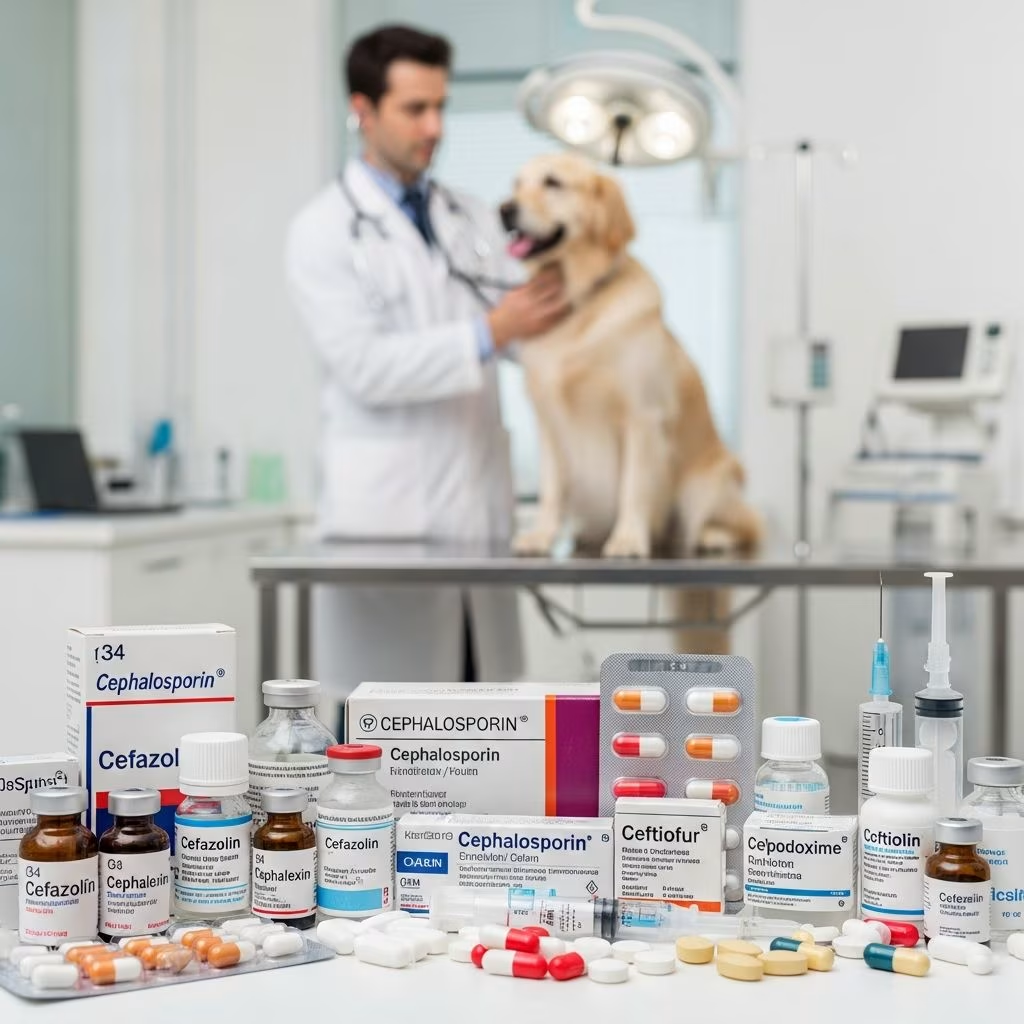
Cephalosporins represent a cornerstone of antibacterial therapy in veterinary medicine, offering broad-spectrum activity against gram-positive and gram-negative pathogens. These beta-lactam antibiotics, structurally related to penicillins, are classified into generations based on their evolving spectra and resistance profiles, making them vital for treating infections in livestock, companion animals, and equine species.
Understanding Cephalosporin Generations and Their Spectra
Cephalosporins are grouped into four generations, with cephamycins like cefoxitin included in the second due to their methoxy group enhancing beta-lactamase resistance. First-generation agents, such as cefazolin and cephalexin, excel against gram-positive bacteria like staphylococci and streptococci but show limited gram-negative coverage. Second-generation drugs expand this spectrum, targeting anaerobes and some gram-negatives more effectively while resisting certain beta-lactamases.
Third- and fourth-generation cephalosporins provide broader gram-negative activity, though veterinary formulations like ceftiofur mimic first-generation profiles against gram-negatives. Key veterinary third-generation options include ceftiofur for respiratory diseases and cefpodoxime for skin infections in dogs. Fourth-generation cefepime offers enhanced stability against extended-spectrum beta-lactamases.
| Generation | Key Examples | Primary Activity | Veterinary Notes |
|---|---|---|---|
| First | Cefazolin, Cephalexin | Gram-positive focus | Mastitis in cattle, skin infections in dogs |
| Second | Cefoxitin, Cefuroxime | Gram-positive/negative, beta-lactamase resistant | Soft tissue infections |
| Third | Ceftiofur, Cefpodoxime | Extended gram-negative | Respiratory disease in cattle/swine |
| Fourth | Cefepime, Cefquinome | Broad-spectrum, ESBL resistant | Respiratory and mastitis in various species |
Pharmacokinetics: Absorption, Distribution, and Elimination
Cephalosporins exhibit variable pharmacokinetics across species and routes. Plasma half-lives range from 30-120 minutes IV, longer orally like cephalexin at 7.3 hours in dogs. Volume of distribution is typically low (0.1-0.3 L/kg), with clearance influenced by renal function. High protein binding, as in cefovecin (99% in cats), extends duration.
Sustained-release formulations enhance compliance: ceftiofur crystalline-free acid for cattle provides multi-day coverage via depot injection, while cefovecin offers 14-day efficacy in dogs and cats subcutaneously. Poor CNS penetration limits use for meningitis, except some third-generation agents.
Species-Specific Dosing Considerations
- Dogs/Cats: Oral cephalexin for pyoderma; injectable cefovecin for compliance-challenged cases.
- Cattle: Ceftiofur for bovine respiratory disease (BRD), foot rot.
- Swine/Horses: Ceftiofur for respiratory pathogens like Mannheimia haemolytica.
Clinical Applications Across Animal Species
In companion animals, cephalosporins manage dermatological issues like pyoderma from Staphylococcus pseudintermedius, with first- and third-generation options showing high efficacy and low resistance. Cefpodoxime and cefovecin target skin, urinary tract, and soft tissue infections.
For food animals, ceftiofur is FDA-approved for BRD in cattle, swine, sheep, goats; foot rot; metritis; and chick mortality control. Cephapirin treats mastitis in dairy cattle. Cefquinome addresses respiratory disease and mastitis in cattle/swine. These are therapeutic, not growth-promoting.
Respiratory and Reproductive Infections
Ceftiofur’s spectrum suits BRD pathogens (Pasteurella multocida, Mannheimia haemolytica), reducing early mortality in poultry. In metritis, it controls uterine infections post-calving.
Safety, Residue Management, and Regulatory Guidelines
Cephalosporins are safe with low residue risks due to rapid metabolism and environmental degradation. FDA prohibits extralabel third/fourth-generation use in major food species to preserve efficacy. Withdrawal times ensure food safety; ceftiofur degrades quickly.
Hypersensitivity occurs rarely, but cross-reactivity with penicillins warrants caution. Monitor for resistance, especially MRSA-like strains.
Antimicrobial Resistance Challenges
Resistance via beta-lactamases threatens efficacy. Veterinary stewardship emphasizes culture-guided therapy. First-generation oral drugs rarely induce resistance in canine pyoderma. Limit broad-spectrum use to confirmed cases.
Future Directions in Veterinary Cephalosporin Use
Ongoing research focuses on novel formulations and resistance monitoring. Combination therapies and PK/PD optimization promise better outcomes.
Frequently Asked Questions (FAQs)
What are the main uses of ceftiofur in livestock?
Ceftiofur treats respiratory diseases, foot rot, metritis in cattle, and swine pneumonia.
Is cefovecin suitable for cats?
Yes, for skin infections; its long half-life (6.9 days) aids compliance.
Can cephalosporins treat Pseudomonas infections?
Limited; spectra vary, confirm via susceptibility testing.
Are there growth promotion uses in animals?
No, strictly therapeutic.
How to prevent resistance?
Use judiciously, base on cultures, follow stewardship.
References
- Cephalosporins – pharmacological basis of clinical use in veterinary dermatology — PubMed. 2021-10-14. https://pubmed.ncbi.nlm.nih.gov/34644916/
- Cephalosporin Order of Prohibition Questions and Answers — FDA. 2023-01-01. https://www.fda.gov/animal-veterinary/antimicrobial-resistance/cephalosporin-order-prohibition-questions-and-answers
- Cephalosporins in veterinary medicine – ceftiofur use — PubMed. 2002-06-01. https://pubmed.ncbi.nlm.nih.gov/12052187/
- Cephalosporins and Cephamycins Use in Animals — MSD Veterinary Manual. 2024-01-01. https://www.msdvetmanual.com/pharmacology/antibacterial-agents/cephalosporins-and-cephamycins-use-in-animals



