

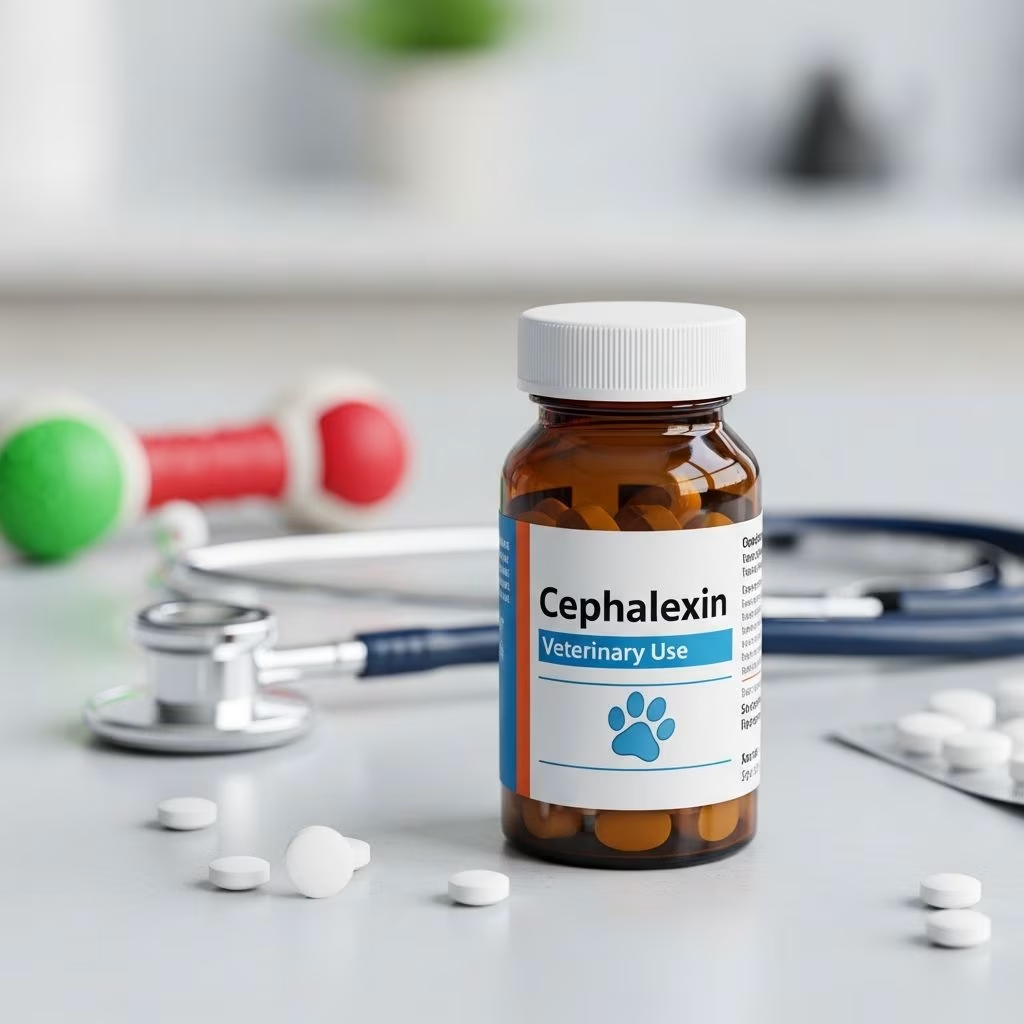
Cephalexin stands as a cornerstone in veterinary medicine for combating bacterial infections in companion animals. As a first-generation cephalosporin, it targets a range of gram-positive and some gram-negative bacteria, making it ideal for common issues like skin conditions and urinary tract problems in dogs and cats.
Understanding Cephalexin and Its Role in Pet Care
Cephalexin belongs to the cephalosporin family of beta-lactam antibiotics, first introduced in human medicine in the 1960s and later adapted for veterinary applications. In pets, it excels against pathogens such as Staphylococcus pseudintermedius, a frequent culprit in canine skin infections. Unlike broader-spectrum options, cephalexin is often the first choice to minimize resistance development, preserving stronger antibiotics for severe cases.
Veterinarians prescribe it for its oral bioavailability, allowing easy administration via tablets, capsules, or liquids. This accessibility benefits pet owners managing outpatient care without frequent vet visits.
Common Infections Treated with Cephalexin in Pets
Cephalexin addresses various bacterial ailments prevalent in pets. Key applications include:
- Skin Infections (Pyoderma): Highly effective for canine pyoderma linked to Staphylococcus intermedius group bacteria. Symptoms like redness, pustules, and hair loss respond well to treatment.
- Urinary Tract Infections (UTIs): Targets gram-positive and some gram-negative bacteria causing painful urination and frequent accidents in dogs and cats.
- Respiratory and Soft Tissue Issues: Used off-label for wounds, abscesses, and minor respiratory infections where susceptible bacteria are involved.
- Other Conditions: Occasionally for ear infections, bone infections, or post-surgical prophylaxis in pets.
In food animals like cattle, related cephalosporins such as ceftiofur treat bovine respiratory disease and foot rot, but strict FDA rules limit extralabel use to prevent resistance.
How Cephalexin Works Against Bacterial Threats
Cephalexin disrupts bacterial cell wall synthesis by binding to penicillin-binding proteins, leading to cell lysis. It is bactericidal, meaning it kills bacteria rather than merely inhibiting growth, which accelerates recovery in pets.
Its spectrum covers most gram-positive organisms (e.g., streptococci, staphylococci) and select anaerobes or gram-negatives like E. coli in mild cases. Resistance remains low in veterinary dermatology due to judicious use.
| Bacteria Type | Susceptibility | Common Pet Pathogens |
|---|---|---|
| Gram-Positive | High | S. pseudintermedius, Streptococci |
| Gram-Negative | Moderate | Some E. coli, Proteus |
| Anaerobes | Variable | Clostridia species |
| MRSA/MDRO | Low | Requires culture testing |
This targeted action reduces collateral damage to the pet’s gut microbiome compared to broad-spectrum drugs.
Veterinary Dosage Guidelines for Dogs and Cats
Dosages vary by infection severity, pet size, and kidney function. Standard protocols include:
- Dogs: 10-30 mg/kg body weight every 12 hours for 7-14 days for skin/UTI.
- Cats: Similar at 15-30 mg/kg every 12 hours, often shorter courses.
For a 20 kg dog, this equates to 200-600 mg twice daily. Always base on culture/sensitivity tests for optimal results. Liquid forms aid precise dosing in small pets.
In cattle, ceftiofur dosing is species-specific (e.g., 1.5-6.6 mg/kg subcutaneously for respiratory disease), with withdrawal times enforced.
Administering Cephalexin: Forms and Best Practices
Available as chewables, tablets (250/500 mg), capsules, or oral suspension. Compounding pharmacies customize flavors for picky eaters.
Tips for Success:
- Give with food to reduce stomach upset.
- Complete the full course to prevent relapse.
- Store suspensions refrigerated; shake well.
- Monitor for efficacy within 48-72 hours.
Long-acting injectables like cefovecin (Convenia) offer alternatives for non-compliant pets, lasting 14 days for skin/UTI issues.
Potential Side Effects and Safety Profile
Cephalexin is well-tolerated, with rare adverse effects. Common ones include:
- Vomiting, diarrhea, or reduced appetite (mild, often self-resolving).
- Allergic reactions (rash, swelling, anaphylaxis in penicillin-sensitive pets).
- Overgrowth of non-susceptible bacteria or yeast.
Severe signs warrant immediate vet attention. Safe for most breeds, but caution in pets with seizure history or renal impairment—dose adjustments needed.
Precautions, Contraindications, and Drug Interactions
Avoid in pets with known cephalosporin/penicillin allergies. FDA prohibits extralabel cephalosporin use in major food animals (cattle, swine, poultry) except cephapirin to curb resistance.
Interactions: Probenecid prolongs levels; nephrotoxic drugs amplify kidney risks. Not for viral/fungal infections or prophylaxis without indication.
The Critical Role of Veterinary Oversight
Never self-medicate—prescription required. Vets perform cultures to confirm susceptibility, especially amid rising resistance concerns. Responsible use preserves efficacy for human and animal health.
For food animals, adhere to label doses and withdrawal periods (e.g., 4 days meat for some ceftiofur).
Alternatives When Cephalexin Isn’t Suitable
If resistance or allergies arise:
| Condition | First-Line Alternative | Notes |
|---|---|---|
| Skin Pyoderma | Amoxicillin-clavulanate | Broad-spectrum oral |
| UTI | Enrofloxacin (fluoroquinolone) | For gram-negatives; restricted ELDU |
| Severe Infections | 3rd/4th Gen Cephalosporins | Life-saving in mastitis |
| Injections | Cefovecin | 14-day duration |
Frequently Asked Questions (FAQs)
What if my pet vomits after cephalexin?
Redose if within 30 minutes; otherwise, skip and consult vet. Probiotics may help GI upset.
Can cephalexin treat ear infections?
Yes, if bacterial; combine with topical cleaners for best results.
Is it safe for puppies/kittens?
Generally yes post-weaning; vet determines based on age/weight.
How long until improvement?
Typically 2-3 days; full course essential.
What about pregnant pets?
Use cautiously; Category B—discuss risks with vet.
Promoting Antibiotic Stewardship in Pet Health
Overuse fuels resistance, threatening treatments for pneumonia, UTIs, and more in humans and animals. Culture-guided therapy, narrow-spectrum choices like cephalexin, and vaccination/prevention are key. Pet owners play a vital role by following prescriptions precisely and reporting issues promptly.
In summary, cephalexin offers reliable, first-line defense against common pet infections when used appropriately under professional guidance. Its safety, efficacy, and oral convenience make it a veterinary staple, balanced by awareness of regulations and resistance risks.
References
- Cephalosporin Order of Prohibition Questions and Answers — FDA. 2012 (authoritative policy). https://www.fda.gov/animal-veterinary/antimicrobial-resistance/cephalosporin-order-prohibition-questions-and-answers
- Cephalosporins – pharmacological basis of clinical use in veterinary dermatology — PubMed. 2021-10-15. https://pubmed.ncbi.nlm.nih.gov/34644916/
- Cephalexin for Dogs and Cats — WebMD. Recent access. https://www.webmd.com/pets/pet-meds/cephalexin-for-dogs-and-cats
- Cephalosporin Use in Cattle — Minnesota Department of Agriculture (.gov). Recent. https://www.mda.state.mn.us/sites/default/files/inline-files/Cephalosporin.pdf
- FACTSHEET The use of 3rd and 4th generation cephalosporins and fluoroquinolones — HealthforAnimals. 2021-06. https://www.healthforanimals.org/wp-content/uploads/2021/06/7451_fact-sheet-cephalosporins-fluoroquinolones.pdf
- Cefovecin — VCA Animal Hospitals. Recent. https://vcahospitals.com/know-your-pet/cefovecin
- Cephalosporin Antibiotics — DrBarchas.com. Recent. https://drbarchas.com/cephalosporin-antibiotics/



