

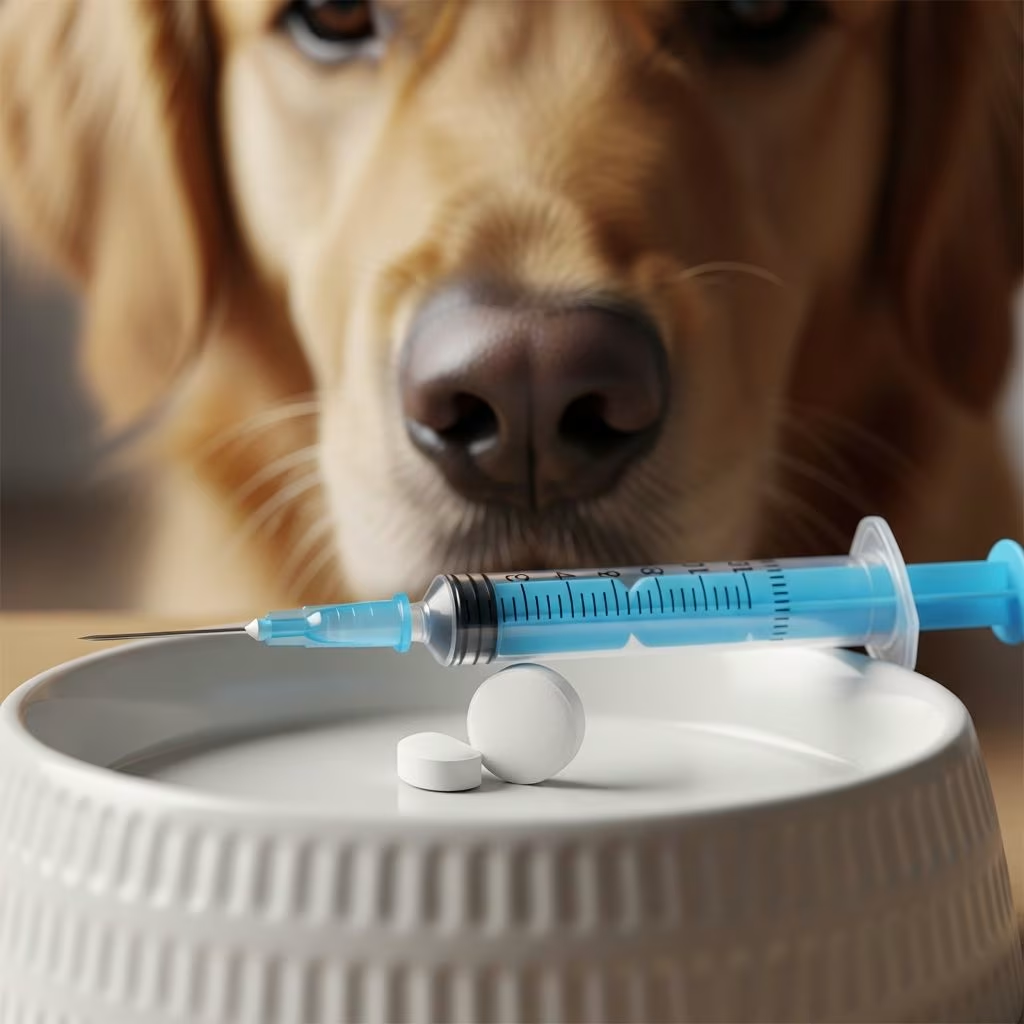
Cephalexin stands as a cornerstone antibiotic in canine medicine, particularly valued for its efficacy against common bacterial pathogens. This first-generation cephalosporin targets gram-positive bacteria like Staphylococcus and Streptococcus, as well as select gram-negative strains such as E. coli, making it ideal for everyday infections.
Understanding Cephalexin as a Canine Antibiotic
Cephalexin operates by disrupting bacterial cell wall synthesis, leading to the death of susceptible microbes. Its bactericidal action ensures rapid absorption into the bloodstream post-administration, allowing distribution to key infection sites throughout the body. Veterinarians favor it as a frontline option to preserve broader-spectrum drugs, thereby mitigating the rise of resistant bacterial strains.
Approved by the FDA specifically for canine skin infections caused by Staphylococcus pseudintermedius under the brand Rilexine (a chewable tablet), cephalexin sees frequent off-label application for urinary tract issues and wounds. Available in capsules, tablets, chewable forms, and oral suspensions, it accommodates various administration preferences.
Primary Applications in Canine Health
Dogs commonly receive cephalexin for:
- Skin infections (pyoderma): Addresses pus-filled lesions from staphylococcal overgrowth.
- Urinary tract infections: Counters E. coli and similar invaders in the bladder or kidneys.
- Wound abscesses and post-surgical prevention: Clears localized bacterial buildup and prophylactically guards surgical sites.
- Bone infections (osteomyelitis): Penetrates deeper tissues for chronic cases.
- Respiratory tract issues: Occasionally for upper airway bacterial complications, though not first-line per guidelines.
Its versatility extends to extra-label use in cats, ferrets, and exotic pets, but dogs represent the primary focus due to FDA canine approval.
Administering Cephalexin: Dosage and Protocols
Veterinarians tailor cephalexin dosages to the infection’s severity, location, and the dog’s weight. The standard regimen spans 22-25 mg per kilogram of body weight, administered every 12 hours for 1-3 weeks or until symptoms resolve plus a buffer period. For a 20 kg dog, this equates to roughly 440-500 mg twice daily.
| Dog Weight (kg) | Approx. Dose per Admin (mg) | Frequency |
|---|---|---|
| 5 | 110-125 | Every 12 hours |
| 10 | 220-250 | Every 12 hours |
| 20 | 440-500 | Every 12 hours |
| 30 | 660-750 | Every 12 hours |
Give with or without food; pair with meals if gastrointestinal upset occurs. Shake liquid suspensions vigorously and complete the full course to prevent relapse or resistance. Pre-treatment bacterial cultures guide optimal selection, with empiric starts common pending results.
Potential Adverse Reactions and Safety Profile
Most dogs tolerate cephalexin well, with low incidence of severe reactions. Common mild effects include:
- Vomiting or diarrhea
- Soft stools
- Reduced appetite
Rarely, allergic responses manifest as hives, facial swelling, or anaphylaxis—especially in penicillin-sensitive dogs due to cross-reactivity. Exercise caution in pets with kidney impairment, pregnancy, or lactation, as clearance may prolong.
No major interactions plague cephalexin, but space probiotics or antacids by 2 hours and monitor with probenecid or warfarin.
When Veterinary Testing Guides Treatment Success
Success hinges on matching the antibiotic to the pathogen via culture and sensitivity testing. Vets often initiate cephalexin empirically while awaiting lab results (2-5 days), adjusting if needed. Re-testing follows non-response or recurrence. Track improvements in lesion size, urine clarity, or energy levels; persistent symptoms warrant prompt re-evaluation.
Complete courses remain non-negotiable—even if the dog perks up early—to eradicate dormant bacteria and forestall resistance.
Alternatives and Complementary Options
While cephalexin excels for targeted infections, alternatives suit resistant cases:
- Convenia (cefovecin): Long-acting injectable cephalosporin delivering 14-day coverage for skin issues via single shot, ideal for pill-averse dogs.
- Other cephalosporins or broader antibiotics for polymicrobial infections.
Cephalexin preserves these reserves by serving milder cases first.
FAQs on Cephalexin Use in Dogs
Can I buy cephalexin over-the-counter for my dog?
No, it requires a veterinary prescription to ensure appropriate use.
How quickly does cephalexin work in dogs?
Improvements often appear within 48-72 hours, but full resolution demands the prescribed duration.
Is cephalexin safe for puppies or senior dogs?
Yes, with dose adjustments; consult your vet for age-specific guidance.
What if my dog misses a dose?
Administer ASAP unless near the next; never double up.
Does cephalexin treat viral infections?
No, it targets bacteria exclusively.
Preventing Infections to Minimize Antibiotic Needs
Proactive care reduces cephalexin reliance:
- Maintain flea/tick preventives to avert skin hotspots.
- Ensure clean water and prompt wound care.
- Regular vet check-ups for early detection.
- Boost immunity via balanced nutrition and exercise.
Antibiotic stewardship safeguards future efficacy.
References
- Cephalexin for Dogs and Cats — WebMD. 2023. https://www.webmd.com/pets/pet-meds/cephalexin-for-dogs-and-cats
- Cephalexin for Dogs: Uses, Dosage, Side Effects — GoodRx. 2024. https://www.goodrx.com/pet-health/dog/cephalexin-for-dogs
- FDA Approves First and Only Single-Dose Antibiotic for Dogs and Cats — Pfizer. 2008-01-29. https://www.pfizer.com/news/press-release/press-release-detail/fda_approves_first_and_only_single_dose_antibiotic_for_dogs_and_cats
- Cephalosporin Antibiotics — Dr. Barchas. Accessed 2026. https://drbarchas.com/cephalosporin-antibiotics/
- Cephalexin — VCA Animal Hospitals. Accessed 2026. https://vcahospitals.com/know-your-pet/cephalexin
- Antimicrobial use Guidelines for Treatment of Respiratory Tract Disease in Dogs and Cats — NIH PMC. 2017-02-01. https://pmc.ncbi.nlm.nih.gov/articles/PMC5354050/
- Convenia® — Zoetis US. Accessed 2026. https://www.zoetisus.com/products/petcare/convenia/



