

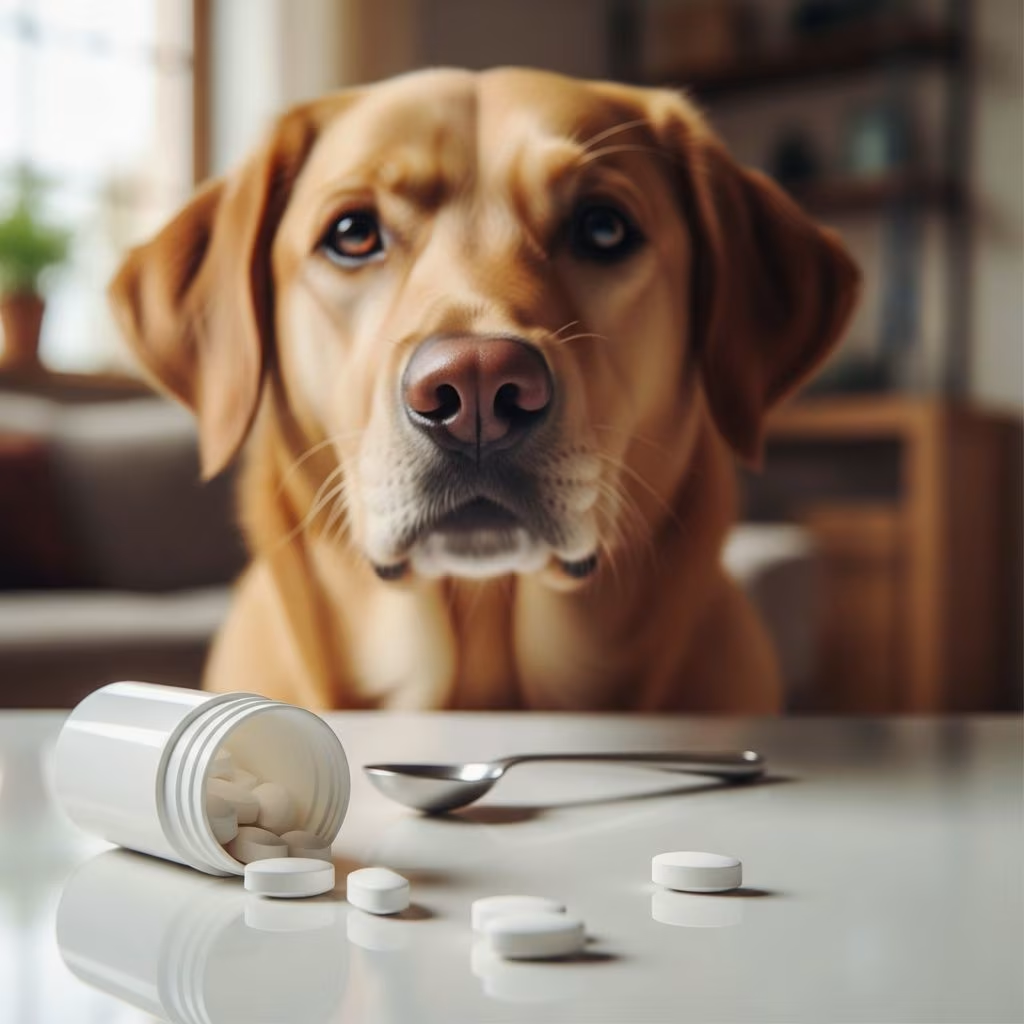
Understanding Cephalexin: An Essential Antibiotic for Pets
Cephalexin is a widely prescribed oral antibiotic that plays a crucial role in veterinary medicine, particularly in treating bacterial infections in companion animals. Known by brand names including Rilexine®, Keflex®, and Vetolexin®, this medication has become a standard treatment option for pet owners dealing with their dogs’ or cats’ bacterial infections. Understanding how this antibiotic works, its proper administration, and what to expect can help pet owners make informed decisions about their animals’ health care.
What is Cephalexin and How Does It Work?
Cephalexin belongs to a class of antibiotics known as cephalosporins, which are effective against both gram-positive and gram-negative bacteria. This medication is specifically designed to combat various bacterial infections in pets, with particular efficacy in treating pyoderma—a common bacterial skin infection in dogs. When administered orally, cephalexin works by interfering with bacterial cell wall synthesis, ultimately leading to bacterial cell death and infection resolution.
The medication’s mechanism of action makes it particularly valuable for treating skin-related bacterial infections, which are among the most common ailments veterinarians encounter in their canine and feline patients. Its oral formulation makes administration relatively straightforward for most pet owners, eliminating the need for injections or complex dosing procedures.
Primary Uses of Cephalexin in Veterinary Medicine
Cephalexin is primarily utilized to treat pyoderma and other bacterial skin infections in dogs and cats. Pyoderma, characterized by pustules and inflammation of the skin, responds particularly well to this antibiotic. Beyond skin infections, cephalexin can address various bacterial conditions affecting different body systems. The versatility of this medication makes it a go-to choice for veterinarians managing diverse bacterial infections.
In veterinary practice, cephalexin is often recommended for superficial and deep pyoderma cases, where bacterial overgrowth compromises skin health. Pet owners should note that this medication is particularly effective against certain bacteria while being less effective against methicillin-resistant Staphylococcus aureus (MRSA), most Enterococcus, or Pseudomonas species. Additionally, cephalexin cannot treat viral infections, such as the flu or common cold, as it is specifically designed for bacterial pathogens.
How Quickly Does Cephalexin Begin Working?
One important consideration for pet owners is understanding the medication’s timeline for effectiveness. Cephalexin will begin working within one to two hours after administration, initiating its antibacterial action at the cellular level. However, this biochemical activity does not immediately translate to visible improvement in your pet’s condition. External signs of healing and infection resolution may not become apparent for several days into the treatment course.
This delayed visible improvement is normal and should not cause concern. Pet owners must maintain their prescribed dosing schedule throughout the entire treatment period, even if improvement is not immediately noticeable. Discontinuing medication prematurely based on apparent lack of progress could allow bacteria to resurge and potentially develop antibiotic resistance.
Proper Dosing and Administration Guidelines
Administering cephalexin correctly is essential for treatment success. Pet owners should follow their veterinarian’s specific dosing instructions carefully, as dosages may vary based on the pet’s weight, age, and the specific infection being treated. The medication should be given exactly as prescribed, maintaining consistent intervals between doses to ensure optimal therapeutic levels in the pet’s system.
What to Do if You Miss a Dose
Pet owners sometimes inadvertently miss administering a scheduled dose. If this occurs, the missed dose should be given as soon as the owner remembers. However, if the next scheduled dose is approaching—typically within a few hours—the missed dose should be skipped entirely, and the regular dosing schedule should resume. Under no circumstances should a pet receive two doses at once, as this could lead to overdosing and potential adverse effects. When in doubt, pet owners should contact their veterinarian for guidance on their specific situation.
Understanding Potential Side Effects
Like all medications, cephalexin may produce side effects in some pets. Pet owners should be aware of both common and serious adverse reactions to facilitate early intervention if problems develop.
Common Side Effects
The most frequently observed side effects of cephalexin relate to gastrointestinal disturbances. These may include:
- Loss of appetite or decreased appetite
- Vomiting
- Diarrhea or loose stools
- General gastrointestinal upset
These side effects typically manifest as mild to moderate symptoms. If they become severe or persist beyond the initial treatment period, pet owners should contact their veterinarian. In such cases, the veterinarian may recommend starting a probiotic to help restore beneficial gut bacteria or may suggest switching to an alternative antibiotic if the current medication proves incompatible with the pet’s digestive system.
Allergic Reactions and Serious Adverse Effects
While rare, allergic reactions to cephalexin can occur. Pet owners should watch for the following warning signs and contact their veterinarian immediately if they develop:
- Fever
- Rashes or skin reactions
- Difficulty breathing or irregular breathing patterns
- Pale gums
- Puffiness or swelling around the face
- Urticaria (hives)
Additional serious side effects that warrant immediate veterinary attention include skin reactions, severe itching or scratching, drooling, increased breathing rate, excitability, and in rare cases, kidney damage. Cats warrant special attention regarding appetite loss; if a cat does not eat for 24 hours, this could lead to more severe complications and requires immediate veterinary evaluation.
Development of Drug Sensitivities Over Time
An important consideration is that drug sensitivities can develop with repeated exposure to cephalexin. A pet may exhibit no adverse reaction after the first few doses but may develop a sensitivity later during the treatment course. Pet owners should remain vigilant and watch for signs of allergic reactions throughout the entire duration of treatment, not just at the beginning. If unusual symptoms develop at any point, immediate veterinary consultation is warranted.
Cross-Reactivity with Penicillin Allergies
For pets with documented penicillin allergies, caution must be exercised when considering cephalexin. While cephalexin can serve as an alternative for patients with mild to moderate penicillin allergies, it is not recommended for those with severe penicillin sensitivities. Cross-reactivity between cephalosporins and penicillin-based antibiotics has been documented. Pet owners must inform their veterinarian of any known drug allergies before beginning cephalexin therapy.
Drug Interactions and Precautions
Cephalexin should be used with caution when administered alongside certain other medications. Pet owners should inform their veterinarian about all medications, vitamins, supplements, or herbal therapies their pet is currently receiving. Medications that warrant careful consideration when combined with cephalexin include:
- Aminoglycosides such as amikacin and gentamicin
- Bacteriostatic antibiotics like chloramphenicol, erythromycin, and tetracycline
- Other cephalosporins such as cefaclor
- Methotrexate
- Probenecid
Additionally, pets with kidney or liver disease may require dose adjustments, as these organs are responsible for metabolizing and excreting the medication. Veterinarians may recommend increased monitoring or modified dosing protocols for such patients.
Duration and Metabolism of Cephalexin
Cephalexin is classified as a short-acting medication, meaning its effects are relatively brief compared to longer-acting antibiotics. Under normal circumstances, the medication should stop working within 24 hours of the last dose. However, in pets with compromised liver or kidney function, the drug’s effects may persist longer due to delayed elimination from the body. This underscores the importance of providing accurate health history information to the veterinarian before starting treatment.
Proper Storage and Handling of Cephalexin
Maintaining medication integrity through proper storage is essential for ensuring continued efficacy. Pet owners should follow these storage guidelines carefully:
- Store cephalexin in a tightly sealed container to prevent contamination and moisture absorption
- Protect the medication from direct light exposure
- Maintain storage temperature between 59°F and 86°F (15°C and 30°C)
- For oral suspensions specifically, store in the refrigerator and dispose of after 14 days, as these formulations have limited stability
Improper storage can degrade the medication’s active ingredients, reducing its effectiveness or potentially creating harmful compounds. Pet owners should never use expired medication or medication that has been stored improperly.
Special Considerations for Different Pet Populations
Cephalexin can be used across various pet populations, including young animals and senior pets. However, individual circumstances may warrant dosage adjustments or additional monitoring. Pets with existing kidney disease, liver problems, or those taking multiple medications should receive particular veterinary attention before beginning cephalexin therapy. Pregnant or nursing animals may use cephalexin, though veterinary guidance is recommended to ensure safety for developing or nursing offspring.
Frequently Asked Questions About Cephalexin
Q: How long should my pet take cephalexin?
A: The duration of cephalexin treatment varies depending on the type and severity of infection. For pyoderma and bacterial skin infections, treatment may range from a few weeks to 8-12 weeks in more chronic cases. Always complete the full prescribed course even if improvement is visible, as stopping early can lead to antibiotic resistance and infection recurrence.
Q: Can cephalexin be given with food?
A: Many pets tolerate cephalexin better when administered with food, which can help reduce gastrointestinal upset. However, follow your veterinarian’s specific instructions, as some situations may require giving the medication on an empty stomach for optimal absorption.
Q: What should I do if my pet vomits after taking cephalexin?
A: If vomiting occurs shortly after administration, contact your veterinarian before giving the next dose. Your veterinarian can assess whether the medication was absorbed before vomiting and provide guidance on next steps, which may include dose timing adjustments or switching to an alternative formulation.
Q: Is cephalexin safe for cats?
A: Yes, cephalexin is used in both dogs and cats. However, cats require careful monitoring, particularly regarding appetite. If a cat does not eat for 24 hours while on cephalexin, contact your veterinarian immediately, as this could indicate a serious complication.
Q: Can cephalexin treat all types of bacterial infections?
A: While cephalexin is effective against many bacteria, it is not effective against MRSA, most Enterococcus species, or Pseudomonas. Your veterinarian will perform appropriate testing to ensure cephalexin is the right choice for your pet’s specific infection.
Q: How do I know if cephalexin is working?
A: While the medication begins working within 1-2 hours at the cellular level, visible improvement typically takes several days. Look for reduced scratching, improved skin appearance, or resolution of other infection signs. If no improvement is seen after one week of treatment, contact your veterinarian for reassessment.
When to Contact Your Veterinarian
Pet owners should reach out to their veterinarian in the following situations: if side effects become severe or persistent, if signs of allergic reaction develop, if the pet does not eat for extended periods, if unusual symptoms appear during treatment, or if the infection does not improve after the expected timeframe. Additionally, if a pet appears to have ingested an excessive amount of medication, immediate veterinary or poison control contact is necessary.
Cephalexin remains an invaluable tool in veterinary medicine for treating bacterial infections in companion animals. By understanding its proper use, potential side effects, and storage requirements, pet owners can contribute significantly to successful treatment outcomes and their pets’ overall health and wellbeing.
References
- Cephalexin | VCA Animal Hospitals — VCA Animal Hospitals. 2025. https://vcahospitals.com/know-your-pet/cephalexin
- Cefalexin — Wikipedia. 2025. https://en.wikipedia.org/wiki/Cefalexin
- Cephalexin for Dogs and Cats — WebMD Pets. 2025. https://www.webmd.com/pets/pet-meds/cephalexin-for-dogs-and-cats
- Pyoderma in Dogs — VCA Animal Hospitals. 2025. https://vcahospitals.com/know-your-pet/pyoderma-in-dogs
- Penicillin V | VCA Animal Hospitals — VCA Animal Hospitals. 2025. https://vcahospitals.com/know-your-pet/penicillin-v



