

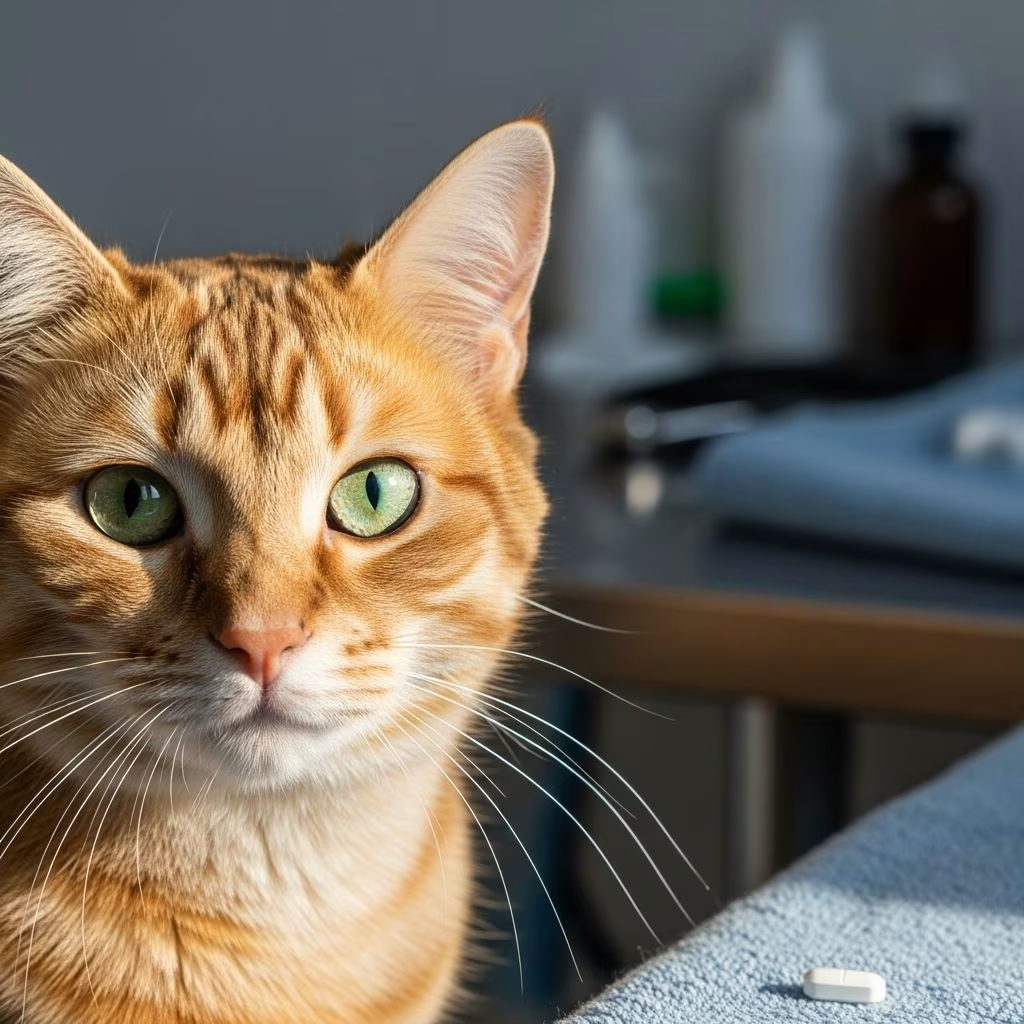
Urinary tract infections (UTIs) affect many cats, causing discomfort and potential complications if untreated. Cephalexin, a first-generation cephalosporin antibiotic, targets bacterial causes effectively when prescribed by a veterinarian.
Understanding Feline Urinary Tract Infections
Cats develop UTIs when bacteria invade the bladder or urethra, often leading to inflammation known as cystitis. Unlike dogs, true bacterial UTIs are less common in cats without underlying issues, making accurate diagnosis essential. Symptoms include frequent urination attempts, straining, blood in urine, vocalizing during litter box visits, and lethargy. Male cats face higher risks due to narrower urethras, potentially leading to life-threatening blockages.
Diagnosis starts with a vet exam, urinalysis, and ideally a urine culture via cystocentesis to identify the pathogen and its antibiotic sensitivity. This step prevents inappropriate treatments and resistance development.
The Role of Cephalexin in Treatment
Cephalexin excels against common UTI bacteria like E. coli and staphylococci due to its concentration-dependent action, achieving high urinary levels. Vets recommend it for uncomplicated cases, often alongside supportive care.
- Bacterial Coverage: Effective on gram-positive and some gram-negative organisms prevalent in feline UTIs.
- Administration: Oral suspension or tablets, dosed at 15-30 mg/kg every 12 hours for 7-14 days, adjusted per culture results.
- Duration: Short courses (3-7 days) suffice for simple infections; extend to 4 weeks for complicated ones like pyelonephritis.
For severe cases, initial IV antibiotics may transition to oral Cephalexin once stable.
Supportive Therapies Alongside Antibiotics
Antibiotics alone may not resolve UTIs; comprehensive care addresses hydration, pain, and underlying factors.
| Treatment Type | Description | Benefits |
|---|---|---|
| Fluid Therapy | IV or subcutaneous fluids | Corrects dehydration, flushes bacteria |
| Pain Relief | Buprenorphine or NSAIDs (cautiously) | Reduces discomfort, encourages eating |
| Dietary Changes | Urinary prescription diets | Alters urine pH, dissolves struvite stones |
| Acidifiers | Prescription additives | Promotes acidic urine to inhibit bacteria |
Urethral obstructions demand emergency catheterization and monitoring.
Potential Side Effects and Monitoring
Cephalexin is generally safe but monitor for vomiting, diarrhea, or allergic reactions like facial swelling. Rare complications include kidney strain in dehydrated cats. Regular vet check-ups ensure resolution via follow-up cultures.
- Complete the full course to avoid resistance.
- Watch for appetite loss or worsening symptoms—contact your vet immediately.
Preventing Recurrent Cat UTIs
Recurrence stems from stress, crystals, or diabetes. Proactive steps include:
- Encouraging water intake with fountains or wet food.
- Multiple clean litter boxes in low-stress areas.
- Stress reduction via pheromones or routine stability.
- Regular vet screenings for at-risk cats like seniors or males.
Prescription diets prevent stone formation, a common UTI trigger.
When to Seek Emergency Care
Signs like inability to urinate, collapse, or vomiting signal obstruction—rush to an emergency vet. Early intervention saves lives.
FAQs on Cat UTI and Cephalexin
Can all cats take Cephalexin?
No, avoid in penicillin-allergic cats or those with severe kidney disease. Vet assessment is crucial.
How long until symptoms improve?
Most cats show relief in 48-72 hours, but finish the course.
Is over-the-counter treatment safe?
No—self-treatment risks resistance and misses underlying issues.
What if culture shows resistance?
Vets switch to alternatives like fluoroquinolones based on sensitivity.
Can diet alone prevent UTIs?
It helps but doesn’t replace antibiotics for active infections.
Holistic Adjuncts to Conventional Care
While Cephalexin handles bacteria, supplements like cranberry extract may deter adhesion, though evidence is limited. Probiotics support gut health post-antibiotics. Always consult vets before adding.
Maintaining ideal weight reduces UTI risks, as obesity stresses the urinary system.
Long-Term Management for Chronic Cases
Cats with recurrent UTIs need thorough workups for diabetes, hyperthyroidism, or stones. Tailored plans include ongoing diets, periodic cultures, and stress management.
Owners play a key role tracking litter habits and reporting changes promptly.
References
- Cat Urinary Tract Infection & Treatment | Bakersfield Vets — Stine Animal Hospital. 2022-02-07. https://www.stinevet.com/site/blog/2022/02/07/cat-urinary-tract-infection
- Feline lower urinary tract disease (FLUTD) — American Veterinary Medical Association (AVMA). Accessed 2026. https://www.avma.org/resources-tools/pet-owners/petcare/feline-lower-urinary-tract-disease
- Use of Antibiotics for Treating UTIs in Dogs and Cats — Today’s Veterinary Practice. Accessed 2026. https://todaysveterinarypractice.com/pharmacology/antibiotic-use-urinary-tract-infections-dogs-cats/
- 2025 iCatCare consensus guidelines on the diagnosis and management — Journal of Feline Medicine and Surgery. 2025. https://journals.sagepub.com/doi/10.1177/1098612X241309176
- ISCAID Urinary Guidelines 2019 — NDSU Veterinary Diagnostic Laboratory. 2022-02. https://www.vdl.ndsu.edu/wp-content/uploads/2022/02/ISCAID-Urinary-Guidelines-2019.pdf
- Antimicrobial Use Guidelines for Treatment of Urinary Tract Disease — PMC (NCBI). 2011. https://pmc.ncbi.nlm.nih.gov/articles/PMC3134992/
- ISCAID Guidelines & management of bacterial urinary tract infections — VETgirl on the Run. Accessed 2026. https://vetgirlontherun.com/podcasts/iscaid-guidelines-bacterial-uti-part1-vetgirl-veterinary-podcasts/
- Emergency Cat UTI Treatment | Urgent Signs & Next Steps — Garden State Veterinary Specialists. Accessed 2026. https://gsvs.org/blog/cat-uti-emergency-treatment/



