

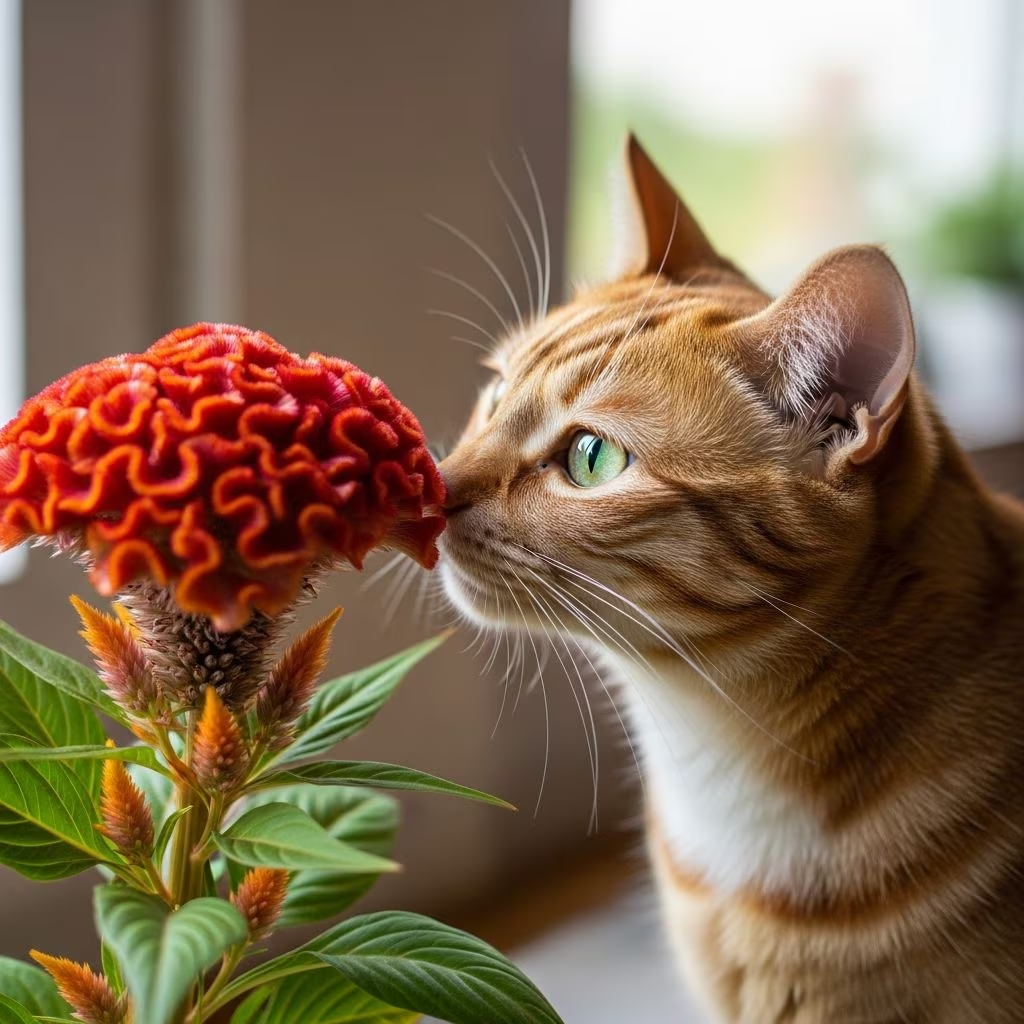
Pet owners who love bringing nature indoors often wonder whether their chosen plants pose any risk to their feline companions. One such plant that frequently comes up in these conversations is celosia, a vibrant ornamental flower known for its striking plume-like or brain-textured blooms. If you’re considering adding celosia to your home and share your living space with one or more cats, understanding its safety profile is essential for making an informed decision about your indoor garden.
Understanding Celosia: Botanical Background and Characteristics
Celosia, scientifically known as Celosia argentea var. plumosa, belongs to the Amaranthaceae family, commonly referred to as the amaranth family. The plant is native to Asia and has become increasingly popular in ornamental gardening worldwide due to its distinctive appearance and relatively easy cultivation requirements. The name celosia derives from a Greek word meaning “burned” or “fire,” a fitting description given the flower’s vibrant, flame-like appearance.
The plant displays several visual characteristics that make it popular among gardeners. Its flowers feature intricate, feathery structures that can resemble plumes or, in certain varieties, textures similar to brain tissue—earning the variety known as cockscomb its distinctive common name. The color palette available includes shades of red, pink, orange, yellow, and purple, offering flexibility for landscaping and decorative purposes. Beyond its aesthetic appeal, celosia serves practical functions in various cultures and is even considered an edible plant in some regions.
Toxicity Status: What the Evidence Shows
The primary concern for cat owners is whether celosia poses any toxicological threat to their pets. According to the American Society for the Prevention of Cruelty to Animals (ASPCA), celosia is classified as non-toxic to both cats and dogs. This designation means that the plant itself does not contain compounds that are inherently poisonous to feline physiology.
This safety classification provides significant peace of mind for pet owners who wish to incorporate celosia into their homes. Unlike some common household plants that pose serious health risks—such as lilies, which can cause fatal kidney damage in cats—celosia does not rank among dangerous botanical specimens. The non-toxic status applies across all celosia varieties, though individual plant sensitivities can occasionally vary among individual animals.
Potential Gastrointestinal Effects and Rare Reactions
While celosia is classified as non-toxic, it’s important to understand that non-toxic does not always mean entirely symptom-free if consumed in large quantities. Some cats may experience mild gastrointestinal disturbances if they consume excessive amounts of the plant material. The most commonly reported effects include:
- Vomiting
- Diarrhea
- Loss of appetite
- Abdominal discomfort
- Excessive drooling
These reactions typically occur only when a cat ingests a substantial quantity of plant material—an amount that most cats would be unlikely to consume during normal exploration or play. The plant’s texture and taste do not typically appeal to cats in the way some other houseplants do, which further reduces the likelihood of overconsumption.
In rare instances, individual cats may experience allergic responses or heightened sensitivity to celosia. Such reactions are not indicative of the plant’s inherent toxicity but rather reflect the unique physiology of specific animals. Similar to how some humans experience food allergies while others do not, cats may occasionally have individual reactions to plants that are generally considered safe.
Behavioral and Health Monitoring After Exposure
If you discover that your cat has been chewing on or consuming celosia, the appropriate response depends on the amount consumed and any symptoms that develop. In the vast majority of cases, cats encounter celosia without experiencing any adverse effects whatsoever. Their natural curiosity may lead them to investigate the plant, but they typically do not consume large quantities.
Monitoring your cat’s behavior following celosia exposure involves observing several key indicators:
- Appetite changes: Notice whether your cat maintains normal eating habits or shows diminished interest in food
- Litter box patterns: Monitor for unusual urination or defecation patterns that might indicate digestive upset
- Activity levels: Observe whether your cat maintains its typical energy and playfulness
- Vomiting or retching: Watch for any episodes of vomiting or repeated retching sounds
- Behavioral demeanor: Note any unusual lethargy, hiding, or behavioral changes
Most cats recover quickly and completely from any mild gastrointestinal irritation caused by celosia consumption without requiring veterinary intervention. However, persistent symptoms lasting more than a few hours warrant professional evaluation.
When to Seek Veterinary Guidance
While celosia-related health emergencies are extremely rare, certain situations necessitate veterinary consultation. You should contact a veterinarian if your cat displays any of the following:
- Persistent vomiting or vomiting accompanied by blood
- Diarrhea lasting more than 24 hours
- Signs of abdominal pain, such as crouching, reduced activity, or vocalization
- Complete loss of appetite spanning multiple meals
- Lethargy or unusual behavior changes
- Difficulty swallowing or excessive drooling
Your veterinarian can perform a physical examination, assess your cat’s overall health, and recommend appropriate treatment if necessary. Providing information about what your cat consumed and when can assist the veterinarian in making accurate assessments and recommendations.
Celosia’s Traditional and Culinary Applications
Understanding celosia’s broader context helps appreciate why it’s considered safe for various animals. In numerous cultures, celosia holds significance beyond ornamental use. In traditional Indian medicine, celosia has been employed to address fever and digestive complaints. In African traditional practices, celosia seeds are processed into ash and applied topically for treating skin conditions such as rashes and boils.
The plant is consumed as food in various cultures, and it’s considered edible even in wild settings, where various animal species consume it without apparent harm. This edibility factor further supports the plant’s non-toxic classification. The broad cultural acceptance and use of celosia as both medicine and food indicates its generally benign nature.
Creating a Cat-Safe Indoor Garden
If you wish to grow celosia while maintaining a safe environment for your feline companions, several practical strategies enhance safety. First, position celosia plants in locations that discourage excessive investigation—elevated shelves, high windowsills, or areas separated by barriers can reduce accessibility. Second, ensure that the potting soil and container choices prevent accidental ingestion of soil, which may contain fertilizers or other additives that could cause problems.
Additionally, providing your cat with alternative plants they can safely interact with may redirect their botanical curiosity. Cat-safe options include spider plants, cat grass, and certain palm varieties. Offering appropriate outlets for your cat’s natural desire to explore and chew on vegetation can reduce their interest in your ornamental plants, including celosia.
Comparing Celosia to Genuinely Toxic Plants
To place celosia’s safety profile in perspective, consider how it contrasts with genuinely dangerous houseplants. Lilies, for example, are highly toxic to cats and can cause fatal kidney failure even from minimal exposure to pollen or small quantities of plant material. Dieffenbachia, philodendron, and sago palm present serious toxicological risks. In comparison, celosia presents virtually no toxicological threat, making it an excellent choice for cat-owning gardeners.
Frequently Asked Questions
Is all celosia safe for cats, or only certain varieties?
All celosia varieties, including the plumed varieties and cockscomb types, are considered non-toxic to cats according to the ASPCA. Individual cats may have unique sensitivities, but the plant itself is consistently classified as safe across all cultivars.
What should I do if my cat vomits after eating celosia?
Single episodes of vomiting are typically not concerning and may resolve without intervention. However, if vomiting persists, escalates, or is accompanied by other symptoms, contact your veterinarian for evaluation and guidance.
Can my cat eat celosia flowers as well as leaves?
While celosia flowers and leaves are both non-toxic, cats typically do not show interest in consuming flowers. The plant’s mild taste and texture do not usually appeal to cats’ palates. If consumption does occur, the same safety principles apply to both flowers and foliage.
Are there any cats that should especially avoid celosia?
Kittens or cats with pre-existing gastrointestinal sensitivities might experience mild symptoms from consuming any plant material. Additionally, cats with specific medical conditions affecting the digestive system should be monitored more closely, though celosia itself remains non-toxic.
How can I prevent my cat from eating my celosia plants?
Strategic placement in elevated or enclosed locations, physical barriers, and providing alternative entertainment can reduce your cat’s access to and interest in celosia. Additionally, ensuring your cat has appropriate outlets for its natural behaviors can satisfy their curiosity without targeting your plants.
Final Considerations for Pet Owners
Celosia represents an excellent choice for cat owners seeking to introduce ornamental plants into their homes. The plant’s non-toxic classification provides reassurance that accidental consumption poses no significant health risk. This safety profile, combined with the plant’s aesthetic appeal and relatively easy care requirements, makes celosia a practical addition to cat-friendly households.
Nevertheless, responsible pet ownership involves remaining vigilant about your cat’s interactions with any houseplants. Even non-toxic plants can cause mild gastrointestinal upset in individual animals, and monitoring your cat’s behavior provides early warning of any unusual reactions. By combining the safety knowledge that celosia presents no toxicological threat with practical prevention strategies and awareness of warning signs, you can confidently cultivate celosia while maintaining your cat’s health and wellbeing.
References
- Celosia Plumosa – Toxic and Non-toxic Plants — American Society for the Prevention of Cruelty to Animals (ASPCA). Accessed January 2026. https://www.aspca.org/pet-care/aspca-poison-control/toxic-and-non-toxic-plants/celosia-plumosa
- Cat-Safe Plants: Non-Toxic Plants for Cats — Bouqs. Accessed January 2026. https://bouqs.com/blog/cat-safe-plants/
- Is Celosia Poisonous for Cats? Vet-Reviewed Safety Facts — Hepper. Accessed January 2026. https://articles.hepper.com/is-celosia-poisonous-for-cats/
- Natural Born Killers – Which Plants May Harm Your Pet — Countryside Animal Clinic. Accessed January 2026. https://countrysideanimalclinic.net/news/Natural-Born-Killers



