

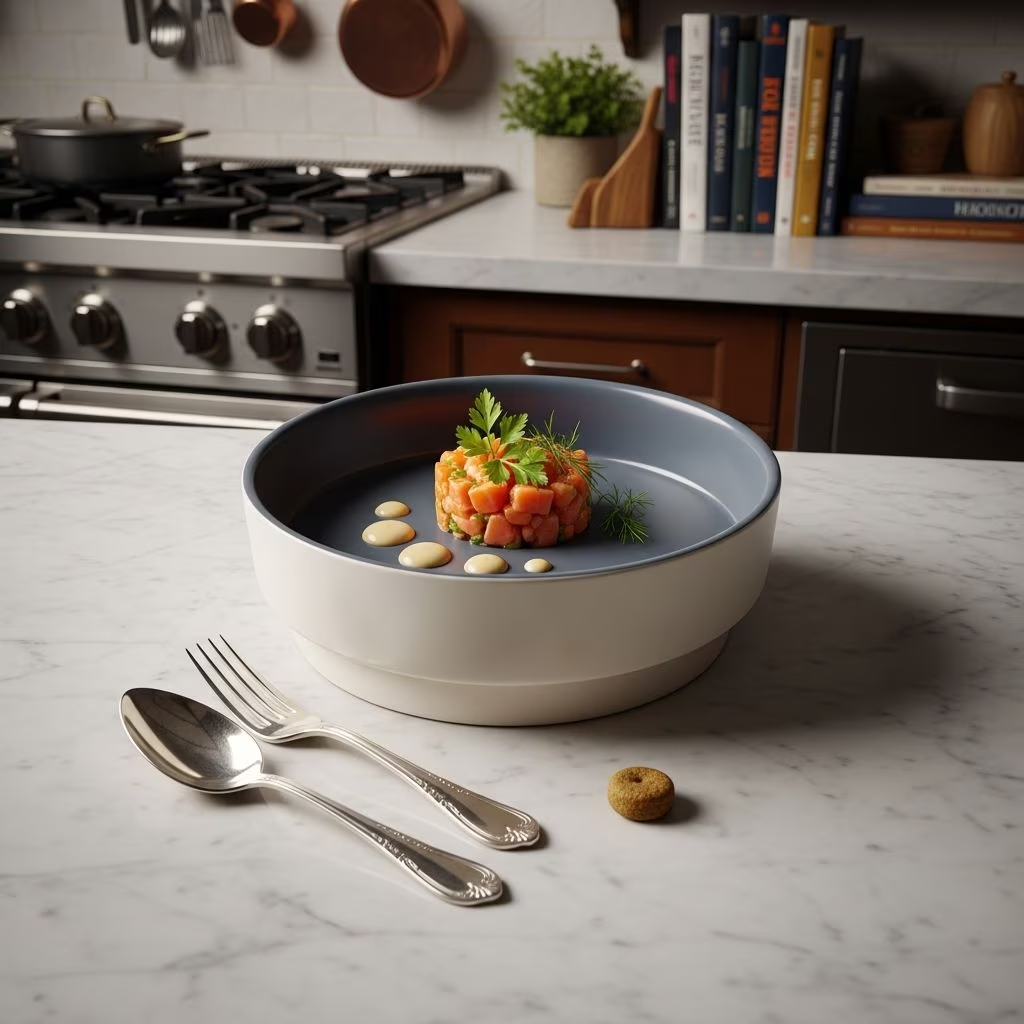
Are Celebrity Chefs Feeding Their Pets Five-Star Meals?
Many culinary professionals are notorious for neglecting their own nutrition due to demanding restaurant schedules and the pressure to impress diners. However, when it comes to their beloved animal companions, some of these master chefs invest significant time and effort into creating gourmet, nutritionally balanced meals. While certain chefs opt for convenience with commercial kibble and canned options, others demonstrate their culinary passion by preparing homemade pet meals using premium ingredients and cooking techniques they’ve honed throughout their careers.
After surveying numerous culinary experts across the country, a fascinating pattern emerges: pets belonging to professional chefs enjoy a remarkable range of dining experiences. Some four-legged and feathered friends benefit from carefully crafted recipes that rival restaurant-quality standards, often incorporating ingredient scraps and kitchen trimmings that would otherwise go to waste. This approach reflects both a chef’s commitment to animal nutrition and a practical philosophy of sustainable cooking practices.
Elevated Kibble Toppers: Chef Iliana Regan’s Approach
Michelin-starred chef Iliana Regan, founder of The Milkweed Inn in Michigan’s Upper Peninsula and acclaimed author, exemplifies how professional chefs creatively enhance their pets’ daily meals. Rather than serving plain kibble, Regan utilizes byproducts from her culinary operations to create nutrient-dense toppers that transform ordinary meals into culinary experiences.
Regan’s signature kibble topper combines several wholesome components:
- Chicken meat recovered from homemade stock bones
- Roasted sweet potato pieces
- Fresh peas and blueberries
- Brown rice
- A modest amount of chicken broth drizzled over the mixture
According to Regan, her dogs have learned to associate the appearance of chicken with special treat time, creating positive behavioral conditioning while delivering essential nutrients. This approach demonstrates how chefs can leverage their kitchen skills to enhance pet nutrition without requiring extensive additional preparation time. The combination of protein, complex carbohydrates, vitamins from vegetables and berries, and hydration from broth creates a nutritionally complete enhancement to standard kibble.
Homemade Treats: Date, Oat, and Nut Butter Creations
Sustainable chef and podcast host Dan Churchill reserves his most impressive culinary creations for his rescue dog companion, Mav. Churchill’s specialty treats showcase how simple pantry ingredients can be transformed into delicious, health-conscious pet snacks using basic baking techniques.
Churchill’s signature treat recipe features a straightforward but nutritious combination:
- Pitted dates (natural sweetness and fiber)
- Rolled oats (whole grains and digestive benefits)
- Peanut butter (protein and healthy fats)
- Whole wheat flour (structure and nutrients)
- Oven-baking at moderate temperatures to preserve nutritional value
This treat exemplifies chef-quality pet nutrition that requires minimal technical skill but delivers maximum nutritional benefit. The natural sugars from dates, protein from oats and peanut butter, and fiber content create a satisfying snack that supports digestive health while satisfying canine taste preferences. The baking process takes approximately fifteen minutes from preparation to completion, making it accessible for busy professionals.
Seasonal Nutrition for Poultry: Lisa Steele’s Winter Chicken Care
Fifth-generation chicken keeper and author Lisa Steele approaches pet nutrition with particular attention to seasonal variations and dietary needs. While Steele regularly provides kitchen scraps to her flock during warmer months, winter nutrition receives specialized attention to maintain optimal health during challenging weather.
Steele’s winter oatmeal recipe for chickens includes:
- Hearty rolled oats as the base ingredient
- Fresh blueberries for antioxidant support
- Garlic for its potential immune-boosting properties
- Cinnamon for flavor and potential metabolic benefits
This recipe reflects professional understanding that different species have distinct nutritional requirements and that seasonal variations affect dietary needs. The warm, nutrient-dense meal provides increased calories during cold months while supporting immune function through carefully selected ingredients. Steele’s approach demonstrates how chefs and agricultural professionals can apply culinary knowledge to optimize animal nutrition across species and seasons.
Flavor-Enhanced Soup for Dry Food Rehydration
Chef Bridgette Witte, culinary innovator behind Culinary Debates, addresses a common challenge in pet nutrition: encouraging dogs to consume dry kibble while maximizing nutritional intake and hydration. Witte’s solution involves preparing a customizable soup designed specifically to complement and rehydrate dry dog food.
This innovative approach offers several advantages for pet owners seeking to enhance their dogs’ meals:
- Customizable vegetable selection based on individual dog health requirements
- Flexible protein options tailored to dietary needs and preferences
- Batch preparation capability allowing freezer storage for up to two months
- Improved hydration through broth-based delivery systems
- Enhanced palatability encouraging increased food consumption
Witte’s recipe demonstrates professional kitchen practices applied to pet nutrition, including batch cooking for efficiency and storage optimization. The soup approach allows pet owners to incorporate seasonal vegetables, adjust portions based on individual dietary restrictions, and maintain consistent quality while minimizing daily preparation time.
The Philosophy Behind Chef-Prepared Pet Meals
The distinction between celebrity chefs who prepare homemade pet meals and those who rely on commercial options reflects broader philosophies about food quality, sustainability, and animal care. Chefs who invest time in homemade pet nutrition typically view food as medicine and recognize the connection between diet quality and long-term health outcomes for their animal companions.
Several underlying principles emerge from examining professional chefs’ pet feeding practices:
- Ingredient Quality: Professional chefs understand that ingredient sourcing directly impacts nutritional value and health outcomes
- Waste Reduction: Utilizing kitchen byproducts and scraps aligns with sustainable cooking practices and reduces household waste
- Personalization: Individual animal needs, health conditions, and preferences inform recipe development rather than relying solely on commercial formulations
- Nutritional Balance: Culinary professionals apply their understanding of macronutrients and micronutrients to create complete, balanced meals
- Time Efficiency: Strategic meal planning and batch cooking integrate pet nutrition into existing kitchen routines without requiring excessive additional effort
Fresh Food Innovation in the Pet Nutrition Industry
The influence of professional chefs extends beyond individual pet feeding practices into the broader pet nutrition industry. Caroline Artiss, a professionally trained chef who previously operated award-winning restaurants, exemplifies this crossover. Following career disruptions during pandemic conditions, Artiss redirected her culinary expertise toward pet nutrition through Migos Dog, a Malibu-based fresh food company launched in late 2021.
Artiss’s transition to pet nutrition reflects her recognition of similarities between human and canine nutritional requirements. Both species require appropriate hydration, adequate protein intake, balanced carbohydrate consumption, and micronutrients supporting cognitive development and overall health. Her approach emphasizes accessibility, offering multiple pathways for pet owners to incorporate fresh nutrition:
- Pre-prepared fresh food delivery services for convenience-focused customers
- Free recipe videos enabling home preparation using accessible ingredients
- Supplemental powders allowing enhancement of existing commercial diets
- Specialized recipes addressing specific health conditions including renal disease and pancreatitis
This multi-tiered approach acknowledges that different households have varying capabilities, budgets, and time availability for pet nutrition preparation.
Practical Implementation: Getting Started with Chef-Quality Pet Meals
Pet owners interested in implementing chef-approved pet nutrition practices need not be professional culinary experts. The recipes and approaches championed by professional chefs emphasize simplicity, accessibility, and ingredient quality rather than complex techniques.
Key considerations for implementing chef-quality pet nutrition at home include:
- Consulting with veterinary nutritionists to ensure recipes meet specific individual animal requirements
- Starting with simple recipes using familiar, safe ingredients
- Implementing batch cooking and freezing strategies for time efficiency
- Gradually transitioning from commercial to home-prepared foods when appropriate
- Monitoring animal health outcomes and adjusting recipes based on results
- Utilizing kitchen scraps and byproducts to reduce waste while enhancing nutrition
Frequently Asked Questions
Q: Is homemade pet food nutritionally complete compared to commercial options?
A: Homemade pet food can be nutritionally complete when formulated in consultation with veterinary nutritionists. The key is ensuring recipes include appropriate proteins, fats, carbohydrates, vitamins, and minerals specific to your pet’s life stage and health status. Many commercial options are formulated to meet established nutritional standards, but professionally developed homemade recipes can provide equivalent or superior nutritional profiles.
Q: How can busy professionals prepare fresh pet meals without extensive time investment?
A: Batch cooking and freezer storage are essential strategies. Prepare large quantities of recipes during available time, then portion and freeze for gradual use. Many recipes, including soups and toppers, maintain quality when frozen for extended periods. Simple recipes requiring fifteen to thirty minutes of active preparation time can be completed during regular kitchen activities.
Q: What are the cost implications of chef-prepared pet meals versus commercial food?
A: Costs vary depending on ingredient selection and sourcing. Using bulk purchases from discount retailers, seasonal produce, and kitchen byproducts can make homemade meals cost-competitive with premium commercial options while potentially exceeding the quality. Even mixing homemade toppers with commercial kibble provides nutritional enhancement at reasonable cost.
Q: Can all pets safely consume the same homemade meals featured in these recipes?
A: No. Individual pets have varying nutritional requirements based on age, health status, breed, and activity level. Recipes should be customized in consultation with veterinary professionals. Some ingredients safe for most dogs may be problematic for animals with specific health conditions or allergies.
Q: How should I transition my pet from commercial to homemade food?
A: Gradual transition over seven to ten days helps prevent digestive upset. Start by mixing small amounts of new homemade food with existing commercial food, gradually increasing the homemade proportion while monitoring digestive health. This transition period allows the animal’s digestive system to adjust to new ingredients.
Conclusion: Bridging Professional Culinary Excellence and Pet Nutrition
The intersection of professional culinary expertise and pet nutrition reveals that exceptional animal care doesn’t require exotic ingredients or complicated techniques. Instead, it demands attention to ingredient quality, understanding of nutritional fundamentals, and commitment to personalized feeding practices. Whether through simple kibble toppers, homemade treats prepared in fifteen minutes, or batch-cooked soups, professional chefs demonstrate that pets can enjoy five-star nutrition when their caregivers apply culinary knowledge to meet species-specific dietary needs. As the pet nutrition industry continues evolving, the influence of trained culinary professionals promises to elevate standards across commercial and home-prepared pet food options alike.
References
- Are Celebrity Chefs Feeding Their Pets Five-Star Meals? — Kinship. 2024. https://www.kinship.com/pet-nutrition/what-chefs-feed-their-pets
- Migos Dog Keeps Things Fresh For You and Your Pup — Kinship. 2024. https://www.kinship.com/dog-nutrition/migos-dog-fresh-food
- 3 Reasons to Cook Your Own Dog Food — Kinship. 2024. https://www.kinship.com/dog-nutrition/reasons-make-your-own-dog-food



