

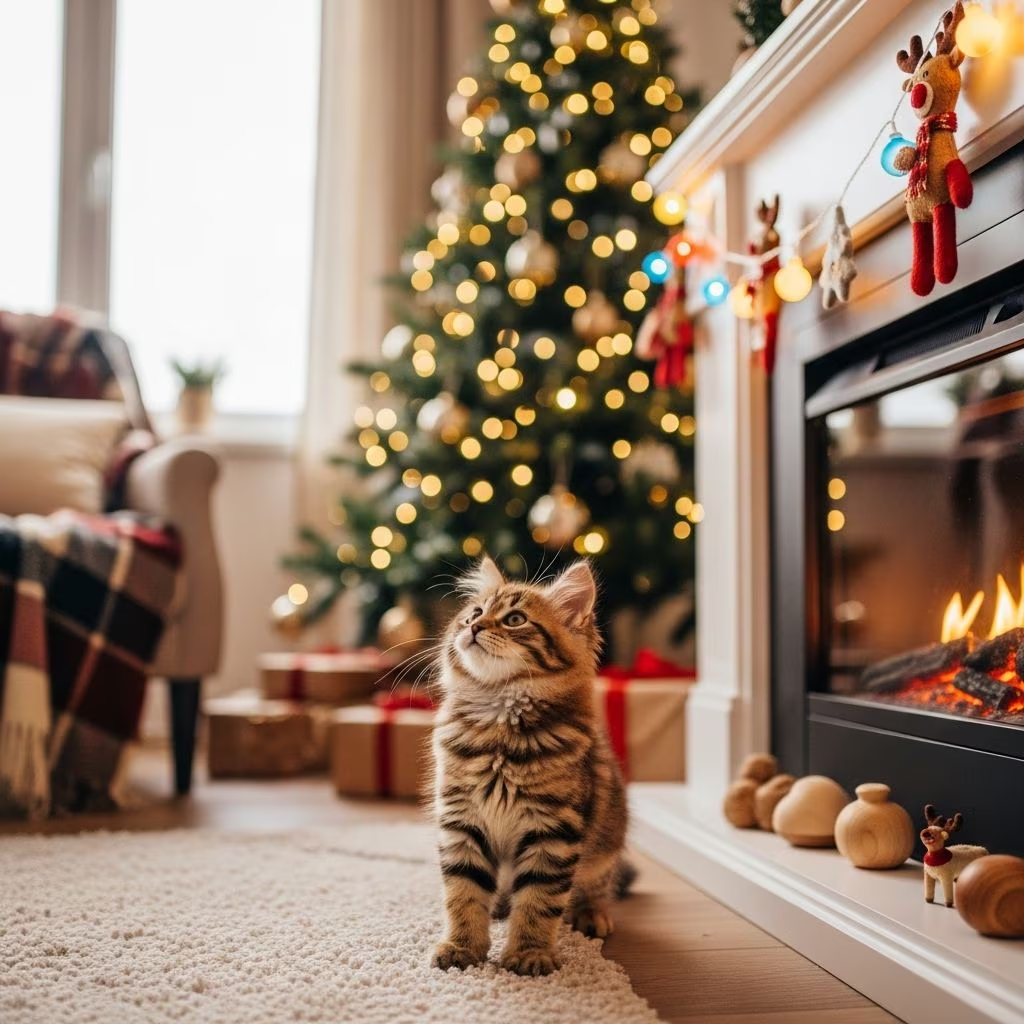
The holiday season brings joy, festive decorations, and quality time with loved ones—including your new kitten. However, the festive atmosphere also introduces unique challenges for curious young cats. From glittering ornaments to tempting treats, holiday hazards are everywhere. This comprehensive guide will help you create a safe, enjoyable holiday experience for your new feline family member while maintaining the festive spirit you love.
Understanding Holiday Hazards for Kittens
New kittens are naturally curious and playful, making them particularly vulnerable to holiday-related dangers. Unlike adult cats with established boundaries, young kittens are still learning what is safe to interact with. The holiday season introduces numerous items that can pose serious risks, from toxic plants to small decorative objects that present choking hazards.
Common holiday hazards include Christmas trees (both real and artificial), ornaments, tinsel, electrical cords, holiday plants, candles, and festive foods. Kittens may be attracted to the texture of tinsel, the movement of ornaments, or the dangling nature of decorative elements. Understanding these risks is the first step toward creating a secure holiday environment.
Cat-Proofing Your Christmas Tree
Choosing the Right Tree
Your choice of Christmas tree significantly impacts your kitten’s safety. Real Christmas trees shed pine needles, which can be dangerous if ingested and may cause gastrointestinal issues or blockages in young cats. Additionally, tree water often contains preservatives and bacteria that can sicken your kitten if consumed. Fake or artificial trees eliminate these concerns, though they still require proper securing to prevent toppling.
If you prefer a real tree, opt for a non-drop variety that sheds fewer needles. Regardless of your choice, select a tree with a sturdy, weighted base or plan to secure it to the wall to prevent it from toppling if your kitten attempts to climb it.
Strategic Tree Placement and Securing
Position your Christmas tree away from furniture that kittens could use as a launching pad for climbing. Move couches, chairs, and bookcases at least several feet away from the tree. If your kitten cannot easily access the tree from nearby furniture, they’ll be less likely to attempt climbing or attacking it.
Secure your tree using one of these methods:
– Use a weighted base designed specifically for Christmas trees- Attach the tree to the wall using wire or brackets near the top- Use zip ties or heavy-duty string to anchor the tree to sturdy furniture- Place weights around the base to create additional stability
These precautions are essential since climbing trees can result in serious injuries if the tree topples over on your kitten.
Ornament and Decoration Selection
Not all ornaments are kitten-safe. Avoid these dangerous decorative items:
– Tinsel and angel hair (severe choking and intestinal blockage hazards)- Glass ornaments (risk of breaking and causing cuts)- Ornaments with metal hooks (choking and injury hazards)- Snow globes (toxic chemicals and choking risks)- Small ornaments that fit in a kitten’s mouth- Salt dough ornaments (can cause salt poisoning)- Delicate decorations that break easily
Instead, choose these safer alternatives:
– Plastic ornaments and shatterproof decorations- Plush or fabric ornaments- Wooden ornaments- Paper garland and paper ornaments- Christmas cards- Large, heavy ornaments unlikely to be knocked down
Secure all ornaments tightly to the tree using plastic ties, floral wire, or plastic hooks rather than traditional metal hooks. Place ornaments toward the top and center of the tree, away from your kitten’s reach.
Managing Tree Water and Water Safety
If you have a real tree, covering the tree stand is critical. Tree water can contain harmful bacteria, mold, and preservatives that are toxic to cats. Use a tree skirt to cover the stand completely, making the water inaccessible. For added protection, place presents on top of the tree skirt to deter your kitten from attempting to access the water underneath.
Consider placing alternative fresh water bowls near the tree to satisfy your kitten’s thirst with safe drinking water.
Using Deterrents
Cats naturally dislike certain scents and textures. Leverage these preferences to keep your kitten away from the tree:
– Wrap the tree trunk in aluminum foil (most cats dislike the texture)- Place lemon or orange peels around the tree base (cats hate citrus scents)- Arrange pine cones at the base as a tactile deterrent- Fill small plastic bags with citrus peels and hang them near the tree base
These deterrents can significantly reduce your kitten’s interest in the tree without any negative reinforcement.
Securing Electrical Cords and Lights
Electrical cords present a serious electrocution risk for kittens who enjoy chewing on wires. Holiday lights compound this danger significantly.
Implement these protective measures:
– Use pet-safe cord protectors to cover all exposed electrical wires- Place lights toward the center of the tree, away from curious paws- Unplug lights when you cannot supervise your kitten- Use LED lights instead of traditional lights (they generate less heat)- Wrap cords in plastic tubing or cardboard tubes- Keep the power cord out of reach and secure it to the wall if possible
If your kitten shows strong interest in chewing cords, it may be safer to remove lights from the tree entirely rather than risk electrocution.
Holiday Plants and Toxic Decorations
Many traditional holiday plants are toxic to cats and should be avoided or kept completely out of reach:
| Toxic Plant | Risk Level | Symptoms |
|---|---|---|
| Lilies | Very High | Kidney damage, vomiting, lethargy |
| Poinsettias | Moderate | Mouth irritation, vomiting, diarrhea |
| Holly | Moderate | Vomiting, diarrhea, stomach pain |
| Mistletoe | High | Vomiting, diarrhea, drooling |
| Ivy | Moderate | Vomiting, diarrhea, dermatitis |
Replace toxic plants with cat-safe alternatives such as spider plants, cat grass, or Christmas cactus. Additionally, avoid other holiday hazards like scented candles (which can cause respiratory issues), firestarter logs, and decorative items containing toxic chemicals.
Managing Gifts and Presents
Presents under the tree can present multiple dangers to curious kittens. Wrapping paper, ribbon, bows, and small toys can all become choking hazards or cause intestinal blockages if swallowed.
Follow these guidelines:
– Store wrapped presents in a closed room until gift-giving time- Avoid using ribbon, tinsel, or string-based bows as decoration- Use cat-safe alternatives like paper bows or fabric bows attached securely- Supervise your kitten around unwrapped gifts- Remove gift wrap and decorative elements immediately after opening- Store toys and small gift items safely out of reach
Creating Enrichment Activities for Your New Kitten
While cat-proofing is essential, your kitten still needs mental and physical stimulation during the holidays. Create designated play areas away from the tree where your kitten can safely enjoy the festive season.
DIY Kitten Toys and Enrichment
Create engaging toys using common household items:
– Crumpled paper balls (supervised play only)- Paper bags with handles removed- Cardboard boxes with holes cut for pouncing- Ping pong balls in empty tissue boxes- Toilet paper rolls filled with crumpled paper- Socks tied together as dragging toys- Ice cubes in shallow water bowls- Empty egg cartons with balls inside
Rotate toys regularly to maintain novelty and interest. Interactive play sessions with you using wand toys or laser pointers provide excellent mental stimulation and bonding opportunities.
Making DIY Treats for Your Holiday Kitten
Simple Chicken Treats
Ingredients:
– 1 pound boneless, skinless chicken breasts- Water
Instructions:
1. Boil chicken breasts in water until fully cooked (approximately 12-15 minutes)2. Cool completely and cut into small, bite-sized pieces3. Freeze on a baking sheet for 2 hours4. Store in an airtight container in the freezer for up to 3 months5. Offer small portions as treats during training or playtime
Tuna Bites
Ingredients:
– 1 can (5 oz) tuna in water (drained well)- 1 tablespoon olive oil- 1/2 cup whole wheat flour
Instructions:
1. Mix drained tuna with olive oil until well combined2. Gradually add flour until mixture reaches a dough-like consistency3. Roll small balls (approximately pea-sized) and place on a parchment-lined baking sheet4. Bake at 350°F for 8-10 minutes until firm5. Cool completely before serving6. Store in an airtight container in the refrigerator for up to 5 days
Turkey and Sweet Potato Treats
Ingredients:
– 1/2 pound ground turkey- 1/2 cup finely grated sweet potato- 1 egg- 1/4 cup oat flour
Instructions:
1. Combine all ingredients in a bowl and mix thoroughly2. Form small balls and flatten slightly on a parchment-lined baking sheet3. Bake at 350°F for 12-15 minutes until golden4. Cool completely before offering to your kitten5. Store in an airtight container in the refrigerator for up to one week
Important Note: Always introduce new treats slowly and in small quantities. Treats should comprise no more than 10% of your kitten’s daily caloric intake. Consult your veterinarian before introducing homemade treats, especially if your kitten has dietary restrictions or health concerns.
Holiday Feeding Considerations
Holiday meals often contain ingredients that are toxic or inappropriate for kittens. Keep these foods securely stored and away from your kitten:
– Chocolate (toxic compound: theobromine)- Grapes and raisins (kidney toxicity)- Onions and garlic (hemolytic anemia)- Avocado (persin toxin)- Xylitol-containing products (hypoglycemia and liver damage)- Alcohol (toxic effects similar to humans, but more severe)- Fatty foods (pancreatitis risk)- Bones and bone fragments (choking and intestinal perforation)
Maintain your kitten’s regular feeding schedule throughout the holidays to prevent digestive issues and maintain stable energy levels.
Creating a Safe Holiday Environment
Designated Safe Spaces
During busy holiday gatherings, create a quiet, secure room where your kitten can retreat. This space should include:
– Food and fresh water bowls- A clean litter box (away from food and water)- Comfortable bedding- Familiar toys and enrichment items- A hiding spot (cardboard box or cat bed)
This sanctuary prevents stress and ensures your kitten can escape overwhelming situations.
Managing Guest Interactions
Guests often want to interact with new kittens, which can be stressful for young cats. Establish boundaries:
– Educate guests about appropriate kitten handling- Remind people not to give your kitten food or treats- Supervise all interactions- Limit handling sessions to prevent overstimulation- Watch for signs of stress (hiding, excessive grooming, aggression)
Health and Wellness During the Holidays
Holiday stress and changes in routine can affect your kitten’s health. Maintain wellness by:
– Keeping regular feeding times consistent- Ensuring adequate playtime and exercise- Monitoring litter box habits for changes- Scheduling a pre-holiday veterinary checkup- Keeping emergency veterinary contact information handy- Maintaining up-to-date vaccinations and parasite prevention- Watching for signs of illness or stress
Frequently Asked Questions
Q: How can I tell if my kitten is stressed by holiday activities?
A: Signs of stress include excessive hiding, reduced appetite, aggression, excessive grooming, and changes in litter box habits. Create a quiet space and reduce stimulation if you notice these behaviors.
Q: Are artificial Christmas trees safer than real trees for kittens?
A: Yes, artificial trees are generally safer because they don’t shed needles and don’t have toxic water. However, they still require proper securing to prevent toppling.
Q: What should I do if my kitten ingests tinsel or other decorations?
A: Contact your veterinarian immediately. Tinsel can cause serious intestinal blockages that may require emergency surgery.
Q: Can kittens eat holiday treats designed for humans?
A: Most human holiday treats are unsafe for kittens due to harmful ingredients like chocolate, xylitol, excessive salt, and fat. Stick to kitten-safe homemade treats or commercial cat treats.
Q: How often should I supervise my kitten around the Christmas tree?
A: Supervise your kitten whenever they’re near the tree, and consider closing the door to the room containing the tree when you cannot watch them directly.
Q: What are the best homemade treat ingredients for kittens?
A: Safe ingredients include cooked chicken, turkey, tuna, salmon, and small amounts of cooked vegetables like sweet potato or pumpkin. Always use kitten-appropriate portions.
References
- Christmas Safety for Cats — Purina US. 2024. https://www.purina.com/articles/cat/behavior/understanding-cats/christmas-safety-for-cats
- How To Cat-Proof Your Christmas Tree This Holiday — PETA. 2024. https://www.peta.org/living/animal-companions/how-to-cat-proof-your-christmas-tree/
- The Ugly Truth About Cats and Christmas Trees Plus More Holiday Tips — Jackson Galaxy. 2024. https://www.jacksongalaxy.com/blogs/news/the-ugly-truth-about-cats-and-christmas-trees-plus-more-holiday-tips
- Keep Your Cat Safe at Christmas — Blue Cross. 2024. https://www.bluecross.org.uk/advice/cat/health-and-injuries/keeping-your-cat-safe-at-christmas
- Feline Toxicology: Toxic Foods and Household Items — American Animal Hospital Association. 2023. https://www.aaha.org/
- Holiday Pet Safety Guidelines — American Veterinary Medical Association. 2024. https://www.avma.org/



