

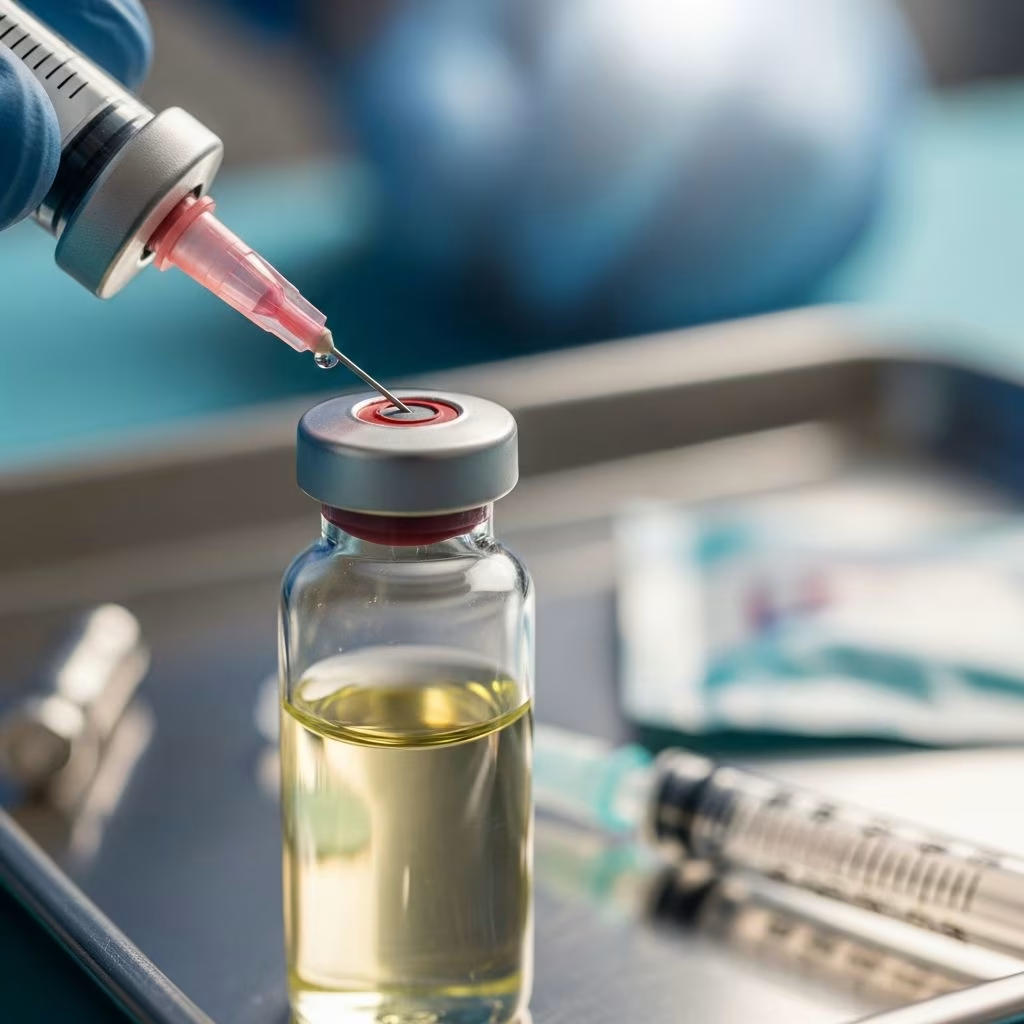
Understanding Cefovecin: Injectable Antibiotic for Pets
Cefovecin is an innovative injectable antibiotic that has revolutionized the treatment of bacterial infections in companion animals. As a third-generation cephalosporin, this long-acting antibiotic offers veterinarians and pet owners a convenient alternative to traditional oral medications that require daily administration over extended periods.
What Is Cefovecin?
Cefovecin sodium, marketed under the brand name Convenia, is a broad-spectrum, third-generation cephalosporin antibiotic administered via subcutaneous injection. The medication was specifically developed to address a common challenge in veterinary medicine: ensuring owner compliance with medication schedules. By requiring only a single injection that provides up to 14 days of therapeutic activity, cefovecin eliminates the need for pet owners to administer pills daily, thereby improving treatment success rates and reducing the burden of pet care.
The FDA approved the first generic cefovecin sodium injection in June 2025, expanding treatment options beyond the original brand-name Convenia, which received FDA approval on April 25, 2008. This pharmaceutical advancement demonstrates the enduring value of the medication in veterinary practice.
How Cefovecin Works
Mechanism of Action
Cefovecin functions as a bactericidal agent, meaning it actively kills bacteria rather than simply inhibiting their growth. The antibiotic works by binding to penicillin-binding proteins located in the bacterial cell wall. This binding blocks cell wall synthesis, compromising the structural integrity of the bacterial cell and ultimately leading to cell death. This mechanism makes cefovecin effective against both gram-positive and gram-negative pathogens commonly encountered in veterinary medicine.
Pharmacokinetics
Following subcutaneous injection, cefovecin is rapidly and completely absorbed into the bloodstream. Peak plasma concentrations are reached approximately 6 hours after administration in dogs and about 2 hours in cats. The medication has an exceptionally long half-life, with approximately 133 hours in dogs and 166 hours in cats. This extended half-life means the drug remains active in the pet’s body for an extended period, providing therapeutic benefits for up to 14 days.
Cefovecin is not metabolized hepatically, avoiding potential liver-related complications associated with drugs that undergo hepatic metabolism. Instead, the antibiotic is eliminated unchanged through the urine and bile. It takes approximately 65 days to eliminate 97 percent of the administered dose from the body, reflecting the medication’s prolonged presence in the system.
Approved Uses in Veterinary Medicine
Canine Applications
In dogs, cefovecin is approved for treating skin and soft tissue infections, including pyoderma, abscesses, and infected wounds caused by susceptible bacteria. The primary bacterial pathogens targeted include Staphylococcus pseudintermedius, beta-hemolytic Streptococci, Escherichia coli, and Pasteurella multocida. Cefovecin is also approved for treating canine urinary tract infections associated with E. coli and Proteus species.
In some regions, including the United Kingdom, European Union, and Australia, cefovecin has additional approved uses for treating urinary tract infections and as an adjunctive treatment for periodontal disease in dogs.
Feline Applications
Cats can receive cefovecin for treating skin and soft tissue abscesses and wounds associated with Pasteurella multocida. The medication’s long-acting nature makes it particularly valuable for feline patients, as many cats resist oral medication administration, making compliance with traditional antibiotic regimens challenging for owners.
Effectiveness and Clinical Studies
Efficacy in Dogs
Extensive clinical research has demonstrated cefovecin’s effectiveness in treating canine bacterial infections. In efficacy studies involving 320 dogs with superficial secondary pyoderma, abscesses, or infected wounds, cefovecin demonstrated noninferiority compared with oral active control antibiotics. Only 14 percent of dogs treated with cefovecin required a second dose administered 14 days after the first injection, indicating excellent initial treatment success.
A more comprehensive study of 354 dogs compared subcutaneous cefovecin administered at 14-day intervals with oral amoxicillin-clavulanic acid given twice daily for 14 days. Clinical efficacy was evaluated at 28 days after the final dose by scoring clinical signs typical of skin infections. Cefovecin demonstrated statistical noninferiority compared with amoxicillin-clavulanic acid across all clinical diagnoses, achieving efficacy rates up to 96.9 percent versus 92.5 percent for the oral antibiotic.
Efficacy in Cats
Cefovecin has proven effective in feline patients as well. For cats with urinary tract infections caused by E. coli, cefovecin demonstrated statistical noninferiority compared with cephalexin for bacterial elimination. The medication’s long-acting properties make it particularly valuable for treating feline patients who are difficult to medicate orally.
Dosing and Administration
Cefovecin is administered as a single subcutaneous injection by a licensed veterinarian. The injection can be repeated at 14-day intervals if necessary, with treatment typically not exceeding four total injections (one initial dose plus up to three additional doses at 14-day intervals). The specific dose depends on the individual animal’s weight and the condition being treated, and a veterinarian will determine the appropriate regimen based on the pet’s clinical presentation and response to treatment.
Potential Side Effects and Safety Considerations
Cefovecin is generally well tolerated in both dogs and cats, with adverse effects typically being mild. However, pet owners should be aware of several important safety considerations.
Hypersensitivity reactions may occur in animals with a history of sensitivity to cefovecin, other cephalosporins, penicillins, or other medications. Due to potential cross-reactivity among beta-lactam antibiotics, caution should be exercised when administering cefovecin to animals with known penicillin allergies.
The medication’s long-acting nature means that any adverse effects would persist for an extended period. Additionally, the long half-life and extended presence in the body mean that if an allergic reaction or other serious adverse effect occurs, the medication cannot be quickly eliminated.
Cefovecin should not be used in small mammals such as guinea pigs, rabbits, or hamsters, and it is only available through prescription from a licensed veterinarian.
Storage and Handling
Proper storage is essential for maintaining cefovecin’s efficacy. The medication must be stored in a refrigerator, and any unused liquid should be discarded after 56 days of opening. Pet owners should follow their veterinarian’s specific storage instructions to ensure the medication remains effective.
Advantages of Cefovecin Treatment
The primary advantage of cefovecin is the convenience of single-dose treatment that provides up to 14 days of therapeutic activity. This eliminates the burden of administering daily oral medications, which is particularly valuable for pet owners who struggle with medication compliance or have pets that are difficult to medicate.
The medication’s efficacy rivals that of traditional oral antibiotics, and clinical studies have demonstrated noninferiority or superior outcomes compared with conventional antibiotic regimens. For cats and other pets that resist oral medication, cefovecin offers an effective treatment alternative.
The reduced frequency of injections compared with daily oral dosing also means fewer opportunities for medication errors and missed doses, ultimately improving treatment outcomes.
Considerations Regarding Antimicrobial Resistance
While cefovecin offers significant benefits, veterinary professionals increasingly recognize the importance of antimicrobial stewardship. As a third-generation cephalosporin, cefovecin use may select for resistance to this class of antibiotics, potentially limiting treatment options for future bacterial infections.
Research indicates that first-generation cephalosporins, aminopenicillins, or other antimicrobial classes may be preferred for many common infections in certain species, particularly cats. Veterinarians should carefully consider whether cefovecin is the most appropriate choice or whether other antimicrobial options would be more suitable while still minimizing the development of resistance.
Frequently Asked Questions About Cefovecin
Q: How long does cefovecin remain active in my pet’s body?
A: Cefovecin provides therapeutic activity for up to 14 days following a single subcutaneous injection. However, the drug remains detectable in the body for approximately 65 days, as the half-life is approximately 133 hours in dogs and 166 hours in cats.
Q: Can cefovecin be used in all animals?
A: No. Cefovecin is approved only for dogs and cats. The medication should not be used in small mammals such as guinea pigs, rabbits, or hamsters. Always consult with a veterinarian before administering any medication to your pet.
Q: What should I do if my pet has an allergic reaction to cefovecin?
A: Contact your veterinarian immediately. Because cefovecin has a long half-life, any adverse effects will persist for an extended period. Your veterinarian can provide appropriate supportive care and determine the best course of action.
Q: Can cefovecin be used if my pet is allergic to penicillin?
A: Caution should be exercised. There is potential for cross-reactivity between cephalosporins and penicillins. Inform your veterinarian of any known antibiotic allergies before treatment with cefovecin is initiated.
Q: Will my pet need multiple injections of cefovecin?
A: Most pets respond well to a single injection. However, if infection persists, treatment may be repeated at 14-day intervals. Typically, treatment does not exceed four total injections.
Q: How is cefovecin administered?
A: Cefovecin is administered as a subcutaneous injection by a licensed veterinarian. The injection is given under the skin, and no hospitalization is typically required.
Conclusion
Cefovecin represents a significant advancement in veterinary medicine, offering pet owners and veterinarians a convenient, effective treatment option for bacterial skin infections and other susceptible conditions in dogs and cats. Its long-acting properties eliminate the need for daily oral medication administration, improving compliance and treatment success rates. While the medication is generally well tolerated with mild adverse effects, the long half-life necessitates careful consideration of risk versus benefit, particularly regarding potential development of antimicrobial resistance. Pet owners should consult with their veterinarian to determine whether cefovecin is the most appropriate treatment option for their animal’s specific condition and to ensure proper storage and handling of the medication.
References
- Cefovecin Sodium for Skin and Soft Tissue Infections — Today’s Veterinary Practice. 2024. https://todaysveterinarypractice.com/pharmacology/cefovecin-sodium-for-skin-and-soft-tissue-infections/
- Antimicrobial Activity and Spectrum of Cefovecin, a New Extended-Spectrum Cephalosporin — National Center for Biotechnology Information (NCBI). 2006. https://pubmed.ncbi.nlm.nih.gov/16801403/
- Convenia (INN-cefovecin) Product Information — European Medicines Agency (EMA). 2024. https://www.ema.europa.eu/en/documents/product-information/convenia-epar-product-information_en.pdf
- FDA Approves First Generic Cefovecin Sodium Injection for Treating Skin Infections in Dogs and Cats — U.S. Food and Drug Administration (FDA). 2025-06-24. https://www.fda.gov/animal-veterinary/cvm-updates/fda-approves-first-generic-cefovecin-sodium-injection-treating-skin-infections-dogs-and-cats
- Cefovecin: Uses, Interactions, Mechanism of Action — DrugBank Online. 2024. https://go.drugbank.com/drugs/DB11505
- Cefovecin Use in Cats as a Driver of Antimicrobial Resistance — Cornell University College of Veterinary Medicine. 2022. https://www.vet.cornell.edu/research/awards/202206/cefovecin-use-cats-driver-antimicrobial-resistance
- Cefovecin (Conventia) Product Information — Brilliant Veterinary Care. 2025-03-12. https://brilliantvets.com/wp-content/uploads/2025/03/Handout_2025-03-12_15-55-11.pdf



