

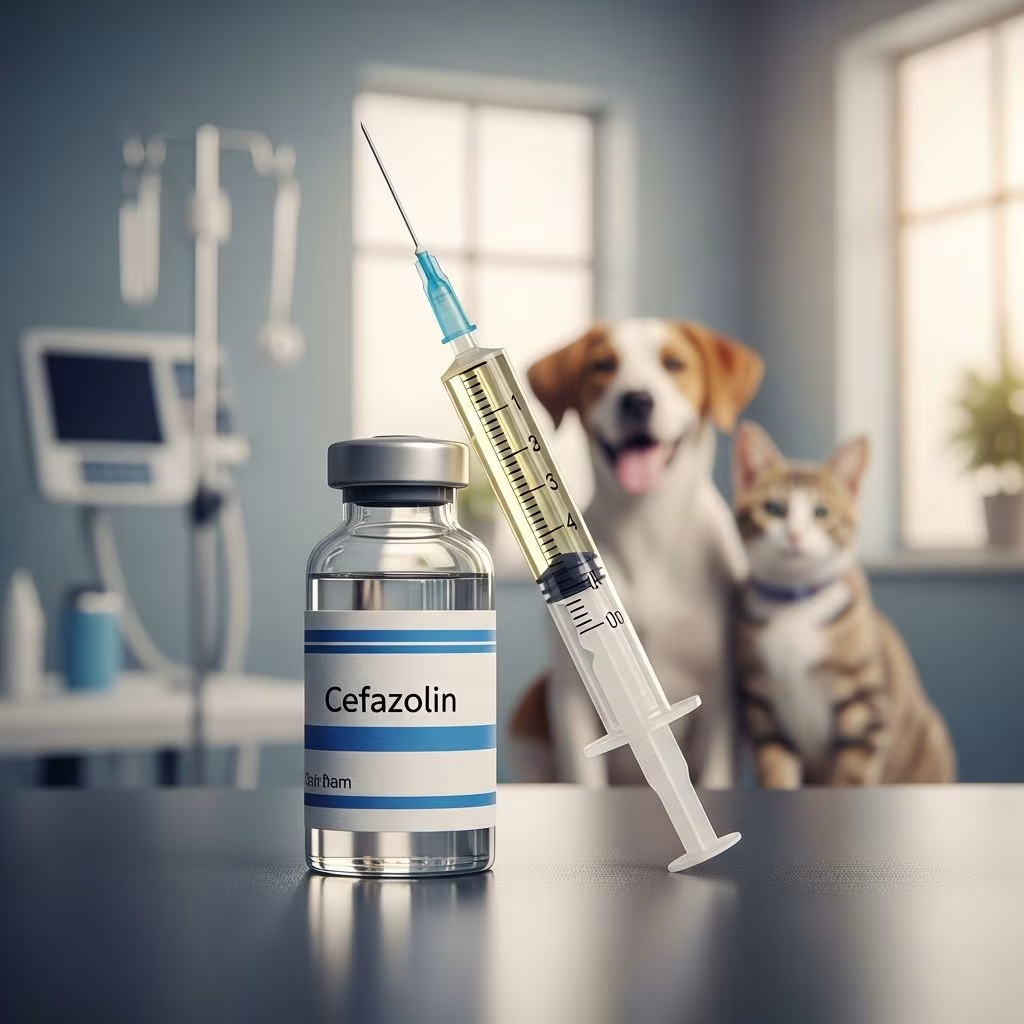
Cefazolin for Pets: A Complete Guide to This First-Generation Cephalosporin Antibiotic
Cefazolin is a first-generation cephalosporin antibiotic that plays an important role in veterinary medicine for treating bacterial infections in companion animals. Understanding how this medication works, when it should be used, and how to administer it properly is essential for pet owners whose veterinarians prescribe this antibiotic. This comprehensive guide covers everything you need to know about cefazolin for dogs and cats.
What Is Cefazolin?
Cefazolin is a first-generation cephalosporin antibiotic that belongs to a class of medications known for their effectiveness against a wide range of bacterial infections. The medication works by disrupting bacterial cell wall synthesis, ultimately leading to bacterial death. As an injectable antibiotic, cefazolin is particularly valuable in veterinary practice for treating serious infections and providing surgical prophylaxis.
The antibiotic is known by several brand names in veterinary medicine, including Ancef®, Kefzol®, and Zolicef®. These medications are the same active ingredient formulated for injection and are commonly used in veterinary clinics and emergency animal hospitals.
Uses of Cefazolin in Dogs and Cats
Cefazolin is prescribed for various therapeutic applications in both dogs and cats. The primary uses include:
Treating Bacterial Infections
Cefazolin is effective against many types of bacterial infections in pets. Common applications include treating skin infections resulting from wounds or surgical complications, bone infections (osteomyelitis), respiratory tract infections such as pneumonia, urinary tract infections and bladder infections, and wound infections from trauma or surgery. The antibiotic is particularly effective against gram-positive bacteria, including Staphylococcus and Streptococcus species, which are common causes of infection in companion animals.
Surgical Prophylaxis
One of the most important uses of cefazolin in veterinary medicine is as a prophylactic agent before surgical procedures. When administered prior to surgery, cefazolin helps prevent surgical site infections by maintaining therapeutic concentrations in the surgical field during the procedure. This prophylactic use significantly reduces the risk of post-operative complications and infections.
Important Limitations
It is crucial to understand that cefazolin is not effective against certain types of infections. The antibiotic cannot treat infections caused by parasites such as intestinal worms, mites, viruses, or fungi. If your pet has an infection caused by these organisms, your veterinarian will recommend alternative treatments.
Cefazolin Dosage Information for Dogs and Cats
Proper dosing is critical for the effective and safe use of cefazolin. Dosages vary depending on the indication, route of administration, and species being treated.
Standard Dosing for Infections
For dogs and cats being treated for susceptible bacterial infections, the typical dosage range is 15 to 35 mg/kg administered every 6 to 8 hours. In terms of pounds, this translates to approximately 5 to 15 mg per pound of body weight every 6 to 8 hours. The exact dose within this range will be determined by your veterinarian based on the severity of the infection, the pet’s kidney function, and other individual factors.
Surgical Prophylaxis Dosing
For surgical prophylaxis in both dogs and cats, the recommended dose is 20 to 22 mg/kg administered intravenously as a single injection approximately 60 minutes prior to surgical incision. The medication may be repeated every 90 to 120 minutes until wound closure to maintain therapeutic levels throughout the surgical procedure. Research has demonstrated that cefazolin concentrations in tissue fluid remain above 4 micrograms/mL for 4 hours after a single intravenous injection in dogs, providing adequate coverage for most surgical procedures lasting up to 4 hours.
Important Dosing Considerations
Never attempt to administer cefazolin or adjust the dose without consulting your veterinarian. The correct dosage depends on multiple factors including your pet’s weight, age, kidney function, liver function, and the specific infection being treated. Your veterinarian will calculate the precise dose needed for your individual pet’s situation.
How Is Cefazolin Administered?
Cefazolin is available only in injectable form, which means it must be administered by injection rather than orally as a tablet or liquid. Understanding the different routes of administration and proper injection techniques is important for pet owners whose pets require this medication.
Routes of Administration
Cefazolin can be administered through three different injection routes:
Intravenous (IV) Injection: The medication is injected directly into the vein, allowing for rapid absorption and immediate therapeutic effect. This route is commonly used in hospital settings and during surgical procedures.
Intramuscular (IM) Injection: The medication is injected directly into the muscle tissue. This route provides sustained absorption and is often used for outpatient treatment in veterinary clinics.
Subcutaneous (SC) Injection: The medication is injected under the skin into the subcutaneous tissue. This route is less commonly used for cefazolin but may be employed in certain situations.
Administration in Hospital Settings
Because cefazolin is only available in injectable form, it is typically administered in a veterinary hospital or clinic setting. Your veterinarian or veterinary technician will administer the injections according to the prescribed schedule. For surgical prophylaxis, the injection is given before surgery to ensure adequate drug levels during the procedure.
Post-Treatment Transition to Oral Antibiotics
After completing a course of injectable cefazolin, many pets are sent home with a prescription for an oral cephalosporin antibiotic such as cefadroxil or cephalexin. This transition allows for continued antibiotic therapy at home while providing the convenience of oral administration. Your veterinarian will determine if this transition is appropriate for your pet’s condition and provide specific instructions for the home medication regimen.
Timeline for Cefazolin Effectiveness
Pet owners often wonder how quickly cefazolin will work. The medication should begin taking effect within a few hours of administration; however, outward visible improvements may not be immediately noticeable. The actual onset of clinical improvement depends on several factors including the severity of the infection, the specific bacterial organism involved, the site of infection, and your pet’s overall health status. In some cases, visible improvement may take 24 to 48 hours or longer to become apparent.
Side Effects and Safety Considerations
While cefazolin is generally well-tolerated in dogs and cats, pet owners should be aware of potential side effects and safety considerations. Common side effects may include mild gastrointestinal upset, vomiting, diarrhea, or allergic reactions. More serious adverse effects are rare but can include severe allergic reactions in pets with cephalosporin hypersensitivity. Additionally, pets with a history of penicillin allergy may have cross-reactivity with cephalosporins, so inform your veterinarian of any known drug allergies.
Cefazolin should be used with caution in pets with significant kidney disease, as the drug is primarily eliminated through the kidneys. Your veterinarian may recommend dose adjustments or alternative antibiotics if your pet has renal impairment. Similarly, pets with liver disease may require special consideration before cefazolin administration.
Storage and Handling of Cefazolin
Proper storage and handling of cefazolin injections are important for maintaining medication effectiveness. Injectable cefazolin should be stored according to package directions, typically at room temperature away from light and moisture. Once reconstituted, cefazolin solutions should be used within the timeframe specified by the manufacturer.
After receiving cefazolin injections, used needles and syringes should be disposed of properly in a designated sharps container. Never dispose of needles in regular trash, and never reuse needles. Proper sharps disposal protects you, your family, and healthcare workers from needlestick injuries.
Medication Compliance and Instructions
To ensure the best possible outcome with cefazolin treatment, it is essential to give this medication exactly as prescribed and directed by your veterinarian. Do not skip doses or discontinue the antibiotic early, even if your pet appears to be improving. Inconsistent antibiotic therapy can lead to treatment failure and the development of antibiotic-resistant bacterial strains.
Follow your veterinarian’s instructions regarding the dosing schedule, duration of treatment, and any special precautions. If you have questions about your pet’s medication or notice any concerning symptoms, contact your veterinarian immediately rather than making adjustments on your own.
Frequently Asked Questions About Cefazolin
Q: Is cefazolin safe for all dogs and cats?
A: Cefazolin is generally safe for most dogs and cats; however, pets with a history of allergic reactions to cephalosporins or penicillins, those with severe kidney disease, or those taking certain other medications may not be suitable candidates. Always inform your veterinarian of your pet’s complete medical history.
Q: Can I give cefazolin at home?
A: Cefazolin is an injectable medication that must be administered in a veterinary setting by trained professionals. It cannot be given at home by pet owners. Your veterinarian will provide all injections, or your veterinarian may teach you proper injection technique if appropriate for your pet’s care plan.
Q: How long does cefazolin treatment typically last?
A: The duration of cefazolin treatment depends on the type and severity of the infection being treated. Some infections may require only a few days of treatment, while others may need longer courses. Surgical prophylaxis typically requires only a single preoperative dose or dosages during the surgical procedure. Follow your veterinarian’s recommended treatment duration.
Q: What should I do if I miss a scheduled cefazolin injection?
A: Contact your veterinarian immediately if a scheduled injection is missed. Do not double-dose to make up for a missed injection. Your veterinarian will advise you on how to proceed to maintain effective antibiotic therapy.
Q: Can cefazolin treat viral infections?
A: No, cefazolin is an antibiotic that only treats bacterial infections. It is not effective against viruses, fungi, or parasites. If your pet has a viral infection, your veterinarian will recommend appropriate antiviral therapy or supportive care.
Q: Are there any drug interactions I should be aware of?
A: Cefazolin may interact with certain medications. Always provide your veterinarian with a complete list of all supplements and medications your pet is currently taking before starting cefazolin therapy.
References
- Dosages of Cephalosporins — Merck Veterinary Manual. 2024. https://www.merckvetmanual.com/multimedia/table/dosages-of-cephalosporins
- Cefazolin [Companion] – OSU VMC Antimicrobial Use Guidelines — Ohio State University College of Veterinary Medicine. 2024. https://ohiostate.pressbooks.pub/osuvmcabxuse/chapter/abx_cefazolin-companion/
- Cefazolin (Kefzol®, Ancef®) for Dogs and Cats — PetPlace. 2024. https://www.petplace.com/article/drug-library/drug-library/library/cefazolin-kefzol-ancef-for-dogs-and-cats
- Pharmacokinetics of cefazolin for prophylactic administration to dogs — Journal of the American Veterinary Medical Association. 2017-06-15. https://pubmed.ncbi.nlm.nih.gov/28541147/
- Cefazolin — VCA Animal Hospitals. 2024. https://vcahospitals.com/know-your-pet/cefazolin



