

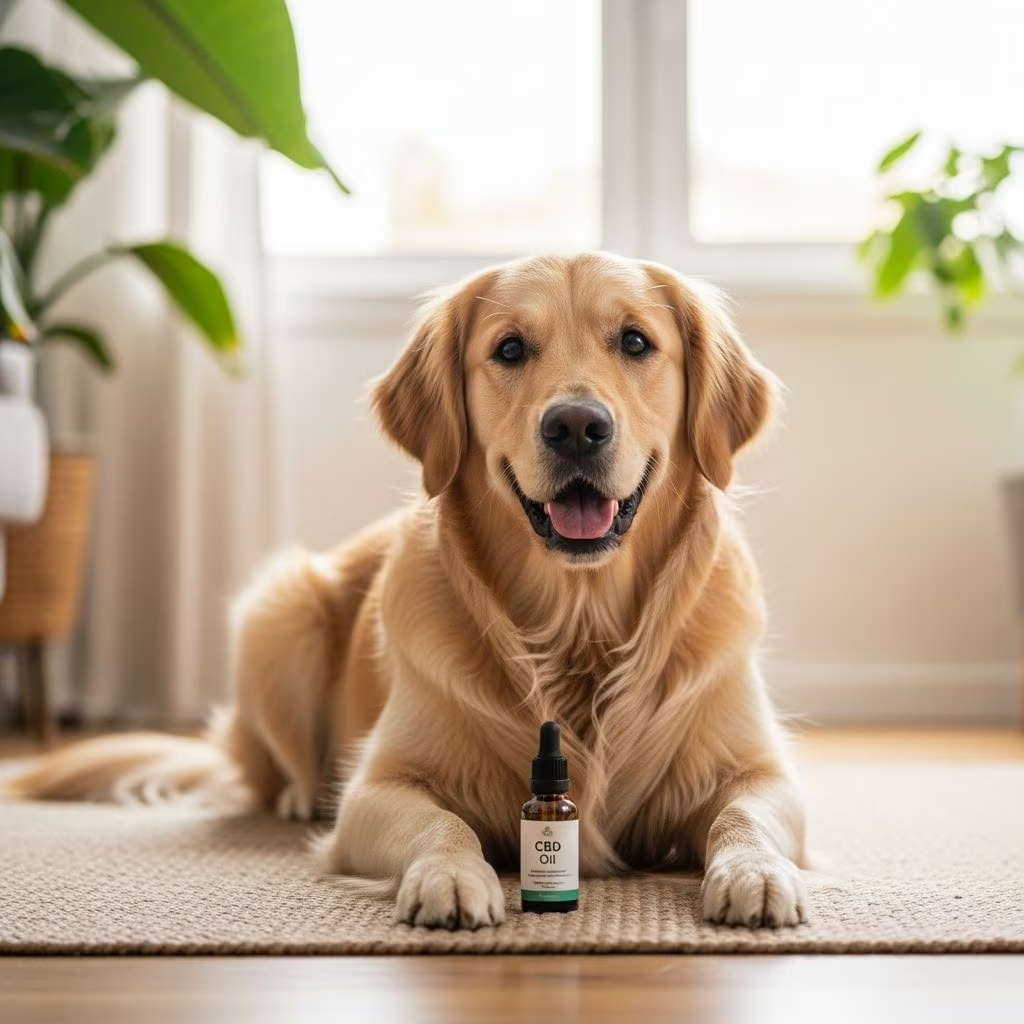
CBD Oil for Dogs: Is the Green Stuff Good For Your Pup?
Cannabidiol, commonly known as CBD, has rapidly expanded into the pet care market over recent years. Once a niche product, CBD is now found in dog treats, supplements, oils, and various other pet products available at retailers nationwide. As a dog owner, you may have noticed CBD products seemingly everywhere and wondered whether they could benefit your furry companion. Before incorporating CBD into your dog’s wellness routine, it’s important to understand what the current research reveals, how to use it safely, and whether it might be appropriate for your pet’s specific needs.
The surge in CBD popularity for dogs mirrors its adoption in human health and wellness markets. However, the scientific evidence supporting CBD’s effectiveness in dogs is still emerging, and many claims made about its benefits require further research. Understanding the distinction between anecdotal reports and scientifically validated uses is crucial for making informed decisions about your dog’s health.
Is CBD Good for Dogs?
The short answer is that CBD appears to be safe for dogs, but evidence for its effectiveness in treating specific conditions is still developing. Studies examining CBD in dogs are in their early stages, and researchers are actively working to determine the most effective dosages and optimal applications for canine health.
Many CBD manufacturers and wellness advocates claim the compound can treat anxiety, pain, nausea, and seizures in dogs. However, most of these claims are based on observations from human studies or research conducted on other animal species rather than rigorous clinical trials in dogs. This distinction is important: what works in humans may not work the same way in dogs, and vice versa.
The good news regarding safety is well-established: pure CBD is considered very safe for dogs, even at high doses. It would require an extremely large amount of CBD to cause toxicity in most dogs. While some side effects can occur, particularly at higher doses, these effects are generally mild and resolve once the product is discontinued. Common side effects include mild gastrointestinal upset and lethargy.
How Should I Administer CBD Oil to My Dog?
CBD oil can be administered to dogs through several convenient methods, allowing you to choose the approach that works best for your pet’s temperament and preferences.
Administration Methods
- Direct oral administration: Using a syringe or medicine dropper, CBD oil can be placed directly into your dog’s mouth for quick absorption.
- Mixed with food: Many dog owners find it easiest to mix CBD oil into their dog’s regular meals or treats.
- CBD-infused products: Capsules, treats, and chews specifically formulated for dogs provide a more palatable option that many dogs enjoy.
Research suggests that CBD may be best absorbed on a full stomach, so timing your administration right after a meal can enhance its effectiveness. This approach also reduces the likelihood of gastrointestinal upset that some dogs experience.
What Are the Benefits of CBD Oil for Dogs?
While much of the initial enthusiasm about CBD for dogs comes from human research and anecdotal reports, emerging studies are beginning to identify specific conditions where CBD shows promise for canine health. It’s important to note that CBD is typically most effective when used as a supplement alongside conventional treatments rather than as a standalone cure.
Pain and Osteoarthritis
One of the most promising applications of CBD in dogs is pain management, particularly for osteoarthritis. In a notable clinical study, dogs treated with CBD oil twice daily for four weeks showed increased activity levels and reduced discomfort compared to baseline measurements. Importantly, these dogs were also receiving non-steroidal anti-inflammatory drugs (NSAIDs), considered the gold standard for managing inflammation-related pain. Research from Cornell University’s Riney Canine Health Center found that more than 80% of dogs with osteoarthritis experienced decreased pain when given CBD, allowing them to be more comfortable and active. While it remains unclear how effective CBD would be as a standalone treatment, the evidence supports its use as a complementary therapy alongside conventional pain management strategies.
Behavioral Issues and Aggression
Recent large-scale research has uncovered intriguing findings about CBD’s effects on dog behavior. A comprehensive study examining nearly 47,000 dogs found that approximately 7.3% of companion dogs in the United States have been given CBD or hemp products, with 5.8% being frequent users. The research revealed a striking pattern: dogs receiving CBD for multiple years initially displayed higher aggression compared to dogs not receiving the product, but their aggression became less intense over time. Dogs that received CBD for extended periods ultimately showed below-average aggression levels compared to non-users, suggesting a gradual calming effect.
This finding is particularly significant because most canine aggression stems from underlying stress or anxiety—a fight-or-flight response triggered by environmental or internal factors. However, researchers noted an intriguing anomaly: while aggression improved with CBD treatment, other anxious or agitated behaviors did not show the same association, suggesting CBD’s mechanism may be more specific than initially thought.
Skin Allergies and Itchiness
CBD oil may reduce itchiness in dogs suffering from chronic allergic skin conditions and may also decrease the inflammation contributing to these conditions. Since allergic skin disease is a complex condition typically requiring multiple treatment approaches, having an additional tool to improve comfort is valuable. The anti-inflammatory properties of CBD make it a potential complement to conventional allergy management strategies.
Cancer Support
While CBD is not a cure for cancer, there is evidence from human and animal studies suggesting it may have tumor-shrinking properties against certain cancer types. Beyond potential anti-tumor effects, CBD can provide several supportive benefits for dogs undergoing cancer treatment: it can help control pain, reduce nausea, and promote restful sleep—all important factors in maintaining quality of life during treatment.
Additionally, CBD’s pain and inflammation-reducing properties may allow veterinarians to reduce dosages of conventional pain medications, which can have significant side effects in cancer patients, particularly older or immune-compromised dogs. When working with your veterinarian on a cancer treatment plan, CBD can be incorporated as a research-backed supplement to enhance overall treatment efficacy.
Seizure Management
CBD has been studied for its potential to reduce seizure frequency in dogs with epilepsy. Some dog studies have found CBD to improve clinical signs associated with epilepsy, though more research is needed to establish optimal dosing and effectiveness across different seizure types.
What Does CBD Do to Dogs?
Understanding how CBD works in the canine body helps explain both its potential benefits and its safety profile. CBD interacts with the endocannabinoid system present in all mammals, which plays a role in regulating pain, mood, immune function, and other physiological processes.
Unlike THC (the psychoactive component in cannabis), CBD does not make dogs “high” or impair their cognitive function. Research has confirmed that CBD doesn’t make dogs sleepy or decrease their activity levels, contrary to some misconceptions—it simply has a calming, balancing effect on the nervous system. This distinction is crucial because THC ingestion in dogs carries serious risks, including increased seizure likelihood and various toxic effects, making THC-containing products completely inappropriate for canine use.
Risks of CBD Oil for Dogs
While pure CBD is considered very safe for dogs, there are several important safety considerations pet owners should understand before starting supplementation.
Potential Side Effects
Although serious side effects are rare, some dogs may experience mild adverse effects, particularly at higher doses:
- Mild gastrointestinal upset or changes in digestion
- Lethargy or drowsiness
- Dry mouth
- Changes in appetite
These side effects typically resolve quickly once the product is discontinued or the dosage is reduced.
Quality Control and Product Concerns
One of the most significant challenges with CBD products is quality control and regulation. Since the CBD market for pets is not well-regulated, there can be substantial variation in product quality, purity, and actual CBD content. Some products may contain:
- Inconsistent or incorrect CBD concentrations
- Contaminants or impurities
- Unnecessary additives or ingredients
- Trace amounts of THC despite being labeled as THC-free
To mitigate these risks, choose high-quality CBD oils that are lab-tested and full-spectrum, and look for products from reputable manufacturers who provide third-party testing results. Reading reviews and researching the company’s quality assurance practices can help ensure you’re purchasing a safe, effective product.
Drug Interactions
CBD may interact with certain medications, particularly those metabolized by the liver. If your dog is taking any prescription medications, it’s essential to consult your veterinarian before adding CBD to their regimen.
Is CBD Oil a Good Choice for Your Dog?
Whether CBD oil is appropriate for your dog depends on several factors, including the specific health conditions you’re hoping to address, your dog’s individual health status, and your veterinarian’s recommendations.
CBD shows the most promise as a supplement for managing:
- Chronic pain associated with arthritis or injury
- Anxiety and stress-related behaviors (though long-term use may be needed)
- Skin itchiness from allergic conditions
- Discomfort and side effects from cancer treatment
Conditions with less conclusive evidence include separation anxiety specifically, where there is currently no good evidence that CBD will treat or reduce this condition, and general anxiety or agitation, which showed less association with CBD treatment in large-scale studies.
The exciting aspect of CBD research is that additional studies are ongoing, and our understanding of its applications in canine health continues to evolve. As more rigorous clinical trials are completed, the evidence base will expand, potentially revealing new uses and optimal dosing strategies.
Always consult with your veterinarian before starting CBD or any new supplement for your dog. Your vet can assess whether CBD is appropriate for your dog’s specific situation, help you select a quality product, and monitor your dog’s response to treatment. If your regular veterinarian is not receptive to CBD research, consider consulting with a holistic or integrative veterinarian who specializes in evidence-based natural medicine.
Frequently Asked Questions About CBD Oil for Dogs
Q: Is CBD oil safe for all dogs?
A: Pure CBD is considered safe for most dogs, even at high doses. However, certain dogs may experience mild side effects like gastrointestinal upset or lethargy. Dogs with specific health conditions or those taking medications should be evaluated by a veterinarian before starting CBD. Always choose lab-tested, high-quality products to minimize contamination risks.
Q: Will CBD oil make my dog high or impair their behavior?
A: No. CBD does not contain THC, the psychoactive compound that causes a “high.” Research confirms that CBD doesn’t make dogs sleepy, decrease their activity levels, or impair cognitive function—it simply has a calming, balancing effect on the nervous system.
Q: How long does it take for CBD to work in dogs?
A: The timeline varies depending on the condition being treated and individual dog factors. Some dogs may show improvement within days to weeks, while others may require several weeks of consistent use. For behavioral changes like reduced aggression, research suggests that long-term use (multiple years) produces the most significant effects.
Q: Can CBD replace my dog’s regular medications?
A: No. CBD is most effective as a supplement used alongside conventional treatments rather than as a replacement. For example, dogs with arthritis show best results when CBD is combined with NSAIDs or other pain management strategies. Never discontinue prescribed medications without consulting your veterinarian.
Q: What should I look for when choosing a CBD product for my dog?
A: Look for products that are lab-tested, full-spectrum, and from reputable manufacturers. Verify that third-party testing results are available, check for THC content (should be minimal or absent), and avoid products with unnecessary additives. Reading reviews and researching the company’s quality assurance practices is also helpful.
Q: How is CBD dosage determined for dogs?
A: There is currently no universally established dosing standard for CBD in dogs, as research on optimal dosages for different conditions is still ongoing. Your veterinarian can help determine appropriate dosing based on your dog’s weight, age, and specific health condition. Many manufacturers provide dosing guidelines, but professional guidance is recommended.
Q: Is CBD effective for dog separation anxiety?
A: Currently, there is no good evidence that CBD oil will treat or reduce separation anxiety in dogs specifically. While CBD may help with anxiety-related aggression and stress, separation anxiety appears to require different treatment approaches. Discuss other evidence-based options with your veterinarian.
Q: Can I use human CBD products for my dog?
A: It’s not recommended. Human CBD products may contain ingredients, dosages, or additives that are not appropriate for dogs. Always use CBD products specifically formulated for pets to ensure safety and proper dosing for your dog’s size and needs.
References
- CBD Oil for Dogs: Is the Green Stuff Good For Your Pup? — Kinship. Accessed January 2026. https://www.kinship.com/dog-health/cbd-oil-for-dogs
- Scientists studied 47,000 dogs on CBD and found a surprising impact on aging, ailing pets — Science Daily. November 28, 2025. https://www.sciencedaily.com/releases/2025/11/251128050506.htm
- How CBD Oil May Help Dogs With Cancer – Kinship — Kinship. Accessed January 2026. https://www.kinship.com/dog-health/cbd-oil-dogs-cancer-possible-benefits-and-more
- Are CBD Products Safe for Your Dog? — Kinship. Accessed January 2026. https://www.kinship.com/dog-health/cbd-product-safety-risks
- Does Your Pet Want in On Your CBD? — Kinship. Accessed January 2026. https://www.kinship.com/pet-health/cbd-for-pets
- Scientific Validation of Cannabidiol for Management of Dog and Cat Diseases — PubMed Central/National Center for Biotechnology Information. 2023. https://pubmed.ncbi.nlm.nih.gov/36790884/
- CBD: What you need to know about its uses and efficacy — Cornell University College of Veterinary Medicine, Riney Canine Health Center. Accessed January 2026. https://www.vet.cornell.edu/departments-centers-and-institutes/riney-canine-health-center/canine-health-topics/cbd-what-you-need-know-about-its-uses-and-efficacy



