
CBD for Dogs: Safety, Dosing & Health Considerations
Complete guide to understanding CBD use in canines with evidence-based dosing protocols
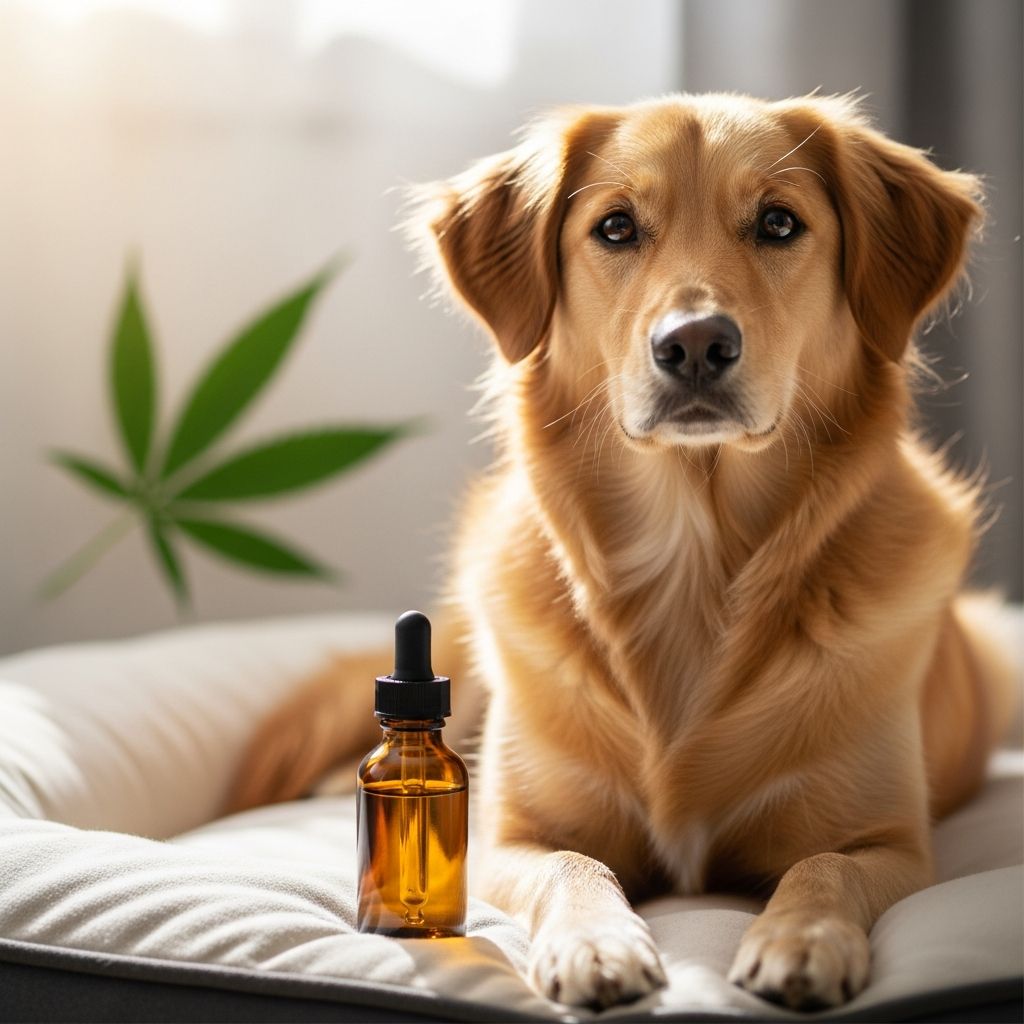
Pet owners increasingly explore alternative wellness options for their dogs, and cannabidiol, commonly known as CBD, has emerged as a topic of substantial interest. While CBD products designed for pets have grown more accessible, understanding how to properly and safely incorporate CBD into your dog’s routine requires careful consideration of multiple factors. This comprehensive guide will equip you with the knowledge necessary to make informed decisions about CBD use for your canine companion.
What You Should Understand About Canine CBD Products
CBD represents one of many cannabinoids found in hemp plants. Unlike its counterpart THC, CBD does not produce psychoactive effects that would make your dog feel intoxicated. Pet-specific CBD products are formulated differently from human supplements, with concentrations and ingredient selections tailored to canine physiology and metabolism. Understanding this distinction is crucial, as giving your dog human-formulated CBD products can expose them to potentially harmful ingredients or inappropriate dosing levels.
The CBD market for pets includes various delivery formats, each with distinct advantages. The formulation you select should align with your dog’s preferences, your dosing precision requirements, and your ability to monitor administration consistency.
Essential Calculations: Determining Your Dog’s Appropriate Dosage
Body weight serves as the primary foundation for calculating CBD dosage for dogs. The most commonly recommended starting point across veterinary and pet wellness resources falls between 1-2 mg of CBD per 10 pounds of body weight. This conservative approach allows pet owners to assess their individual dog’s response while minimizing the risk of adverse effects.
To calculate your dog’s starting dose, divide their weight by 10, then multiply by the lower range factor. For example, a 50-pound dog would begin at approximately 5 mg of CBD daily. Once you’ve established this baseline, you can increase the dose by roughly 50% if your dog doesn’t demonstrate the desired response after consistent administration over several days.
Size-Based Dosing Framework
Different dog sizes present varying metabolic considerations and baseline requirements:
- Toy and Small Breeds (up to 20 pounds): Beginning doses typically range from 1-5 mg daily. Small dogs often metabolize supplements more rapidly, potentially requiring more frequent dosing intervals.
- Medium-Sized Dogs (20-60 pounds): Starting doses generally fall between 5-15 mg daily. This category represents the most common pet size and provides moderate flexibility for dose adjustment.
- Large Dogs (60-100 pounds): Initial doses typically begin at 15-30 mg per day. Larger dogs may require extended observation periods to determine optimal responsiveness.
- Giant Breed Dogs (over 100 pounds): Baseline doses often start at 30-45 mg daily, though individual variation remains substantial.
Progressive Administration: The Gradual Approach to CBD Introduction
Beginning with the lowest recommended dose and gradually increasing as needed represents the most evidence-supported methodology for introducing CBD to your dog’s wellness routine. This conservative progression serves multiple purposes: it allows you to identify your specific dog’s response pattern, minimizes the likelihood of adverse reactions, and helps establish the minimum effective dose for your individual pet.
Maintain consistency with your chosen dose for at least three to five days before making any adjustments. This observation window provides adequate time to assess whether your dog is experiencing the desired benefits without experiencing unwanted effects. Dogs are individuals, and two dogs of identical weight may respond quite differently to the same CBD dose based on their unique physiology, metabolism, age, and overall health status.
Selecting Appropriate Administration Methods
The delivery method you select for your dog’s CBD significantly impacts dosing precision, absorption rates, and administration consistency. Each option presents distinct advantages and limitations.
Oil Tinctures and Direct Administration
CBD oil tinctures with graduated droppers offer the most precise dosing control available to pet owners. When administered directly into your dog’s mouth, the CBD absorbs through the oral mucous membranes, resulting in faster onset compared to other delivery methods. Many tinctures can also be mixed directly with food, though this may slightly slow absorption. The flexibility of tincture administration makes this option particularly valuable for dogs requiring specific dose adjustments or those with sensitive digestive systems.
CBD-Infused Treats and Chews
Treats and chews provide convenient administration, particularly for dogs who resist direct oral dosing. However, precision becomes more challenging, as you must adjust serving sizes based on the product’s concentration. Ensure you thoroughly understand the CBD content per treat to maintain accurate dosing calculations.
Capsules and Standardized Formats
Pre-measured capsules eliminate calculation requirements and ensure consistent dosing from administration to administration. This format works well for dogs that readily consume capsules, though some pets may resist this delivery method.
Frequency and Timing Considerations
Most dog owners administer CBD once or twice daily, with frequency often depending on the intended purpose. For dogs experiencing separation anxiety or situational stress, timing administration approximately 45 minutes before an anticipated stressful event can optimize effects. Dogs with chronic pain conditions often benefit from consistent twice-daily dosing to maintain stable CBD levels throughout the day.
Health Conditions and Specialized Dosing Approaches
Different health conditions may warrant distinct dosing protocols and observation strategies. Understanding condition-specific considerations helps ensure your dog receives appropriate support.
Arthritis and Mobility Support
Research examining CBD’s effects on arthritic dogs found that doses of approximately 2 mg per kilogram of body weight administered every twelve hours for four weeks demonstrated significant pain reduction and improved physical mobility. Consult your veterinarian before beginning CBD therapy for arthritis, as your dog’s specific condition, age, concurrent medications, and overall health status may influence the optimal dosing strategy.
Anxiety and Stress Management
For dogs experiencing situational anxiety or stress-related behaviors, consistent daily administration combined with strategic timing around known stressors can prove effective. The same general dosing calculations apply, though your observation of behavioral changes becomes particularly important for assessing responsiveness.
Critical Safety Considerations Before Starting CBD
Several essential safety considerations warrant careful attention before introducing CBD into your dog’s wellness routine.
Avoiding Human-Formulated Products
Never administer CBD products formulated for human consumption to your dog. These products frequently contain xylitol, a sugar alcohol toxic to canines even in small quantities. Human products may also contain dosing concentrations inappropriate for canine physiology or additional ingredients potentially harmful to dogs.
Product Quality and Transparency
Seek products from manufacturers providing third-party testing documentation, clear ingredient labeling, and transparent concentration information. Legitimate pet CBD companies willingly share lab reports confirming CBD content and screening for contaminants. Avoid products with vague labeling or unsubstantiated health claims.
Age-Related Factors
Age influences how dogs process and respond to CBD. Younger dogs often demonstrate greater sensitivity and may exhibit increased energy or restlessness following administration. Senior dogs generally tolerate CBD well and may experience improved comfort and mobility. Adjust expectations and observation parameters based on your dog’s age.
Potential Side Effects and Monitoring
While CBD is generally well-tolerated by dogs, some pets may experience mild gastrointestinal upset, particularly when introduced too rapidly or at excessive doses. Overdose is extremely unlikely and would require consuming substantially more CBD than typical therapeutic amounts. Monitor your dog for any behavioral changes, appetite variations, or digestive irregularities during the initial adjustment period.
When to Consult Your Veterinarian
Veterinary guidance becomes particularly important under specific circumstances. If your dog has a diagnosed illness, your veterinarian can provide personalized dosing recommendations based on your dog’s particular condition, age, weight, and any concurrent medications. Dogs taking other medications require veterinary oversight to assess potential interactions. Senior dogs or those with pre-existing health conditions benefit from professional guidance before starting any new supplement regimen.
Frequently Asked Questions About Canine CBD
Can my dog overdose on CBD?
Overdose is extremely unlikely with CBD. In rare cases of excessive consumption, dogs might experience mild gastrointestinal upset. CBD is non-psychoactive and does not produce the intoxicating effects associated with THC.
How quickly will I see results from CBD?
Expected results typically appear within 30-60 minutes of administration. However, some benefits, particularly those related to chronic conditions like arthritis, may require consistent daily administration for several weeks to become apparent.
Can I adjust my dog’s dose if I’m not seeing results?
Yes, if you observe no change after an hour of administration, you can increase the dosage. Increase gradually, following the 50% increment guideline, and maintain each new dose for several days before making further adjustments.
Is CBD safe for puppies?
Younger dogs demonstrate greater sensitivity to CBD and may become more energetic or excitable after administration. While not necessarily harmful, starting very young dogs on CBD typically isn’t recommended without veterinary guidance.
How does body weight affect CBD effectiveness?
Body weight directly correlates with appropriate CBD dosing, as it influences how quickly your dog’s body processes and metabolizes the compound. Dogs of similar weight can still respond differently based on individual metabolism, age, diet, and overall health status.
Creating Your Dog’s CBD Administration Plan
Successful CBD administration begins with clear planning. Document your dog’s weight and calculate the appropriate starting dose using the 1-2 mg per 10 pounds baseline. Select your preferred administration method, establish a consistent daily schedule, and plan to observe your dog’s response over the initial adjustment period. Maintain notes on your dog’s behavior, energy levels, appetite, and any other relevant changes to help identify patterns and determine whether dose adjustments are warranted.
Remember that finding the optimal CBD dose for your individual dog may require patience and careful observation. The investment in properly introducing CBD can result in meaningful support for your dog’s comfort, mobility, and overall quality of life. By following evidence-based dosing guidelines, selecting high-quality products, and remaining alert to your dog’s individual response, you can safely explore whether CBD represents an appropriate addition to your dog’s wellness routine.
References
- What You Should Know Before Giving Your Dog CBD — Montclair Veterinary. Accessed April 2026. https://montclairvets.com/dog-cbd-safety-guide/
- CBD Dosage for Dogs: A Complete Guide with Chart, Safety & Tips — Kradle My Pet. Accessed April 2026. https://kradlemypet.com/blogs/cbd/cbd-dosage-for-dogs
- How Much CBD for Dogs: A Comprehensive Guide to Dosage — Sunset Lake CBD. Accessed April 2026. https://sunsetlakecbd.com/how-much-cbd-for-dogs-a-comprehensive-guide-to-dosage/
- The ABC’s of Cannabidiol (CBD) from Hemp — Cornell University College of Veterinary Medicine, Riney Canine Health Center. Accessed April 2026. https://www.vet.cornell.edu/departments-centers-and-institutes/riney-canine-health-center/canine-health-topics/abcs-cannabidiol-cbd-hemp
- Understanding the Recommended Use of CBD for Different Dog Breeds — Honest Paws. Accessed April 2026. https://www.honestpaws.com/blogs/cbd/understanding-the-recommended-use-of-cbd-for-different-dog-breeds
- CBD Dosing Guide For Dogs 2025 — Austin and Kat. Accessed April 2026. https://www.austinandkat.com/blogs/blog/how-much-cbd-should-i-give-my-dog
- CBD Doses for Dogs or Cats — All The Best Pet Care. Accessed April 2026. https://www.allthebestpetcare.com/pet-nutrition/cbd-dose-dog-cat/
Similar Articles








Read full bio of Sneha Tete




