

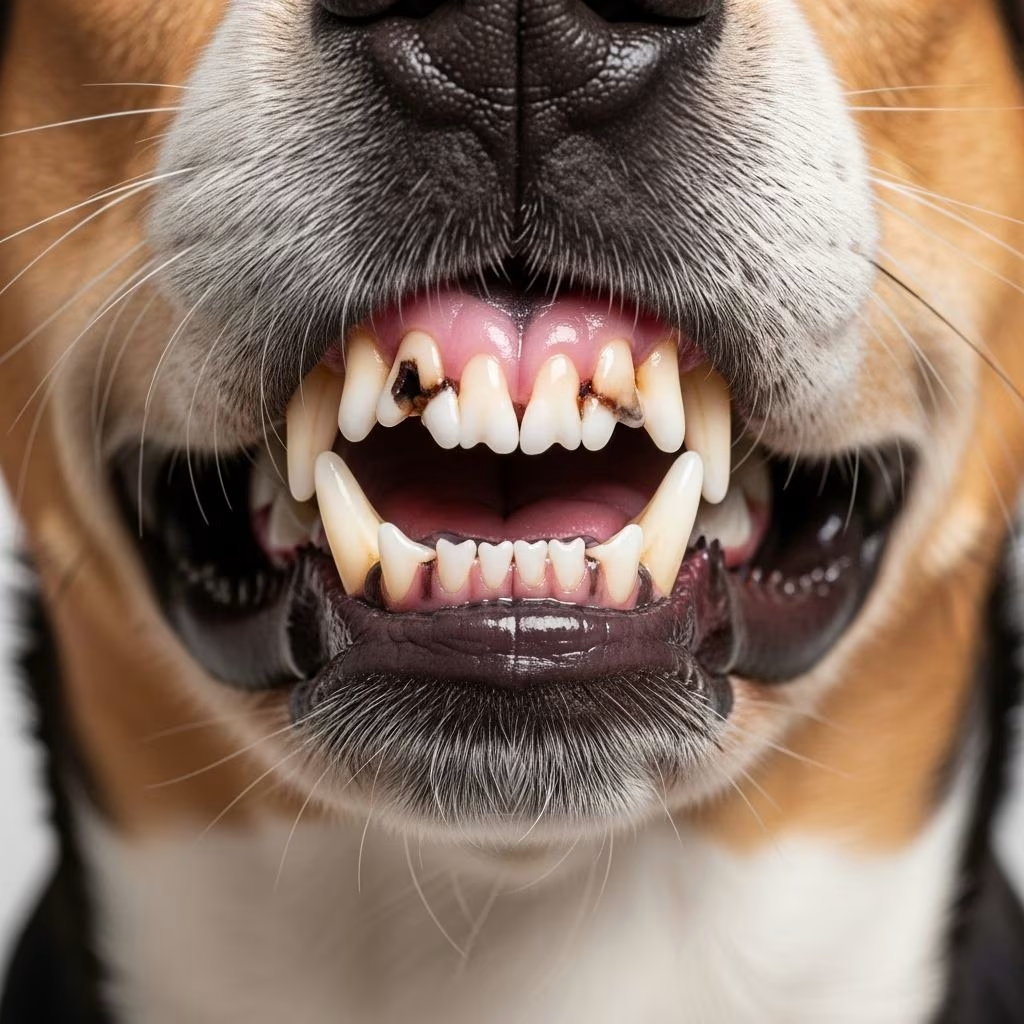
Dogs, like humans, can suffer from cavities, which are areas of tooth decay caused by bacterial activity and plaque accumulation. These dental issues, though less common in canines than in people due to differences in tooth structure and diet, can lead to significant pain, infection, and tooth loss if ignored. Understanding the mechanisms behind cavity formation empowers pet owners to intervene early and maintain their dog’s oral health effectively.
Understanding Tooth Decay in Canines
Canine cavities, also known as dental caries, occur when acids produced by bacteria in plaque erode the enamel, the hard outer layer of teeth. Unlike humans, dogs have stronger enamel and shorter lifespans, reducing cavity prevalence, but factors like diet and genetics play key roles. Plaque, a sticky film of food particles and bacteria, hardens into tartar if not removed, creating an acidic environment that demineralizes teeth.
The process typically begins on the enamel surface. If unchecked, it penetrates deeper into dentin—the sensitive layer beneath enamel—and eventually reaches the pulp, where nerves and blood vessels reside, causing severe pain and potential abscesses. Small breeds with crowded teeth are particularly susceptible due to trapped food particles.
Risk Factors Contributing to Cavities
Several elements increase a dog’s vulnerability to cavities. A primary culprit is diet rich in fermentable carbohydrates from low-quality kibble or human snacks, which feed cavity-causing bacteria. Other contributors include:
- Poor overall health weakening immune responses to oral bacteria.
- Malocclusion or crowded teeth trapping debris.
- Gum recession exposing tooth roots.
- Low salivary pH, reducing natural buffering against acids.
- Inadequate enamel mineralization from nutritional deficiencies.
Breeds like Chihuahuas, Dachshunds, and Pugs face higher risks due to dental crowding, while senior dogs experience enamel wear over time.
Recognizing the Signs of Dental Cavities
Dogs often hide pain, making early detection challenging. Watch for behavioral changes indicating oral discomfort:
- Excessive drooling or pawing at the mouth.
- Difficulty chewing, dropping food, or selective eating.
- Visible dark spots, brown/yellow discoloration, or tartar buildup on teeth.
- Persistent bad breath (halitosis) unresponsive to brushing.
- Bleeding gums or blood on chew toys.
- Swollen face/jaw, reduced appetite, or whining during meals.
These symptoms may overlap with periodontal disease, so professional exams are crucial for accurate diagnosis, often involving dental X-rays.
Stages of Cavity Progression
Veterinarians classify cavities into five stages based on damage extent, guiding treatment:
| Stage | Description | Common Effects |
|---|---|---|
| 1 | Enamel only | Surface erosion, no pain |
| 2 | Enamel + dentin | Sensitivity begins |
| 3 | Enamel, dentin + pulp | Pain, infection risk |
| 4 | Crown structural damage | Severe pain, abscess possible |
| 5 | Crown loss, root exposure | Tooth instability, bone loss. |
Early stages (1-2) are often asymptomatic, emphasizing routine checkups.
Veterinary Diagnosis Methods
Diagnosis starts with a physical exam under anesthesia for thorough inspection and probing. X-rays reveal hidden decay, root involvement, or bone loss. Advanced tools like dental probes measure pocket depths, while charting documents damage. Bloodwork may assess systemic health impacts.
Early detection via annual cleanings prevents progression, as home checks miss subsurface issues.
Treatment Options by Severity
Treatment varies by stage, always under general anesthesia for safety.
Early Stages (1-2): Fluoride treatments or sealants remineralize enamel; minor drilling followed by composite fillings restores structure.
Moderate (Stage 3): Root canal therapy removes infected pulp, disinfects canals, fills with resin, and crowns the tooth to preserve function.
Advanced (Stages 4-5): Extraction is common, followed by pain management and antibiotics. Neighboring teeth receive sealants.
Post-treatment care includes soft food, antibiotics, and pain relief. Full recovery takes 1-2 weeks.
Preventive Strategies for Lifelong Dental Health
Prevention outperforms treatment. Key practices include:
- Daily brushing with enzymatic toothpaste (poultry or beef flavor).
- VOHC-approved dental chews reducing plaque by 20-30%.
- Prescription diets with tartar-control kibble.
- Water additives neutralizing bacteria.
- Professional cleanings every 6-12 months.
Avoid sugary treats; opt for raw bones or carrots sparingly under vet guidance.
Long-Term Management After Treatment
Post-cavity dogs need vigilant home care to prevent recurrence. Schedule bi-annual vet dental exams, maintain brushing routines, and monitor for symptom return. Senior dogs may require more frequent interventions due to age-related wear. Nutritional supplements like omega-3s support gum health.
The Role of Breed and Age in Dental Risks
Brachycephalic breeds (e.g., Bulldogs) suffer crowding, while toys like Yorkies have frail teeth. Puppies rarely get cavities, but adults over 3 years see rising incidence. Lifespan extension via better care heightens cumulative risks.
FAQs on Dog Cavities
Can all dogs get cavities?
Yes, though rarer than in humans; small breeds and those on carb-heavy diets are most prone.
How much does cavity treatment cost?
Varies: $200-500 for fillings, $800-1500 for root canals, $300-600 for extractions, plus anesthesia.
Is tooth extraction safe for dogs?
Yes, under anesthesia; dogs adapt well, eating normally post-recovery.
Can home remedies fix cavities?
No; professional intervention required to avoid worsening.
How often should I check my dog’s teeth?
Weekly at home, professional annually or as advised.
Proactive dental care enhances quality of life, preventing pain and costly issues. Consult your vet promptly for tailored advice.
References
- Cavities in Dogs: Causes, Symptoms & Treatment — Ketchum Vets. 2024-04-15. https://www.svanimal.com/site/blog/2024/04/15/cavities-in-dogs-causes-symptoms-treatment
- Cavities in Dogs: Causes, Symptoms & Treatment — Poway Vets. 2023-06-15. https://www.advancedcarevet.com/site/blog/2023/06/15/cavities-in-dogs-causes-symptoms-treatment
- Cavities In Dogs: Causes, Symptoms And Treatment — Natick Vets. 2023-11-15. https://www.wellesleynatickveterinaryhospital.com/site/blog/2023/11/15/cavities-dogs-causes-symptoms-treatment
- Cavities in Dogs: Causes, Symptoms & Treatment — Pittsboro Vets. 2024-05-15. https://www.hopecrossing.com/site/blog/2024/05/15/cavities-in-dogs-causes-symptoms-treatment
- Cavities in Dogs – PetMD — PetMD. n.d. https://www.petmd.com/dog/conditions/mouth/cavities-dogs



