

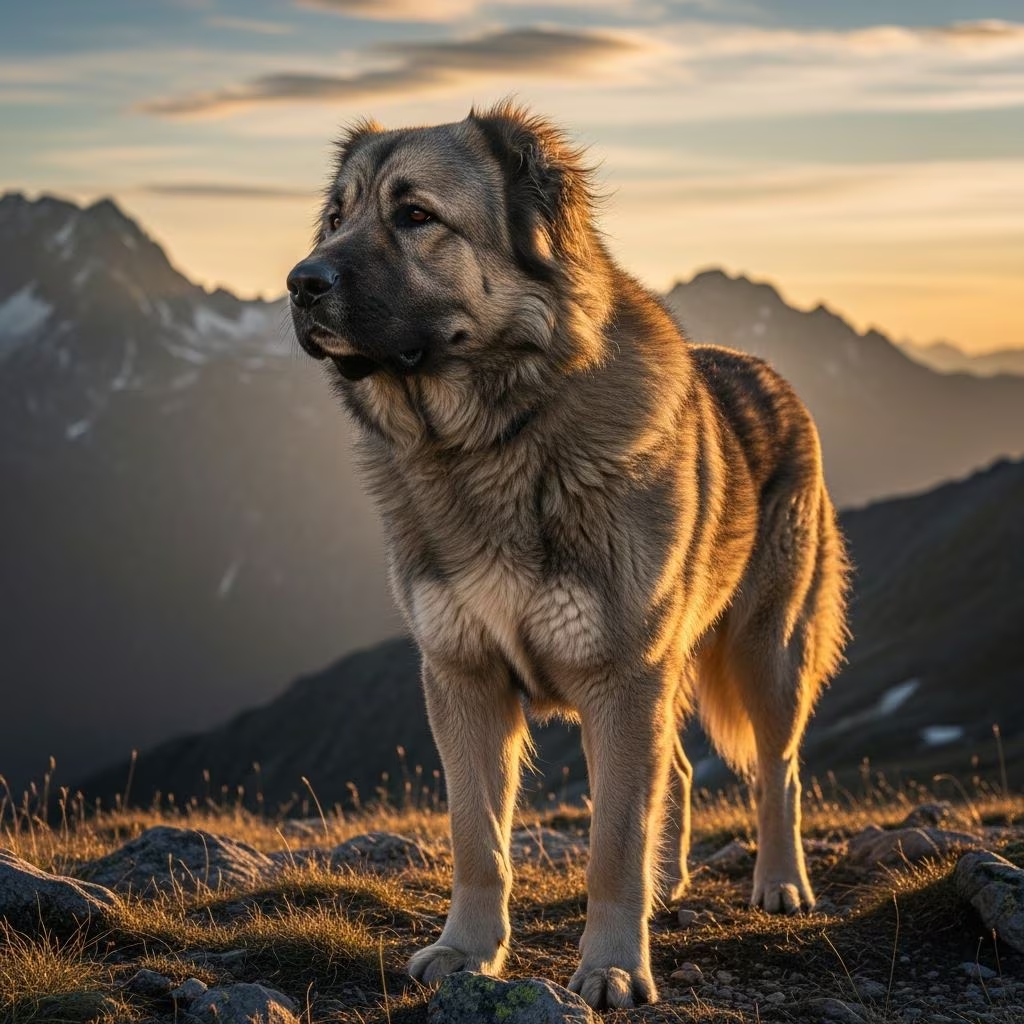
Caucasian Ovcharka Dog Breed: The Ultimate Guardian
The Caucasian Ovcharka, also known as the Caucasian Shepherd Dog, stands as one of the most impressive and powerful dog breeds in the world. Originating from the Caucasus region, including Georgia, Armenia, and Azerbaijan, this ancient breed has been protecting livestock and property for centuries. The Caucasian Ovcharka is a massive, heavily muscled dog that commands respect and demands experienced ownership. With their independent nature, strong protective instincts, and formidable physical presence, these dogs are not suited for novice owners or families unprepared for their unique needs.
Physical Characteristics and Appearance
The Caucasian Ovcharka is an exceptionally large and powerful dog breed. Males typically stand 72 to 75 centimeters (28 to 30 inches) at the withers and weigh 50 kilograms (110 pounds) or more, while females are slightly smaller but equally impressive. The breed’s overall body proportions show a length-to-height ratio of approximately 100:108, creating a sturdy, well-balanced frame.
Head and Facial Features
The head of a Caucasian Ovcharka is large, broad, and wedge-shaped, tapering slightly to a blunt muzzle. The skull is prominent with strongly developed cheekbones, and when viewed from above, the head forms a distinctive one-piece wedge shape. The muzzle is powerful and well-filled, measuring shorter than half the length of the head. Deep-set, oval-shaped eyes convey alertness and intelligence, while high-set, hanging ears (which may be cropped) contribute to the breed’s imposing appearance. The nose is always black and prominent with well-opened, large nostrils.
Body Structure
The Caucasian Ovcharka possesses a robust body with a broad, deep chest and well-sprung ribs that extend to or slightly below the elbows. The back is strong and straight, with prominent, muscular withers. The loin is short, broad, and slightly arched, while the croup is broad, long, and muscular. The thick, elastic skin contributes to the breed’s ability to withstand harsh climates and physical demands. The legs are long, straight, and densely boned, providing the strength and stability necessary for their guardian duties.
Coat and Color
One of the most distinctive features of the Caucasian Ovcharka is its thick, double coat. The coat is weather-resistant, profusely feathered, and exceptionally effective at providing insulation. Puppy coats are typically finer than adult coats, which become increasingly dense and protective with age. The breed can display various colors including gray, fawn, tan, pied, brindle, and white. However, solid black coats are not permitted, and the FCI prohibits brown dogs. The heavy feathering, particularly around the tail, legs, and ears, is densely covered with hair that provides excellent insulation and protection.
Temperament and Behavioral Traits
Understanding the temperament of a Caucasian Ovcharka is crucial for potential owners. This breed possesses a complex personality that combines loyalty and devotion with fierce protectiveness and territorial aggression.
Guardian Instincts
The Caucasian Ovcharka is fundamentally a guardian dog bred to protect livestock from predators, including bears and wolves. This heritage means the breed has an innate, powerful urge to defend. The dog is naturally suspicious of strangers and unfamiliar animals, viewing them as potential threats to their family and territory. They are not quick to accept people they do not know and will react defensively if they perceive a threat—real or imagined. This protective nature is not something that can be trained away; it is deeply embedded in the breed’s genetics and cannot be eliminated through socialization alone.
Family Loyalty and Affection
Despite their fierce exterior and protective tendencies, Caucasian Ovcharkas are remarkably soft, devoted, kind, and endearing to their family members. They form deep bonds with their pack and are capable of genuine affection and loyalty. Within their family unit, they are demonstrative and loving, often forming strong attachments to their owners and other family members. However, this loyalty is reserved exclusively for those they consider part of their pack.
Independent Nature
The breed is known for its independent, strong-willed temperament. Caucasian Ovcharkas were historically bred to make decisions autonomously while guarding livestock, and this independence remains a defining characteristic. They are intelligent dogs capable of problem-solving and independent judgment, which can make them challenging to train. They do not respond well to harsh corrections or arbitrary commands; instead, they require a handler who understands their need for consistency, respect, and clear leadership.
Training and Socialization Requirements
Proper training and early socialization are absolutely essential for Caucasian Ovcharkas. Without these critical components, the breed can develop dangerous, aggressive, and unmanageable tendencies. This breed is not recommended for novice owners or first-time dog owners.
Early Socialization
Socialization should begin as early as possible, ideally during puppyhood. Exposing the Caucasian Ovcharka to various people, environments, sounds, and experiences helps temper their characteristic suspicion of strangers and other dogs. However, socialization does not mean the dog will become friendly with everyone; rather, it teaches them to distinguish between genuine threats and normal social situations. Patient and consistent socialization techniques can help develop a mature dog with good judgment and discrimination between appropriate and inappropriate times to be protective.
Leadership and Pack Structure
The objective in training a Caucasian Ovcharka is to achieve and maintain pack leader status. It is a natural instinct for dogs to have an order in their pack hierarchy. When humans live with dogs, they become part of the pack, and the entire pack cooperates under a single leader with clearly defined lines and established rules. All human family members must rank higher in the pack order than the dog itself. Humans must make the decisions, not the dogs. This is the only way to establish a successful relationship with a Caucasian Ovcharka.
Consistent Training Methods
Training requires consistency, patience, and experienced handling. Harsh corrections are counterproductive and can increase aggression. Instead, positive reinforcement combined with firm, clear boundaries works best. The breed responds better to handlers who establish themselves as calm, confident leaders. Training sessions should be relatively short, as these dogs can become bored with repetitive exercises. Mental stimulation and problem-solving activities are as important as physical exercise.
Exercise and Activity Needs
Despite their massive size, Caucasian Ovcharkas have relatively moderate exercise needs compared to some smaller, high-energy breeds. However, they do require regular, purposeful activity to maintain physical fitness and mental health.
Daily Exercise Routine
A daily walk or moderate exercise period is necessary to keep the breed in good physical condition. Unlike some working breeds that require hours of intense activity, Caucasian Ovcharkas typically perform their tasks at a steady, measured pace. They are built for endurance rather than sprinting, and long, leisurely walks often suit them better than intense exercise sessions. The breed moves freely at a trot with strides of moderate length, usually unhurried, and prefers consistent activity over intense bursts.
Mental Stimulation
Mental stimulation is equally important as physical exercise. These intelligent dogs need opportunities to use their minds, solve problems, and engage in meaningful activities. Puzzle toys, training exercises, and tasks that appeal to their guardian instincts provide valuable enrichment. Without adequate mental stimulation, boredom can lead to destructive behavior or increased aggression.
Health Considerations
Caucasian Ovcharkas are generally hardy, robust dogs capable of adapting to a wide range of climates. Their thick coats and substantial muscle mass contribute to their resilience. However, like all large dog breeds, they are susceptible to certain health conditions that potential owners should be aware of.
Common Health Issues
Hip dysplasia and elbow dysplasia are common concerns in large dog breeds, including Caucasian Ovcharkas. These conditions involve abnormal development of the hip and elbow joints, potentially leading to arthritis and mobility issues later in life. Regular veterinary check-ups and screening can help identify these conditions early. Additionally, eye problems may occur in the breed, and responsible breeders conduct health testing before breeding.
Lifespan
The average lifespan of a Caucasian Ovcharka is 10 to 12 years. Providing proper nutrition, regular veterinary care, appropriate exercise, and maintaining a healthy weight can help maximize longevity and quality of life.
Living Environment and Space Requirements
The Caucasian Ovcharka is not an appropriate dog for apartment living or small urban spaces. These dogs require significant space and do best in homes with substantial yards or rural properties where they can move freely and exercise their guardian instincts appropriately.
Ideal Living Conditions
A securely fenced yard is essential, as these dogs have strong territorial instincts and will patrol their perimeter. The fence should be high and secure, as these powerful dogs can escape inadequate enclosures. The breed is adapted to harsh climates and actually thrives in cold weather due to their dense, insulating coat. They can live outdoors comfortably in appropriate climates, though they should have access to shelter and should be integrated into family life, not left isolated in the yard.
Breed Characteristics and Alert Behaviors
Caucasian Ovcharkas have keen senses and remain constantly alert to their surroundings. Any change in their environment can trigger warning barks and growls, particularly at night. This vocalization is a normal breed characteristic, as dogs were historically expected to communicate potential threats to livestock and their handlers. Prospective owners should understand that barking and vocal alertness are inherent traits and cannot be completely eliminated.
Alertness and Perception
The breed’s heightened alertness means they notice subtle changes in their environment and react accordingly. This vigilance is valuable for genuine protection but can be challenging in normal household situations. Training and clear communication about what constitutes an actual threat versus normal activity can help channel this alertness appropriately.
Breed Characteristics Summary Table
| Characteristic | Details |
|---|---|
| Size | Males: 72-75 cm (28-30 in), 50+ kg (110+ lbs); Females: 64-70 cm (25-28 in), 40+ kg (88+ lbs) |
| Coat | Thick, double coat; weather-resistant; gray, fawn, tan, pied, or brindle (not solid black) |
| Temperament | Protective, loyal, independent, intelligent, wary of strangers |
| Exercise Needs | Moderate; daily walks and mental stimulation |
| Training Difficulty | High; requires experienced handlers |
| Lifespan | 10-12 years |
| Living Space | Large yard or rural setting; not suitable for apartments |
Frequently Asked Questions
Q: Is a Caucasian Ovcharka suitable for families with children?
A: Caucasian Ovcharkas can be good family dogs when raised with children from puppyhood and properly socialized. However, their large size, strength, and protective instincts require careful supervision. They are best suited for families with older children who understand how to interact respectfully with large dogs. Families with very young children should consider whether they can manage this breed’s size and protective tendencies safely.
Q: Can Caucasian Ovcharkas live with other pets?
A: Caucasian Ovcharkas can live with other pets when socialized early, but their prey drive and territorial nature mean they may not be ideal in multi-pet households. They were bred to protect livestock, which could include different species. Early socialization and careful introduction are essential, but even well-socialized individuals may have issues with unfamiliar animals.
Q: How much does a Caucasian Ovcharka cost?
A: A Caucasian Ovcharka puppy from a reputable breeder typically costs between $1,000 and $3,000 or more, depending on pedigree, health testing, and location. Adoption from breed rescue organizations may cost less. Ongoing costs for food, veterinary care, and training can be substantial due to the breed’s large size.
Q: Do Caucasian Ovcharkas require grooming?
A: Yes, regular grooming is essential. Their thick double coat requires brushing several times per week, increasing to daily brushing during shedding seasons. Regular grooming helps manage shedding, prevents matting, and allows owners to check for skin issues or abnormalities. Professional grooming may be beneficial occasionally.
Q: Are Caucasian Ovcharkas aggressive?
A: Caucasian Ovcharkas have strong protective and territorial instincts that can manifest as aggression toward unfamiliar people and animals. This is a normal breed characteristic, not a flaw. However, proper training, socialization, and experienced handling can manage and channel these instincts appropriately. The breed is not inherently vicious but requires responsible ownership and careful management.
Q: What is the best climate for a Caucasian Ovcharka?
A: The breed thrives in cool to cold climates due to their thick, insulating coat. They are well-adapted to harsh weather conditions and originated in the mountainous Caucasus region. In hot climates, they require shade, air conditioning access, and careful monitoring to prevent heat exhaustion, as their heavy coat can make them uncomfortable in extreme heat.
Q: Can Caucasian Ovcharkas be off-leash dogs?
A: Caucasian Ovcharkas should only be off-leash in securely fenced areas. Their territorial instincts, protective nature, and independent decision-making mean they may wander or chase perceived threats if given the opportunity. Even well-trained individuals should not be trusted completely off-leash in unfenced areas, as their guardian instincts may override recall commands.
References
- Breed Standards: Caucasian Ovcharka — United Kennel Club (UKC). Accessed November 2025. https://www.ukcdogs.com/caucasian-ovcharka
- Caucasian Shepherd Dog Facts — Wisdom Panel™. Accessed November 2025. https://www.wisdompanel.com/en-us/dog-breeds/caucasian-shepherd-dog
- Caucasian Shepherd Dog Breed Information — American Kennel Club (AKC). Accessed November 2025. https://www.akc.org/dog-breeds/caucasian-shepherd-dog/
- Caucasian Shepherd Dog Breed Information & Characteristics — DogTime. Accessed November 2025. https://dogtime.com/dog-breeds/caucasian-shepherd-dog
- Caucasian Shepherd Dog — Breed Information Database. Accessed November 2025. https://www.dogbreedinfo.com/caucasianowtcharka.htm



