
Cattle Lameness: Practical Guide To Detection, Treatment
Comprehensive insights into causes, detection, treatment, and prevention strategies for lameness in cattle herds.
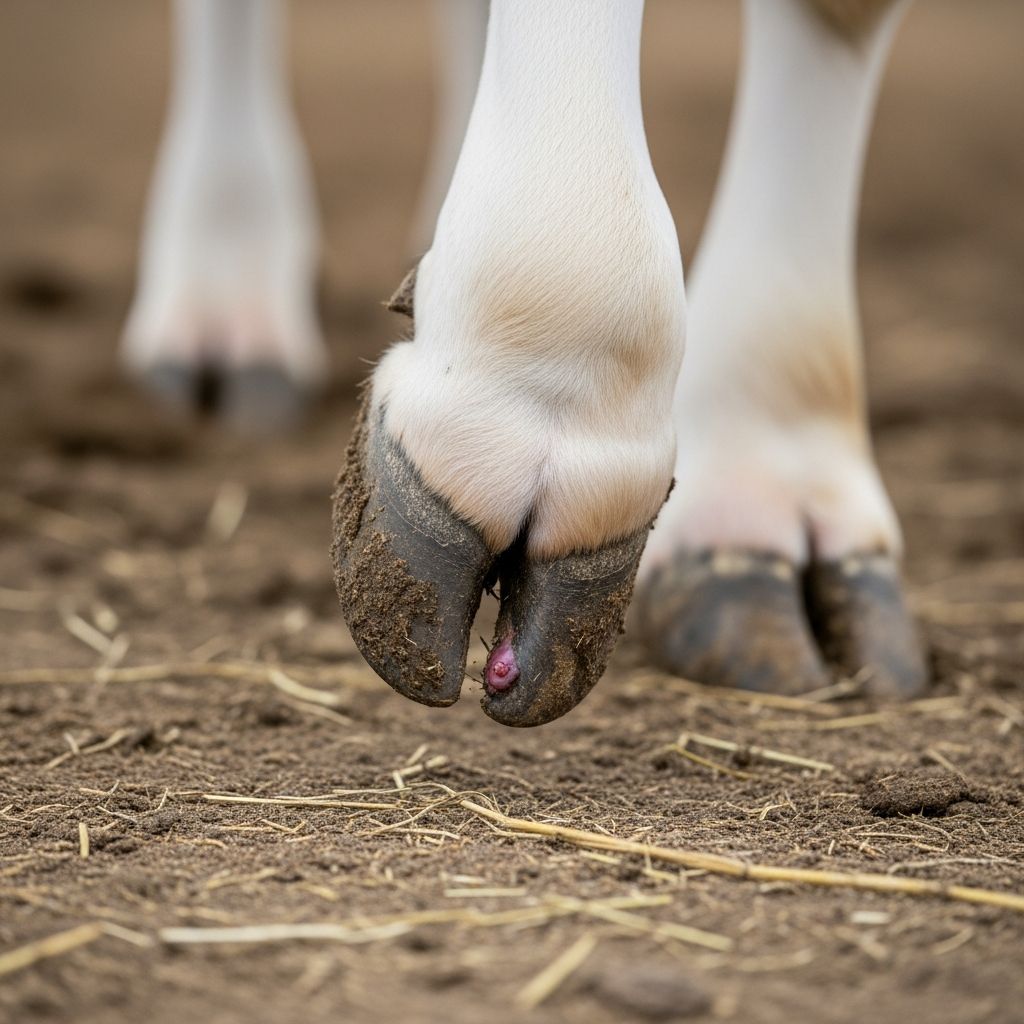
Lameness represents a major welfare and economic challenge in cattle production, particularly in dairy operations where it leads to reduced milk yields, fertility issues, and early culling. This condition arises from diverse factors including infections, injuries, and management shortcomings, often concentrating in the hind limbs due to higher weight-bearing loads.
Understanding the Scope of Lameness Issues
Cattle lameness manifests as abnormal gait, reluctance to move, or complete refusal to bear weight on affected limbs. It peaks in early lactation, affecting up to 20% of cows in some herds during the second month postpartum, escalating health costs and productivity losses globally. In beef cattle, it similarly hampers growth rates and feed efficiency.
The economic toll is substantial: affected animals experience daily milk production drops of 5-10 kg, prolonged calving intervals, and treatment expenses that can exceed $200 per case. Early intervention is critical to mitigate these impacts.
Primary Causes Behind Cattle Lameness
Lameness stems from a complex interplay of infectious, nutritional, environmental, and mechanical factors. Hoof-related problems dominate, accounting for over 90% of cases, but joint disorders and traumas also contribute significantly.
Infectious Hoof Conditions
- Foot Rot: A bacterial infection (often Fusobacterium necrophorum) causing interdigital swelling, foul odor, and rapid lameness onset. It thrives in wet, muddy environments.
- Digital Dermatitis: Painful lesions on the heel bulb, linked to Treponema bacteria, spreading in overcrowded, unsanitary conditions.
- Paronychia: Inflammation above the coronary band with exudate, worsened by poor hygiene and leading to chronic damage if untreated.
Non-Infectious Contributors
- Laminitis: Inflammation of the hoof lamina from rumen acidosis due to high-grain diets or abrupt feed changes, causing sole ulcers and systemic signs like sweating.
- Nutritional Deficiencies: Low zinc, copper, selenium, or vitamins A/D weaken hooves and bones, promoting cracks and fractures.
- Traumatic Injuries: Hoof cracks, joint sprains, or muscle strains from rough terrain, slips on concrete, or overexertion.
Environmental stressors like slippery floors, sharp turns in barns, and overcrowding exacerbate these risks by increasing slip-and-fall incidents.
How to Detect Lameness Early
Timely detection prevents progression from mild to severe cases. Producers should implement daily herd walks using standardized scoring systems: score 1 for normal gait, up to 5 for non-weight-bearing limbs.
| Score | Description | Action Needed |
|---|---|---|
| 1 | Perfect mobility, even weight distribution | Monitor routinely |
| 2 | Slight head bob, mild asymmetry | Inspect hooves |
| 3 | Obvious limp, avoids affected limb | Isolate and examine |
| 4 | Severe lameness, 3-legged stance | Veterinary intervention |
| 5 | Non-weight bearing, recumbent | Emergency treatment |
Focus on hind limbs during peak lactation and use tools like tilt tables for detailed hoof exams. Early signs include arched back, hoof swelling, or heat.
Treatment Approaches for Affected Cattle
Treatment varies by cause but prioritizes pain relief, infection control, and structural correction. Always confirm diagnosis via thorough foot cleaning and examination.
Medical Interventions
- Antibiotics: Effective for foot rot and paronychia; use long-acting tetracyclines or penicillins for 2-3 days. Avoid routine use due to resistance risks.
- Anti-Inflammatories: NSAIDs like ketoprofen, flunixin meglumine, or meloxicam reduce pain and swelling, improving mobility within 24-48 hours.
- Topicals: Salicylic acid dressings for early paronychia as an antibiotic alternative.
Hoof Care Procedures
Functional hoof trimming removes overgrowth and exposes abscesses for drainage. Claw blocking elevates the healthy claw, redistributing weight. Use sedation and local blocks for comfort during procedures on tilt tables.
For laminitis, adjust diet immediately to alkaline forages and provide deep bedding for sole support.
Prevention Strategies for Herd Health
Proactive management slashes lameness incidence by 50% or more. Key pillars include nutrition, housing, and monitoring.
Nutritional Management
- Balance rations with adequate fiber to maintain rumen pH >6.0, preventing acidosis.
- Supplement minerals (zinc 40-60 ppm, biotin 20 mg/day) and vitamins for hoof strength.
- Gradual transitions to concentrate feeds during lactation.
Facility and Hygiene Improvements
- Ensure dry, non-slip flooring with rubber mats or grooving.
- Regular scraping (2-3x daily) and footbaths with copper sulfate (5%) weekly.
- Adequate space: 1.5-2m²/cow in freestalls, avoiding overcrowding.
Implement vaccination against clostridial diseases and routine hoof checks every 3-6 months.
Impact on Production and Welfare
Beyond immediate pain, lameness reduces feed intake by 10-20%, dropping milk by 4-7 kg/day and body condition scores. Fertility declines with longer days open. Welfare standards demand prompt action to uphold ethical farming.
FAQs
What is the most common cause of lameness in dairy cattle?
Hoof lesions like digital dermatitis and foot rot predominate, driven by wet environments and infections.
How often should I check for lameness?
Daily walks with scoring, plus monthly professional trims.
Can diet prevent laminitis?
Yes, high-fiber diets and proper bunk management are essential.
Are antibiotics always needed for foot rot?
No, but they are highly effective alongside trimming; use judiciously.
What housing changes reduce slips?
Non-slip surfaces, gradual slopes, and ample bedding.
References
- Treating Lameness in Cattle — SDSU Extension. 2023. https://extension.sdstate.edu/treating-lameness-cattle
- Lameness in Cattle—Etiopathogenesis, Prevention and Treatment — PMC (NCBI). 2024-07-15. https://pmc.ncbi.nlm.nih.gov/articles/PMC11200875/
- Exploring Cattle Lameness: Causes, Identifying, and Management Strategies — QLF. 2023. https://www.qlf.com/news/exploring-cattle-lameness-causes-identifying-and-management-strategies/
- Causes of Lameness in Cattle — Lethbridge Animal Clinic. 2024. https://lethbridgeanimalclinic.com/blog/lameness-in-cattle/
- Foot Health — Cornell University College of Veterinary Medicine. 2024. https://www.vet.cornell.edu/animal-health-diagnostic-center/programs/nyschap/modules-documents/foot-health
Similar Articles








Read full bio of Sneha Tete


