

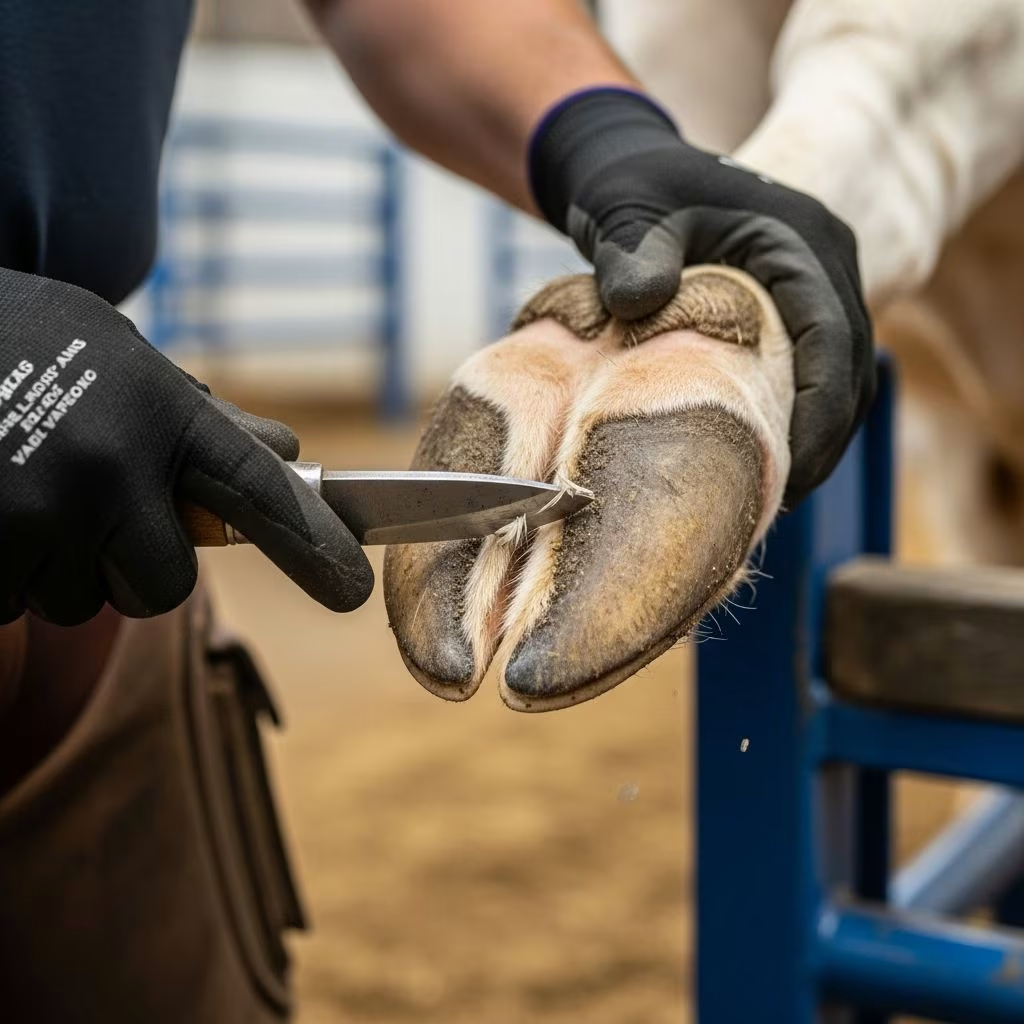
Understanding the Foundation of Herd Foot Health
Foot lameness represents one of the most significant health challenges facing dairy and beef cattle operations worldwide. The economic impact extends beyond veterinary treatment costs to include reduced milk production, compromised reproductive performance, and diminished animal welfare. A comprehensive approach to hoof management requires far more than reactive treatment of lame animals—it demands a proactive, systematized program that addresses the underlying structural and environmental factors contributing to foot disease.
Developing an effective hoof care program begins with recognizing that healthy feet are the foundation of a productive herd. When cattle maintain proper foot structure and function, they move more freely, spend additional time feeding and ruminating, and demonstrate improved overall performance. The investment in preventive hoof management consistently demonstrates superior returns compared to treating established lameness conditions.
Establishing Core Program Objectives and Goals
An effective hoof trimming initiative must articulate clear, measurable objectives that guide all subsequent decisions. These goals should encompass both immediate outcomes and long-term herd health improvements.
- Prevent the onset of lameness through regular, timely interventions
- Maintain optimal hoof structure and weight-bearing geometry throughout lactation
- Identify and address early signs of foot disease before they progress to clinical lameness
- Reduce the incidence of infectious foot conditions including digital dermatitis and foot rot
- Minimize the necessity for corrective or therapeutic trimming by maintaining hoof health
- Establish consistent record-keeping systems that track individual animal foot health trends
- Train and support farm personnel in proper trimming techniques and hoof assessment
Frequency and Timing of Trimming Interventions
The scheduling of hoof trimming operations significantly influences program success. Most dairy cattle herds benefit from a systematic trimming schedule implemented twice annually, though the specific timing should align with individual farm management practices and environmental conditions. Common timing protocols include trimming at the time of dry-off and again at approximately 100 days into lactation, creating a balanced approach that addresses feet during critical transition periods.
The rationale for this timing strategy recognizes that cattle experience different foot stress and disease pressures at various production stages. As cows transition from lactation to the dry period and back again, their metabolic state, body condition, and foot angle undergo significant changes. Strategic trimming at these transition points helps restore optimal foot geometry and weight-bearing surfaces precisely when cows face the highest risk of developing sole ulcers and other traumatic lesions.
Additionally, trimming approximately 6-8 weeks before calving restores optimal foot structure as cows approach the periparturient period when foot disease pressure increases substantially. However, farms must avoid trimming on the same day as dry-off due to potential mastitis risk factors. Some operations may benefit from additional trimming before turn-out to pasture or when visible signs of hoof overgrowth or early lameness become apparent.
Fundamental Hoof Dimensions and Structural Standards
Establishing clear, objective standards for hoof structure guides every trimming decision and ensures consistency across the herd. These measurements provide the baseline against which all trimming work is evaluated.
The optimal hoof length for most cattle measures approximately 3 inches when measured from the coronary band—the junction between the skin and horny hoof structure—to the toe tip. This length provides appropriate weight-bearing surface while maintaining proper foot angle and reducing stress on supporting structures. The sole thickness should measure approximately 0.25 inches at the bottom of the foot. When hooves significantly deviate from these dimensions, whether shorter or longer, they place abnormal stress on muscles and ligaments throughout the limb, eventually predisposing animals to sole ulcers and other structural problems.
Heel height represents another critical measurement in hoof structure. An ideal heel measures approximately 1.5 inches from the hairline to the sole surface. The toe angle—measured as the slope from the hairline to the toe tip—should approximate 52 degrees for optimal structural soundness and reduced susceptibility to infectious diseases such as foot rot. These dimensional standards translate functional objectives into measurable targets that farm personnel can evaluate and discuss with professional hoof trimmers.
The Functional Trimming Methodology: Creating Optimal Weight-Bearing Surfaces
Functional trimming represents the foundational technique in any comprehensive hoof management program. This approach focuses on creating a foot structure that distributes weight effectively across appropriate weight-bearing surfaces, thereby reducing the development of focal pressure points that lead to bruising and ulceration.
Step One: Establishing Correct Toe Length
The trimming process begins by measuring from the coronary band and removing excess hoof to achieve the target length of approximately 3 inches. For Holstein-Friesians and similar dairy breeds, measurement should begin 8 centimeters from the point where the claw transitions to a harder structure, or approximately 8.5-9 centimeters from the coronary band. Hoof trimmers must make the cut perpendicular to the weight-bearing surface, creating a flat, even surface that promotes uniform pressure distribution.
When trimming hind feet, practitioners should start with the inner (medial) claw, which typically requires less aggressive trimming since it naturally remains more sound. For front feet, the sequence reverses, with the outer (lateral) claw trimmed first. This approach recognizes anatomical differences between digits and adjusts technique accordingly.
Step Two: Balancing the Opposing Claw
After establishing the correct length on the first claw, the partner claw must be trimmed to match both length and weight-bearing level. This step typically involves removing additional horn from the second claw to create symmetrical claws of equal height. During this process, trimmers must preserve the axial white line weight-bearing horn—the critical structure running from the toe along the inner wall of each claw. This weight-bearing horn provides essential support and must never be removed, as its loss compromises foot stability and load distribution.
Achieving proper balance prevents one claw from bearing excessive weight and developing bruising or ulcerations while the opposing claw remains underutilized. Slight imbalance may be necessary in some cases, particularly when the inner hind claw naturally has a shallow heel that would leave the outer claw over-trimmed and prone to bruising if completely equal weight-bearing were attempted.
Step Three: Sole Contouring and Depression of Ulcer Sites
The bottom of the foot requires careful attention to create a concave (dished) sole surface rather than a flat sole. This concave configuration causes the majority of the cow’s weight to be distributed across the walls of the hoof at the outer edge, rather than on the sensitive sole structures. This weight distribution dramatically reduces pressure-related injury to the sole and decreases the frequency of trimming required, as the walls naturally wear during normal walking, potentially reducing trimming necessity from three times yearly to once or twice yearly.
When sole ulcers are present, the affected area should be carefully modeled (dished) out to relieve pressure directly on the damaged tissue. This modeling removes weight-bearing pressure from the site of ulceration, allowing healing to progress without continued traumatic insult.
Step Four: Heel Balancing and Angle Correction
Proper heel management ensures that heels contribute appropriately to weight distribution without creating structural imbalances. Heels in healthy, sound animals typically require minimal trimming, as excessive heel reduction can compromise overall foot angle and predispose animals to white line disease and other conditions. When trimming is necessary, work must proceed gradually with frequent assessment of sole depth to maintain adequate protective tissue thickness.
Corrective Trimming: Addressing Existing Foot Lesions
While functional trimming maintains healthy feet, corrective or therapeutic trimming addresses animals showing signs of lameness or foot disease. This specialized trimming prioritizes lesion management while preserving the functional foot shape established through regular maintenance trimming.
The first priority in corrective trimming involves relieving weight-bearing pressure from the painful or diseased claw. This may involve aggressive reduction of the affected claw’s height compared to the opposite digit, essentially favoring the unaffected or less severely affected claw. Such temporary imbalance represents an appropriate therapeutic intervention designed to prevent further damage to already compromised tissues.
The second corrective component involves removing loose, undermined, or dead horn tissue and addressing hard ridges in high-risk zones. Areas most prone to serious disease receive particular attention. The front two-thirds of the inner hind claw and the front third of the outer hind claw rarely develop significant disease and should be examined carefully before removing tissue, avoiding unnecessary removal of protective horn. Conversely, loose horn around the base of sole ulcers, in the heel region, and around white line lesions requires removal to facilitate drainage, hygiene, and healing.
Essential Equipment and Environmental Considerations
Successful hoof trimming requires appropriate facilities, equipment, and working conditions. A properly designed hoof trimming chute suitable for the cattle being handled and the farm’s operational conditions forms the essential foundation. The chute design should allow safe, secure positioning of animals while providing adequate space and access for the trimmer to work efficiently without injury risk.
Claw spreaders—specialized pliers that can be fixed in position—greatly simplify assessment and treatment of the intercostal gap (the space between claws). These instruments provide a clear view for identifying remaining signs of digital dermatitis (Mortellaro disease) and allow for cleaning the hoof crevice with spray and gel products, establishing a more hygienic environment that supports healing.
The work environment itself significantly influences both animal handling and trimming quality. Trimming should occur in clean, dry areas with clean sawdust on the ground to provide traction and hygiene. Wet, slippery conditions increase the risk of animal injury and compromise both the physical and mental well-being of animals in the chute, potentially leading to struggling and injury.
Preventing Common Trimming Errors
Despite good intentions, certain trimming mistakes can undermine program objectives and actually worsen foot health. Understanding and avoiding these errors protects both animal welfare and program effectiveness.
Over-trimming represents the most destructive error in hoof management. Excessive removal of horn, particularly in the heel region, can damage the structural stability of the hoof and penetrate sensitive tissues below the horny wall, causing pain and lameness. A trimmer who removes too much heel creates a shallower foot angle, directly increasing the risk of digital dermatitis. The goal of trimming is controlled removal of excess, dead horn tissue—not aggressive modification of the entire foot structure.
Trimming that removes the axial white line weight-bearing horn compromises the fundamental support structure of the claw and should never occur. This tissue provides critical load-bearing function and protects the sensitive inner structures of the claw. Trimming decisions must always preserve this essential architecture.
Trimming hooves that are still at normal length wastes effort and potentially causes unnecessary wear on sensitive structures. Clear communication between farm personnel and professional hoof trimmers about criteria for determining when trimming is necessary prevents unnecessary interventions.
Record-Keeping and Systematic Program Management
Documentation represents an often-overlooked but essential component of effective hoof management programs. Record-keeping serves multiple critical functions in sustaining and improving program performance over time.
Records should document the timing of all hoof trimming interventions, noting both the date and specific animals trimmed. When lameness occurs, detailed documentation of the affected limb, apparent cause (if determinable), and any corrective trimming performed creates a data trail that reveals patterns and trends in foot disease within the specific herd. Over multiple years, these records identify whether particular cows, particular claws, or particular seasons show consistently elevated disease incidence—information that guides future decision-making and resource allocation.
Documentation also ensures accountability in trimming schedule adherence and facilitates communication between farm management, herd health veterinarians, and professional hoof trimmers regarding program objectives and criteria for trimming decisions. When all parties maintain consistent records using the same criteria, the entire program functions more coherently and delivers superior results.
Integration with Broader Herd Health Management
An effective hoof trimming program does not exist in isolation but rather integrates with other herd management practices that influence foot health. Environmental management—including facility design, bedding type, and flooring characteristics—directly impacts the health challenges feet must endure. Nutritional management during the transition period influences the quality and rate of hoof horn growth. Milking parlor hygiene and footbath protocols (when employed) reduce the exposure to pathogens that cause infectious foot diseases.
Professional hoof trimmers who understand both the technical aspects of functional trimming and the broader management context of specific farms deliver superior results. Farms that invest in building strong relationships with skilled, knowledgeable hoof trimmers benefit from collaborative discussion about foot health challenges and systematic troubleshooting of emerging problems.
Training and Skill Development for Farm Personnel
While professional hoof trimmers play an essential role, farm personnel who handle cattle daily occupy equally important positions in any foot health program. Training these individuals to recognize early signs of hoof problems, to understand basic foot anatomy and function, and to implement appropriate preventive practices amplifies program effectiveness exponentially.
Personnel who regularly lift and observe feet can identify overgrown hooves, subtle signs of lameness, or emerging foot lesions long before conditions become severe. This early detection allows timely intervention and frequently prevents progression to clinical lameness. Similarly, understanding how facility design and management practices influence foot health enables farm teams to implement beneficial changes that reduce disease pressure across the entire herd.
References
- Mastering Hoof Trimming: Step-by-Step with Pro Tips — Hoof Care Direct. 2025-09-04. https://hoofcaredirect.com/2025/09/04/mastering-hoof-trimming-step-by-step-with-pro-tips/
- Functional Hoof Trimming – Large Animal Surgery — University of Minnesota Libraries Publishing. https://open.lib.umn.edu/largeanimalsurgery/chapter/functional-hoof-trimming/
- Step-by-Step Guide for Optimal Hoof Health — MS Schippers. https://www.msschippers.com/en-EU/advice/hoof-trimming-care-cattle
- Hoof Trimming of Dairy Cows — University of Kentucky College of Agriculture, Food and Environment. 2024. https://afs.mgcafe.uky.edu/sites/afs.ca.uky.edu/files/Hoof%20Trimming%20of%20Dairy%20Cows%202024_0.pdf
- Part 1 – Practical Foot Trimming (Dutch 5 Step Method) — National Animal Disease Information System (NADIS). https://www.nadis.org.uk/disease-a-z/cattle/lameness-control-in-dairy-herds/part-1-practical-foot-trimming-dutch-5-step-method/
- Hoof Trimming Made Easy — Bovine Practitioner. Texas A&M University. https://bovine-ojs-tamu.tdl.org/bovine/article/view/2303/2295



