
Cattle Gut Parasites: 4 Major Types, Signs, And Control
Comprehensive insights into identifying, managing, and preventing gastrointestinal parasites in cattle for optimal herd health and productivity.
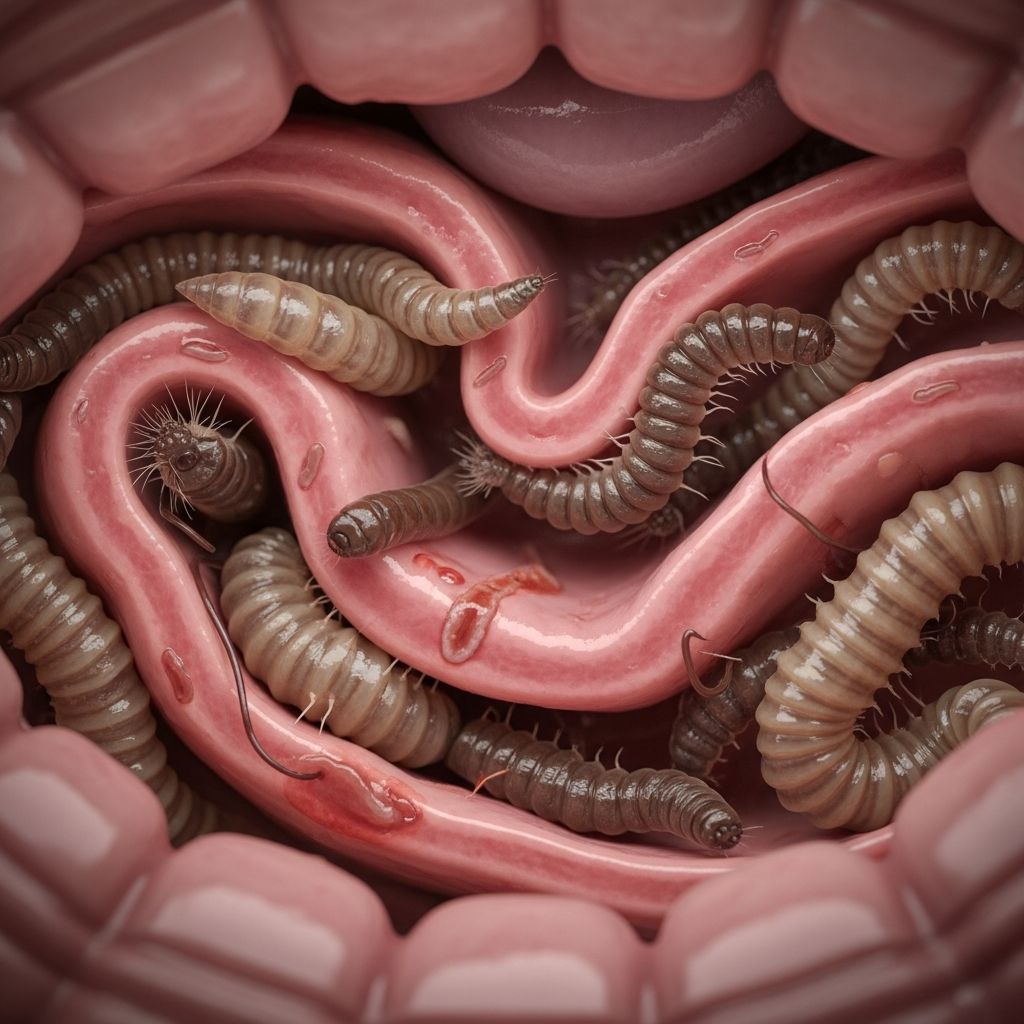
Gastrointestinal parasites pose a significant threat to cattle health worldwide, leading to reduced growth rates, poor feed efficiency, and substantial economic losses for producers. These organisms, primarily nematodes, trematodes, cestodes, and protozoa, inhabit the digestive tract and disrupt nutrient absorption, causing subclinical or overt disease. Effective management requires understanding their biology, recognizing clinical signs, and implementing targeted control measures.
Why Gut Parasites Matter in Cattle Farming
Internal parasites affect cattle performance subtly yet profoundly. Subclinical infections lead to indigestion, diminished weight gain, and lower milk yields in dairy herds, while severe cases result in anemia, diarrhea, and mortality. Young stock, particularly post-weaning calves, face the highest risk due to immature immunity, with prevalence often exceeding 70% in poorly managed pastures. Factors like farm size, breed, and management practices influence infection rates; small-scale operations report higher trematode burdens, while larger farms see more protozoal issues.
Globally, parasites like Ostertagia ostertagi rank as the most pathogenic, impacting U.S. and international herds alike. In regions with wet climates, fluke infestations compound problems, exacerbating anemia and bottle jaw. Proactive strategies, including rotational grazing and selective deworming, mitigate these risks and preserve anthelmintic efficacy against emerging resistance.
Major Types of Gastrointestinal Parasites
Cattle host diverse parasites, but a core group drives most pathology. Nematodes dominate, followed by trematodes and protozoa.
Nematodes: The Primary Culprits
Roundworms thrive in the abomasum and intestines, with Ostertagia ostertagi (brown stomach worm) being paramount. Larvae burrow into gastric glands, causing protein loss and Type I or II ostertagiosis—acute diarrhea and weight loss in larvae Type II. Cooperia spp. (small intestinal worms) prevail in calves under 3 years, leading to malabsorption without severe clinical signs. Haemonchus placei and Trichostrongylus axei contribute to anemia and indigestion, often co-infecting.
- Ostertagia ostertagi: Abomasal damage, hypoproteinemia.
- Cooperia oncophora/punctata: Proximal intestine, growth stunting.
- Dictyocaulus viviparus: Lungworm migrating via gut, causing respiratory distress.
Trematodes: Flukes and Their Impact
Liver flukes (Fasciola hepatica) and rumen flukes (Paramphistomum spp.) require amphibious snails for transmission, thriving in marshy areas. Adults in bile ducts or rumen cause anemia, edema, and black scour; immature stages provoke acute inflammation. Prevalence reaches 69% in endemic zones, highest in indigenous breeds. Schistosoma spp. add to trematode burdens in tropical settings.
Cestodes: Tapeworms
Less pathogenic, Moniezia spp. attach to the small intestine, potentially irritating mucosa. Eggs appear more in small farms (10%), rarely causing issues alone but compounding nematode effects.
Protozoan Parasites: Coccidia and Beyond
Eimeria bovis/zuernii invade intestinal cells, peaking in warm, wet summers. Calves suffer bloody diarrhea, dehydration, and poor gains. Balantidium coli and cryptosporidia affect large-scale herds, with 45% prevalence noted. These single-celled foes disrupt enterocytes, hindering immunity.
Life Cycles and Transmission Routes
Parasite persistence hinges on environmental stages. Nematode eggs hatch into larvae on pasture, infective after 1-2 weeks in moisture. Cattle ingest L3 larvae while grazing; some hypobiotic larvae overwinter in tissues. Flukes release cercariae from snails onto herbage, penetrating rumen walls. Coccidia oocysts sporulate in feces-contaminated environments, infective within days.
Key transmission factors:
- Contaminated pasture: Overstocking accelerates buildup.
- Larval migration: Lungworms coughed up and swallowed.
- Vertical spread: Limited in cattle, unlike small ruminants.
| Parasite Type | Environmental Stage | Infective Route | Prepatent Period |
|---|---|---|---|
| Nematodes (Ostertagia) | L3 larvae | Oral ingestion | 3 weeks |
| Flukes (Fasciola) | Cercariae/Metacercariae | Encysted on plants | 8-12 weeks |
| Coccidia | Sporulated oocysts | Fecal-oral | 2-3 weeks |
Recognizing Clinical Signs and Pathophysiology
Signs vary by parasite load and host factors. Subclinical effects predominate: 10-20% reduced gains, bottle jaw from hypoproteinemia. Acute ostertagiosis features profuse, dark diarrhea, dehydration, and death in calves. Fluke-heavy herds show anemic mucosae, ventral edema. Respiratory signs signal lungworms. Protozoa cause tenesmus and dysentery in youngstock.
Risk amplifies in pregnant/lactating cows and indigenous breeds due to stress and exposure. Diagnosis relies on fecal egg counts (FEC), though zero FEC misses hypobiotics. Median EPG higher in large farms (300), correlating with management lapses.
Diagnostic Approaches for Accurate Detection
Farmers should integrate multiple tools:
- Fecal Flotation: Quantifies eggs/g (EPG); sedimentation for flukes.
- Larval Cultures: Differentiates strongyles.
- Coproantigens: Detects immature stages.
- Post-Mortem: Worm burdens in culled animals.
Farms with high trematode PP (69%) benefit from pooled sampling. Monitor EPG trends; values over 200 signal intervention.
Control Strategies: Integrated Parasite Management
Blind deworming fosters resistance; adopt refugia-preserving tactics.
Pasture and Grazing Management
Rotate paddocks every 3-4 weeks to dilute larvae. Mixed grazing with sheep/horses disrupts cycles. Avoid wet lowlands for flukes. Harrowing exposes larvae to UV.
Anthelmintic Use: Smart Deworming
Treat based on FEC/FAMACHA scores. Classes: Benzimidazoles, macrocyclic lactones, levamisole. Rotate actives; quarantine newcomers. Calves at weaning and pre-breeding prioritize.
Breeding for Resilience
Select low-shedder sires; genetics cut heritability 20-30%.
Nutritional Support
Boost selenium/vitamin E to aid immunity.
Prevention Tips for Year-Round Protection
- Quarantine new cattle 3 weeks, treat twice.
- Clean water/feed troughs weekly.
- Monitor weather: Deworm pre-rainy season.
- Vaccines emerging for Ostertagia.
Frequently Asked Questions (FAQs)
What are the most common gut parasites in cattle?
Ostertagia, Cooperia, Paramphistomum, Eimeria spp., and Fasciola hepatica top the list.
How do I know if my herd has parasites?
Look for poor doer calves, diarrhea, edema; confirm with FEC.
Can parasites cause death in cattle?
Yes, severe Ostertagia or coccidiosis overloads kill young animals.
How often should I deworm cattle?
2-4 times/year based on risk, not calendar; use FEC-guided.
Are organic farms more prone to parasites?
Potentially yes, due to anthelmintic limits; emphasize pasture hygiene.
Emerging Challenges: Resistance and Climate Change
Anthelmintic resistance surges; Cooperia shows multi-drug tolerance. Warmer climates extend transmission windows. Adaptive IPM counters these via refugia and monitoring.
References
- Common Internal Parasites of Cattle — Beef Magazine. 2010-04-12. https://www.beefmagazine.com/cattle-health/common-internal-parasites-of-cattle
- Gastrointestinal parasitosis in cattle: Unveiling the landscape across… — PMC/NCBI (Peer-reviewed). 2023. https://pmc.ncbi.nlm.nih.gov/articles/PMC10766017/
- Gastrointestinal Parasites of Cattle — University of Florida Extension (.edu). 2010-07. https://extension.vetmed.ufl.edu/files/2012/02/Gastrointestinal-Parasites-of-Cattle-July-2010.pdf
- Common Parasites in Cattle: Identification, Symptoms & Control — FarmKeep. 2023. https://www.farmkeep.com/farm-guides/health/cattle-parasites
- All parasites (cattle) — Western College of Veterinary Medicine, University of Saskatchewan (.edu). 2023. https://wcvm.usask.ca/learnaboutparasites/cattle/parasites-cattle/parasites.php
- Overview of Gastrointestinal Parasites of Ruminants — MSD Veterinary Manual (.com official vet resource). 2023. https://www.msdvetmanual.com/digestive-system/gastrointestinal-parasites-of-ruminants/overview-of-gastrointestinal-parasites-of-ruminants
Similar Articles








Read full bio of medha deb


