

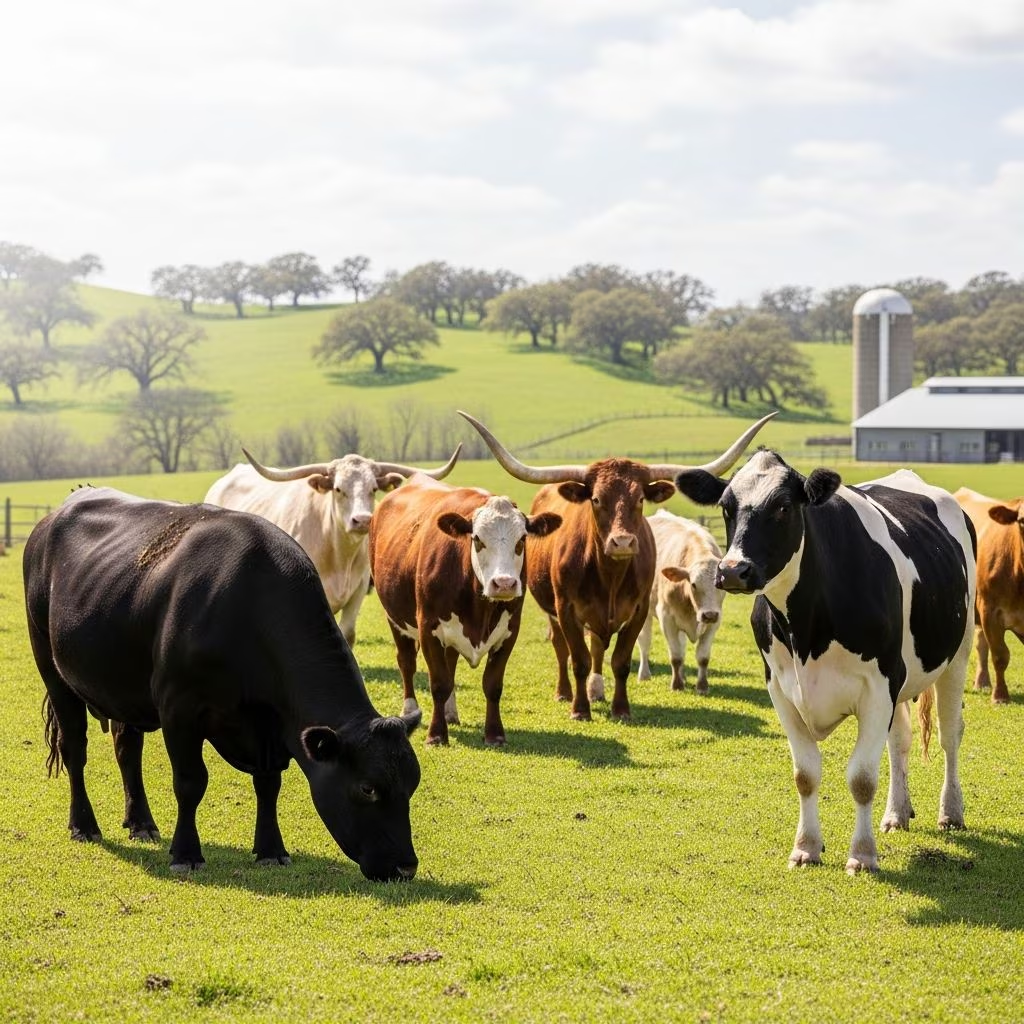
Selecting the appropriate cattle breed represents one of the most critical decisions a farmer can make, as it directly influences operational profitability, animal welfare, and long-term sustainability. The livestock industry encompasses numerous breeds worldwide, each developed with specific characteristics suited to particular environments, production goals, and management systems. Understanding the distinctive traits of various cattle types enables producers to optimize their operations and maximize returns on investment.
Understanding Cattle Selection Criteria
The foundation of successful cattle farming begins with identifying your primary production objective. Farmers must determine whether they intend to focus on beef production, dairy operations, or dual-purpose systems that combine both functions. Beyond production type, several interconnected factors influence breed selection, including geographical location and climate conditions, available pasture quality and management resources, target market demands, and initial capital investment capabilities.
Environmental conditions play a particularly significant role in determining breed suitability. Cattle breeds exhibit varying degrees of heat and cold tolerance, requiring careful matching between animal genetics and local climate patterns. Similarly, parasite resistance, disease susceptibility, and feed conversion efficiency differ substantially among breeds, affecting overall operational costs and animal health outcomes.
Beef Cattle Breeds and Their Characteristics
Traditional British Beef Breeds
Angus cattle represent one of the most widely recognized beef breeds globally, prized for their consistent meat quality and marbling characteristics. These moderately-sized, muscular animals possess natural predispositions toward fat distribution within muscle tissue, creating the premium beef cuts demanded by restaurants and quality-conscious consumers. Angus cattle demonstrate good fertility rates and adaptability to various production systems, making them suitable for both seedstock and commercial operations.
However, individual temperament variation within the Angus breed requires careful selection, as some animals display more reactive behavioral tendencies than others. Additionally, Angus cattle show reduced heat tolerance and may require shade provision in extremely hot environments, limiting their suitability in certain geographical regions.
Herefords exemplify another foundational beef breed with exceptional hardiness and environmental flexibility. These cattle thrive across diverse pasture conditions and varying feed qualities, demonstrating rapid growth rates and high fertility. Herefords consistently produce quality beef with excellent marbling and fat composition, supporting strong market demand. Their docile temperament and superior heat and cold tolerance make them valuable in regions experiencing significant temperature fluctuations.
The primary limitation of Hereford cattle involves their distinctive coloring pattern, which may necessitate sun protection in extreme conditions. Additionally, sourcing quality Herefords may present challenges in certain markets, and purchase prices often exceed those of other traditional breeds.
Continental and Specialized Beef Breeds
Charolais cattle represent the continental beef category, emphasizing rapid growth and efficient feed conversion. These animals possess medium to large frames with substantial muscling, developing quickly to finished weights suitable for market processing. Charolais demonstrate excellent milk production for maternal breeds, supporting strong calf growth and weaning weights. Their adaptive coat characteristics, growing longer during winter months and shortening in warmth, provide natural climate regulation.
Producers must exercise caution when selecting Charolais genetics, as some breeding lines exhibit aggressive or unpredictable behavioral patterns. Working with reputable breeders minimizes temperament challenges and ensures genetic quality.
Simmental cattle rank among the world’s most prevalent breeds, with over 40 million animals distributed across five continents. These cattle combine large frame structures with exceptional muscle development, providing the foundation for superior beef yields. Strong growth rates, excellent longevity, and high feed efficiency characterize the breed, supporting strong profitability metrics for commercial operations.
Gelbvieh cattle offer versatile adaptation to arid climates with notable heat tolerance characteristics. Medium to large-framed animals display docile dispositions and consistent fertility, producing high-quality meat cuts featuring exceptional ribeye muscle dimensions. Though maturation requires additional time compared to some breeds, Gelbvieh genetics contribute meaningfully to crossbreeding programs targeting specific production outcomes.
Tropical and Heat-Adapted Breeds
Brahman cattle possess specialized physiological adaptations enabling exceptional performance in hot, humid environments. Short, glossy coats combined with active sweat glands and loose skin architecture facilitate heat dissipation, supporting breed success in southern and southeastern U.S. regions where temperatures regularly reach extreme levels. These cattle demonstrate remarkable parasite and insect resistance, substantially reducing disease management challenges and associated treatment costs.
Brahman cattle excel as excellent foragers, thriving on lower-quality feed that would prove inadequate for other breeds. High milk production supports strong calf development, while genetic composition transfers favorably through crossbreeding programs. However, short coats provide minimal protection during cold weather, requiring shelter provision in northern climates.
Brangus cattle result from purposeful combination of Brahman and Angus genetics, blending the heat tolerance and hardiness of tropical breeds with the superior meat quality characteristics of traditional beef cattle. This hybrid composition requires 5/8 Angus and 3/8 Brahman genetic contribution, producing solid black animals with improved carcass quality, heightened fertility, and substantial milking capacity. Brangus represent an excellent choice for producers in transitional climate zones seeking hybrid vigor and breed-specific advantages.
Dairy Cattle Breeds and Production Specialization
High-Volume Milk Producers
Holstein cattle dominate commercial dairy operations worldwide, selected specifically for exceptional milk production volumes. These large-framed animals consistently deliver substantial daily milk quantities, supporting economic viability for intensive dairy farming systems. Modern Holstein genetics incorporate disease resistance and improved reproductive efficiency, though individual animals may require more intensive management and healthcare attention compared to other dairy breeds.
Butterfat and Protein-Focused Breeds
Jersey cattle exemplify the small-frame, high-composition dairy category, producing milk with elevated butterfat and protein percentages despite lower overall volume. These animals offer significant advantages for cheese and specialty dairy product production, where milk composition directly influences final product quality and yield. Jersey cattle demonstrate exceptional feed efficiency, converting modest feed quantities into premium milk components.
Brown Swiss cattle provide dual-purpose flexibility, performing capably in both dairy and beef production contexts. These strong, robust animals demonstrate remarkable longevity and adaptability, with solid breeding performance supporting consistent production. Milk composition characteristics suit artisanal dairy production, though animals require extended maturation periods before reaching peak production capacity.
Guernsey cattle represent a distinctive dairy breed known for producing distinctively golden-colored milk with elevated butterfat and protein content. Moderate frame size averaging approximately 1,200 pounds reduces nutritional input requirements while maintaining meaningful milk production. Gentle temperament facilitates management, and animals demonstrate relative ease during calving events, adapting well to grazing-based production systems.
Ayrshire cattle excel as commercial dairy producers, particularly suited for regions experiencing variable climatic conditions. These animals function as exceptional foragers, thriving in harsh feeding environments and diverse climatic zones where other dairy breeds might struggle. Strong calf vigor and milk production capabilities support herd development and profitability, though individual animals sometimes display strong personalities and produce moderate butterfat levels compared to specialized fat-focused breeds.
Brahman dairy attributes should not be overlooked, as these tropical cattle produce high milk volumes while demonstrating parasite resistance and exceptional climate adaptation. For producers operating in hot regions, Brahman genetics deliver dual advantages of substantial dairy production combined with environmental suitability.
Specialized Production Breeds
Highland Cattle: Extreme Environment Specialists
Highland cattle represent a unique category, excelling in environments where conventional breeds cannot survive. Developed for harsh Scottish highlands, these animals thrive in extreme climates and marginal pasture conditions that would prove unsuitable for other livestock. Exceptional hardiness, combined with natural foraging ability and low management input requirements, supports profitable operations on challenging terrain.
Highland cattle produce lean meat and maintain reasonable dairy capabilities for cheese and butter production, supporting diversified farm enterprises. Animals demonstrate exceptional docility and calm demeanor, facilitating low-stress management. Calves arrive in moderate weights (50-75 pounds), supporting easier calving compared to large contemporary breeds.
Red Angus: The Color Alternative
Red Angus cattle possess substantially similar genetic potential to their black counterparts, offering marbling capabilities and beef quality equivalent to traditional Angus animals. Female animals demonstrate early maturity, elevated milking rates, and exceptional maternal traits, supporting strong herd productivity. The distinctive reddish-brown coat color represents the primary aesthetic difference, with genetic value and production characteristics remaining consistent with black Angus bloodlines.
Shorthorn Cattle: Dual-Purpose Tradition
Shorthorn cattle historically serve dual-purpose functions, supporting both beef and dairy production within individual animals. Strong maternal traits, early heifer maturity, and substantial milk production enable flexible production systems. Breeders have developed specialized varieties including Dairy Shorthorns optimized for milk production and Polled Shorthorns lacking horns, enhancing management convenience and safety.
Comparative Breed Selection Framework
| Breed Category | Primary Function | Climate Adaptability | Frame Size | Key Strength |
|---|---|---|---|---|
| Angus | Beef | Moderate | Medium | Marbling Quality |
| Hereford | Beef | Excellent | Medium-Large | Feed Efficiency |
| Charolais | Beef | Variable | Large | Growth Rate |
| Brahman | Dairy/Beef | Hot/Humid | Medium | Heat Tolerance |
| Highland | Beef | Cold/Extreme | Medium | Hardiness |
| Holstein | Dairy | Moderate | Large | Milk Volume |
| Jersey | Dairy | Moderate | Small | Milk Composition |
| Ayrshire | Dairy | Variable | Medium | Forage Efficiency |
Strategic Decision-Making Framework
Climatic Considerations
Producers operating in cold-climate regions benefit from breeds demonstrating exceptional cold tolerance and winter hardiness. Galloway and Scottish Highland cattle exemplify breeds developed specifically for frigid conditions, requiring minimal shelter provision while maintaining productive capacity. Conversely, hot-climate producers should prioritize Brahman, Brangus, Senepol, and Santa Gertrudis genetics, which possess physiological adaptations supporting heat dissipation and parasite resistance.
Production Economics and Feed Resources
Cattle requiring premium feed inputs and intensive management represent higher operational costs, potentially limiting profitability in resource-constrained situations. Breeds demonstrating superior feed conversion efficiency, including Herefords and continental breeds, deliver superior economic returns when pasture quality fluctuates or supplemental feeding becomes necessary. Conversely, breeds excelling as forage converters on marginal land reduce per-unit production costs, supporting sustainable farming practices.
Market Alignment and Consumer Preferences
Understanding target market preferences directly influences breed selection decisions. Premium beef markets prioritize marbling, tenderness, and specific carcass characteristics favoring Angus genetics. Conversely, lean-meat consumers or producers targeting specific culinary applications may prefer continental breeds emphasizing muscling and minimal intramuscular fat.
Crossbreeding Advantages and Genetic Complementarity
Strategic crossbreeding programs leverage breed-specific strengths while compensating for individual breed limitations. Combining Bos taurus cattle with Zebu genetic influence enhances heat tolerance while maintaining desired meat characteristics. Terminal crossbreeding utilizes continental sires on traditional-breed females, capturing growth advantages and meat quality simultaneously. Producers strategically blending breed genetics optimize cattle capable of producing quality beef while maintaining essential traits including heat tolerance, disease resistance, and efficient feed conversion.
Frequently Asked Questions
What distinguishes beef breeds from dairy breeds?
Beef breeds emphasize rapid growth, muscling development, and carcass composition optimizing meat production. Dairy breeds prioritize milk production volume and component composition, supported by extended lactation cycles and maternal milk production genetics. Some breeds perform dual functions, though specialization typically maximizes individual production metrics.
How important is breed temperament in farm operations?
Temperament significantly impacts daily management efficiency, stress levels in animals, and worker safety. Docile, calm breeds reduce handling difficulties and improve production outcomes, while reactive animals increase management demands and potential injury risks. Selecting for favorable temperament within breed categories enhances operational sustainability.
Can crossbreeding improve cattle performance?
Strategic crossbreeding programs effectively combine desirable traits from multiple breeds, creating animals better suited to specific environmental and economic contexts. Hybrid vigor often improves fertility, health, and overall productivity compared to straightbred animals.
Which breeds perform best on limited-quality forage?
Highland cattle, Brahmans, and Ayrshire cattle demonstrate exceptional forage conversion efficiency, thriving on lower-quality feed compared to other breeds. These genetics support profitable operations on marginal grazing land.
Conclusion
Successful cattle farming requires thoughtful breed selection aligned with specific production objectives, environmental conditions, and resource availability. No single breed universally outperforms others; rather, optimal selection emerges from systematic evaluation of production priorities, climatic suitability, management capabilities, and economic constraints. Producers investing time in understanding breed characteristics and strategic genetic planning position their operations for sustainable profitability and animal welfare optimization.
References
- Top 15 Cattle Breeds for Your Farm — Farmbrite. Accessed 2024. https://www.farmbrite.com/post/top-15-types-of-cattle-for-your-farm
- Choosing the Best Cattle Breeds: How to Select Cattle — Tractor Supply Co. Accessed 2024. https://www.tractorsupply.com/tsc/cms/life-out-here/the-barn/livestock/how-to-choose-the-best-breed-of-cattle
- Top 10 Cattle Breeds for Maximizing Profitability — CattleMax. Accessed 2024. https://www.cattlemax.com/articles/breed-guide
- Beef Cattle-Breed Identification — Marshall County Extension, University of Tennessee. 2020. https://marshall.tennessee.edu/wp-content/uploads/sites/60/2020/03/Beef-Skillathon-Manual.pdf
- Cattle Breed Guide: Comparing Beef Quality — Grillio. Accessed 2024. https://grillio.com/blog/breeds-of-cattle/



