
Cattle Bloat: 4 Emergency Treatments Every Farmer Needs
Essential strategies for preventing, spotting, and treating bloat in cattle to safeguard herd productivity and animal welfare.
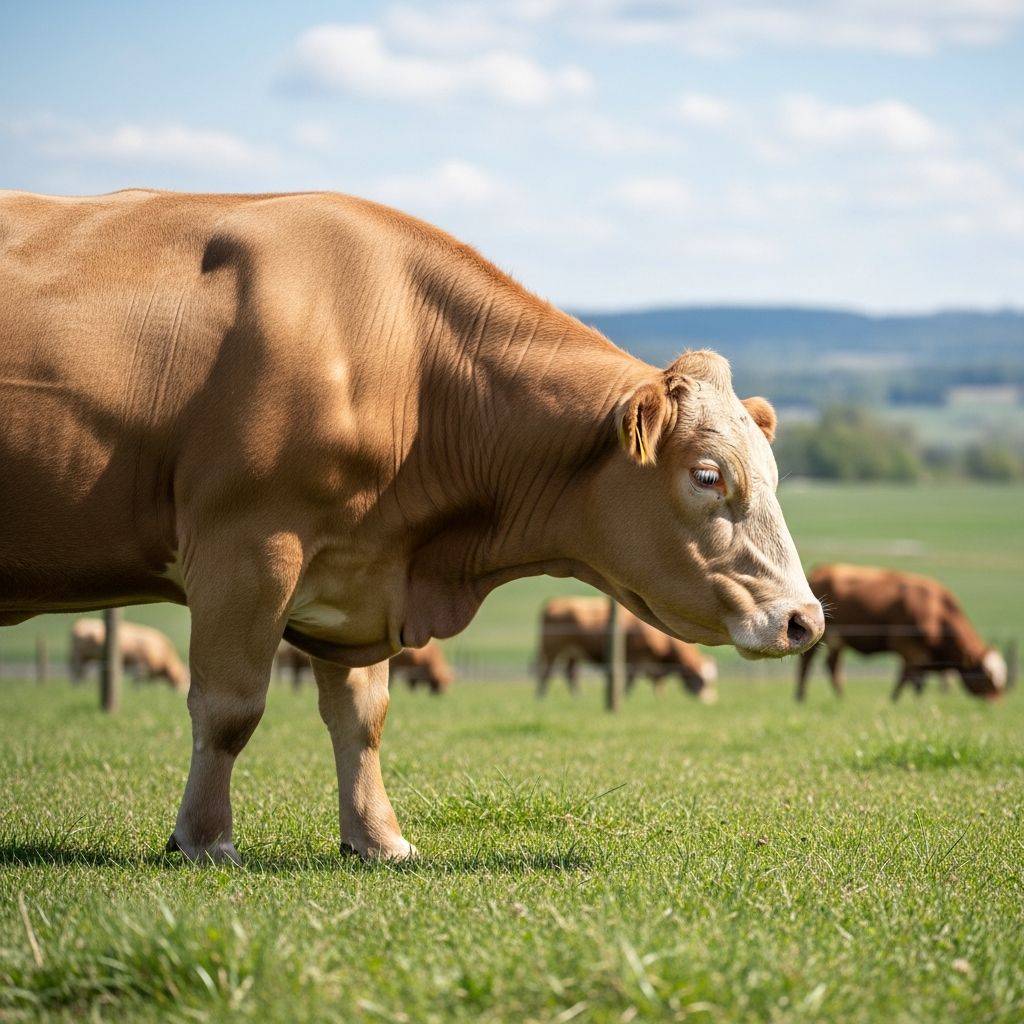
Cattle bloat, or ruminal tympany, arises from excessive gas buildup in the rumen, potentially leading to suffocation if untreated. This condition threatens herd health, especially on legume-rich pastures or high-grain diets, requiring prompt recognition and action.
Understanding the Rumen and Bloat Mechanics
The rumen, a large fermentation vat in cattle, hosts microbes that break down feed into gases like methane and carbon dioxide. Normally, cattle eructate, or belch, to release these gases. Bloat disrupts this process, causing dangerous pressure buildup on the diaphragm and heart.
Two primary mechanisms drive bloat: foam stabilization in frothy types, trapping gas in rumen fluid, and physical blockages in free-gas forms, preventing escape. Factors like diet shifts, lush forage, or health issues exacerbate risks.
Primary Types of Bloat in Cattle Herds
Bloat manifests in distinct forms, each demanding specific interventions.
Frothy Bloat: The Foam Trap
Frothy bloat develops when stable foam forms in the rumen, encapsulating gas bubbles and blocking eructation. Legume pastures such as alfalfa or clover, rich in soluble proteins, trigger this by promoting foam via plant saponins and proteins.
Feedlot scenarios amplify risks with finely ground grains, altering microbial balance to produce excess slime. Rapid diet changes to lush spring growth further heighten susceptibility, often striking young or rapidly growing animals.
Free-Gas Bloat: Blockage Challenges
Free-gas bloat occurs when gas accumulates without foam but cannot escape due to eructation failure. Causes include esophageal obstructions from foreign objects, tumors, or “choke,” external compressions, or nerve disruptions like vagus indigestion from infections.
In calves, rumen atony from acidosis or hypocalcemia stalls motility, mimicking blockages. Unlike frothy types, this presents as a rounded, gas-filled rumen silhouette.
Recognizing Early Warning Signs
Swift detection saves lives, as bloat progresses rapidly. Key indicators include:
- Left-side abdominal distension: The rumen expands visibly, creating a crescent shape on the left flank.
- Restlessness and discomfort: Pacing, kicking at belly, or stomping feet signal pain.
- Respiratory distress: Open-mouth breathing, extended neck, or protruding tongue as pressure impairs lungs.
- Other symptoms: Frequent urination, defecation, salivation, or collapse in severe cases.
Monitor herds closely during high-risk periods like pasture turnout or feed transitions. Bloated animals often isolate, refusing feed.
Common Triggers and Risk Factors
| Risk Factor | Description | High-Risk Settings |
|---|---|---|
| Legume pastures | High soluble protein causes foam | Spring alfalfa/clover grazing |
| Grain overload | Fine particles boost rapid fermentation | Feedlots, abrupt diet changes |
| Obstructions | Blocks eructation pathway | Foreign bodies, tumors |
| Health issues | Acidosis, nerve damage impair motility | Calves, sick adults |
Weather shifts promoting lush growth, inadequate fiber, or ionophore shortages compound dangers. Breeds like Hereford show genetic predispositions.
Emergency Response Protocols
Act fast: bloat kills via asphyxiation within hours. Isolate affected cattle immediately.
- Stomach tubing: Pass a flexible tube into the rumen to vent gas, ideal for free-gas cases. Confirm placement by gas release or rumen odor.
- Anti-foaming agents: For frothy bloat, administer poloxalene, dimethicone, or oils like linseed via tube to break foam. Doses: 500ml drench or 1-1.2 oz/100lb body weight.
- Trocarization: Last resort—puncture left flank into rumen with sterile trocar to release gas. Veterinary supervision essential to avoid peritonitis.
- Supportive care: Walk animals post-treatment, offer hay, withhold grain.
Seek vet help for moderate-severe cases; DIY suits mild ones.
Proactive Prevention Strategies
Prevention outperforms cure, minimizing losses economically.
Management for Pasture Bloat
- Introduce hay/straw before legume turnout; maintain 1:4 legume:grass ratio.
- Feed poloxalene 48 hours pre-turnout via blocks, licks, or top-dress (prevents 12 hours).
- Rotate pastures; avoid grazing wet, lush regrowth. Delay return 10+ days post-incident.
Feedlot and Grain Diet Tactics
- Incorporate ionophores like monensin (Rumensin) to curb acidosis and bloat.
- Gradual grain increases over weeks; coarse processing reduces fines.
- Ensure roughage (10-20% diet); bunk manage to prevent gorging.
General Herd Health Measures
Vaccinate against predisposing diseases, maintain hygiene, dispose carcasses promptly. Supplement minerals; monitor weather-driven risks.
Advanced Monitoring and Long-Term Control
Tech aids like rumen bolus sensors track pH/motility. Genetic selection favors bloat-resistant sires. Research emphasizes mixed forages and additives.
Record incidents to refine practices; consult extension services for regional advice.
Frequently Asked Questions
What is the fastest way to treat bloat?
Stomach tubing releases gas quickest; follow with anti-foams for frothy types.
Can bloat affect calves differently?
Yes, calves suffer free-gas from atony or obstructions more often, needing urgent motility support.
How long after pasture change does bloat risk peak?
Typically 24-48 hours post-turnout on lush legumes.
Are there breeds more prone to bloat?
Herefords and double-muscled types show higher incidence due to genetics.
Does weather influence bloat outbreaks?
Yes, frost or rapid growth spurts increase lush forage risks.
Key Takeaways for Farmers
Prioritize surveillance during transitions, stock anti-bloat tools, and adapt feeds. These steps curb mortality, sustain gains, and bolster resilience.
References
- Bloat in Cattle — The Cattle Site. 2023. https://www.thecattlesite.com/diseaseinfo/199/bloat-in-cattle
- A Guide to Cattle Bloat: Symptoms, Causes & Treatment — Bivatec Ltd. 2024. https://www.bivatec.com/blog/protecting-your-cattle-how-to-identify-and-treat-ruminal-bloat-and-vesicular-stomatitis
- Bloat in cattle and sheep — NSW Department of Primary Industries. 2022-12-01. https://www.dpi.nsw.gov.au/__data/assets/pdf_file/0009/111411/Bloat-in-cattle-and-sheep.pdf
- Bloat in Beef Cattle — University of Nebraska-Lincoln Beef. 2023. https://beef.unl.edu/cattleproduction/bloat-beefcattle/
- Why are my cattle bloating? — Michigan State University Extension. 2024. https://www.canr.msu.edu/news/why-are-my-cattle-bloating
- Pasture Bloat—Prevention and Treatment — Iowa Beef Center. 2023. https://www.iowabeefcenter.org/bch/PastureBloat.pdf
- Bloat in Cattle: What You Need to Know — Lethbridge Animal Clinic. 2024. https://lethbridgeanimalclinic.com/blog/bloat-in-cattle-what-you-need-to-know/
Similar Articles








Read full bio of Sneha Tete


