

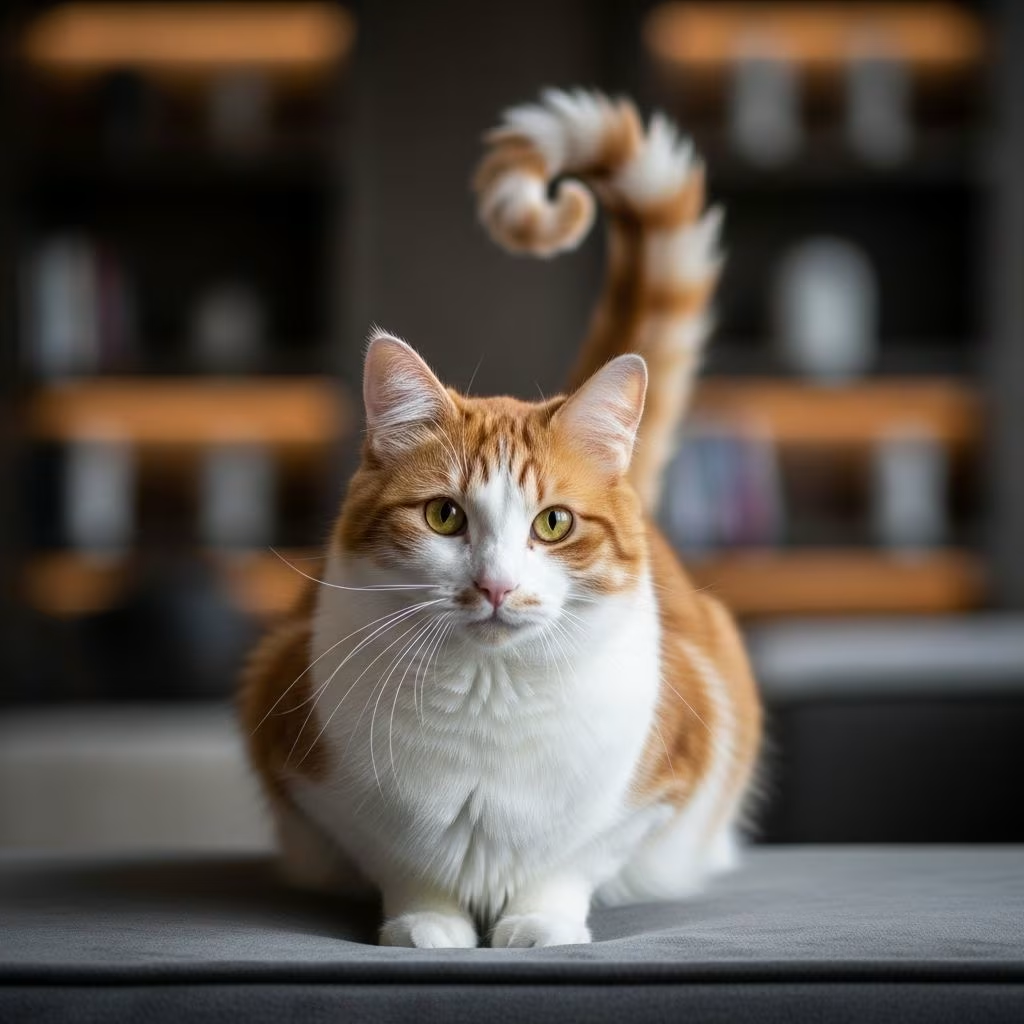
Cat tails serve more than just balance; they express emotions, signal moods, and sometimes showcase genetic quirks that make certain breeds stand out. Among domestic cats, those with naturally curly tails capture attention with their whimsical shapes, ranging from gentle hooks to full spirals. These features often stem from specific mutations affecting cartilage or bone structure, resulting in tails that bend, twist, or loop in captivating ways. Understanding these breeds reveals not only their physical allure but also their histories, temperaments, and care requirements.
Why Do Some Cats Have Curly Tails?
The curly tail phenomenon arises primarily from genetic variations. In breeds like the American Curl—though famous for ears—the tail curl links to similar cartilage developments. Mutations alter tail vertebrae, creating flexible bends without health issues in most cases. Unlike injuries causing temporary curls, as seen in some rescue cases with neurological damage, hereditary curls are stable and functional.
These tails enhance communication; a curled tip might indicate curiosity or contentment. Owners note cats can often straighten them at will, though they default to curls during alert states. Selective breeding preserves these traits, blending aesthetics with vitality.
Top Breeds Featuring Curly Tails
Below, we profile 15 breeds where curly tails appear frequently, drawing from breed standards and observer reports. Each includes size stats, personality insights, and tail specifics for comprehensive comparison.
| Breed | Height (inches) | Weight (lbs) | Tail Curl Type | Coat Type |
|---|---|---|---|---|
| Siberian | 9–11 | 8–17 | Subtle plume curl | Semi-long, thick |
| Himalayan | 6–9 | 7–12 | Slight end curl | Long, colorpoint |
| Kurilian Bobtail | 9–11 | 8–15 | Short, pom-pom curl | Short or semi-long |
| Manx | 8–10 | 8–12 | Variable, stubby curl | Short, dense |
| Pixie-bob | 9–13 | 8–17 | Bobbed with curl | Short, spotted |
| Highland Fold | 8–10 | 8–12 | Gentle tail bend | Medium-long |
| Cornish Rex | 8–10 | 6–10 | Thin, wavy curl | Short, curly |
| Scottish Fold | 8–10 | 6–13 | Soft curl | Short or long |
| American Ringtail | 8–12 | 7–15 | Ring-like over back | Short or long |
| Devon Rex | 8–10 | 6–9 | Loose curl | Short, wavy |
| Russian Blue | 9–11 | 7–12 | Tight tip curl | Short, dense |
| Bengal | 8–10 | 8–15 | Slight hook | Short, spotted |
| Siamese | 8–10 | 8–12 | Occasional curl | Short, sleek |
| Persian | 9–11 | 7–12 | Plumed bend | Long, fluffy |
| Ragdoll | 9–11 | 10–20 | Siamese-influenced curl | Semi-long |
Siberian: The Gentle Giant with a Twist
Large and robust, Siberians boast water-repellent triple coats in myriad patterns. Their tails often show a mild plume curl, complementing rounded heads and tufted ears. Affectionate yet independent, they thrive in cool climates and form lifelong bonds.
Himalayan: Colorpoint Elegance
Blending Persian luxury with Siamese points, Himalayans feature striking blue eyes and silky long fur. A subtle tail curl accents their compact frames, pairing with calm, lap-loving dispositions ideal for relaxed homes.
Kurilian Bobtail: Hardy Hunters
Originating from Russian islands, these cats sport short, curly tails resembling pom-poms atop muscular bodies. Playful and adaptable, they excel as family pets, with coats resisting harsh weather.
Manx: Tailless to Curly Variants
Isle of Man natives, Manx cats display tail spectrum from absent to curly stubs. Sturdy builds and round features house energetic, dog-like loyalties, making them farmyard favorites.
Pixie-bob: Wildcat Mimics
Evoking bobcats, Pixie-bobs have bobbed, curling tails, polydactyl paws, and marbled coats. Social and bold, they bond deeply, suiting active households.
Highland Fold: Longhaired Charmers
Related to Scottish Folds, Highlanders offer upright ears and occasional tail curls with plush fur. Sweet-tempered, they seek cuddles without the fold-related health risks.
Cornish Rex: Velvety Explorers
Wavy, lamb-like coats cover slender, athletic frames with curling thin tails. Curious and agile, they leap high, demanding interactive enrichment.
Scottish Fold: Expressive Folders
Folded ears match curling tails on plush bodies. Easygoing and people-oriented, ethical breeding avoids skeletal issues.
American Ringtail: Spiraled Showstoppers
Bred for tails ringing over backs, these medium cats carry silky coats and inquisitive natures. Playful fetchers, they adapt well to apartments.
Devon Rex: Pixie Playmates
Elf-like ears frame wavy fur and curling tails. Mischievous and warm-loving, they crave laps despite hairless vibes.
Russian Blue: Shimmering Blues
Velvet-short coats gleam blue, with tails curling at tips. Reserved yet loyal, they guard homes quietly.
Bengal: Spotted Athletes
Leopard-spotted with hooked tails, Bengals burst energy, needing climbs and swims. Vocal and smart, they demand engagement.
Siamese: Sleek Vocalists
Occasional curls grace elegant bodies and points. Talkative and social, they rule households with meows.
Persian: Fluffy Aristocrats
Plush faces hide bending tails under mane-like fur. Sedentary sweethearts, they prefer grooming routines.
Ragdoll: Limp Loving Giants
Siamese heritage yields curling tails on massive, colorpoint frames. Docile when held, they adore families.
Caring for Cats with Curly Tails
- Grooming: Long-coated breeds like Persians need daily brushing to prevent mats around curls; Rex varieties require minimal but gentle handling to preserve waves.
- Health Checks: Monitor tails for flexibility—stiffness signals issues. Genetic tests prevent breeding problems in folds or bobtails.
- Exercise: Active types like Bengals demand toys; sedentary ones like Himalayans benefit from gentle play.
- Diet: Tailored nutrition supports coat health; high-protein for hunters, controlled calories for plush breeds.
Genetics Behind the Curl
Dominant mutations, like in American Ringtails, ensure predictable inheritance. Unlike kinked tails from injury, genetic curls maintain nerves and blood flow, allowing full sensation. Vets confirm no inherent pain if smooth and mobile.
FAQs
Are curly tails painful for cats?
No, in purebreds, they form via flexible cartilage without discomfort, unlike trauma-induced kinks.
Can any cat develop a curly tail?
Mixed ancestry sometimes yields curls, but consistency defines breeds.
How to groom a curly-tailed cat?
Use slicker brushes for fur; avoid pulling tails. Bathe sparingly for oily coats like Rex.
Do curly tails affect balance?
Minimal impact; cats compensate superbly.
Best homes for these breeds?
Varies: apartments for Ragdolls, active spaces for Bengals.
References
- 15 Cats With Curly Tails (With Info & Pictures) — Hepper. 2023. https://articles.hepper.com/cats-with-curly-tails/
- 14 Cat Breeds With Curly Tails (With Info & Pictures) — Catster. 2023. https://www.catster.com/cat-breeds/cat-breeds-with-curly-tails/
- The Enigmatic Charm of Curly Tail Cats — Oreate AI Blog. 2023. http://oreateai.com/blog/the-enigmatic-charm-of-curly-tail-cats/4601963304b32bd82058b108b37e2155
- CURLY TAILED CATS GALLERY — Messybeast. 2023. http://messybeast.com/curly-tailed.htm
- Unique Cat Tails: Top 25 Breeds — Litter-Robot. 2023. https://www.litter-robot.com/blog/unique-cat-tails-25-breeds/



