

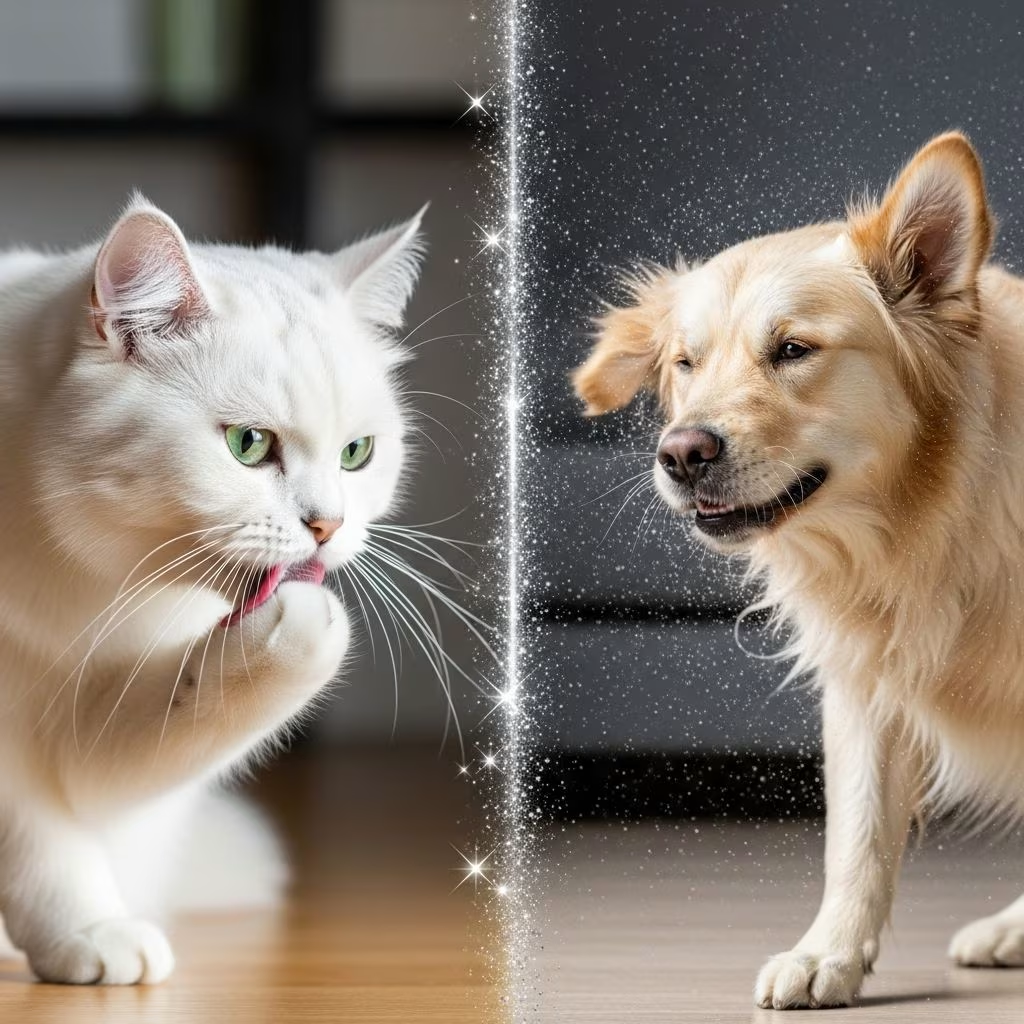
Pet owners often debate which animal maintains better hygiene: the independent cat or the playful dog. Cats dedicate significant time to self-cleaning, using specialized tongues to remove debris and distribute oils, while dogs rely more on owner intervention like baths and brushing. This article examines grooming behaviors, household effects, health implications, and practical care strategies to settle the score.
Understanding Feline Grooming Mastery
Cats exhibit remarkable dedication to personal hygiene. They allocate nearly half their waking hours to licking their fur, a process that employs papillae—tiny, backward-facing spines on their tongues acting like natural combs. This routine dislodges dirt, dead hair, and external parasites while spreading sebum, natural skin oils that condition the coat for shine and water resistance.
Indoor lifestyles further enhance cat cleanliness. Unlike dogs that romp outdoors, cats primarily stay inside, minimizing exposure to mud, pollen, and germs. Their instinct to bury waste in litter boxes prevents odor spread, provided owners scoop daily. Regular brushing supplements this, curbing hairballs and shedding that could otherwise scatter fur around homes.
- Key feline grooming benefits: Parasite removal, oil distribution, waste concealment.
- Spend 30-50% of awake time grooming.
- Reduces bacterial buildup through frequent licking.
Canine Hygiene: Active but Assisted
Dogs approach cleanliness differently, often reveling in outdoor adventures that invite dirt. Breeds with thick or double coats accumulate more debris from rolling in grass or splashing in puddles. Without self-grooming prowess, they depend on humans for baths every 4-6 weeks, depending on coat type and activity level.
Positive aspects include outdoor elimination, eliminating litter box needs and associated smells. Many dogs paw at itchy spots or chew fur, but this pales against cat-level maintenance. Brushing removes loose hair and prevents matting, while paw wipes post-walks stop indoor dirt tracking.
| Aspect | Cats | Dogs |
|---|---|---|
| Grooming Method | Self-licking (50% time) | Baths/Brushing (owner-led) |
| Outdoor Exposure | Low (indoor focus) | High (play, walks) |
| Waste Management | Litter box (bury instinct) | Outdoor (no box) |
| Scent Profile | Mild if maintained | Stronger natural odor |
Home Hygiene Impacts: Tracking and Odors
Household cleanliness hinges on pet habits and owner diligence. Cats shed fine fur that settles on fabrics, but vacuuming and lint rollers handle it efficiently. Litter boxes demand daily scooping to avert ammonia smells; self-cleaning models aid busy owners.
Dogs introduce paw prints, wet fur after rain, and yard waste if not fully house-trained. Larger breeds shed profusely, coating floors in hair. Their stronger body odor lingers without frequent washing, especially in humid climates. Both species contribute endotoxins—bacterial fragments in dust—but proper care mitigates this.
- Cats: Minimal tracking; focus on litter maintenance.
- Dogs: Mud paws and shedding; prioritize post-walk cleans.
Studies indicate managed environments keep endotoxin levels low regardless of pet type.
Health Ties: Parasites, Bacteria, and Dental Care
Grooming links directly to pet health. Cats’ vigilant licking catches fleas early, though over-grooming risks hairballs. Dogs, less proactive, need monthly preventives and checks for ticks post-outings. Both harbor oral bacteria, but dogs often require annual dental cleanings under anesthesia due to plaque buildup, more frequently than cats.
Bacterial transmission to humans is low with hygiene: Handwashing after pet contact prevents zoonoses. Clean pets mean healthier homes, reducing allergen and pathogen spread.
Debunking Cleanliness Myths
Myths persist: “Cats are always pristine” ignores hairball needs and litter duties. “Dogs are filthy” overlooks fastidious breeds like Poodles that thrive with grooming. Reality: Both demand tailored routines. No pet is maintenance-free; genetics, diet, and environment influence hygiene.
Practical Tips for Peak Pet Cleanliness
For Cats
- Scoop litter daily; full change weekly with enzymatic cleaners.
- Brush 2-3 times weekly to minimize shedding and hairballs.
- Trim nails biweekly; provide scratching posts.
- Ensure fresh water; hydration aids grooming.
For Dogs
- Bathe every 4-6 weeks with pet-safe shampoo.
- Daily brushing for short coats; more for long ones.
- Wipe paws after walks; use booties in mud.
- Regular ear cleaning and tooth brushing.
Table for routine comparison:
| Task | Cat Frequency | Dog Frequency |
|---|---|---|
| Brushing | 2-3x/week | Daily-weekly |
| Bathing | Rare (spot clean) | 4-6 weeks |
| Waste Clean | Daily scoop | Daily yard pickup |
| Nail Trim | Every 2 weeks | Every 3-4 weeks |
Choosing Based on Lifestyle
Apartment dwellers favor cats for low mess. Active families suit dogs with outdoor space for dirt containment. Allergies? Hypoallergenic breeds exist for both, though no pet is allergen-free. Hybrid households thrive with zoned areas: litter in bathrooms, dog beds by doors.
FAQs: Pet Cleanliness Essentials
Are cats truly cleaner than dogs?
Cats self-groom more effectively, but dogs avoid litter odors. Owner effort equalizes outcomes.
How often should I bathe my dog?
Every 4-6 weeks or as dirt dictates; overbathing dries skin.
Do cats need baths?
Rarely; waterless shampoos suffice unless heavily soiled.
What’s the best litter for odor control?
Clumping, unscented with baking soda; change weekly.
Can pets spread diseases via dirt?
Minimal risk with hygiene; wash hands post-contact.
Final Thoughts on Pet Hygiene Harmony
Neither cat nor dog claims absolute cleanliness supremacy—it’s contextual. Cats edge in autonomy, dogs in outdoor utility. Consistent care ensures both deliver joy without chaos. Invest in tools, routines, and vet advice for sparkling companions and serene homes.
References
- Are Dogs Cleaner Than Cats — Door Buddy Editors. 2025-01-09. https://www.thedoorbuddy.com/blogs/door-buddy/are-dogs-cleaner-than-cats
- Here are three reasons why cats make better pets than dogs — The Wilkes Beacon. 2024-02-21. https://www.thewilkesbeacon.com/opinion/2024/02/21/here-are-three-reasons-why-cats-make-better-pets-than-dogs/
- The Cleanliness Debate: Cats vs Dogs — My Lovely Feline. N/A. https://mylovelyfeline.com/blogs/content/the-cleanliness-debate-cats-vs-dogs
- Are Cats Cleaner Than Dogs? The Real Talk on Pet Hygiene — 4Furbaby. N/A. https://www.4furbaby.com/blogs/furry-friends-101/cats-vs-dogs-cleanliness-litter-box-hygiene-guide
- Are Cats and Dogs the Major Source of Endotoxin in Homes? — PMC (National Library of Medicine). 2014-04-23. https://pmc.ncbi.nlm.nih.gov/articles/PMC4005287/
- Differences in Dental Hygiene for Cats and Dogs — New Hope Animal Hospital. N/A. https://www.nhah.com/blog/1240593-differences-in-dental-hygiene-for-cats-and-dogs



