

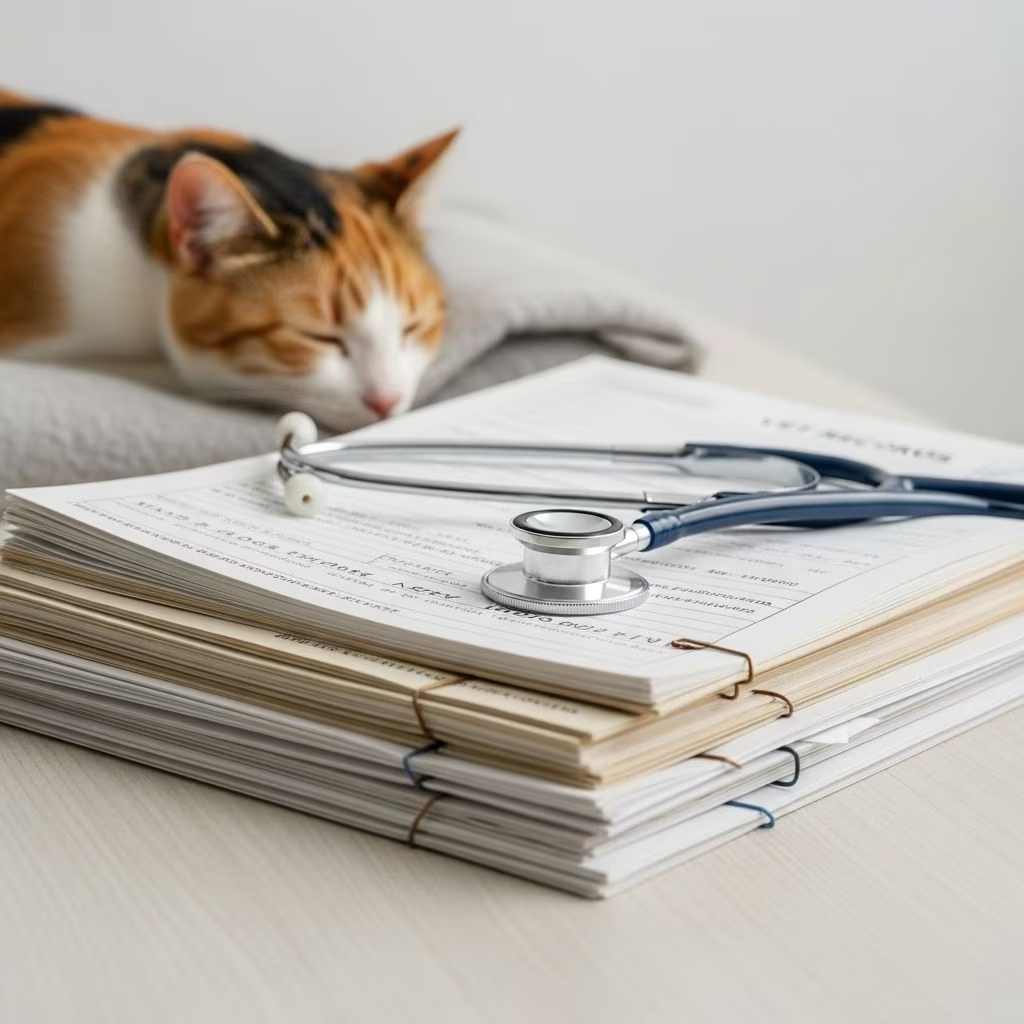
Cat vet records serve as a comprehensive medical history that enables veterinarians to make precise, informed decisions about your feline’s health. Whether switching vets, applying for pet insurance, or reviewing care yourself, these records provide essential insights into breed details, allergies, vaccines, surgeries, and more, preventing redundant tests and optimizing treatment.
What Does a Cat’s Vet Record Include?
Your cat’s vet records form a detailed dossier of their health journey, tailored to their unique medical background. While specifics vary, standard elements ensure continuity of care across providers. These documents allow quick assessment of ongoing conditions, preventive measures, and past reactions, facilitating efficient diagnostics and treatments.
Key components typically encompass:
- Breed, weight, height, and age: Baseline physical data tracks growth, weight changes, and age-related needs, crucial for dosing medications accurately.
- Drug and food allergies: Critical alerts prevent adverse reactions; for instance, noting penicillin sensitivity avoids life-threatening anaphylaxis.
- Vaccine history: Records core immunizations like rabies, FVRCP (feline viral rhinotracheitis, calicivirus, panleukopenia), and boosters, ensuring compliance with legal and health standards.
- Information on any vaccine reactions: Details mild swelling or rare severe responses guide future protocols, sometimes recommending alternatives.
- Medication history: Logs antibiotics, pain relievers, or chronic therapies like thyroid meds, revealing efficacy and side effects.
- Surgery history: Documents spays/neuters, tumor removals, or dental extractions, including dates, surgeons, and outcomes.
- Laboratory reports: Bloodwork, urinalysis, fecal tests reveal organ function, infections, parasites, or diabetes indicators.
- Flea, tick, and heartworm prevention and history: Tracks topical/oral preventives and infestations, vital in endemic areas.
- Potential handling instructions: Notes for fearful cats, like towel wraps or pheromone use, improving exam safety.
- Any current or previous medical conditions: Chronic issues like kidney disease, hyperthyroidism, or arthritis, with progression notes.
Additional details, such as dietary preferences, behavioral quirks, or microchip info, may appear, creating a holistic profile. For senior cats, expect frequent blood profiles assessing kidneys, liver, thyroid, and electrolytes every six months. During first visits, vets integrate shelter paperwork, vaccination cards, and fecal samples to build or update these records.
Should You Keep a Copy of Your Cat’s Vet Records?
Absolutely, maintaining personal copies of your cat’s vet records is essential, even though licensed vets retain official files. Your home version compiles handouts like vaccine certificates, lab summaries, and discharge instructions, forming a portable medical timeline.
Benefits include:
- Seamless vet transitions: New providers access history instantly, avoiding repeat vaccines or tests that cost $100–$300 per blood panel.
- Pet insurance applications: Many require 12–24 months of records to assess pre-existing conditions.
- Emergencies: Quick reference for ER vets on allergies or meds during off-hours.
- Breeder/shelter sales: Boosts buyer confidence with documented care.
- Travel: Proof for international moves or boarding facilities mandating rabies titers.
Organize digitally via apps or folders, updating post every visit. For multi-cat homes or seniors needing frequent check-ins, online vet platforms store records securely with subscription access.
Are Pet Vet Records Confidential?
Pet vet records are confidential; vets cannot share them publicly or with other clinics without owner consent. Exceptions include court orders, subpoenas, or public health reports like rabies exposures.
Unlike human HIPAA, no federal pet privacy law exists, but most states enact similar statutes. For example, California’s vet-patient privilege protects records, with breaches risking fines. Always request written release forms for transfers, specifying what shares (e.g., full history vs. vaccines only). Digital platforms encrypt records, but verify compliance. Owners control access, empowering informed care without unauthorized disclosures.
Do Pet Insurance Companies Require Vet Records?
Many pet insurance providers demand vet records, especially for accident-only plans or cats over seven. They review for pre-existing conditions—chronic issues excluded from coverage.
| Insurance Type | Records Required? | Typical Review Period |
|---|---|---|
| Accident & Illness | Yes, full history | 12–24 months |
| Accident-Only | Often no | N/A |
| Wellness Add-On | Sometimes vaccines | Current year |
If records unavailable, insurers may mandate a vet exam ($50–$150) or deny coverage. Providers like Trupanion request records post-claim for complex cases. Retain copies to expedite approvals, saving reimbursement delays.
What to Do if You Don’t Have Your Cat’s Vet Records
Losing records happens with adoptions, moves, or clinic closures—don’t worry, recovery is straightforward.
Step-by-step recovery:
- Contact current/previous vet: Request copies; most provide free or low-cost PDFs within days.
- Reach shelters/breeders/prior owners: They often hold initial vaccines or microchip docs.
- Schedule new patient exam: Vets build fresh records via physical, bloodwork, fecal ($200–$400 initial cost), integrating any scraps.
- Use virtual vets for interim: Upload photos or history for advice while rebuilding.
For proof like rabies, certificates suffice legally. Start tracking immediately to avoid future gaps.
Frequently Asked Questions (FAQs)
What if my cat is a stray with no records?
Begin with a wellness exam; vets test for FIV/FeLV, vaccinate, and microchip, creating baseline records from scratch.
How long do vets keep records?
Typically 3–7 years post-last visit, varying by state; always keep personal copies indefinitely.
Can I access records online?
Many clinics offer portals; apps like those for tele-vets store digitally with 24/7 access.
Do records transfer automatically?
No, sign a release; forward imaging/labs explicitly for referrals.
Are digital photos of records sufficient for insurance?
Usually yes, if legible; scan professionally for best results.
Final Thoughts
Just as humans track medical files, cat owners must safeguard vet records to prevent costly repeats and ensure tailored care. From allergies to surgeries, these documents are your cat’s health passport—start compiling today for worry-free feline futures.
References
- Why Your Cat’s Vet Records Are So Important (Vet-Reviewed) — Catster. 2024. https://www.catster.com/lifestyle/cats-vet-records/
- Vet Checklist: What to Bring to Your Cat’s First Visit (Vet-Approved) — Catster. 2024. https://www.catster.com/cat-health-care/cat-check-up-checklist-first-visit/
- Senior Cat Wellness Checks & Care (Vet Reviewed) — Catster. 2024. https://www.catster.com/cat-health-care/senior-cat-wellness/
- The 8 Best Online Vet Services for Cats in 2026 — Catster. 2026-01-01. https://www.catster.com/lifestyle/best-online-vet-services-for-cats/
- Referrals & Second Opinions For Your Cat: Everything to Know — Catster. 2024. https://www.catster.com/felines-weekly/referrals-second-opinions-for-your-cat/



